



At least five lawmakers walked out of a rare combined hearing of two separate legislative committees this morning after convening to compare notes on overlapping bills aimed at reforming the Wyoming Business Council.
The future of the state’s top economic development shop has stakes for how prepared Wyoming communities are to host economic development from Gillette to Kemmerer.
A handful of other committee members failed to attend entirely, but it was unclear whether their absences were in protest or for other reasons.
Ten Sleep Republican Sen. Ed Cooper, Cheyenne Republican Sen. Tara Nethercott and Casper Republican Sen. Jim Anderson, who all serve on the Joint Minerals, Business and Economic Development Committee, were among the first to walk out about 25 minutes into the meeting. Appropriations Committee members Jackson Democrat Sen. Mike Gierau soon followed and Riverton Republican Sen. Tim Salazar left shortly after.
Both committees had met separately on Thursday to advance a legislative effort to reform the Wyoming Business Council — along with other state-level economic development strategies — highlighting a long list of programs to trim or completely remove from the business council based on consultations with the agency itself and business leaders across the state.
Though both committees struck a mostly cooperative tone among themselves and their stakeholders during their separate meetings Thursday, several members expressed opposition to and frustration with combining the two panels on Friday.
The duplicative nature of working almost identical bills and then trying to hash out the differences outside of a legislative session was “out of order” and in violation of committee assignments, Nethercott said just before departing the joint hearing.
“We don’t come together and have joint meetings every time different committees have topics that intersect with each other,” she said. “This is an unusual course. It’s an unproductive course, and I do believe the taxpayers have a better use of their time, including that of their elected officials.”
How we got here
After years of both criticism and accolades for the business council, the Freedom Caucus-led Joint Appropriations Committee in January moved to defund and dismantle the agency just ahead of the Legislature’s budget session.
Lawmakers and stakeholders alike clashed over whether the agency is fulfilling its mission — defined by some 93 pages of state statutes accumulated over 25 years — and whether it was even necessary to help advance the state’s economy. Though the business council avoided complete elimination, legislators ultimately reduced its biennium budget from the governor’s recommended $54.6 million to about $15 million — enough to sustain the agency as lawmakers reexamine its role and contemplate potential reforms.
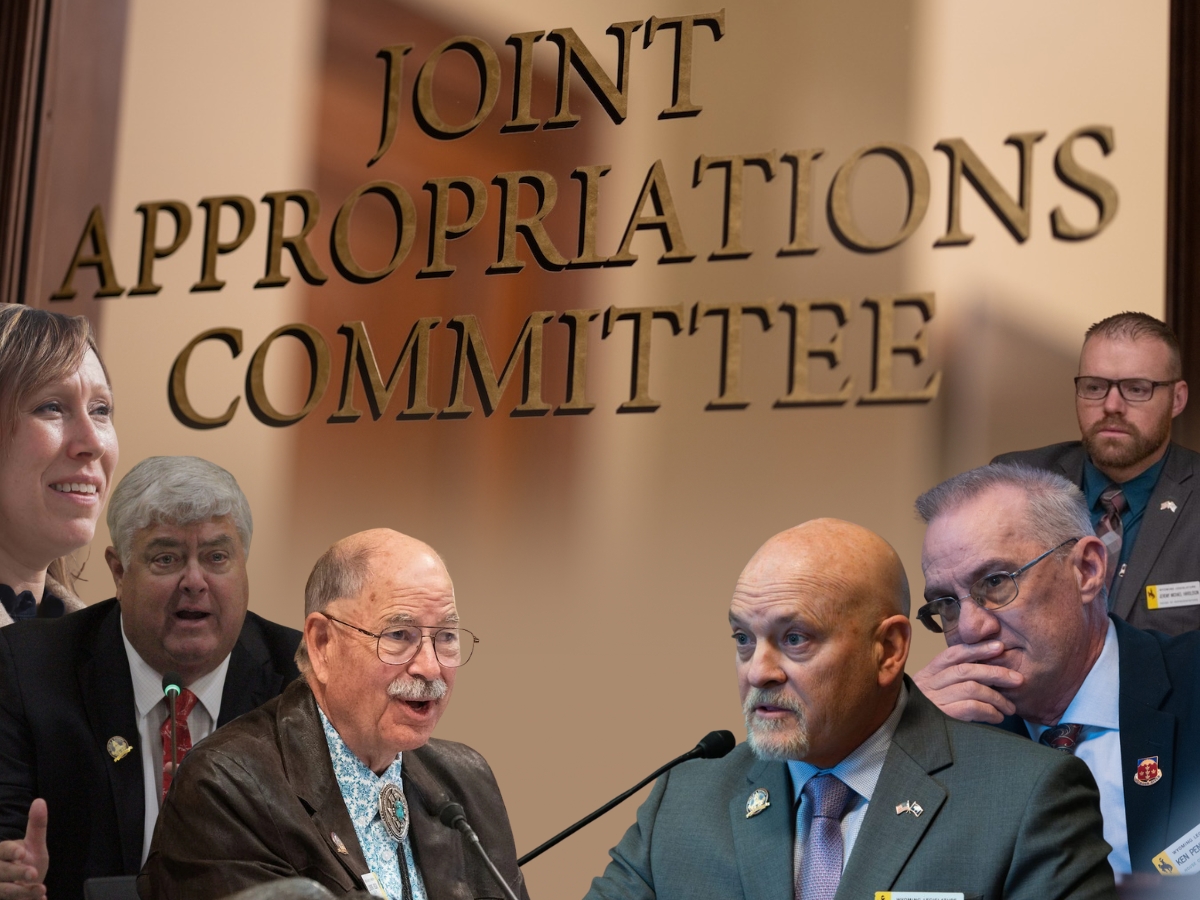
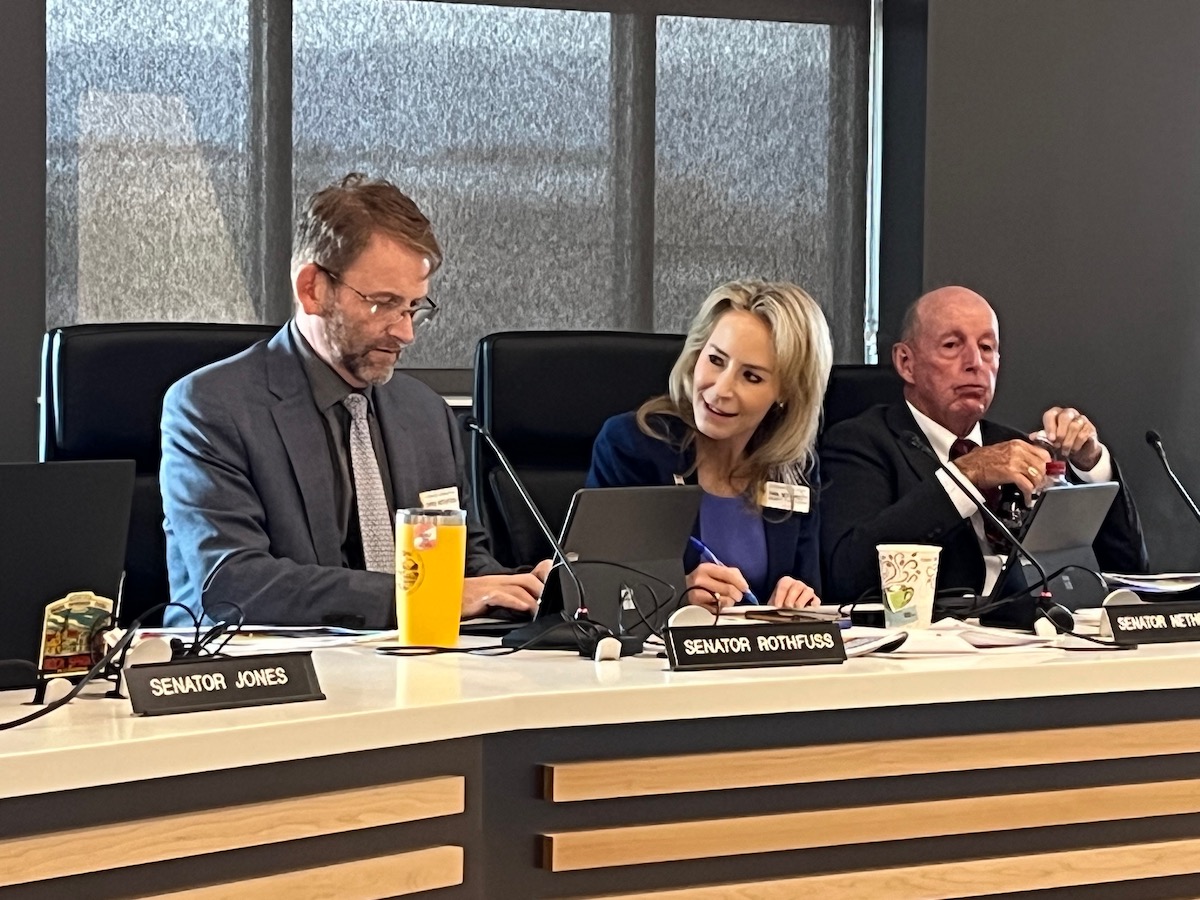
The reform effort began this past spring under direction from the Legislature’s Management Council, which assigned the Minerals Committee to examine the business council’s structure and guiding principles and instructed the Appropriations Committee to reimagine the agency’s budget matters, including its management of vast federal and state grant and loan programs.
Reform, so far
Both committees took up bill drafts earlier this week that overlap.
The Minerals Committee on Thursday voted to sponsor a consensus block grant local funding program bill draft and the Wyoming business council-program amendments and repeal bill draft. The Joint Appropriations Committee, meantime, advanced almost identical measures, but did not vote on them because it will meet one more time in October before the full Legislature convenes this winter.
While the Appropriations Committee tailored its consensus block grant bill draft as a likely replacement for the business council’s controversial Business Ready Community grant program, the Minerals Committee generally regards it as complimentary to the Business Ready Community program. The primary difference between the two, according to lawmakers and business insiders, is that the Business Ready Program tends to advantage communities already in a position to attract new businesses, while the consensus block program addresses dire needs and roadblocks to attracting new businesses, like crumbling infrastructure.
Though not in total agreement, local-government officials and economic-development advocates across the state say both programs serve legitimate needs, and many expressed anxiety if pressed to choose between the two. While communities like Gillette, Cheyenne and Casper are good investments to attract new industries, towns with fewer resources like Rawlins and Kemmerer could do the same, but they struggle with basic infrastructure like roads, sewer and drinking water.
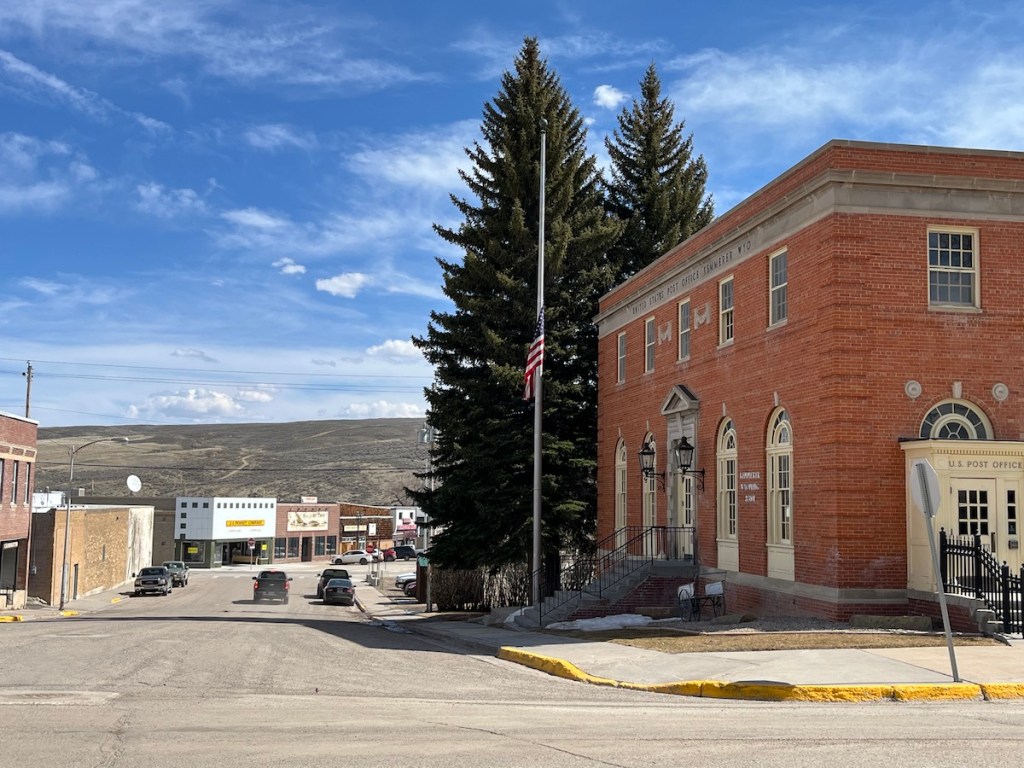
While discussing the astronomical and continually rising costs of basic infrastructure needs, Wyoming Association of Municipalities Executive Director Ashley Harpstreith suggested that no matter the funding mechanism, the state is going to struggle to meet the need.
“The poster child that comes to mind is Kemmerer,” Harpstreith told the joint committees. “We’re looking at nuclear development there. We’re redeveloping old coal [facilities]. It’s pretty exciting stuff. But we kind of put the cart before the horse because we have a $60 million deficit in sewer there.”
