


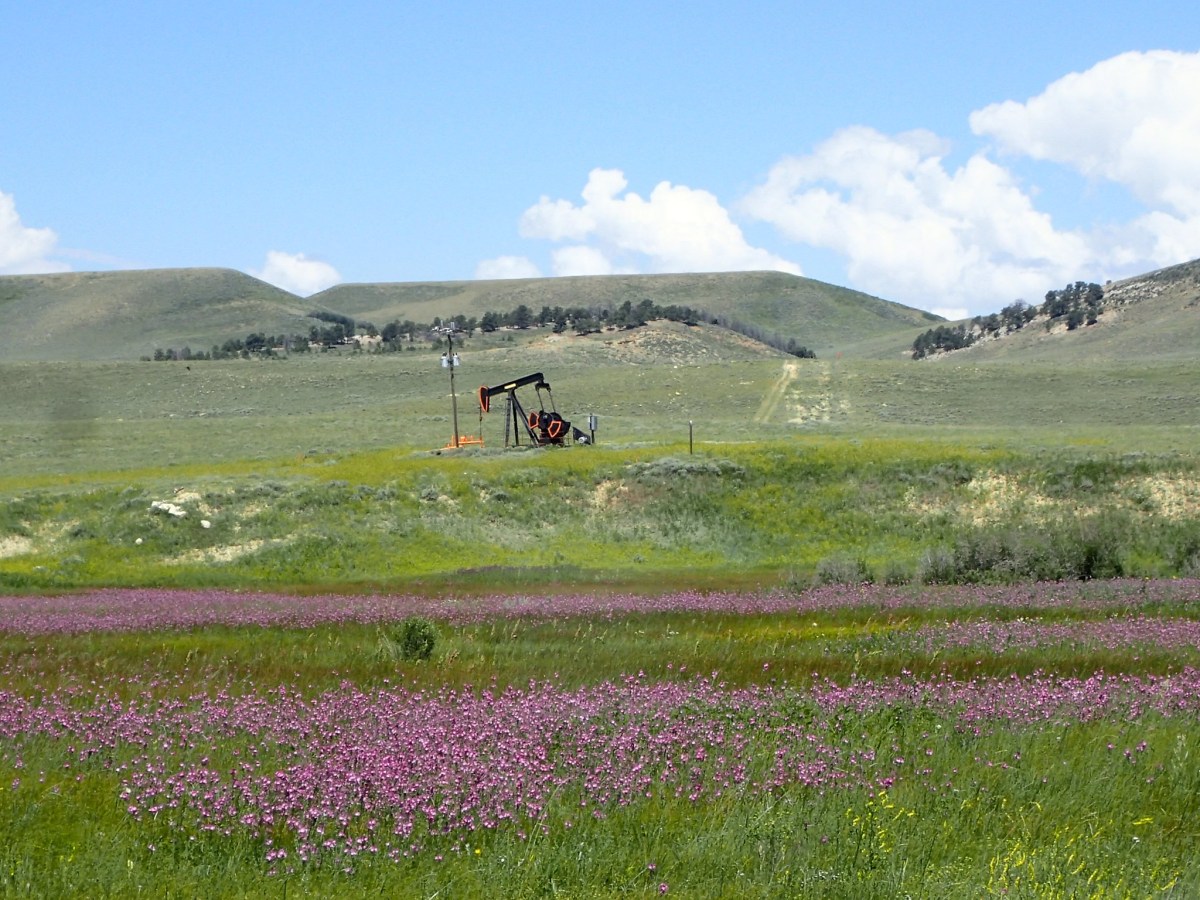
The Bureau of Land Management has finally required the oil and gas industry to grow up and operate responsibly. The BLM finalized a new rule requiring bonds to cover the cost of plugging oil and gas wells and reclaiming public and private lands over federal minerals. The oil and gas industry has enjoyed a virtual free pass for decades, while the coal industry has been required to post bonds and reclaim lands since 1977. The coddling of the oil and gas industry is over.
Opinion
I spent 31 years working with landowners to address the impacts of oil and gas development on their property. I witnessed first-hand the damages caused by thousands of idle or orphan oil and gas wells. Trash and equipment littered the landscape with rusted and leaking tanks, unfenced blackened pits, rusted barrels, plastic pails, broken pumpjacks, contaminated soils either barren or covered with noxious weeds, and dead birds in uncovered waste pits. For decades the oil and gas industry waltzed away from these messes due to the BLM’s failure to require adequate bonding upfront to ensure plugging and reclamation.
Many landowners I worked with referred to this problem as the “wreck, ruin and run strategy” used by the oil and gas industry. Wildcatters often initiate drilling, and if the field was productive, the majors would come in and operate it for a while. When production inevitably declined, they would pass the field to a small producer with few resources to complete plugging and reclamation of the degraded land. Lacking financial resources to complete their cleanup responsibilities, the small producer would often simply run away. BLM would spend decades looking for a responsible operator or former lessee to clean up the mess so American taxpayers were not saddled with that burden.
The powerful oil and gas industry is finally being held accountable by the Biden administration for the messes they have left on our landscapes, and the Petroleum Association of Wyoming is whining like a spoiled brat. The group recently published an opinion piece regarding BLM’s common sense rule to protect taxpayers and the environment. In it, PAW glosses over some facts to push misleading figures. They state that BLM plugs and reclaims a couple dozen wells per year because there are so few wells to reclaim. This is inaccurate.
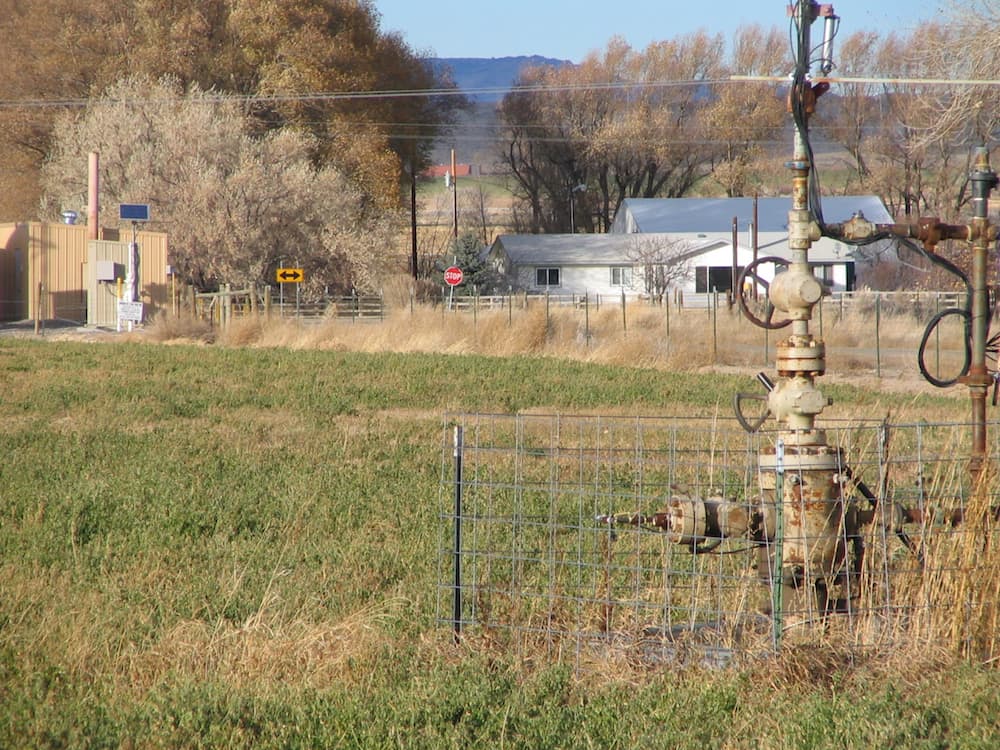
BLM has a duty to U.S. taxpayers to track down previous owners and hold them liable for cleanup costs before they officially designate a well as orphaned. This process takes years, which means that the federal orphan well list grows very slowly, even while thousands of wells sit idle and abandoned. BLM’s new rule incentivizes operators to plug and reclaim their wells by requiring a higher upfront bond to drill. It also increases bonds retroactively on existing wells. In doing so, the rule ensures industry cleans up its own mess, replacing our current system of BLM going on a wild goose chase while wells sit idle on our land.
Finally, those days are over. After more than six decades of BLM requiring only minimal blanket bonds for thousands of oil and gas wells and the government spending over $4 billion in taxpayer money to plug and clean up orphan wells, we are done bailing out the richest industry on earth. The bureau is finally holding the oil and gas industry accountable, and the sky is not falling, despite what industry claims. All oil and gas companies, large or small, are now being required to operate professionally and responsibly. Requiring upfront adequate bonding of the oil and gas industry is long overdue. The taxpayer will benefit, as will the land and water on which we depend.

Tax payers should not be responsible for cleaning up industrial waste. The energy and mining companies have been getting rich and leaving their waste behind for too long..
Thank you, Jill. They profited from it so THEY should clean it up! Shame on the petroleum association, oil, gas etc , who are whiners. Love Wyoming’s gorgeous vistas and appreciate your work to protect the resources and land.
I have zero problem with this. It should have been done decades ago. But at same time. The towns need to clean up their old main streets and even abandoned houses. Way to many ramshackle buildings ruin the appearance of towns as well
Well said, Jill – no pun intended. The oil and gas industry has gotten away with “wreck, ruin and run” for decades. I’ll take coal companies for neighbors any day over these bandits.