

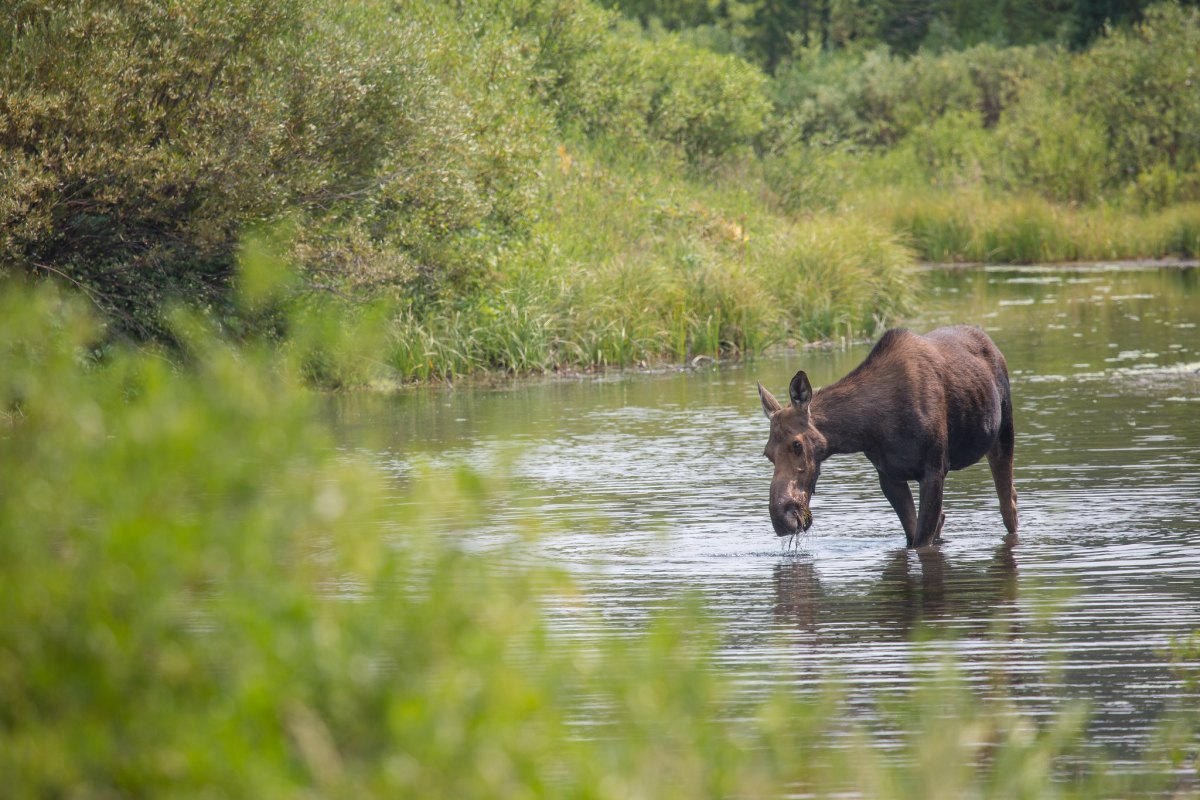
One moose and more than 50 cattle have died of anthrax in the past month in south-central Wyoming, officials confirmed Wednesday.
Anthrax occurs naturally in soil but has not been documented in Wyoming in livestock since the 1970s and in wildlife since 1956. No humans have been infected, according to the Wyoming Department of Health.
Wildlife and veterinary health officials ask that anyone in Carbon County who encounters a dead animal such as elk, moose, deer, antelope or cattle with no obvious injury to leave it alone and call health officials.
“For cattle, the main concern is for producers located within that region,” said Dr. Hallie Hasel, Wyoming’s state veterinarian. Cattle deaths can be a “serious economic loss” for ranchers, but Hasel notes veterinarians can order an effective vaccine that can be given annually for any cattle in at-risk areas to help curb the losses.

Even though anthrax has not been documented in Wyoming in more than half a century, outbreaks do occur in livestock in places like Texas, the Dakotas and western Canada, said Dr. Samantha Allen, the state’s wildlife veterinarian. The bacteria can also live in soil for decades.
Wildlife and livestock officials don’t know exactly why the spore-forming bacterium, Bacillus anthracis, began killing cattle in the Elk Mountain region, but they said drought followed by heavy rain can sometimes trigger an outbreak.
“While anthrax can sometimes be a human health concern, we have no worries at this time about a risk to the general public in Wyoming,” said Kim Deti, a spokesperson for the health department. “People can get sick with anthrax if they come in close contact with infected animals or contaminated animal products. Anthrax does not spread person to person.”
Cattle die off
Once infected with anthrax, animals will become lethargic, struggle to breathe and die within a couple of days, though some may succumb within 24 hours. An animal that has died of anthrax will often bleed through its nose, mouth or anus, will not have rigor mortis and will bloat quickly, Allen said.
Cattle began dying of anthrax in the Elk Mountain area about a month ago, Hasel said, and health officials are aware of about 50 to 60 that have died so far across multiple cattle producers. The Wyoming State Veterinary Laboratory officially diagnosed the cattle with anthrax on Saturday. On Tuesday, the state lab confirmed that a moose found dead in the area also had anthrax.

Cattle and wildlife contract the disease by eating close to the soil in recently disturbed areas, Allen said. They can also contract it by nuzzling a dead carcass. Carnivores and scavengers like coyotes or lions are not generally as susceptible to the disease. It has historically been found in cattle in Laramie, Niobrara, Natrona, Carbon, Lincoln, Sublette and Teton counties. The last documented wild animal in Wyoming to die of anthrax was a moose in 1956 in Sublette County.
While anthrax sparks fears of the bioterrorism agent mailed to postal workers, journalists and government officials shortly after the Sept. 11, 2001 attacks, it is not exactly the same threat, she added. The powder sent in envelopes through the mail was a refined version of what lives naturally in soil.
Before the 2001 attacks, people most likely to be infected with anthrax were ones who worked with animal hides, hair, bone and wool, according to the health department. Human cases are rare, but health officials still ask hunters and livestock producers to be cautious.
Health precautions
Anyone hunting in the Elk Mountain area, where large elk herds range widely along with mule deer and pronghorn, should not shoot an animal that looks sick or touch a dead animal, Allen said.
The Game and Fish Department is not discouraging people from hunting in the Elk Mountain area as seasons begin, but instructed anyone in the area not to open an animal carcass “as this can lead to exposure to anthrax spores through the skin or inhalation,” according to a Game and Fish fact sheet. People should also not shoot a sick animal for the same reasons, or allow dogs, horses or other domestic animals to touch a carcass.

Allen also recommends using disposable gloves and eye protection like sunglasses while field dressing wildlife.
As for the dirt where the anthrax bacteria lives, Hasel said a change in weather “impacts the presence of bacteria in the soil.” Until then, cattle producers are asked to remove livestock from areas like irrigated hay meadows where cattle have become sick. The bacteria could resurface again next year, or years after that, but producers can work with their veterinarians to vaccinate cattle in the area.
Wildlife, livestock and health officials are also hosting a town hall meeting at 7 p.m. tonight in the Elk Mountain Fire Hall.
The health department has also been working with people in high-exposure areas to get them preventative treatment such as antibiotics and vaccines, Deti said.
“We’re asking all producers in that region if they have any acute deaths, do not move them or open them,” Hasel said. “Contact their veterinarian immediately.”

Isn’t it ALWAYS ONLY about the MONEY FOR THE GREEDY CATTLE RANCHES? WHAT ABOUT COMMON DECENCY? Yes, I Also enjoy the occasional steak!
Spoiler alert! Anyone interested to witness the effects this terrible disease should watch the 2021 medical mystery western, The Power of the Dog. Creepy movie! Beautiful scenery, great banjo music, and a memorable lesson about messing with dead cattle!