
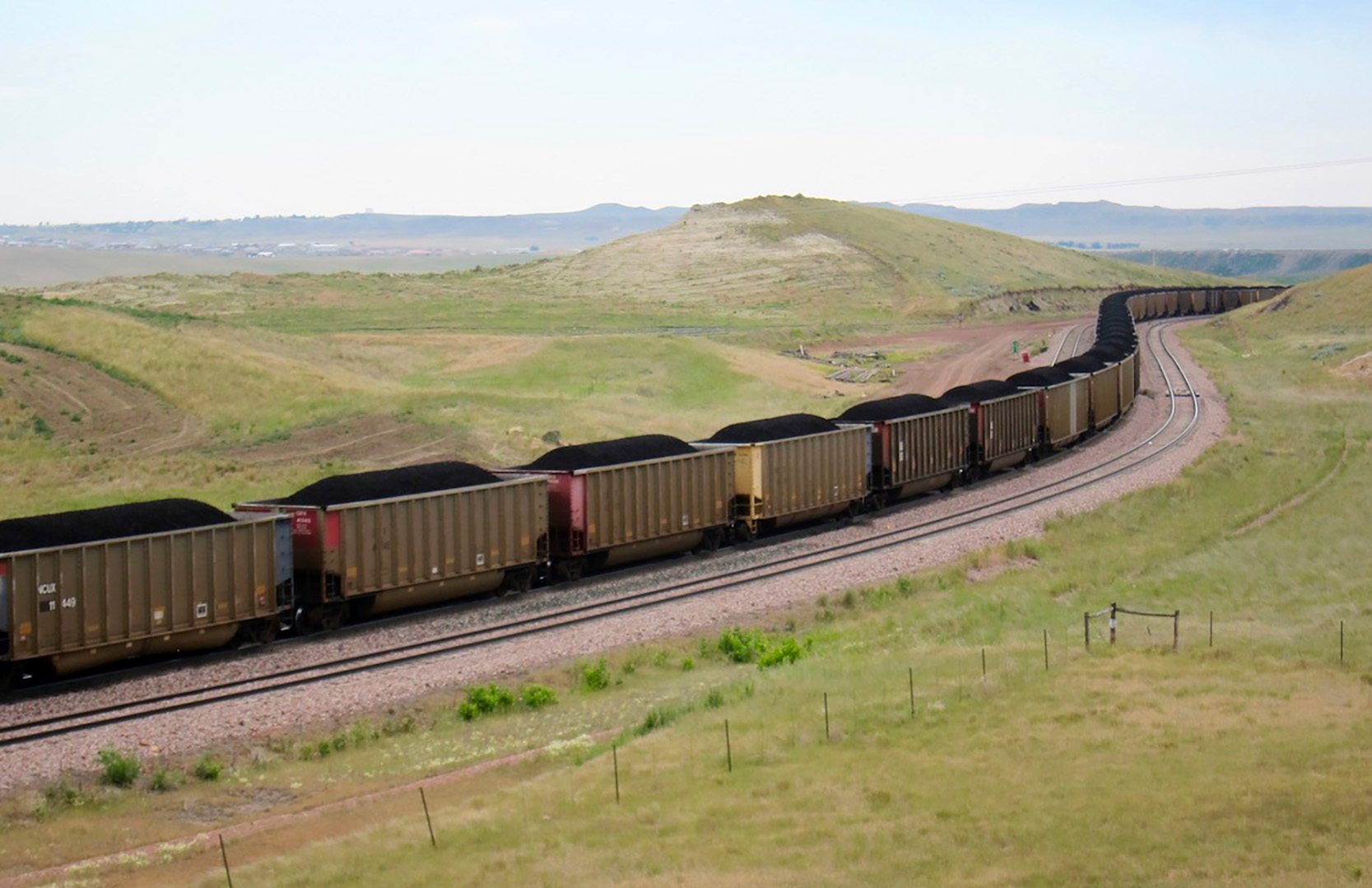

Wary of a potential political swing in Congress and the White House in coming years, energy industry advocates are urging Wyoming lawmakers to expand and accelerate recent efforts to offer subsidies and streamline permitting beyond fossil fuels to resources like uranium, trona and bentonite, along with emerging interests in gold, copper, nickel and rare earth minerals.
Such a holistic approach — requiring broader grant opportunities and better coordination among various state agencies — is necessary to boost the entire “energy supply chain,” recognizing that non-fossil fuel minerals are also critical energy building blocks, they say.
At the same time, some energy officials are asking lawmakers to urgently reckon with the difficult question of how to supply enormous amounts of electricity to expanding extraction and processing projects, as well as data center proposals — an endeavor that flirts with the sticky prospect of electric utility deregulation.
“The fact of the matter is that we are in a resource-constrained environment now in Wyoming and, quite frankly, in the country with respect to electricity generation, and that is a real impediment to projects,” Petroleum Association of Wyoming President Pete Obermueller told the Legislature’s Joint Minerals, Business and Economic Development Committee this week.
Though Obermueller said he’s not suggesting breaking up Wyoming’s monopoly-based electric industry, utilities simply cannot meet demands for projects that call for massive volumes of new power in a relatively short amount of time. Wyoming’s trona industry, for example, is considering adding its own nuclear microreactors. Other potential energy projects under consideration could require 25 to 100 megawatts, according to Obermueller, while some data center developers are contemplating power needs beyond the 10,000 megawatts that represent the state’s total electrical generation capacity.
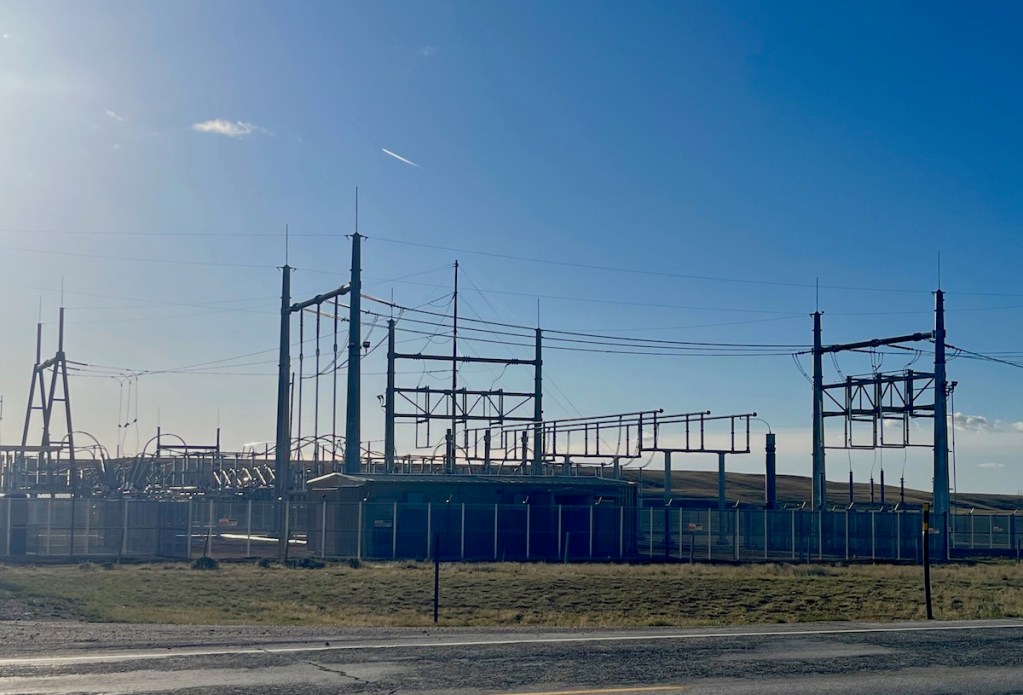
Calls for even 25 megawatts of new, dedicated power, Obermueller said, would take a utility beyond five years to fulfill, nullifying a project.
The solution, he said, is to maintain Wyoming’s regulated electric utility industry, but allow for various self-generation projects, or behind-the-meter power generation that’s dedicated to a particular cluster of projects.
Several committee members noted that the state has allowed regulated utility Black Hills Energy to serve large power customers — in particular, data centers in Cheyenne — apart from its regular customers. Beyond that, lawmakers have to no avail spent years contemplating with stakeholders about how to allow for so-called islands of electric generation to serve loads apart from a utility’s prescribed service territory.
One of the main rubs is that electric utilities — including member-owned co-ops — have traditionally served both residents and large industrial customers. Those large customers shoulder a lot of the infrastructure costs that help keep rates low for smaller customers, according to industry and state officials.
“If we start stripping too many of those [large load customers] out, that will harm [utilities’] growth ability, which has a trickle-down effect on our consumers and the rates they pay,” Wyoming Office of Consumer Advocate Administrator Anthony Ornelas said.
If the state does enact an allowance for self- or third-party electrical generation, Ornelas added, utilities must be absolved from having to serve as a backup if those systems fail, “because these machines do fail,” he said. “They fail all the time. They need maintenance. They go offline.”
Though Obermueller offered to bring a draft bill to the committee for its June meeting, the panel directed staff to write a separate bill.
“I do support the drafting of a bill, because this is at the threshold of a really important issue for Wyoming, which is how do we make sure the people of Wyoming have the power they need for what we want here in Wyoming,” Worland Republican Rep. Martha Lawley said.
Holistic energy dominance
Though Wyoming has a long track record of reducing regulations, streamlining permitting and offering monetary incentives to its fossil fuel extractive industries, it can do much better to take advantage of the Trump administration’s energy dominance agenda, other industry advocates testified.
The state needs to take a more holistic approach by extending those efforts to other legacy industries such as uranium, trona and bentonite, as well as emerging ones like gold, copper, nickel and cobalt.
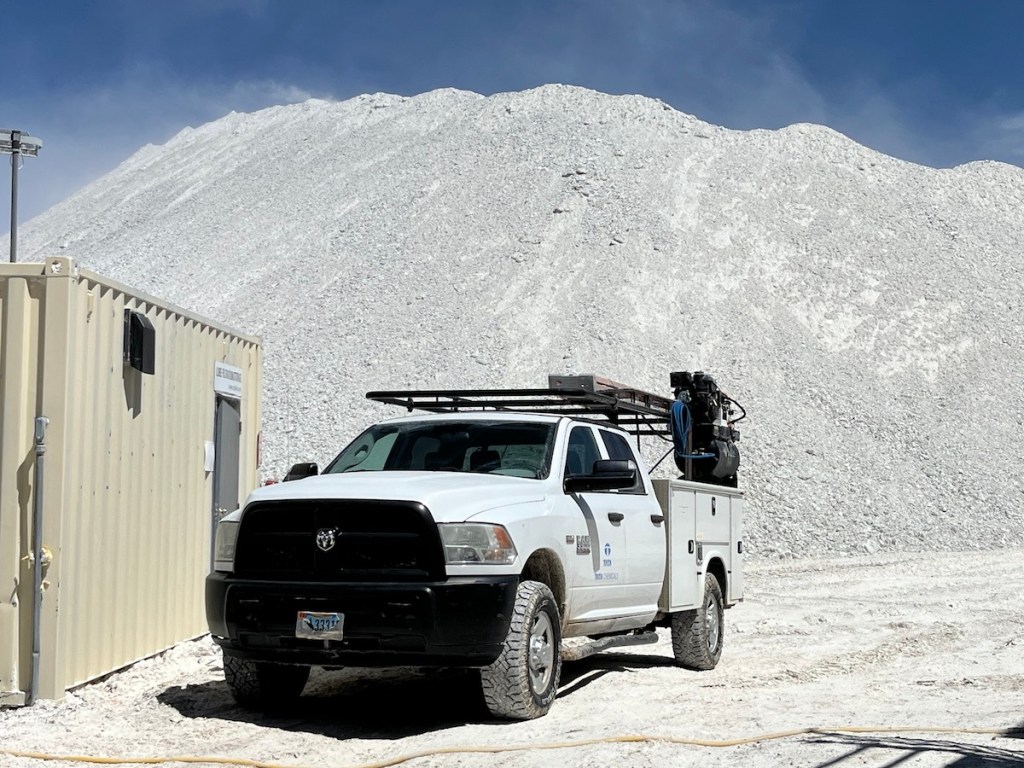
All of those minerals contribute to the energy supply chain, U.S. Gold Corp.’s Government and Community Relations Director Jason Begger said. The oil and gas industry relies on bentonite to drill wells, he noted. Soda ash from trona is vital in scrubbing toxins from coal smokestacks, and rare metals are essential building blocks for renewable energy components.
Yet Wyoming’s mining-friendly efforts don’t typically take those supposedly “non-energy” products into account, Begger said.
His company applied to the state’s Energy Matching Funds program, industrial revenue bonds and Wyoming Business Council loan programs and various tax exemptions, but “we were told we didn’t qualify.
“We tend to focus on the core legacy industries, but there are definitely a lot of opportunities for the non-energy products,” Begger said.
Earlier this year, lawmakers created a $105 million “Energy Dominance Fund” and extended a tax break to enhanced oil recovery producers. Last year, lawmakers gave coal producers a $10 million annual tax break and created a $10 million fund for companies that sell carbon dioxide for enhanced oil recovery. The efforts benefit the industries prioritized by President Donald Trump’s Unleashing American Energy and Energy Dominance initiatives, lawmakers said.
And they expressly exclude industrial solar and wind energy.
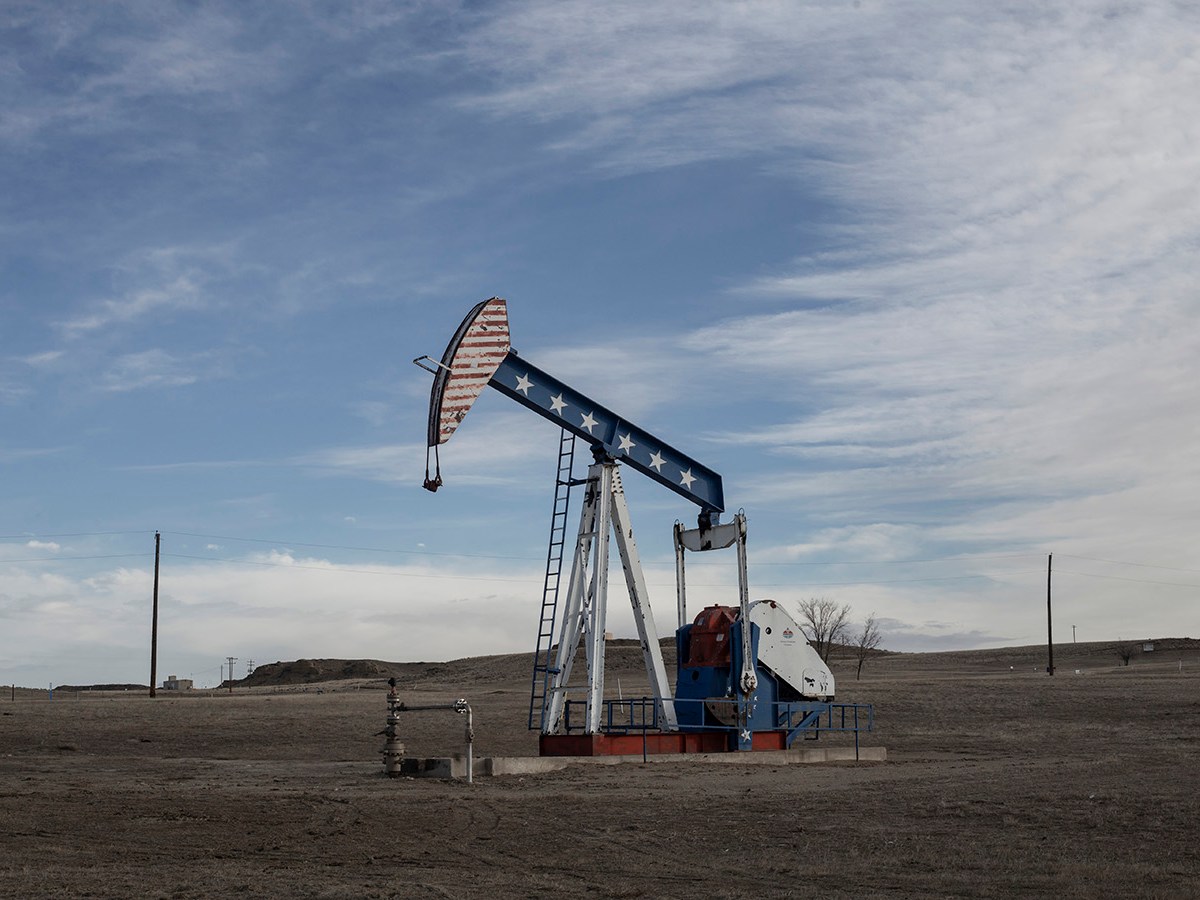
Yet encouraging the production of all minerals in Wyoming is a “symbiotic relationship” for energy, Wyoming Mining Association Executive Director Travis Deti said. “That’s your energy nexus, and it’s all geared towards energy generation.”
Obermueller, of the petroleum association, urged lawmakers to encourage state agencies to better coordinate efforts to promote energy development, including the Wyoming Department of Transportation, because industry is requiring more oversized loads.
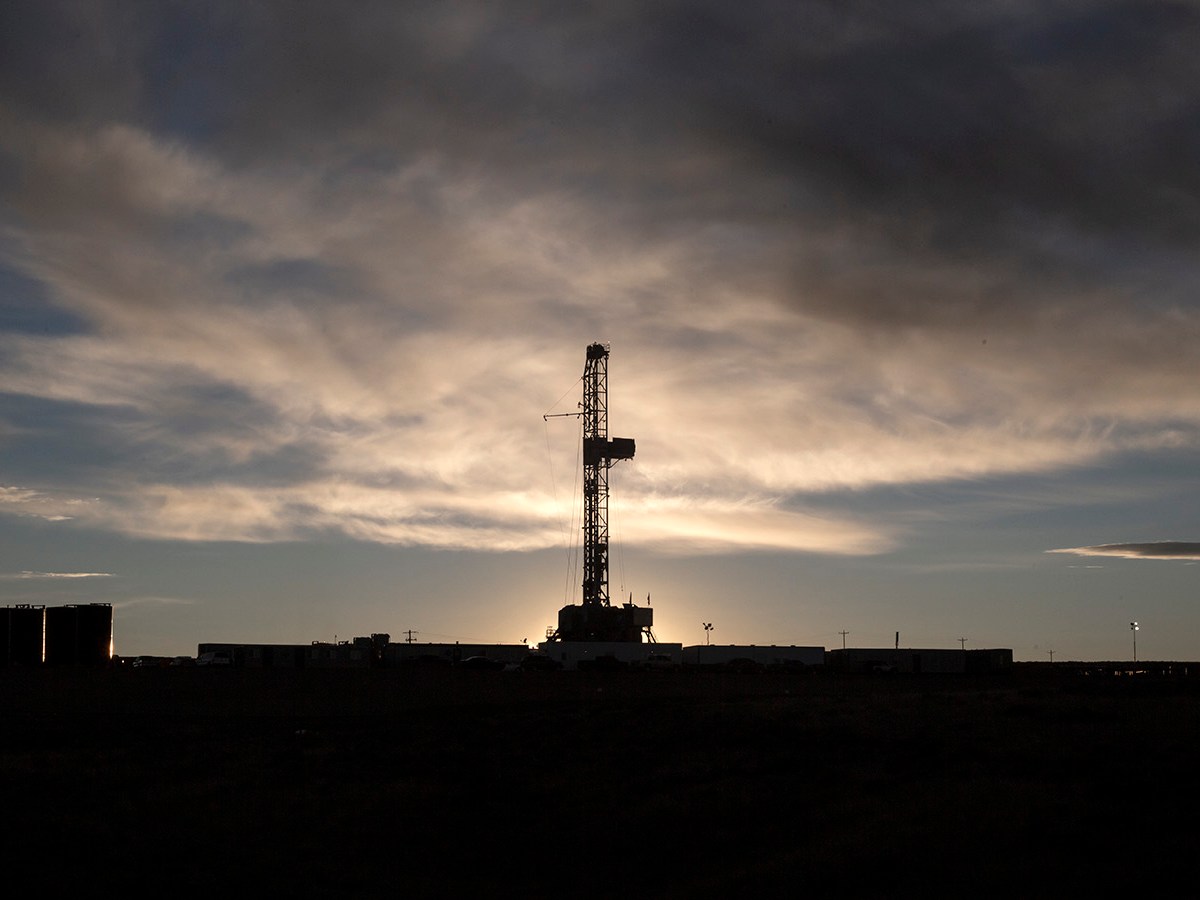
“[Drilling] rig moves are critical for us, and the timing of those rig moves are really critical,” he said. “And in terms of our own energy dominance, it is a bit of an impediment to us in some cases.”


Articles like this make it clear—if we want real energy dominance, we need serious permit reform. Projects shouldn’t be tied up for years while demand keeps rising. Streamlining approvals means getting infrastructure built, strengthening energy security, and putting skilled local 798 hands to work.
No subsidies for any company. If there’s a need they can go it alone.
It’s BS saying there will be an electrical shortage they are only giving less then .04 for hydroelectric power during peak usage while charging as high as .17 to the consumer. Wyoming public utility commission is representing the power companies not the consumer.