

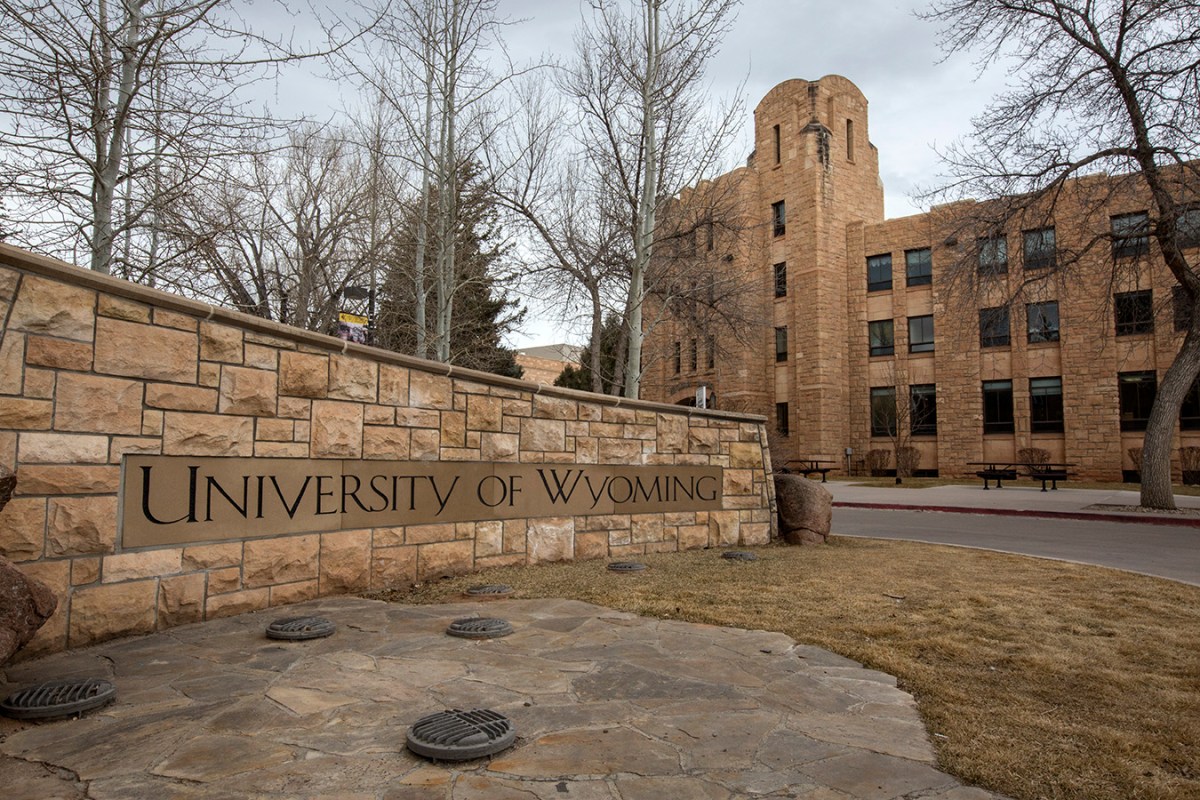
After a hand-wringing legislative session that put tens of millions in University of Wyoming funding in peril, the state’s lone four-year school is facing yet another fiscal hurdle — a roughly $15 million shortfall in operating money.
While overall university funding has increased from state appropriations, most of those dollars can only be used in specific ways, leaving the school in need of money it can use flexibly for routine operating expenses.
University leaders kicked off the school’s 2027 budget process last week with this news.
“We are really grateful to the Legislature this year for funding, pretty much fully funding, our budget, and the governor supporting that, and really supporting the university,” University of Wyoming Trustee Laura Schmid-Pizzato noted within moments of starting the two-day budget hearing. “With that said, we are facing some budget shortfalls.”
The $15 million shortfall stems from enrollment decline, inflation and reduced investment income, outgoing University of Wyoming President Ed Seidel said at the hearing. In a message Seidel sent to the UW Leadership Team ahead of the meeting, the president explained that net tuition revenue is less than previously projected. Utility and core infrastructure costs continue to rise. Investment income, which is less available than in previous years, can’t pay for recurring expenses.
“They just all conspired this year to kind of create the situation that we have,” Seidel said at the budget hearing.
These challenges aren’t unique to UW. For years, falling birth rates have foreshadowed a “demographic cliff” that would lead to a drop-off in college applicants. Seidel said at the hearing that the school will have to “fight very, very hard” just to “tread water with enrollment,” given that there are simply fewer college-age people.
To add to this pressure, the Higher Education Price Index forecasts a 3.6% inflation rate for colleges and universities in the 2026 fiscal year. “Like many universities, we are operating in a more constrained financial environment,” Seidel wrote in his message to the UW Leadership Team.
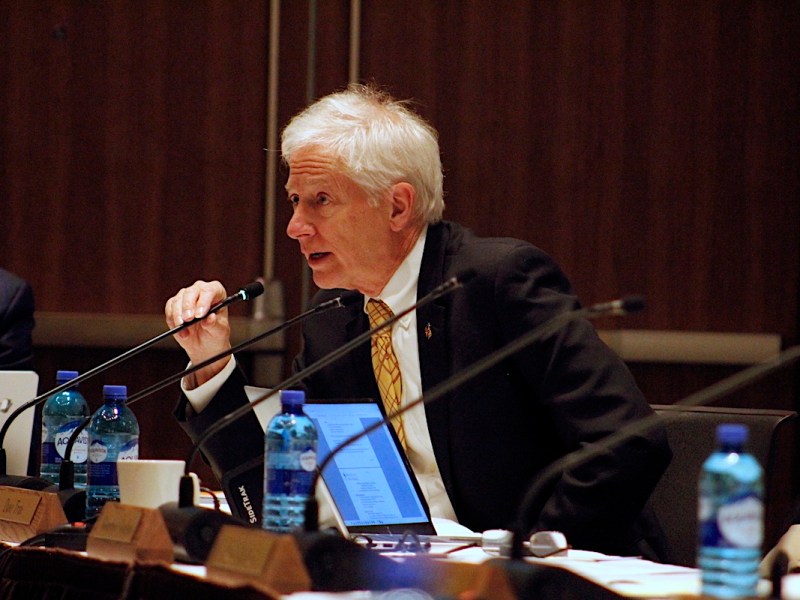

The university’s colleges and divisions will absorb about half of the $15 million shortfall, which will translate to roughly a 2% budget cut for each college, Seidel said at last week’s meeting. Leaders of each college and division will decide what cuts to make.
The school will assess these budget plans and results through quarterly checks, which will involve reviewing financial performance relative to budget, monitoring revenue, expenses and “emerging risks” and adjusting as necessary, the president explained in his message to the UW Leadership Team.
The other half is “intentionally unallocated” right now. This approach, Seidel said in the message, aims to make “space for thoughtful deliberation and shared governance” to align resources with the school’s priorities while considering trade-offs. Those discussions and actions need to happen by the end of the Fall 2026 semester, the president said.
The UW Leadership Team mulled the president’s proposed budget on May 5. The UW Board of Trustees, which must approve the budget, will review it on June 17. Seidel steps down as president at the end of that month. He will be replaced by Brig. Gen. Shane Reeves.

The financial strain facing the University of Wyoming is reflective of a broader, national volatility within higher education, compounded by significant shifts in federal policy. Since the start of the Trump administration’s “slash and burn” plan, the Department of Education has undergone substantial structural changes and funding realignments that have fundamentally altered the landscape for colleges. These policies, which prioritize fiscal austerity and reduced federal oversight, have created a climate of uncertainty regarding student aid, institutional grants, and research funding. This has forced public universities across the country to contend with shrinking federal support while simultaneously grappling with the fallout of a more restrictive approach to student loan programs, which has undeniably dampened enrollment numbers nationwide.
Furthermore, the Republican-led push to minimize the federal government’s role in higher education has placed the entire financial burden of sustainability directly onto state institutions and students. By pulling back on federal initiatives that previously buffered universities against economic downturns, the current administration has left schools like the University of Wyoming vulnerable to market fluctuations and demographic shifts. As enrollment figures continue to stagnate under this new federal environment, universities are finding that the “demographic cliff” is no longer just a distant threat but a present reality that is being exacerbated by a lack of robust federal support, ultimately forcing institutions to enact internal budget cuts to manage rising operational costs.
Wyoming went from boom to bust and UW just kept building.
It’s what Govt. does best.