

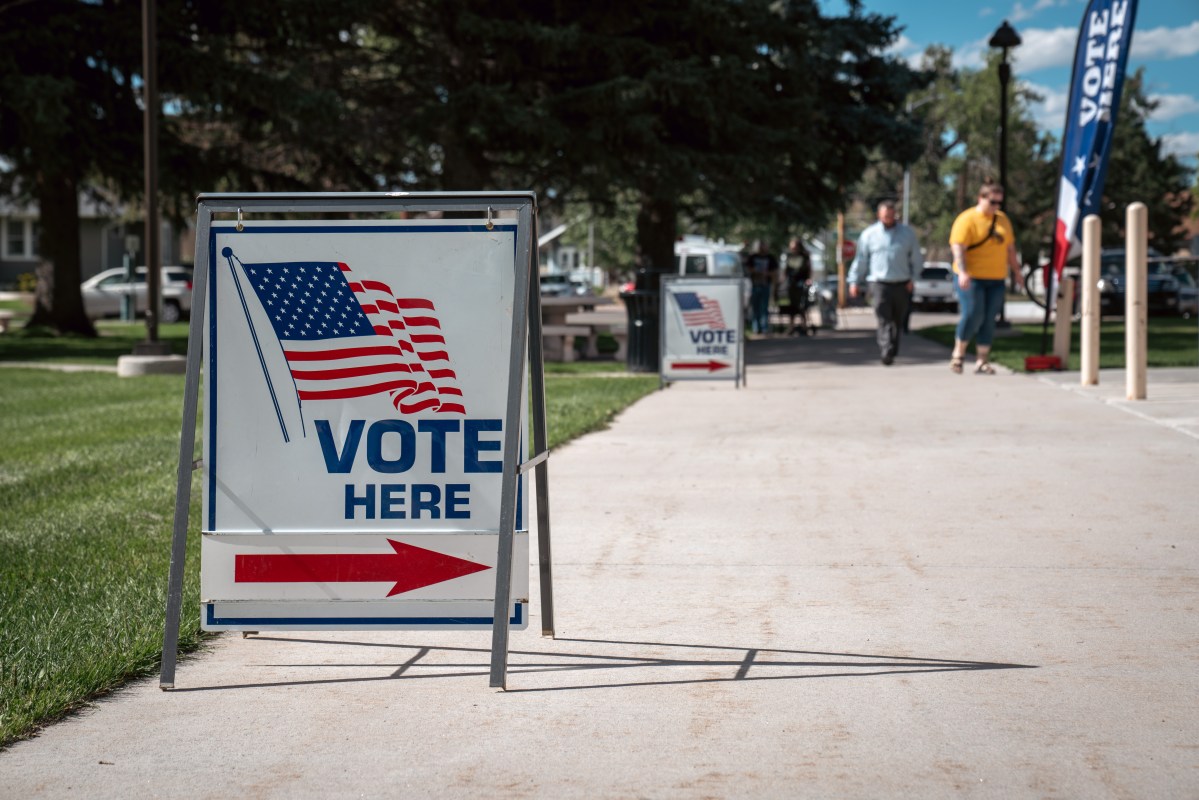
A federal lawsuit challenging Wyoming’s new voter registration law has drawn high-powered attorneys from across the country to the case, including several from a firm President Donald Trump hired to keep his name on the 2024 ballot.
California-based Dhillon Law Group and Colorado’s Gessler Blue are representing Secretary of State Chuck Gray, who the complaint names as a defendant in his official capacity alongside the state’s 23 county clerks.
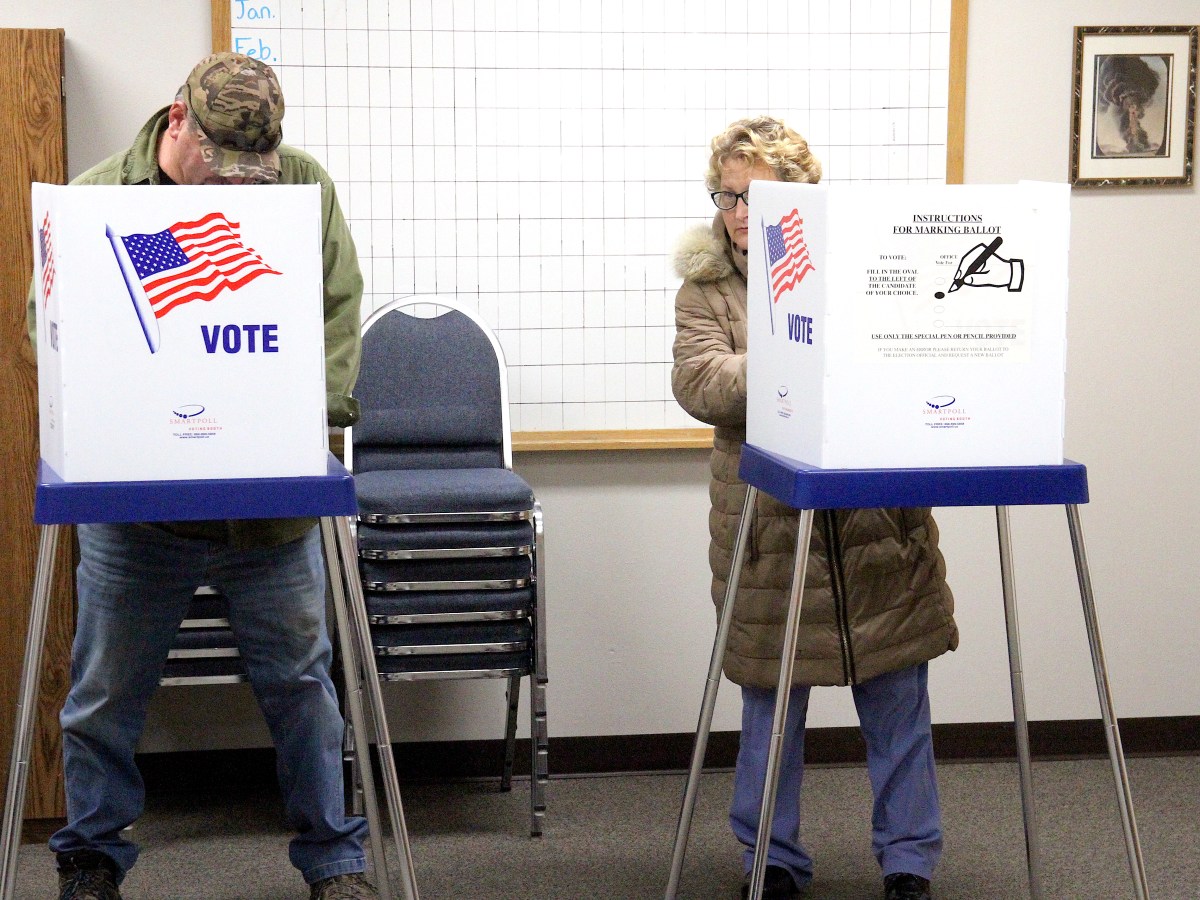
Set to go into effect on July 1, the law requiring a person to provide proof of state residency and U.S. citizenship when registering to vote, was a key priority of Gray’s and the right flank of the Wyoming Legislature.
Equality State Policy Center, a voting-rights group, filed a lawsuit in May, alleging the new law will impose an undue burden on the right to vote and is unconstitutionally vague as written.
Two firms represent the group — Colorado-based civil rights attorneys Killmer Lane as well as Elias Law Group, the country’s leading voting-rights litigators.
It’s not unusual for the Wyoming Attorney General’s office to contract with outside counsel. In this case, it did so at Gray’s request.
“The Dhillon Law Group, which was founded by Trump [Department of Justice] Attorney Harmeet Dhillon, as well as Scott Gessler, bring a wealth of knowledge and experience regarding election law and defense of the truth,” Gray told WyoFile in a statement. “They have shown themselves to be strong upholders of conservative values, including election integrity, when they worked with President Trump in the last few years on a variety of legal issues.”
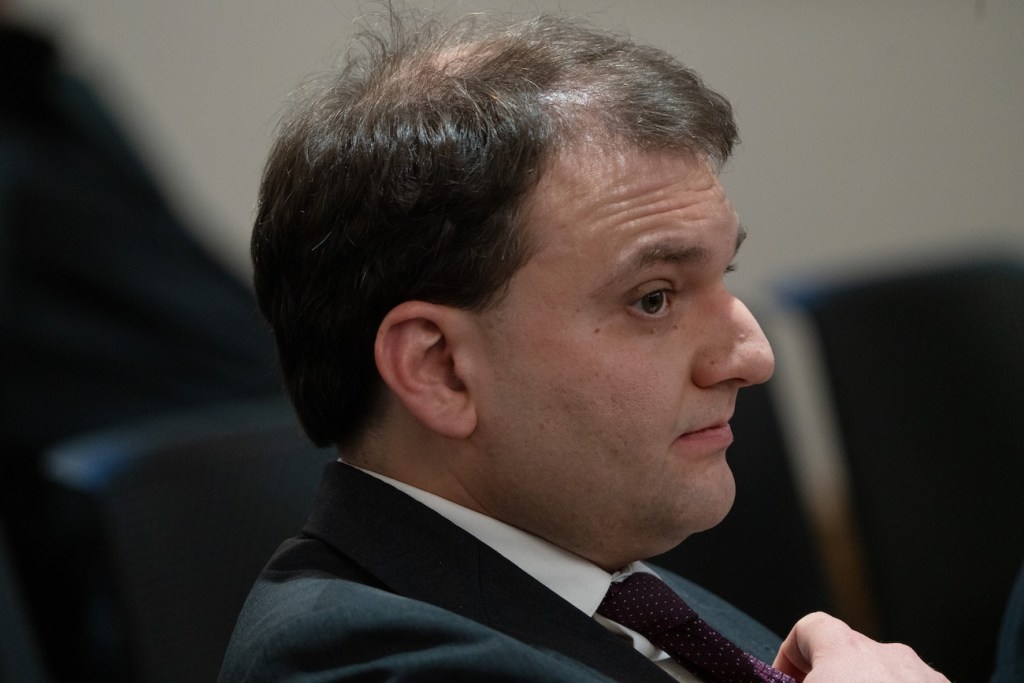
Cheyenne’s Falen Law Offices will also represent Gray, according to court documents.
The decision by both sides to hire high-powered attorneys raises the case’s profile and may indicate that a lengthy legal battle lies ahead.
Elias Law Group
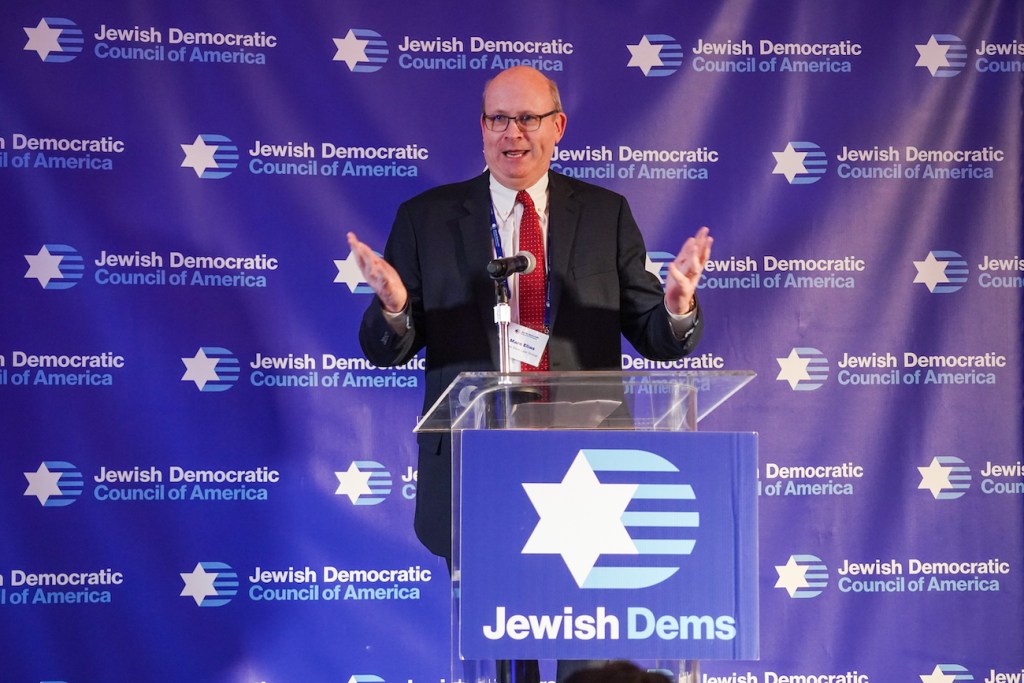
Before Marc Elias founded Elias Law Group in 2021, he served as general counsel for John Kerry and Hillary Clinton’s presidential campaigns. And when Trump took to the courts to overturn the 2020 election, Elias prevailed in all but one of 65 related lawsuits. In 2024, Kamala Harris’ campaign hired Elias in anticipation of election certification battles and mass voter challenges that ultimately did not materialize.
Currently, Elias Law Group is litigating 55 voting and election cases in 24 states, including Wyoming.
“We are proud to represent the Equality State Policy Center in this critical lawsuit because Wyoming voters deserve free, fair, and secure elections in which all eligible citizen voters are able to freely participate,” Elisabeth Frost with Elias Law Firm wrote in a statement to WyoFile.
“Every time a law like House Bill 156 has been passed it has caused citizen voters to be excluded from the process. Voting rights should not be a partisan issue and we are looking forward to making our case to the court,” Frost wrote.
Both Gray and the Wyoming Freedom Caucus criticized Elias Law Group’s involvement in the case, with the latter calling the complaint a “meritless lawsuit.”
Dhillon Law Group and Scott Gessler
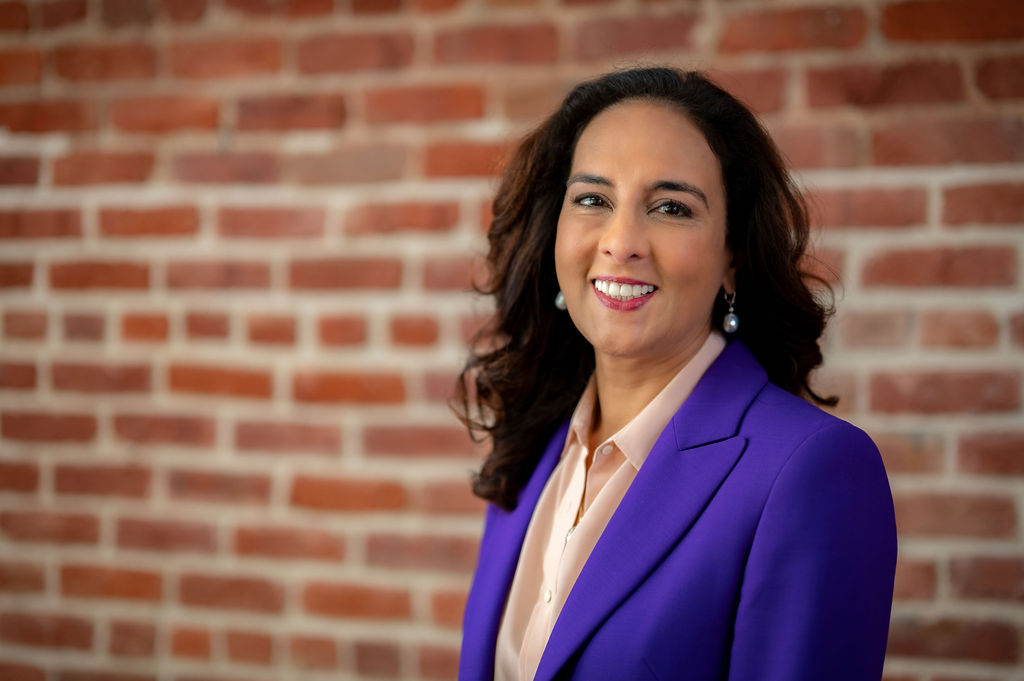
While Elias worked against the overturning of the 2020 election, Harmeet Dhillon, a legal advisor to the Trump campaign, aimed to get the case in front of the country’s highest court.
“We’re waiting for the United States Supreme Court — of which the president has nominated three justices — to step in and do something,” Dhillon told Fox Business at the time.
About 14 years prior, she founded Dhillon Law Group in San Francisco. During the pandemic, the firm sued California on behalf of those opposing stay-at-home orders and other restrictions. The firm also challenged the state’s switch to a mail-ballot election.
In the last presidential election, Dhillon represented Trump against state-level efforts to remove him from the ballot for his role in inciting the Jan. 6, 2021 riots at the U.S. Capitol.
That included a case in Colorado in which Dhillion worked alongside attorney and former Colorado Secretary of State Scott Gessler.
“Democrats are conspiring to commit the biggest election interference fraud in world history, right before our eyes, as government officials avert their eyes to the mockery of the constitution and our laws,” Dhillon posted on X at the time. “This is a low point in American history.”
Gray also weighed in on the case, joining two other Republican secretaries of state in filing an amicus brief opposing a court’s decision to disqualify Trump from appearing on the ballot.
Late last year, Trump appointed Dhillon to serve as the assistant attorney general leading the Civil Rights Division in the U.S. Department of Justice. Dhillon subsequently left the firm for the position.
The case’s current status
As part of its legal challenge, attorneys for Equality State Policy Center filed a motion for preliminary injunction, asking the court to prevent the law from going into effect while the case plays out.
On June 10, Gray’s attorneys asked the court for a three-week extension to file a response and to reconsider its decision not to hold a hearing.
“It is reasonable to assume that the plaintiff has spent considerable time — well in advance of filing its complaint — to compile this evidence,” Gray’s attorneys wrote, referring to more than 500 pages of evidence ESPC provided to the court.
“It would be unfair to limit defendant Gray to substantially less than two weeks to develop evidence to contest plaintiff’s claims. Defendant Gray anticipates that he will need to present the oral testimony of two to four witnesses, who will explain how Wyoming will implement the new law, thus enabling the court to fully understand the law’s implementation and effect on voters statewide.”

ESPC opposed Gray’s extension request, arguing that Gray’s public comments demonstrate that he “has been fully aware of this lawsuit and the preliminary injunction motion since they were filed.”
Ultimately, the court granted a partial extension to Gray, kept with its decision not to hold a hearing and highlighted an interview with the secretary.
“To be sure, outside counsel’s assertion that they need additional time to prepare a defense to the preliminary-injunction request is certainly undercut by defendant Gray’s public statements on May 27, 2025 that he was then in the process of working with outside counsel ‘on preparing that vigorous defense on the preliminary injunction,’” U.S. District Judge Scott Skavdahl wrote.
Gray has until Friday to file a response.

So much for fiscal responsibility here.
And we, the taxpayers, will be paying enormous legal fees to these outside law firms for Chuck Gray. Unbelievable.
and….WHO pays for these shysters?
Amazing that you have to provide proof you live here to hunt, fish, get a driver’s license, etc. but some people think you shouldn’t have to in order to vote. Ask yourself the real reason. There’s only one. If it’s too much of a burden to prove you live in WY to vote in WY then you don’t deserve to vote.
Harold, please read more carefully. This law doesn’t ask you to prove you live in Wyoming As you wrote. The law mandates that you prove U.S. Citizenship. A U.S. Passport costs around $150 last time I checked.
Kinda out of reach for a poor person,wouldn’t you agree?
So Harold most would agree with you. So why is a Wyoming drivers license or other ID adequate with a permanent address in Wyoming not adequate to vote? Simply because they are afraid that folks of color that are not citizens will vote. If you are third generation of Mexican heritage, do you really want to go get a passport for 150 bucks?