

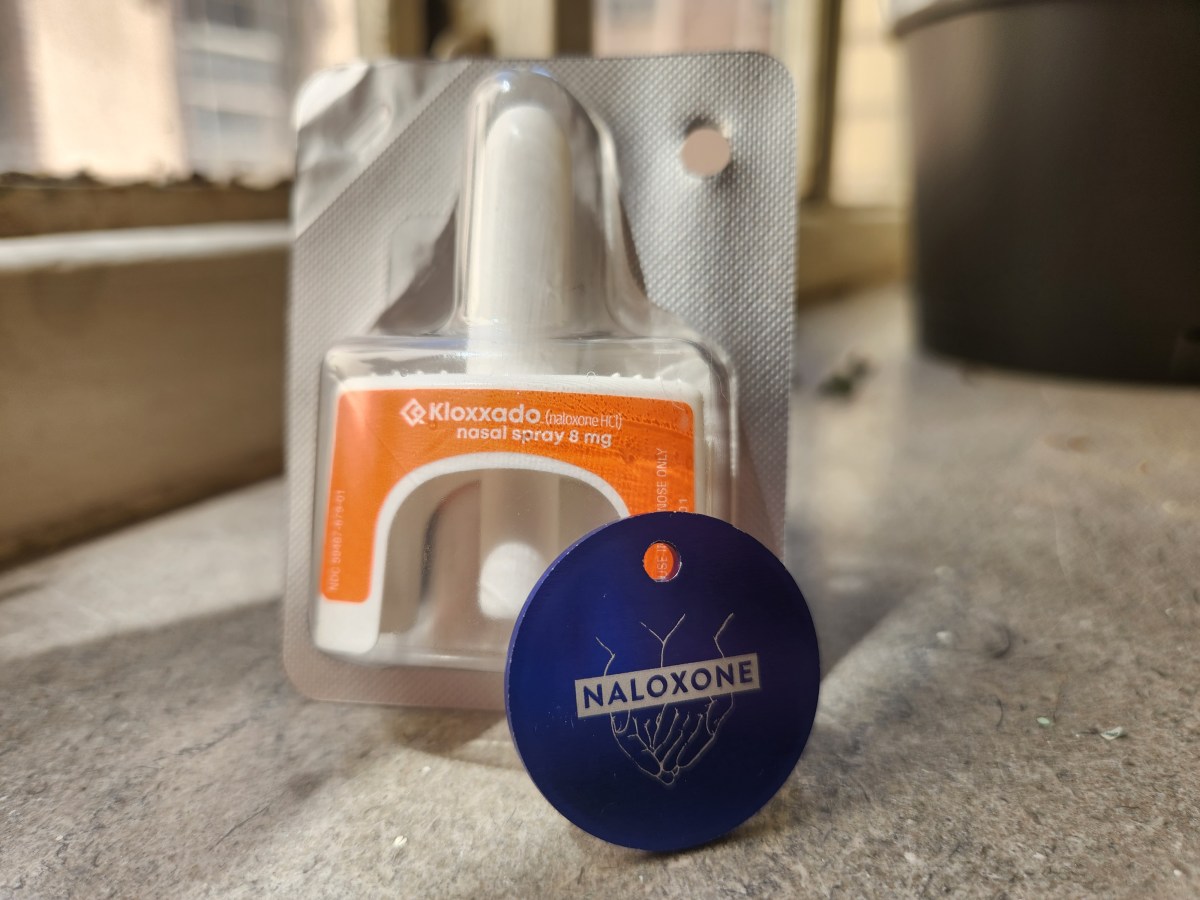
CHEYENNE—A Wyoming House committee has recommended that the Senate’s limitations on a bill to extend immunity for reporting an overdose incident be removed.
On Wednesday, the House Labor, Health and Social Services Committee voted unanimously in favor of Senate File 74, “Immunity for drug overdose reporting,” which would offer immunity to anyone seeking medical assistance for themself or another person during an overdose.
Immunity from criminal prosecution would only apply if the reporting person reasonably believed they or another person was experiencing a drug overdose, and if that person provided a description of the actual location of the drug overdose event. The reporting person would be required to remain at the scene of the drug overdose until a responding law enforcement officer or emergency medical service provider arrives, and would be required to cooperate with the responding officer.
Allen Thompson with the Wyoming Association of Sheriffs and Chiefs of Police told the committee that the immunity would extend to two misdemeanor offenses of possession of a controlled substance or use of a controlled substance. Misdemeanor possession offenses are tied to a low amounts of a controlled substance, or less than three ounces of marijuana and less than three grams of methamphetamine.
“Those are all low-level, user-type possession,” Thompson said. “Now, when you get into delivery of a controlled substance, or delivery of a controlled substance in excess of those amounts, felonies apply there, and those are not exempted.”

Rep. Rachel Rodriguez-Williams, R-Cody, asked Thompson how SF 74 would apply to a situation where an overdose victim did not necessarily know what substance they were using.
“What if there is a situation where you have a group that is using edibles with THC, and lo and behold, it is laced with fentanyl?” she asked.
Thompson said that in that case, the immunity would still apply.
“There are various things that can be in these substances because they are not regulated,” Thompson said, adding that Wyoming law enforcement is seeing carfentanil, a drug more powerful than fentanyl, in the state.
“They had what they thought was weed, somebody has an adverse reaction to it, and they are afraid to call,” Thompson said. “You are not going to be prosecuted with a misdemeanor if we just get people the help they need, and we are truthful about it. That is what we are trying to do.”
Committee: Remove Senate amendment
In the Senate, lawmakers approved limitations on immunity for reporting an overdose to twice a year, and included a provision that a person experiencing a drug overdose event would only be eligible for immunity after a second report once they complete drug treatment.
On Wednesday, House lawmakers and members of the public expressed concern that the limitations could create confusion, potentially delaying lifesaving care. Wyoming is the last state to consider immunity for overdose reporting, and only six states limit the times someone can receive immunity, Associated Students of the University of Wyoming Director of Community and Governmental Affairs Sophia Gomelsky told the committee. Gomelsky said the bill should be “as simple as possible.”
“Adding limitations like you can call for help once, and then maybe twice if it has been a certain period of time, might just make it too confusing,” she said. “If someone is panicked at a party, we don’t want them to be trying to Google on their phone what the statute is, or if they think it counted for them last time they called for help for somebody.”

Dr. Angela Farrand with the Wyoming Naloxone Project told the committee that to be effective, the Senate amendment would take work in the House.
“I know that there was discussion on the treatment provision, and who would be responsible for that, especially if there would be immunity. How they would get into the court systems to go into a court-ordered treatment program,” Farrand said. “I wouldn’t say those are problems, but those are likely barriers that need to be discussed further as the bill progresses.”
Rep. Ken Clouston, R-Gillette, moved to delete the Senate amendment.
“I think it confuses the issue. If someone has gone through this a couple times, hopefully they are getting treatment, but I don’t want people out there trying to determine ‘Johnny has already gone through this once or twice’,” he said. “The goal, for me, is to help people and save lives.”
Rep. Darin McCann, R-Rock Springs, said he could not support removing the Senate’s amendment on the grounds of keeping “personal responsibility” in the bill.
Rep. Joel Guggenmos, R-Riverton, said that he would prefer SF 74 include a requirement that statistics be kept on reporting incidents to track potential “repeat offenders.”
In the end, both McCann and Guggenmos voted in favor of advancing the bill with the Senate limitations removed. Guggenmos voted in favor of the amendment to remove the Senate limitations, while McCann did not.

Drug addicts are all lost souls. Saving them from OD to OD again is pointless. Cutting off supply and hanging the dealers and runners would be good start.