

Ignore the guys at work and their water-cooler talk of “foreigners” and “criminals who finally will get what’s coming to them.”
That strategy has served Liz (not her real name, see below) well, so far. If nothing else, it keeps her from dwelling on things she shouldn’t.
Such as the decades of hard work, sacrifice and contribution — learning a second language, missing weddings, funerals and births, volunteering at the food bank, coaching little-league soccer, building a business, creating jobs, sending kids to college — that haven’t secured for her the basic human rights that winning the birth-geography lottery would have.
She understands that trying to make sense of her situation would only make trouble.
It might, for example, start her thinking about her quiet, American, teenage boy, the illness that nearly killed him, and his chances of survival in Mexico, a place he’s never been. Would he be better off stateside, without his parents? How do you make that choice?
Open the door to questions of that ilk and soon you’re on a slippery slope to worrying about narco cartels (funded by American appetites) perpetrating violence (with American guns), and “you know… how Mexico is now.” Could you bring your life savings with you? Should you? Would it matter? What future could your kids hope for there?
Once you’ve reached that line of inquiry it’s too late to head-off the tears, the racing pulse and “that drowning feeling again.”
And you can’t afford that. Panic attacks attract attention.
So ignore the talk. Focus, instead, on those few things you can control.
Triple check your tax return. Make sure each bill is paid early. Document everything. Make multiple copies of your records. (Two decades of navigating the system has yet to help you, or your lawyer, predict what immigration officials will require next, but it has taught you that the longer the paper the trail, the better).
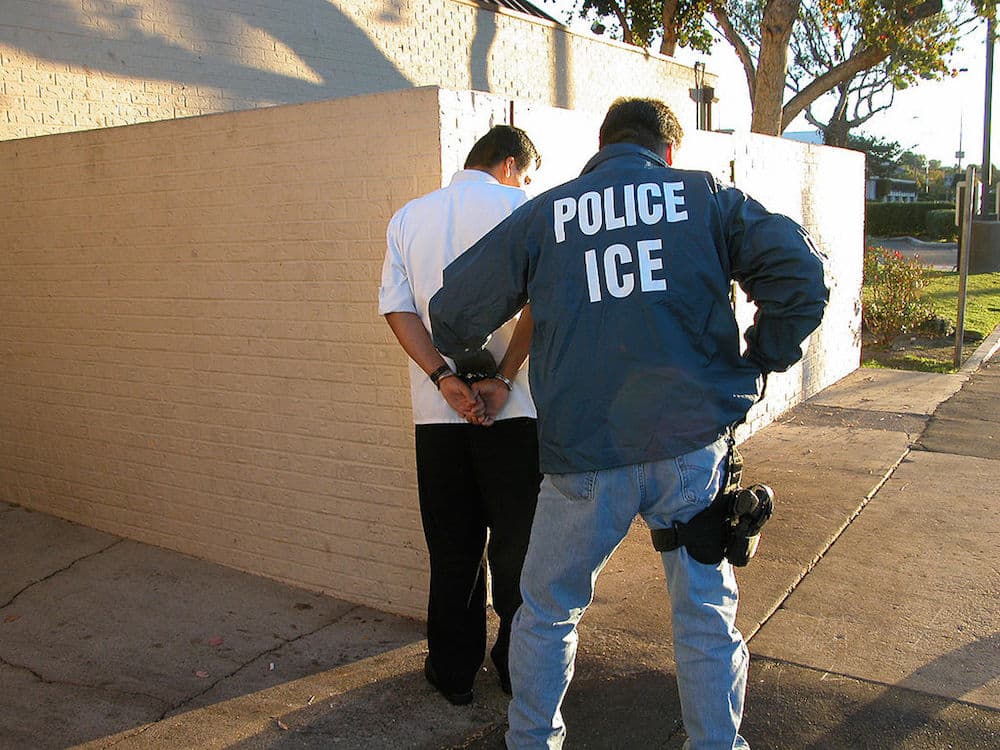
Don’t go to Casper, Denver, Salt Lake City or anywhere else that ICE raids dominate the rumor mill. In fact, avoid everywhere but work and home. Keep the car in meticulous working order. When you have to go out, drive very, very carefully.
Politely refuse to turn the deadbolt unless police slide a valid warrant under your door. Even then, read it carefully. Pray you never need to call 911. Do not lie to the authorities, ever, but know which questions you do and don’t have to answer.
Make guardianship and asset transfer arrangements for your kids, just in case. Establish the necessary powers of attorney.
Take your anti-depressants.
Never miss a Know How — subscribe to WyoFile’s free weekly newsletter
They may help you stop wondering where, after a decade of toiling side-by-side, your coworkers’ newfound venom is coming from.
Take solace in not hearing it from the boss. Remind yourself that he knows who gets the job done. Hope that that will continue to be enough.
WyoFile spoke with eight undocumented immigrants, from numerous countries, living in various communities around Wyoming, about their experiences for this story. We’ve agreed to not publish their names. “Liz” is based largely on one woman, but her story includes features and anecdotes of other interviewees as well — Ed.


Most illegal immigrants – 99% – are not escaping some threat so great that they must leave home for the USA. The are economic immigrants. Go read the March 25-26 weekend Wall St Journal story on the harm that these immigrants, and the legal ones, do to America’s working class.
Sure, immigrants are like modern-day slaves in terms of the economic benefits to some people like the middle and upper class who get a subsidized lifestyle at the expense of immigrants and many American workers. Many companies in Jackson go out their way to AVOID hiring Americans so that they don’t have to pay living wages. It takes housing off the market for Americans and resources are redirected to the immigrant community at great expense to taxpayers. Going to Mexico to find labor while African Americans are unemployed at twice the rate of white Americans is shameful.
Funny how liberals talk about equal pay for equal work and then they support ideas that just depress the pay of women and men.
Immigrants, legal ones, can provide many benefits to Wyoming and the USA. However, if the only reason to have them here is to transfer the value of their labor into the pockets of people too greedy to do right by them and fellow Americans then CLOSE THE DOOR.
Karen Melchen, yes many immigrants work in the service industry for low wages. Somehow the efforts to control immigration always fall on the backs of those people, almost never on those who hire them. It would be easier, cheaper, and more humane to target the thousands of people who thrive because of using cheap immigrant labor, rather than the current effort to deport millions of people regardless of individual circumstances. The country and Wyoming would benefit from a reasonable immigration policy that would provide improved access to legal immigration. But we apparently prefer to spend billions on trying to keep immigrants out rather than the much cheaper option of controlling hiring practices. We don’t have much of a program for temporary seasonal labor, as those with political clout prefer the black market option where there are no regulations to protect workers.
The best thing going forward for Jackson Hole is to deny ANY immigrant labor to be employed in Teton County. We have plenty of under-employed and unemployed African Americans in the USA. We don’t need immigrants.
Additionally, immigrants allow the business community to expand operations beyond what the community can naturally support. No one in their right mind would build a 500-room hotel in Kirby, WY. There aren’t enough workers or visitors. We allow hotels to be built in Jackson knowing full well that we don’t have the housing for their employees or all the other employees needed to service their new hotel and their new guests. A hotel’s business plan from day one is to pay low wages, provide no benefits to seasonal workers, and to hire immigrant labor. All of which makes our local nightmare housing crisis worse and the ability of Americans to support themselves harder.
“We don’t have much of a program for temporary seasonal labor.”
GOOD. That would naturally limit growth in Jackson and increase wages. Immigrants have distorted the natural growth rate of Jackson and turned Jackson Hole into a over-crowded community with low wages and no housing. We don’t need MORE businesses in Jackson that need seasonal labor that isn’t properly compensated and can’t be properly housed. We don’t need MORE visitors. We have employees sleeping in tents. We need fewer visitors. We need visitors who will pay for the true cost of goods and services, not a subsidized cost. Not only does that help the ecosystem but it helps the economic engine stay on path that’s more in line with a sustainable reality.
America should spend billions keeping people out of the country who choose to enter illegally or overstay a visa. The USA should stop bringing in cheap legal immigrant labor which greatly harms American workers.
If Linda Anderson wants to sleep in a room with 10 other adults, see her earnings decreases, her standard of living decline, health care continue to be out of reach, her taxes and social services redirected to Mexicans (etc), she can move to Mexico and make the world a better place down there.
Do to them what their home country would do to USA citizens if caught in their country ILLEGALLY. Are USA citizens afforded the same things these illegals receive in our country ?
They need to fight to straighten their home country out if it is uninhabitable. Why come here and not assimilate to OUR culture but take all free hand outs. A high percentage of them come to just TAKE and not give. And it is BS that the only jobs they want are low wage manual labor jobs–Packing houses start at $15-$18.
It is unsustainable for our country to keep giving these people a FREE ride.
Tim Hebb, did you read the article? The “free ride” exists only in your imagination. “Liz” works hard, pays taxes and volunteers in the community, not a free ride. How is working at a packing plant a free ride? People who work pay taxes and contribute to Social Security and Medicare, and spend money at American owned businesses. That benefits everyone. The idea of fighting to improve their own countries sounds noble, but the reason some immigrants come to the US is because the violence is so bad they have little chance for the survival of themselves or their children. Immigrants contribute a lot to our country, as they always have over the past 200 years, whether they work as laborers, or are in technology or medicine, or start a business. They bring hard work, new ideas, and new food, art, and music. Some immigrants have trouble finding work because of their illegal status, and some are rounded up and kept in prisons just for being here. Our nation is not really kind to many of them. We could do better–they are just people, very much like you and I.