
Wyoming’s new school funding model added more than $250 million in state education funding, including for widely supported teacher raises, to be spread across Wyoming’s 48 districts over two years.
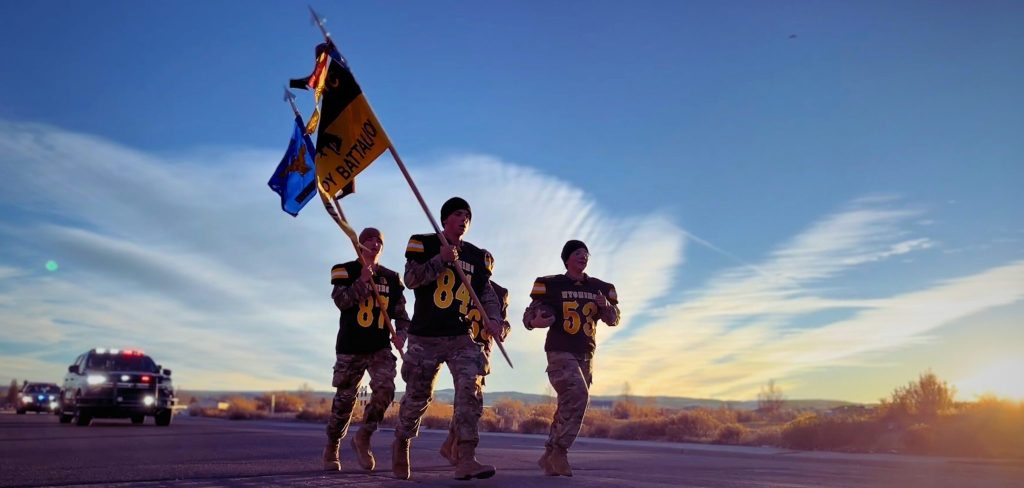
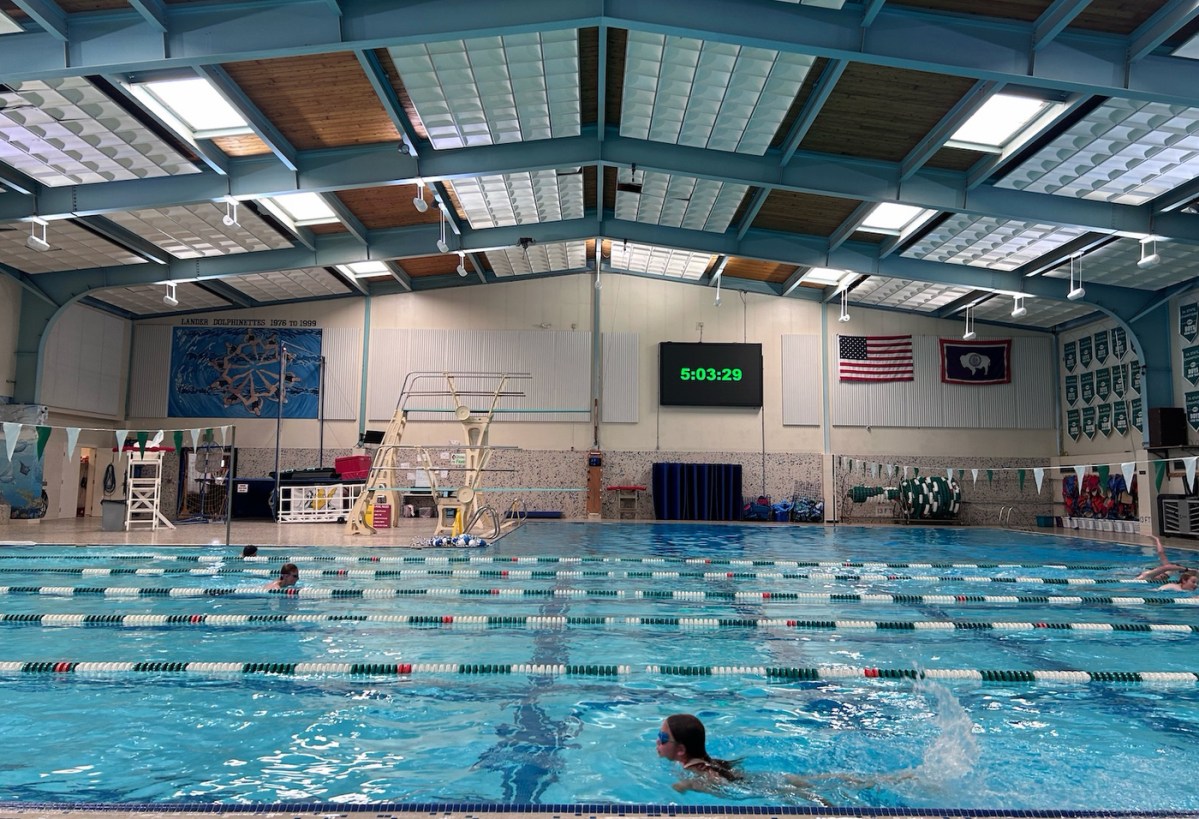
But school districts also encountered shortfalls and new constraints, particularly related to funding activities like sports and theater. The new model resulted in disparities — giving 26 districts an increase in funding for activities, and leaving 22 others with shortfalls. A statewide association projected funding for student activities would take a $3.9 million hit, and warned of cuts, consolidation or other belt-tightening for activities prized by many students and families.
On Wednesday, the Wyoming Legislature’s Select Committee on School Finance Recalibration advanced a bill supporters see as a good fix for the activities conundrum.
The concept is to give each district the base amount it takes to fund an essential activities program at the smallest level, and then adjust based on district size. It would cost almost $11 million in Wyoming’s school foundation program funds for one year.
Laramie Democratic Sen. Chris Rothfuss called it a sensible solution.

What the committee has learned is “that districts were effectively using teacher salaries to support activities because we were insufficiently funding activities,” he said. “The testimony that we’ve heard, the data that we’ve seen shows, in my opinion, that we were about $10 million short, and this ends up with a system that adds it back about $10 million. So I think this is a good approach to bridge that gap.”
The committee agreed to sponsor the bill by a slim margin, voting 6-5. The vote means it will go into the session with committee backing, which has historically lent gravitas to legislation.
Golf, cheer, speech and debate
After the school funding bill passed the 2026 Legislature, Gov. Mark Gordon let it go into law without his signature, arguing it would strip local control and could impact noninstructional expenses related to things like activities and nutrition.
It wasn’t long before concerns bubbled up from the activities association and districts. Most districts indicated they could rely on carryover funds to support activities in 2026-2027, according to the association, an approach that is “widely viewed as a temporary, one-year solution rather than a sustainable path forward.”
Recalibration committee members worked over the summer to find an activities-funding fix. Jackson Democratic Rep. Mike Yin was the chief architect of the bill the committee passed Wednesday. He worked with education stakeholders to develop it. What he discovered was that the state has long underfunded activities, he said, which he attempted to rectify.
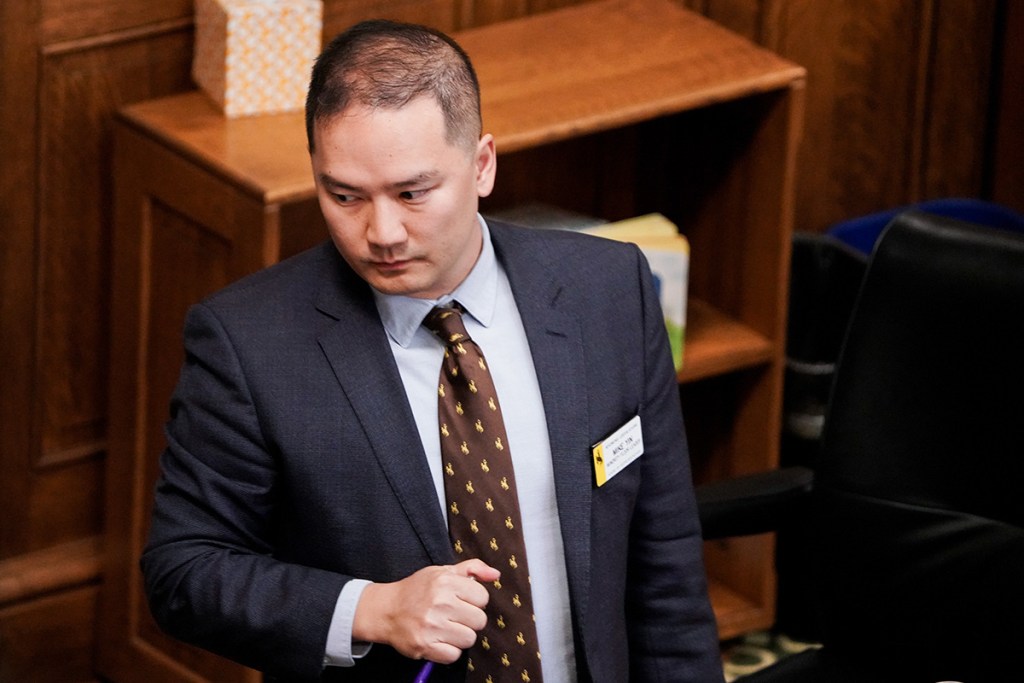
“We heard from people saying we didn’t want to cut student activities,” Yin said, “and so what I tried to do as best as I could is just model towards our actual expenses for school districts on activities, so we don’t give them less than what they currently spend on activities.”
Yin and stakeholders referred to their bill as a “cost-based-plus” model that would be scalable from tiny districts to large ones.
It wouldn’t benefit all districts. The formula would result in estimated funding increases for 34 school districts, estimated decreases for 13 school districts and no
estimated change for one, according to the Legislative Service Office. But, supporters said, it would “right-size” the funding.
The committee considered two other options: doing nothing, which would keep the status quo, or advancing a bill to revert the activities funding to the way it was before the 2026 school funding bill passed.
Even though Yin’s bill represents the most expensive option, Sheridan Republican Rep. Tom Kelly supports it.
“I am typically very averse when I see the larger price tag,” Kelly said. But in this case, he said, the value of high school activities is large enough to warrant the cost.
Funding mandates and court decisions
The Legislature is constitutionally required to fund Wyoming’s public schools and is tasked every five years with a “recalibration” process. The undertaking involves assessing the state’s school funding model and making necessary updates.
The latest recalibration came in the wake of a 2025 court decision that Wyoming was violating the state’s constitution by underfunding its public schools and must remedy that.
Wyoming appealed that decision. In September, months after the new funding bill passed, the Wyoming Supreme Court ruled that the state has failed to adequately fund K-12 teacher salaries and properly account for inflation. But the court struck down other portions of a lower court’s finding that Wyoming has a constitutional obligation to pay for school resource officers, student nutrition and computers.
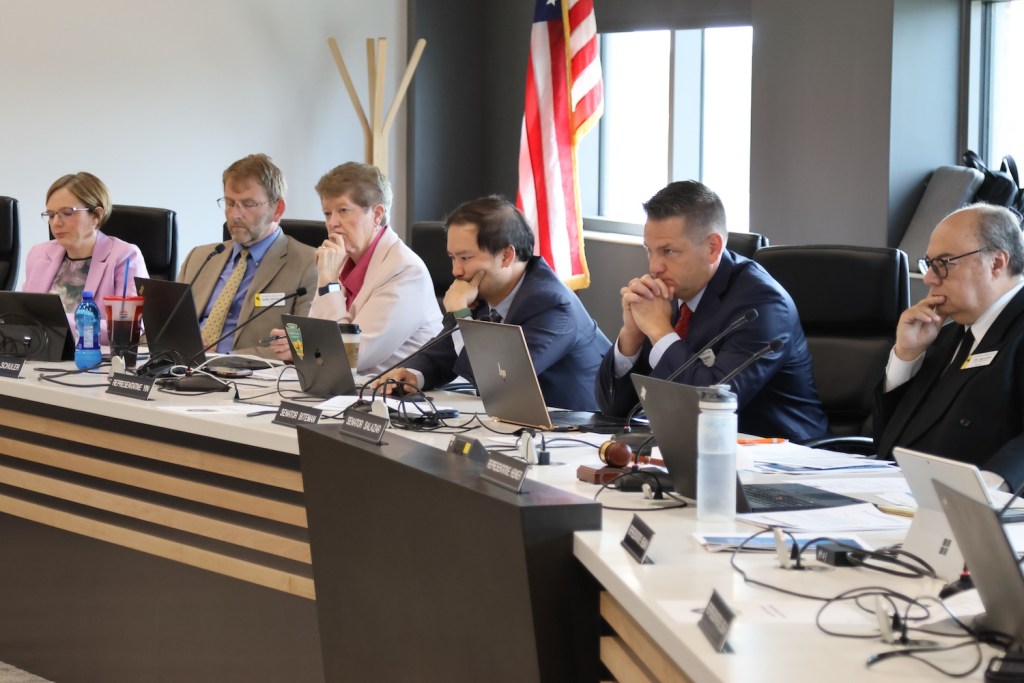
The recalibration committee discussed the ruling’s implications with an attorney in executive session on Wednesday morning. Members then voted against sponsoring a bill to fund technology needs, with critics like Kelly questioning the wisdom of adding screen time for young children. The committee also tabled bills concerning nutrition and school resource officers.
Committee Co-Chairman Rep Scott Heiner, R-Green River, said lawmakers still want to explore funding school officers and nutrition programs, but not through recalibration.
The latest Supreme Court decision stemmed from a 2022 lawsuit against the state by the Wyoming Education Association, which represents more than 6,000 of the state’s public school employees. On Thursday, WEA President Kim Amen said the committee’s decision to table those bills was disappointing.
“Ninety-three percent or more of our students go to public schools, and we should be funding them accordingly, not based on ‘well, we don’t have to fund food because the court said we don’t,’” she said.
The committee will meet again in December.