

Opinion
If there’s one thing all Wyomingites can agree on, it’s that abundant wildlife is intrinsic to our quality of life. No matter what corner of the state we live in or travel through, we’re graced by many cherished wildlife species. Pronghorn are no exception, a true icon of the American West.
The Sublette herd is Wyoming’s largest. The route this herd uses to reach seasonal habitats is long studied, well-mapped and celebrated internationally. It’s referred to around the world as the “Path of the Pronghorn” and represents one of the last, nearly intact big game movement routes on the planet.
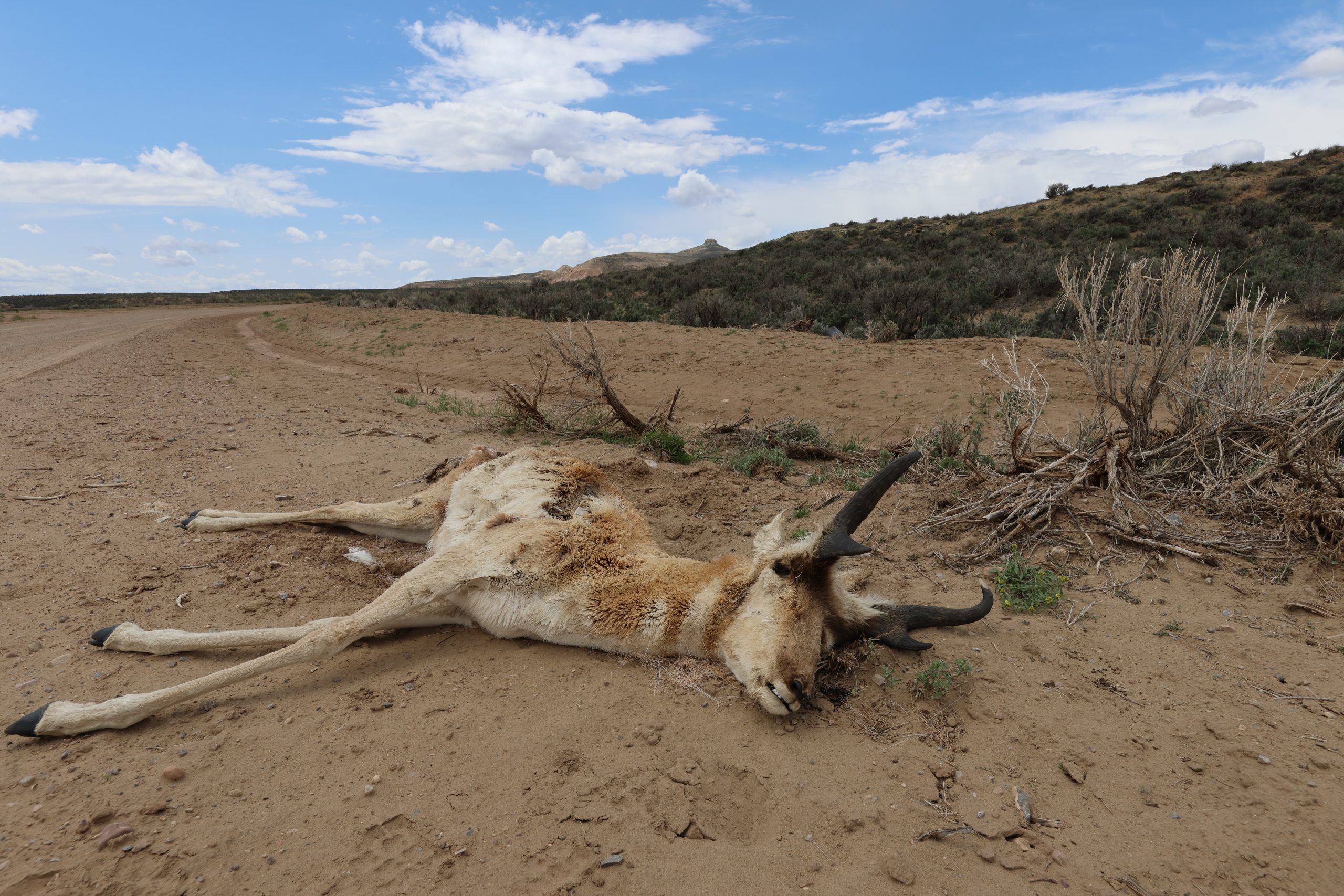
If any herd deserves our support right now, it’s the Sublette pronghorn herd, which suffered greatly this past winter, with record snow levels and the emergence of disease. It’s estimated that nearly 75 percent of the herd perished due to the harsh conditions.
To add insult to injury, earlier this month the Office of State Lands and Investments auctioned multiple parcels for oil and gas development in this herd’s crucial habitat. One parcel in particular — parcel 194 — is located squarely within a known “bottleneck,” where movement is already narrow and tenuous. Development in this pinch point area, a spot where thousands of pronghorn cross the New Fork River, could severely impact their ability to reach the key habitat they need to thrive.
Public requests to the Wyoming Game and Fish Department, the Office of State Lands and the governor’s office to remove just this one parcel from the auction were unsuccessful. A high bidder, willing to pay $19/acre for the right to develop it, was identified on July 12.
But there’s good news: Gov. Mark Gordon and the State Board of Land commissioners routinely consider all parcels that receive bids and determine which ones to authorize. At the upcoming Aug. 3 State Lands Board meeting, they will hear testimony from the public and they can — and we hope they do — decide to withdraw this parcel.
The large die-off of pronghorn this winter comes as a sober reminder that we need to continue to identify and safeguard key wildlife habitat, especially bottleneck areas.
We’re surely not so poor a state that we should risk the collapse of this iconic herd for dollars an acre. As the Code of the West states, “Remember, some things are not for sale.”
Our herds deserve better. And future generations deserve a Wyoming that still boasts robust and free-roaming wildlife herds. It’s up to us to speak up now when it matters most: https://lands.wyo.gov/contact-us.

The best available science is in place and is well published. The counties, Particularly Sublette County, the state of Wyoming and the BLM must include the documented migration routes in their land use plans – some oil and gas production can still be possible by angle drilling and multiple wells from one platform. There is no excuse for the BLM approving a solar farm straddling the highway near Pinedale and forcing the antelope to migrate down the highway. Wake up!!! Solar farms will be destroying tens of thousands of acres of habitat and interfering in migration routes if the public doesn’t fight back. Green energy is not a magical cure for energy impact from oil, gas and coal – it will have the same effect – and Wyoming’s fragile ecosystems will be compromised for green energy in Las Vegas, Phoenix and LA – are you willing to sacrifice Wyoming habitat so they can have EVs without the impact in their backyard????
Yah, I think it would be much better to use that land for Solar Farms. I am thinking the antelope and sage grouse can navigate with no problems what so ever that terrain and coexist. We need to make all of Wyoming Solar Farms and Windmills because they are no threat our beautiful birds either.
We should, as the public be able to lease these lands and improve them!
Don’t just comment folks, follow the link & let the State Lands Board members know what you think! https://lands.wyo.gov/contact-us
I worked for Colorado Interstate Gas and was in the energy production fields many times. I saw lots of wild horses, pronghorn and sage grouse grouse seemingly I bothered.
100% and wholeheartedly AGREE !!
Well, it’s refreshing to hear that despite all the hype about developing as much land as possible for fossil fuel extraction, that the state of Wyoming is also willing to claw back some critical habitat for a iconic western wildlife.
Cheers Wyoming!
The Pronghorn is the most incredible hoofed animal on the planet He/she can run for miles at 45 mph due to such an incredibly efficient cardio/respiratory system. Every one is no different from every human in that it has equal rights to inhabit our planet. Allowing this mass slaughter by huge trucks is disgusting. Can’t we have any place where wild critters of every note are valued on this “great” country?????
HOORAH to that !!