

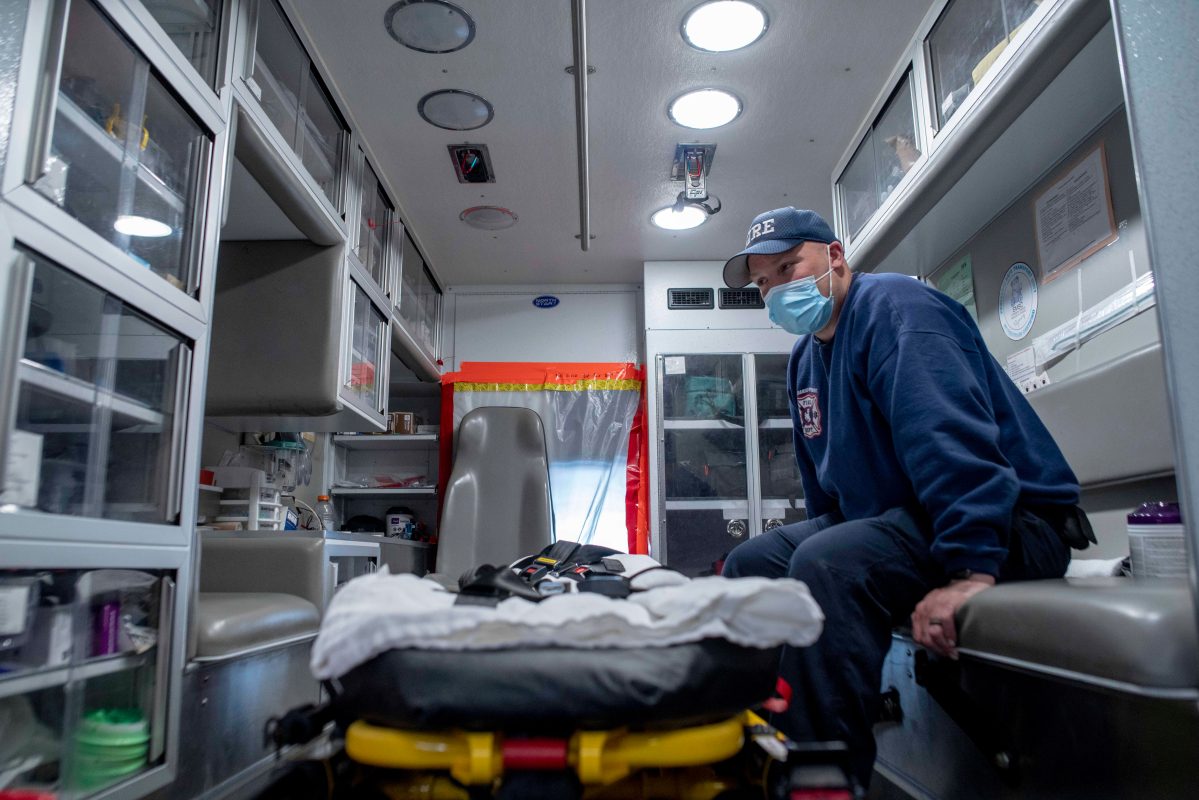
A legislative committee advanced a bill Monday to increase reimbursement for ground ambulance services in Wyoming.
If passed into law, Senate File 4, “Medicaid rate increase-EMS services,” will represent the first increase in more than a decade for statewide EMS providers, who have struggled to cover the high fixed costs of serving Wyoming’s rural populations with an ever-dwindling volunteer base.
“It’s been a long time since these have been touched,” said Jesse Springer, a Medicaid division administrator with the Wyoming Department of Health.
The House Labor, Health and Social Services Committee advanced the Senate measure, sending it to the House floor for further consideration.
On the other side of the chamber, a Senate committee advanced a measure to authorize freestanding birth centers to be covered by Medicaid for births.
House Bill 4, “Birthing centers-Medicaid coverage,” brings the state into compliance with federal law and the Affordable Care Act by adding licensed birthing center services to the list of authorized Medicaid services.
The House bill will aid health care access for maternity care, supporters say, which is another service that’s struggled to be sustainable in recent years.
Though health officials see huge promise in the hundreds of millions of dollars Wyoming is expecting to receive through the federal Rural Health Transformation program, advocates say these smaller Medicaid measures could also help the state address some of its most intractable rural health challenges.
Boost for EMS
In Wyoming, 44 EMS providers service approximately 77,000 calls per year, according to the health department, including 911 response and inter-facility transfers.
Because EMS services must be prepared at all times to respond, the costs of sustaining them are high, WDE Deputy Director Franz Fuchs told the committee. The average annual cost for operating a basic-life-support ground ambulance, when factoring in personnel and other expenses, is $500,000, he said.
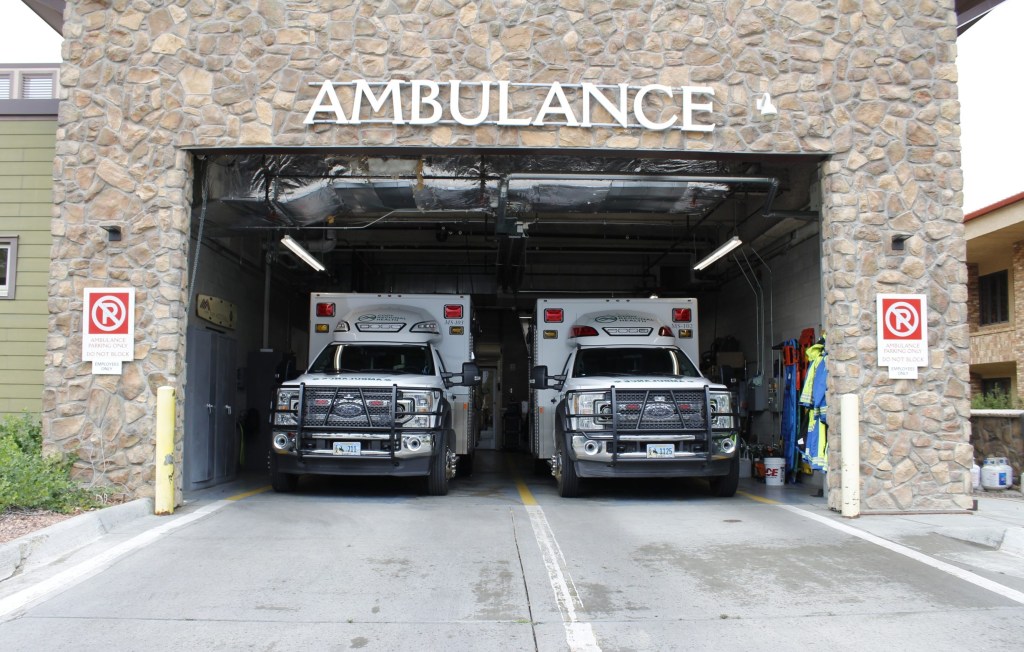
But with the state’s small population, the volume of calls is too low to cover the costs of operating, he said, even with many departments relying heavily on volunteer labor.
Senate File 4 will increase the rate the state pays to ambulance companies for services to Medicaid beneficiaries. It would cost Wyoming $1.3 million and would bring in an additional $1.3 million from federal funds.
“I think this is a great start in fixing a growing problem,” Wyoming Hospital Association President Eric Boley told the panel. “In our small communities, we’re seeing our EMS services either go out of business or really decline in the services they are providing.”
The Rural Health Transformation funding also has potential in helping Wyoming build stronger regional approaches to EMS, Boley added. “But even if we do that, that doesn’t address the payment issue, and that’s what this bill does … And I think it comes down to one really simple question: Do you want EMS services in your communities, or don’t you?”
AARP Wyoming, the Wyoming Women’s Foundation and county commissioners also voiced support, as did Buffalo Republican Rep. Marilyn Connolly, who has worked with EMS for more than 40 years.
“This is just a really good way to help supplement ambulance services,” she said.
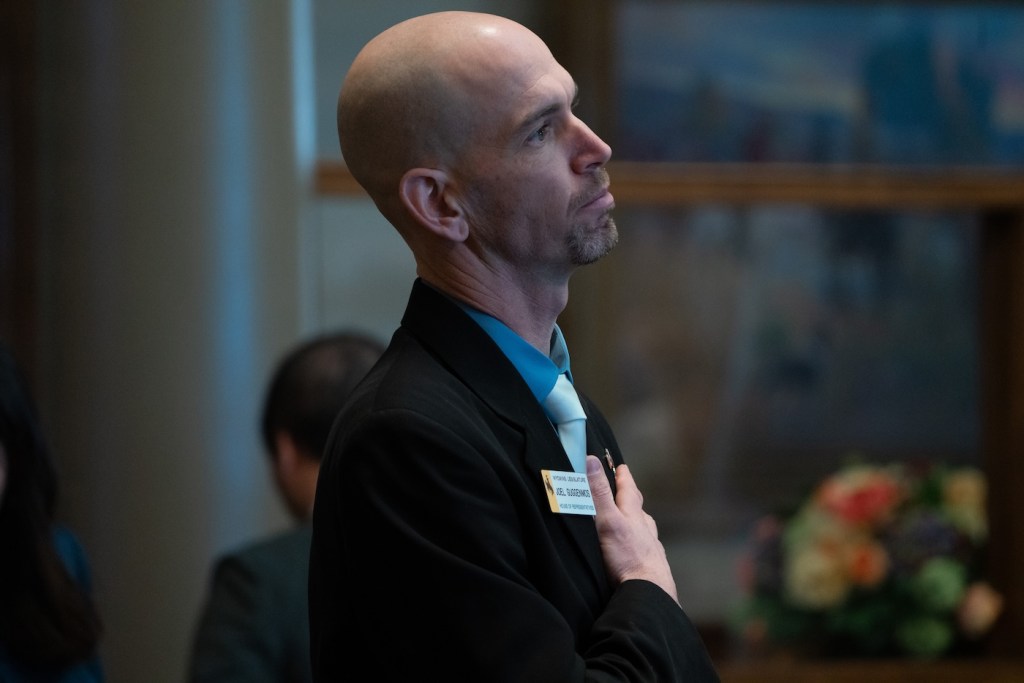
The committee passed the bill 5-3.
One of the no votes came from Riverton Republican Rep. Joel Guggenmos, who said he would prefer local solutions.
“I look at this bill as not thinking outside of the box,” he said. “It’s just putting it on the state to try to solve it with money.”
Better birth supports
Later on Monday, the labor committee in the Senate advanced the other Medicaid measure. Freestanding birth centers are state-licensed outpatient health care facilities that specialize in pregnancy, birth and postpartum care and are not part of a hospital.
House Bill 4 adds them to the list of authorized Medicaid services in Wyoming. The bill would result in net savings to the state, Fuchs said.
Until recently, no birthing centers operated in the state, said Sarah Morey, CEO and cofounder of Earthside Birth and Wellness Center in Cheyenne — Wyoming’s first such facility. Because of that, the service’s exclusion from the list went unnoticed, she said.
The measure can help contribute to one solution aimed at improving Wyoming’s dearth in maternity care, Morey said. Her facility is on track to serve 60-80 families this year with a staff of licensed midwives, she said.
“We recognize that the goal of the session is to save money for the state while supporting our citizens of Wyoming, and this bill does that,” she said.
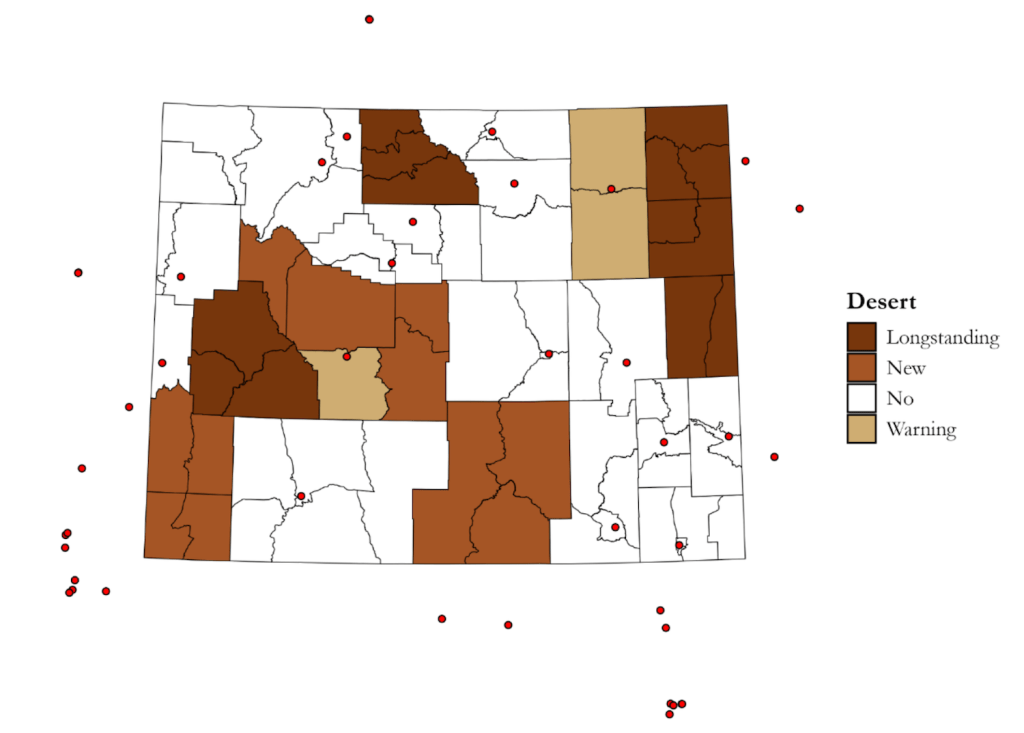
An erosion of maternal health care services has made pregnancy and childbirth increasingly tricky in widening swaths of Wyoming. Five hospitals have closed down labor and delivery wards in recent history.
If the trend continues, experts worry that mothers will put off or forgo prenatal care or give birth in emergency rooms with nurses who aren’t trained extensively in labor and delivery, which could have dangerous or even deadly results. Births in the state, meanwhile, have been falling.
The Senate Labor, Health and Social Services Committee passed the committee-sponsored bill with little discussion or pushback. That measure now heads to the Senate floor for further consideration.
“This is one step forward and just trying to help with some of our OB deserts,” said committee chair Sen. Evie Brennan, R-Cheyenne. “It’s not going to fix everything right away, but this is definitely a step in the right direction.”

Will the birthing centers have quick access to an ICU or NICU for those who need a quick intervention to save the lives of a mother or infant?