

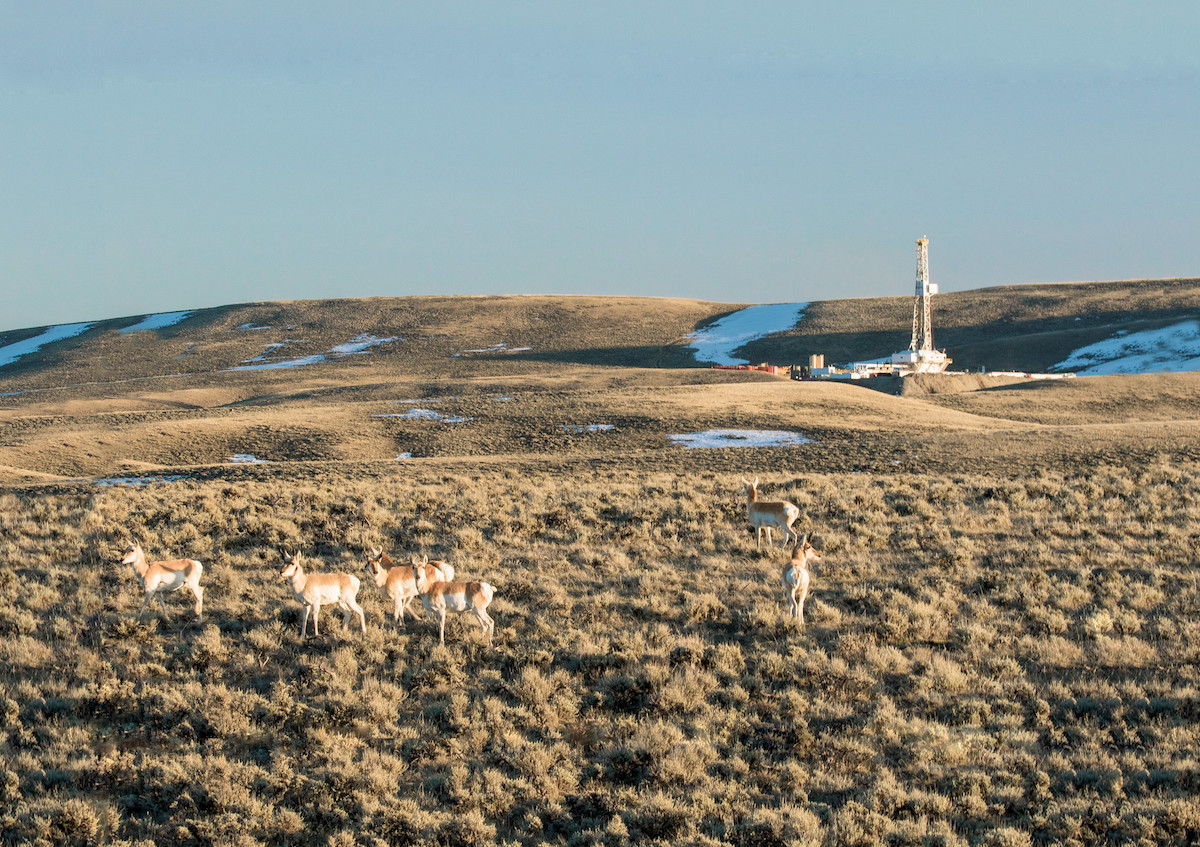
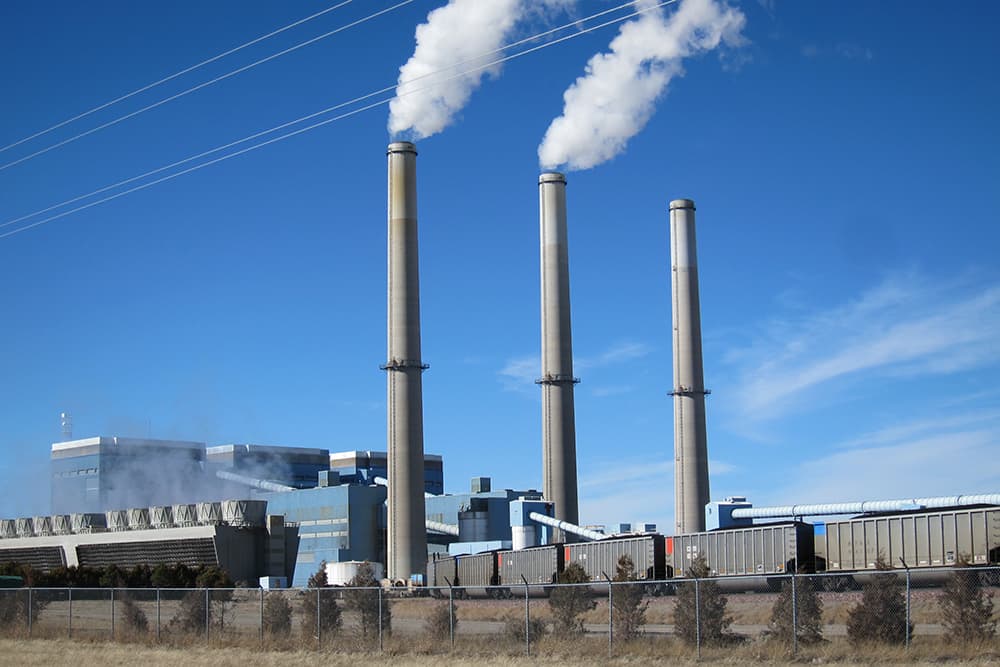
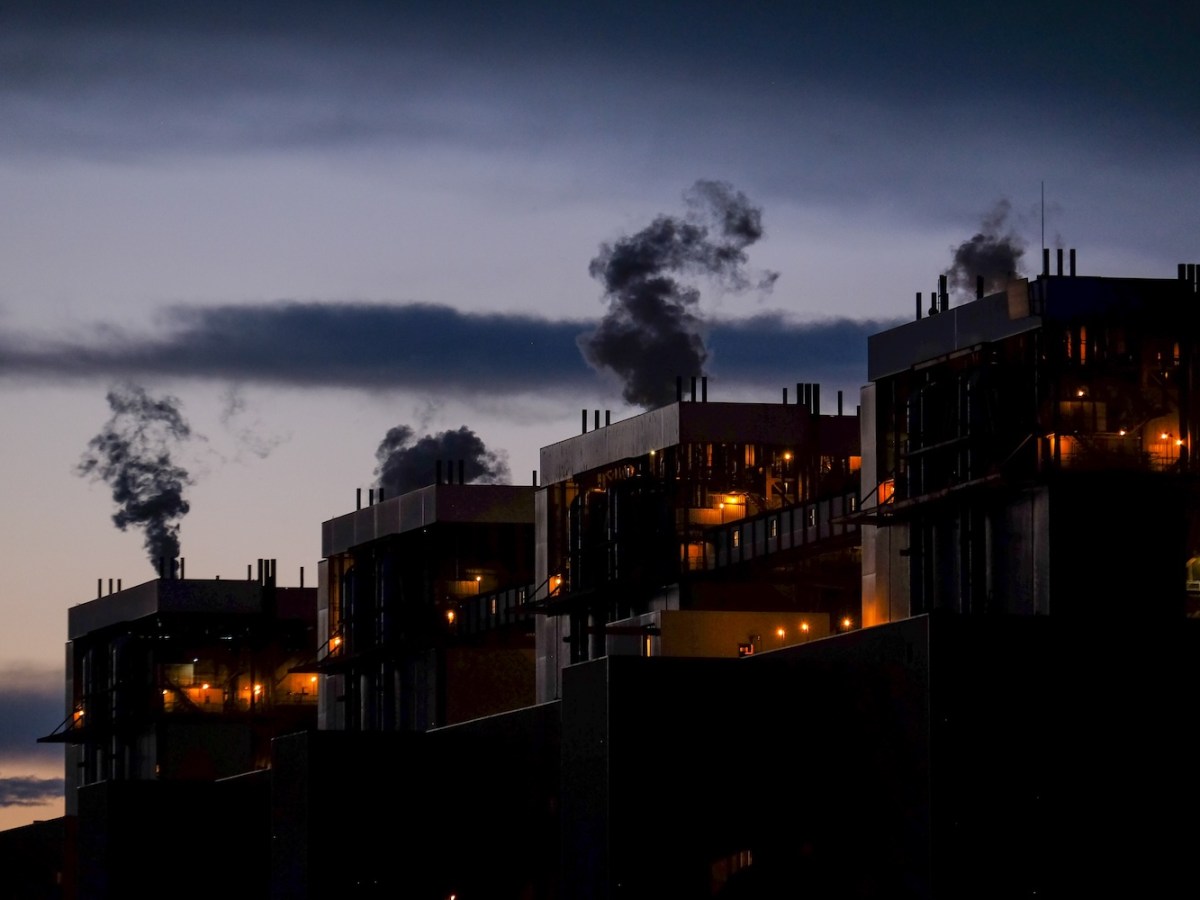
For 60 years, the Dave Johnston electrical power plant has stood over serpentine bends of the North Platte River in Converse County, its two towering smokestacks dominating the skyline as a symbol of Wyoming’s coal-fueled power might.
But the commanding presence of the carbon icon has been waning — first in 2009 when it was forced to share the skyline with a crop of wind turbines that began spinning nearby on reclaimed land that once was a coal mine that fed Dave Johnston’s burners.
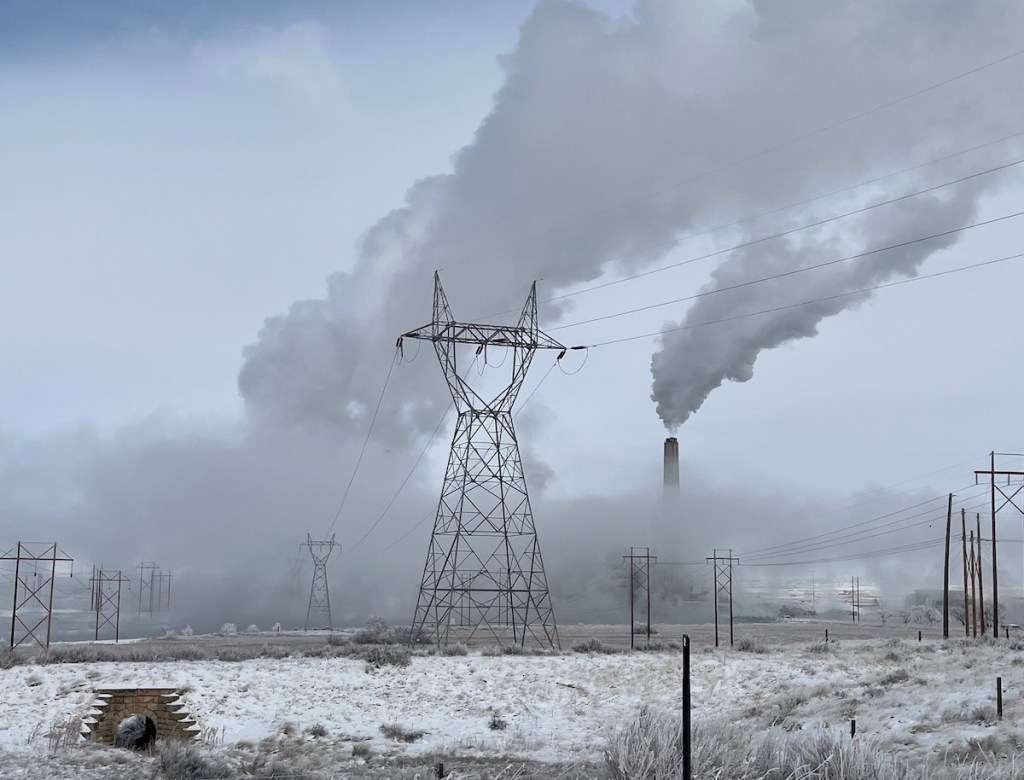
Now, not only is the coal plant on track to cede two of its coal-fired units to natural gas, an independent producer proposes to build a 430-megawatt natural gas-fueled power plant just to the north and, potentially, another gas power plant just to the west, rivalling Dave Johnston’s maximum capacity of about 745 megawatts.
One megawatt is enough electricity to power about 750 homes.
“Economic growth requires a resilient power grid,” Rolling Cedar LLC says on its website. “A resilient power grid needs a mix of reliable production options, including dispatchable, firm power generation designed for the harsh conditions of Wyoming.”
The company — a partnership between North Carolina-based 8 Rivers and New Jersey-based Kindle Energy — is part of a growing trend that, at least on paper, promises to tap one of Wyoming’s other abundant fossil fuels to meet unprecedented electrical demand. There are about seven natural gas power generation projects in the works in Wyoming that, collectively, would add about 8,700 megawatts, according to WyoFile’s cursory survey of proposals in various stages of concept and development.
That equates to 74% of the state’s maximum existing electrical generation capacity of about 11,800 megawatts from all sources — coal, natural gas, wind, hydroelectric and solar.
“Wyoming has abundant resources to support a diverse generation portfolio,” Wyoming Energy Authority Executive Director Rob Creager told WyoFile via email. “The state remains among the nation’s top 10 producers of marketed natural gas, and increased use of Wyoming gas could generate additional investment, revenue and jobs.”
Most of the contemplated natural gas power projects are envisioned for “off-grid” use, to directly power AI computing data centers like Prometheus Hyperscale’s call for a combined 2,500 megawatts for its campus under contemplation in Natrona County and another one planned in Uinta County. Using natural gas-powered electricity to serve one or a handful of dedicated customers like those in the booming data center industry — the vast majority of the proposals — is part of the drive behind a multi-stakeholder push to allow “third-party” electrical generation in Wyoming, Creager noted.
“Interest in third-party power generation continues to grow across Wyoming, largely driven by prospective large-load customers,” Creager said. “While some of this demand remains projected, other projects may require new generation in the near term.”
The Rolling Cedar project, however, envisions serving grid-connected customers, according to the company’s website, by cranking up generation intermittently to backfill the flow of electrons on the grid when the wind doesn’t blow and the sun doesn’t shine.
It’s the same type of electrical grid balancing strategy behind a controversial proposal to cycle water through hydroelectric turbines at Seminoe Reservoir.
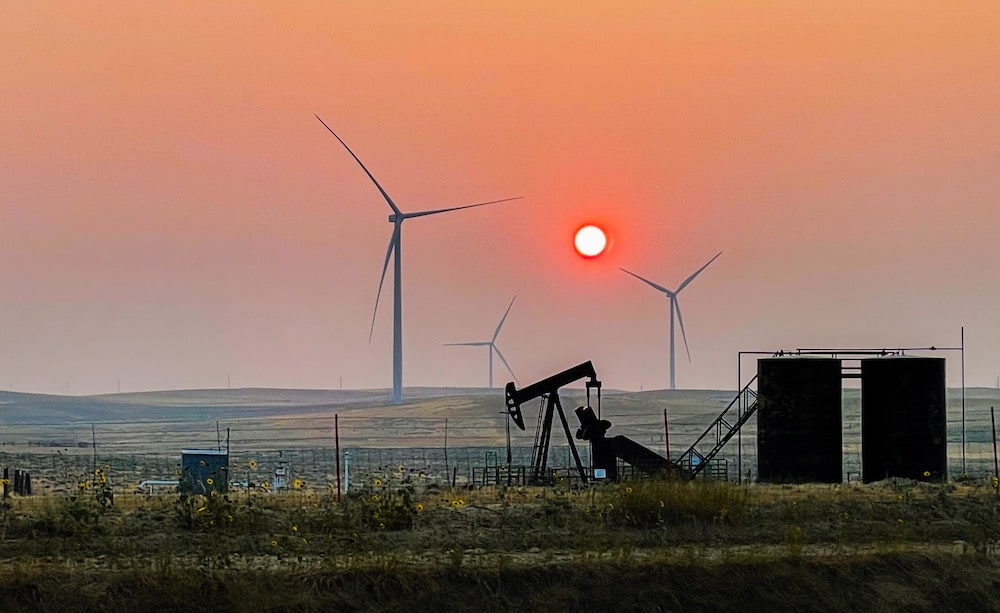
Meanwhile, Wyoming’s legacy coal-fired power plants are producing electrons at an all-time low, while a surge in commercial wind and solar energy projects is sputtering.
For the past year, state officials have been fielding a wave of requests to push back construction start times for nearly 3,750 megawatts of planned wind and solar projects, according to state notices and a WyoFile analysis. The requested delays, which range from months to years, are primarily blamed on rising costs for materials and supply chain constraints.

driving in Wyoming in the cold months, I love seeing the pollution haze from Evanston to Gillette. AI data centers will make it worse, why are solar and wind projects being halted? Good old boys club.