


What happens when you sit down at a table with your neighbors and take a chance with trust? Meaningful changes, meaningful outcomes.
Opinion
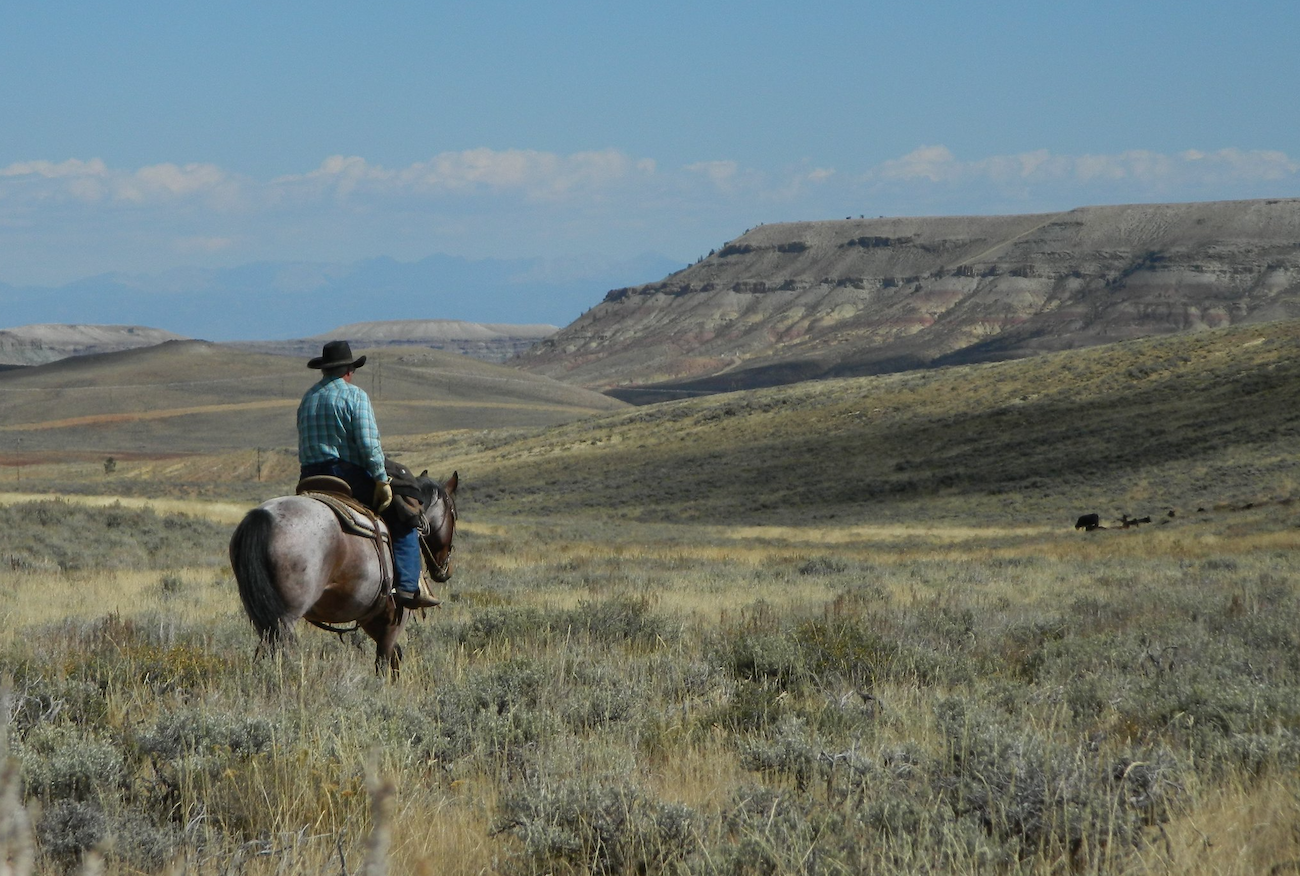
When the Bureau of Land Management released its much-contested draft Rock Springs Resource Management Plan last summer, significant changes were proposed. The intent of those changes was to prioritize wildlife and landscape health; it appeared to minimally impact livestock producers. However, upon delving into the details, we discovered several stipulations that would have had severe consequences for the grazing industry. After taking time to review the draft and talk with our neighbors from both the grazing and conservation communities, the two of us and others sat at a table and said, “what do you think?” We found that though we would need to agree to disagree on certain aspects of the plan, we value the wellbeing of these lands and saw a path forward with grazing as an integral part of keeping the lands both wild and working.
For those unfamiliar with grazing operations in Wyoming, these are complex systems unique to the specific lands included under the umbrella of a ranch. That umbrella often encompasses a matrix of land managed by the federal government, the state government and privately owned lands. Changes to management on one portion of the matrix affect the integrity of the rest of the lands under the ranch umbrella.
As stewards and advocates for these wild landscapes, we both have a vested interest in seeing them thriving and healthy. That isn’t possible without supporting healthy ranchlands adjacent to or affected by the management of permitted BLM lands, such as those under the jurisdiction of the Rock Springs Resource Management Plan. Nor is it possible without altering how we steward these lands to adapt to a changing world and changing demands on the landscape that are larger than the organizations advocating for grazing and conservation. It’s all interconnected.
With this in mind, we carefully crafted comments to the Rock Springs BLM office asking them to address grazing management at the local level while still working toward healthy wildlife populations and resilient landscapes. Thankfully, the BLM listened.
The proposed final version of the Rock Springs plan, released this August, is two steps forward for grazing from the draft. It addresses grazing management on a case-by-case basis while still providing tools for mitigating conflicts between grazing practices and landscape health. It remains to be seen how effectively these will be implemented, but it is clear the BLM engaged in more than just a bureaucratic review of public comments. The changes we see are the result of the BLM actively acknowledging the contributions of nontraditional allies sitting down at a table together and finding commonality.
There is an expression in the beef industry that if you are not at the table, you will find yourself on the menu. For changes made between the draft and final plan, it appears livestock producers and conservationists managed to sit at the table and write the menu together.


Thank you for this piece. It is so refreshing in today’s society to see people sit down at the table and discuss things rather than engaging in bluster and threats. On a larger scale it’s called governance–a truly endangered endeavor today. You all have my respect.
Adding to my previous comment, I do believe that sitting across the table on a one on one basis is the best way to solve grazing issues and commend these two who wrote this for doing that.
I have always tried to agree with grazing and grazing interests, yet on public lands it has never been managed as well as it is on private lands. All I ever wanted was for public lands conditions to be in as good as those on private lands. That is usually not the case.