


Wyoming Gov. Mark Gordon issued an executive order Wednesday directing state agencies to coordinate efforts to ensure that a boom in data center development here doesn’t raise electrical rates for existing customers, harm communities, degrade natural resources or threaten water supplies.
Gordon signed Executive Order 2026-03, “Data Centers the Wyoming Way,” Wednesday morning. Effective immediately, the five-page order outlines principles “to ensure Wyoming remains competitive in attracting investment while protecting ratepayers, natural resources, local communities and Wyoming’s way of life,” the governor’s office wrote.
The order comes amid rising concern about the pace of data center development in Wyoming, as well as the potential impacts. Those worries have spurred local pushback on new projects and even temporarily spurred talk of a moratorium in Cheyenne.
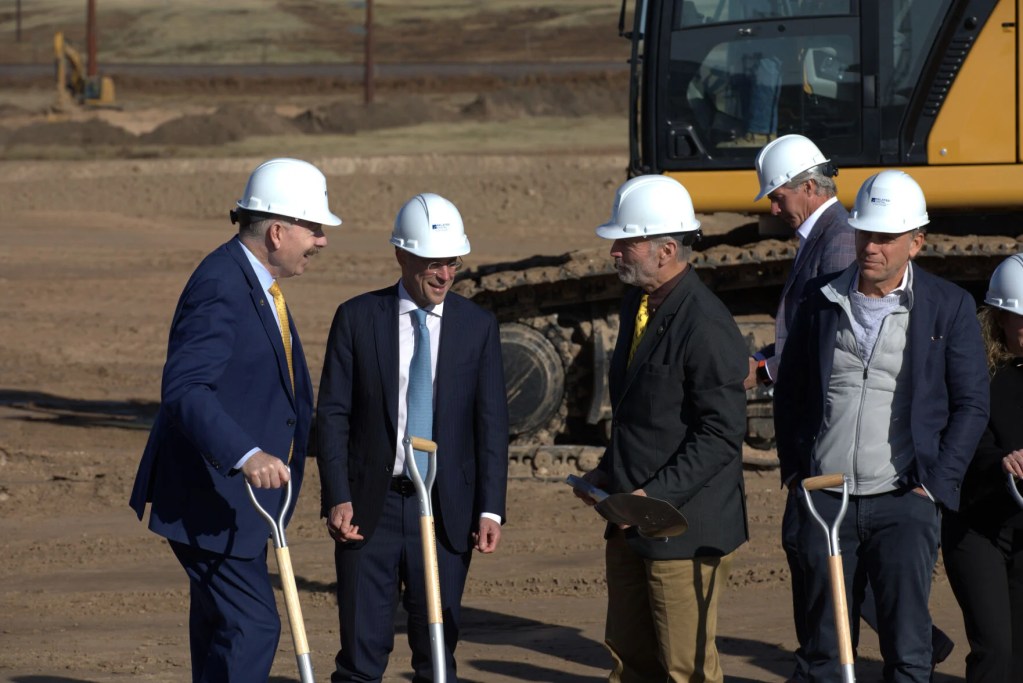
“As America races to build the infrastructure needed to support advanced computing, artificial intelligence and our nation’s rapidly growing digital economy, Wyoming is uniquely positioned to lead,” Gordon said in a prepared statement. “But we will do it the Wyoming way. We welcome investment, jobs and economic opportunity while protecting our communities, our natural resources and our citizens from unintended costs.”
The order establishes a “Wyoming Data Center Development Framework” that, among other things, will “encourage the use of advanced technologies and best practices that minimize water consumption and protect water quality” and “encourage open and continual communication regarding proposed developments and provide meaningful opportunities for public participation.”
It also calls on developers to “demonstrate a commitment to the communities in which they operate through local partnerships, charitable contributions, workforce and housing investment and responsible corporate citizenship.”
State agencies were advised to provide the governor with recommendations within 60 days on potential strategies to align with the order.
Clouds of anxiety
Digital heavy hitters such as Microsoft and Meta have vastly expanded plans for computing centers in Wyoming, particularly in and around Cheyenne, spiking anxiety among local residents about the phenomenal scale of development that could triple Wyoming’s electrical demand.
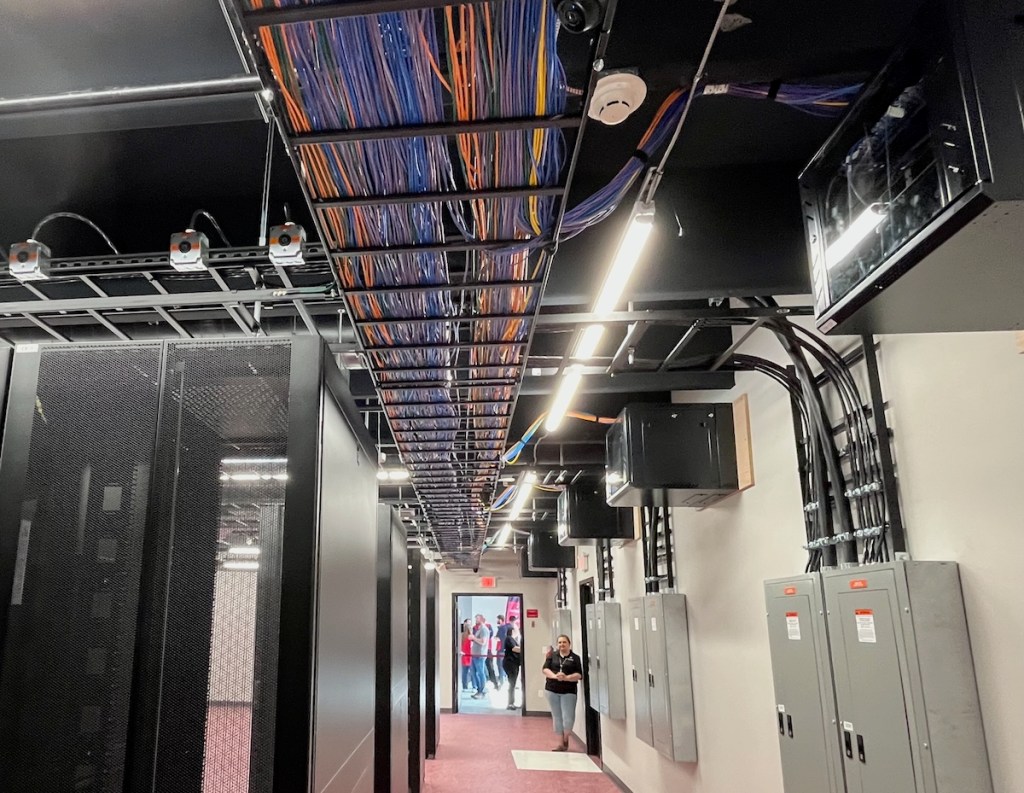
Like many communities across the nation, Cheyenne recently considered a one-year moratorium on new data center development amid calls to “slow down” what many residents say is a breakneck speed of massive development. Despite concerns over water, electric rates and whether the wave of digital buildout might stress local services, the Cheyenne City Council voted the measure down 8-1.
Council members also heard from dozens of residents, including union construction workers, who lauded the development as an opportunity to make living wages that allow them to remain in the community.
“Until Meta ramped up and brought all of us home, all of these guys from Casper, Cheyenne, South Greeley, Laramie and other parts of the state were in a completely other state,” Matthew Miles, a journeyman pipefitter with United Association Local 192, told the council last week. “[They were] away from their families, away from anybody they cared to share life with, trying to earn money to support not just their family, but the town they live in.”
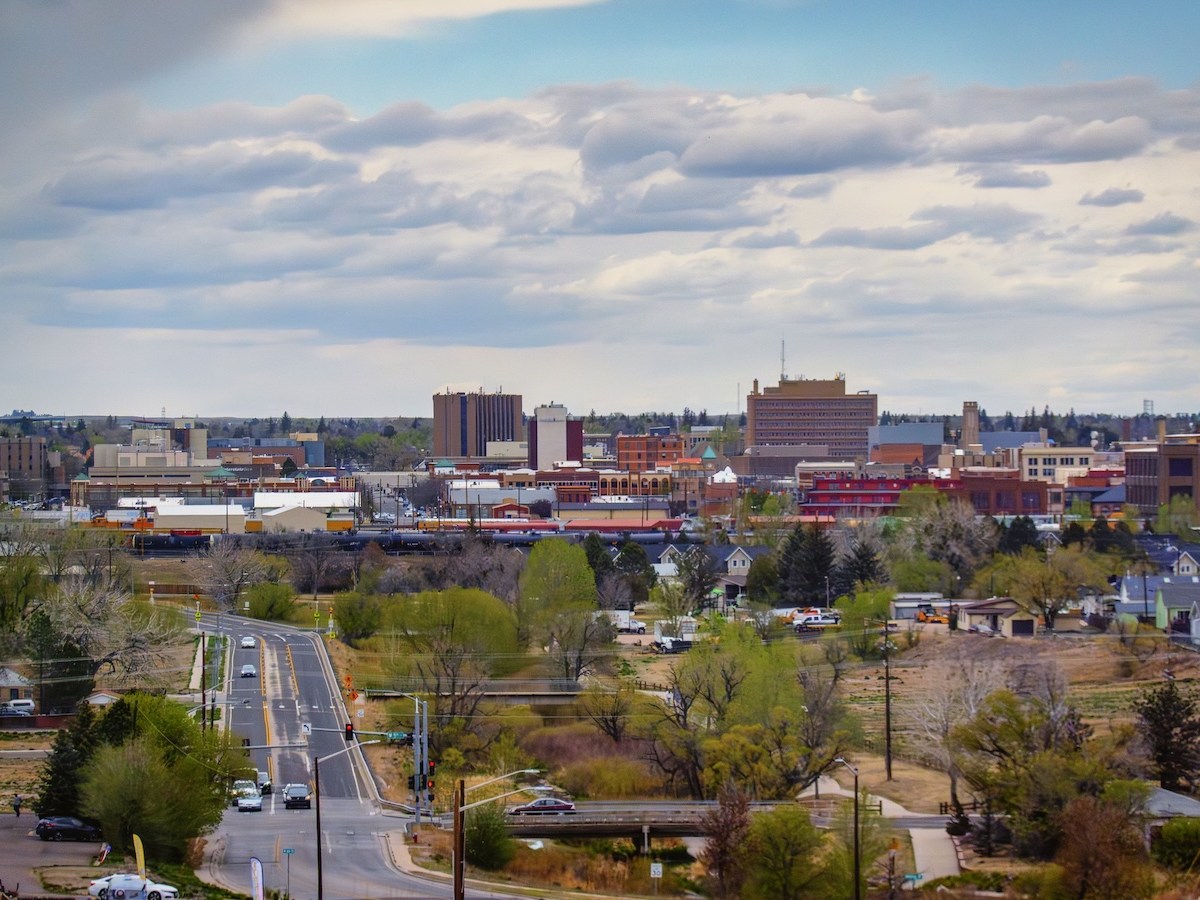
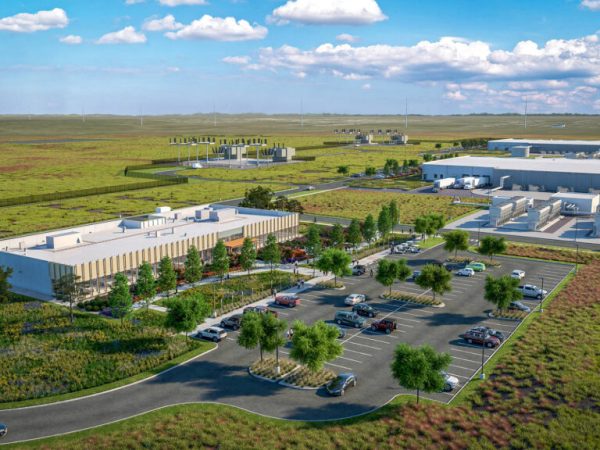
It is possible to encourage the industry to set up shop in Wyoming while still demanding that companies play by local rules, Cheyenne Mayor Patrick Collins said. His office insists that new data facilities use closed-loop cooling systems to limit water use, as well as direct contracts with the local electric utility to ensure their power demands don’t affect other ratepayers.
“So we’re not allowing people to use water in an irresponsible way,” Collins told WyoFile. “I think a lot of things that we’re doing are reflected in that executive order that the governor signed.”
Meantime, Wyoming lawmakers are also seeking assurances that the digital gold rush won’t drain the arid state’s water resources or harm electric ratepayers. At the Legislature’s Minerals, Business and Economic Development Committee meeting later this week in Casper, members will continue to deliberate on ways to help electric utilities meet the industry’s massive power demand while protecting regular ratepayers.

So what id like to know is what exactly is the ‘‘Wyoming way’’. Is that new lingo for these politicians to just pass whatever they want even though the public is in total opposition to it? Because I thought the Wyoming way was more along the code of the west.
The Wyoming way is just do it no matter the people that are affected. Witness the gravel pits that Prism wants to do, ya, it was ok’d by the gov and others without any warning or asking the people that live in the area.
What is “the Wyoming Way” to build a data center? And what exactly do we need data centers for?
Mad not made
Watch out you billionaires, if you make the Gov made he just might give you more tax reductions.
As a lifelong Wyomingite from Sheridan who now lives in Casper and someone who spent nearly 20 years working in coal mining, coal-bed methane, and oil and gas drilling, I support Governor Gordon’s effort to ensure data center development happens responsibly and thoughtfully.
Data powers nearly every aspect of modern life, from our businesses and schools to our phones, photos, and communications. In many ways, data is becoming the next major driver of economic growth, much like energy has been for Wyoming for generations.
I appreciate the Governor’s approach of welcoming investment, jobs, and economic opportunity while also protecting our communities, water resources, and way of life. Wyoming has a long history of responsibly developing natural resources, and I believe we can show the nation how to responsibly support the growth of the digital economy as well.
Well done, Governor Gordon.
Glad I got solar 2 years ago before this string of rate increases started. At least the payment cost of my solar panels is at a fixed rate until they’re paid off.
Here is an excellent article from The Lincoln Institute of Land Policy.
https://www.lincolninst.edu/publications/land-lines-magazine/articles/land-water-impacts-data-centers/
The water that is involved with a data center is now being used by the power source, not the actual data center. Not really the perfect fix.
So bribery then? Got it Governor.
“doesn’t raise electrical rates for existing customers, harm communities, degrade natural resources or threaten water supplies.”
So no data centers will be built then.
Thanks for clarifying Governor.
Wow, tough stuff. Nothing quite like a gubernatorial request for “best practices” to snap some of the world’s largest corporations into line.
Whoops, shut the barn door after the horse has bolted… My electrical rate already went up. I do believe it is possible to have the advances without harming many things, but in most cases, we do not do it with the thoughts of advancement for family, friends, neighbors and humanity, but for ego and materialism.
The data center developers are now professing that this “closed loop cooling system” will solve the water issues. I am still looking for whether any data center in the country is actually using the “closed loop cooling system” successfully? I’m suspect. The proposed Stratos data center project in Northern Utah being proposed by O’Leary is getting a LOT of opposition. Now there is litigation and the Utah Senate President is proposing that the project be cut to 1/4 of the originally planned size. That one is clearly in trouble. The public sentiment is rapidly changing on these data centers.
Think of the jobs, wages and property taxes it will bring. The developer is a long-time rancher. They will be off grid for their electricity and the have long time water rights on the property they want to develop so no water will come from existing water uses. The rancher is the one that will be taking the risks, not the public. Let the rancher do what he wants with his land.
“The jobs”
What are people that support data centers smoking?