

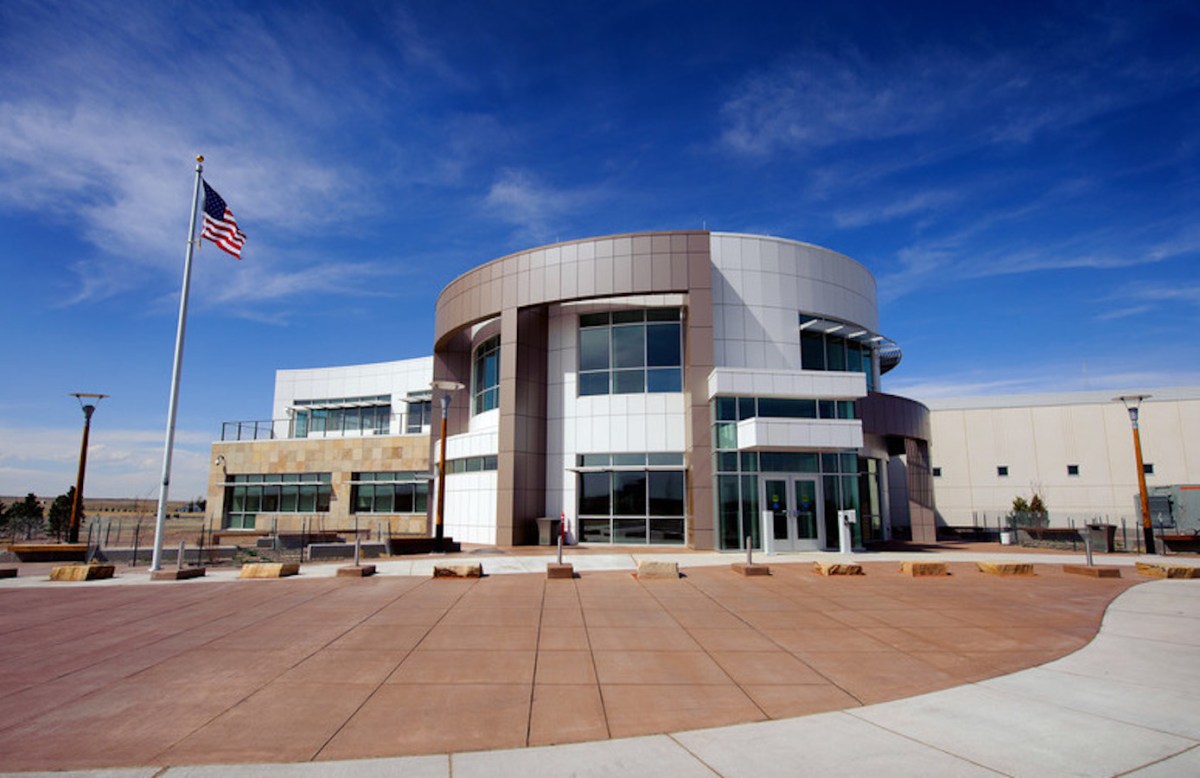
A federal judge in Denver on Monday blocked federal officials from breaking up Boulder’s National Center for Atmospheric Research by handing over a renowned supercomputing center to the University of Wyoming, in a 38-page injunction raking the Trump administration for enacting political revenge on Colorado.
Senior U.S. District Judge R. Brooke Jackson issued an injunction because the National Science Foundation divesting the supercomputing center was “arbitrary, capricious, an abuse of discretion, or otherwise not in accordance with law,” according to the ruling. Jackson said his injunction was necessary because the lawsuit filed in March by the University Corporation for Atmospheric Research, or UCAR, was likely to succeed, and that too much damage had already been done to the supercomputing center’s operations.
The NCAR-Wyoming Supercomputing Center has “already lost significant number of experts in supercomputing, for example, with the chance of losing many more,” the judge wrote.
The National Science Foundation declined comment on the injunction late Monday, through head of media affairs Mike England.
UCAR, a consortium of more than 100 universities and the contracted manager of NCAR operations, “has made a showing of irreparable harm through the significant ‘brain drain’ that it is already experiencing as a direct result” of the National Science Foundation’s attempted transfer, the judge wrote. “It will also continue to lose critical employees — including scientists, engineers, and systems administrators — that are essential to the continuous and proper functioning of the NWSC.”
The original lawsuit and the injunction say the supercomputing center is a “pillar” of the nation’s atmospheric research. Judge Jackson agreed with the UCAR lawsuit’s claim that breaking off parts of NCAR, dismantling projects and potentially firing thousands of employees was intended by Trump and agency officials as direct political revenge.
UCAR’s suit employed the same arguments that Colorado Attorney General Phil Weiser used in dozens of lawsuits: that Trump sought retribution for Colorado voting Democratic in elections and for imprisoning former Mesa County Clerk Tina Peters after she was convicted of orchestrating a security breach of her county’s election system in 2021 in a failed attempt to uncover voter fraud.
Coincidentally, Peters was released from a Pueblo prison Monday morning under a clemency order by Gov. Jared Polis, who said her original nine-year prison sentence was too long. In yet another twist, many Colorado Democrats are now furious with Polis for ordering her to be paroled after serving less than two years of her sentence.
In his injunction, Jackson accepted UCAR’s timeline of how the attacks on NCAR developed in early 2026, noting that the administration had previously floated general ideas for turning over federal agency duties to other entities.
“No action followed until President Trump publicly criticized Governor Polis for refusing to release Ms. Peters after his own pardon did not achieve that result. The next day, (Office of Management and Budget) Director (Russell) Vought publicly announced the breakup of NCAR on social media,” Jackson wrote. (Trump could not legally pardon Peters because she was convicted on state charges; only Polis could pardon her or commute her sentence.)
“The Court finds that UCAR is likely to succeed on its claim that NSF’s decision to divest it of stewardship” over the supercomputing center violated federal procedures.
“First, the agency has offered no explanation for its decision. Second, the agency failed to abide its own process to consider public feedback before proceeding with the transfer,” Jackson wrote. He cited NSF’s “flagrant disregard” of its own rules and procedures.
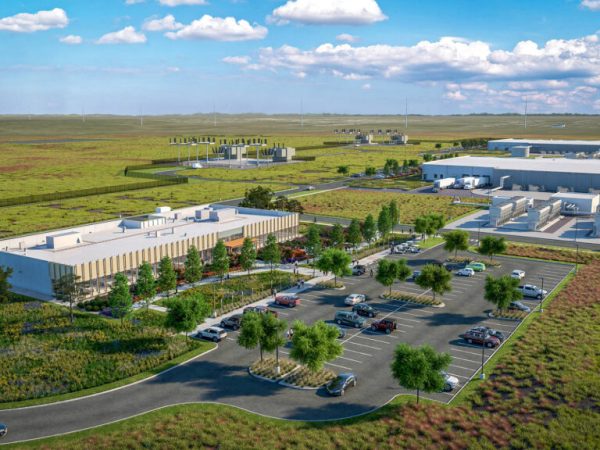
The injunction is necessary while the lawsuit plays out, Jackson added, because allowing the transfer would prompt more employees to leave and decimate the supercomputing center.
“UCAR further warns that, as a result of the transfer process now underway, it may have to close the facility and conduct mass layoffs,” the judge wrote.
This story was published by The Colorado Sun on June 1, 2026. Learn more about the nonprofit, nonpartisan newsroom and sign up for newsletters at coloradosun.com.


Absolutely the creepiest administration in my lifetime.
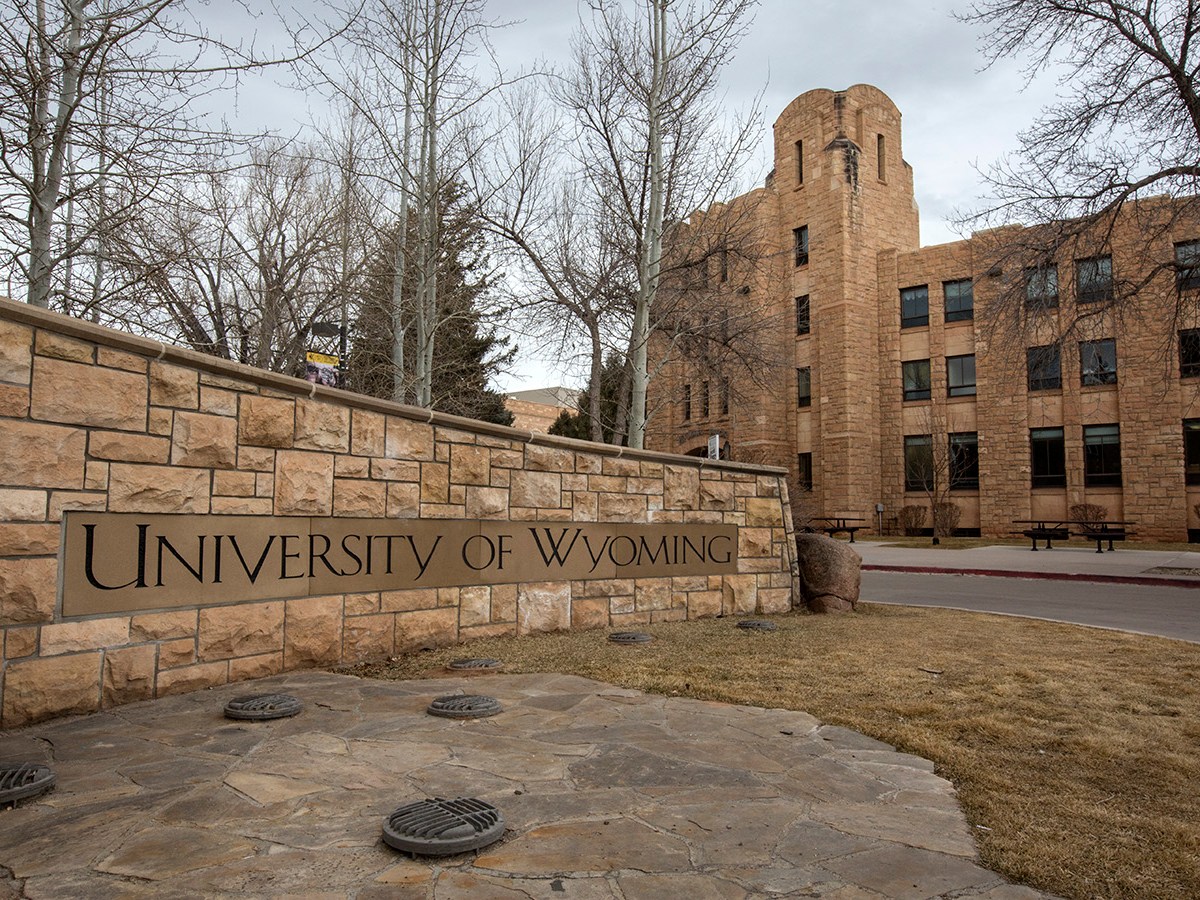
There is little public information about the move by the University of Wyoming to take over management NCAR’s supercomputing center in Cheyenne. An obvious question is whether UW has the resources, competence and budget to effectively oversee Derecho, NCAR’s latest supercomputer. UW currently faces a shortfall of ~$15M in operating money. Earlier this year the university dodged an effort by the legislature to cut $40M from its 2027–2028 biennial block grant. A second question is: what is the take of the University Corporation for Atmospheric Research on UW’s willingness to help the Trump administration punish NCAR for being in a Blue state, plus conducting climate change research? I am unsure how much climate change research is done through the Cheyenne facility.