

The Park County commissioners are taking a hard line with data centers, in large part after hearing overwhelming public sentiment in opposition and due to simply not knowing enough about potential issues.
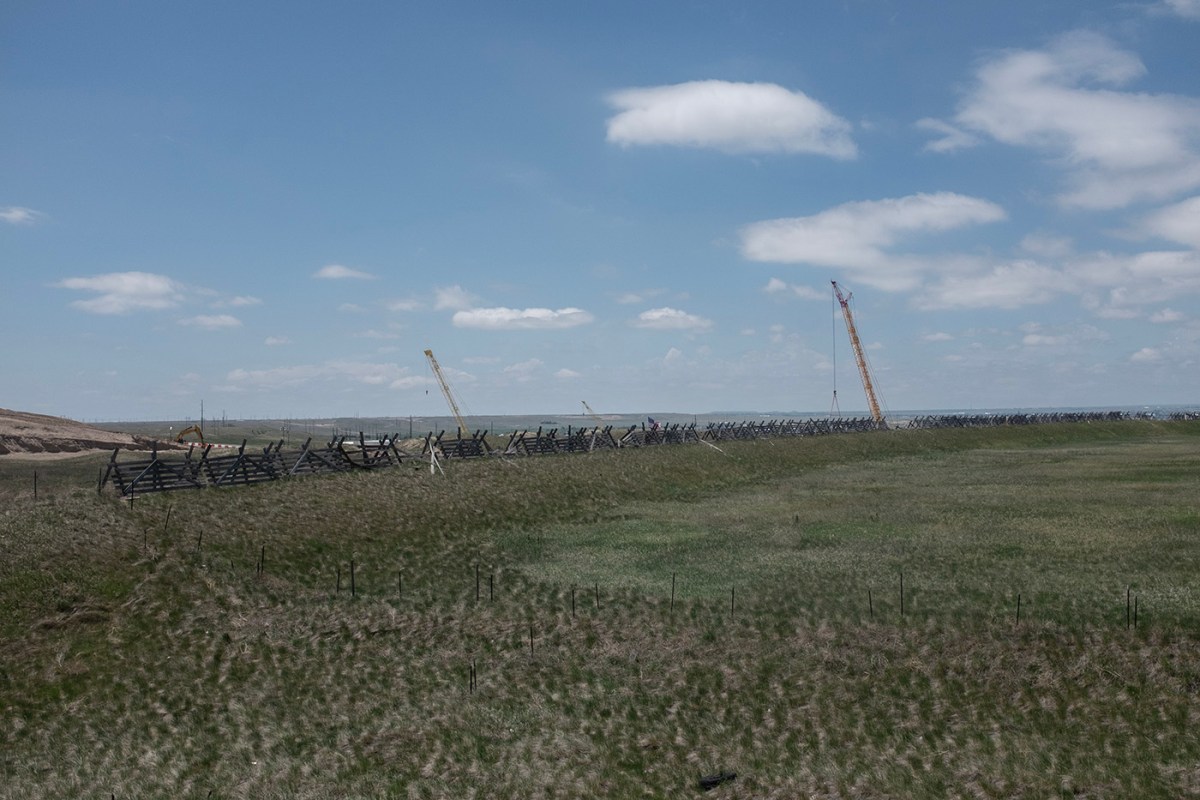
The concerns about data centers have been a big topic recently, especially in southeastern Wyoming as the Cheyenne area has seen dozens of the large centers being built or in various stages of planning in the last few years.
While Gov. Mark Gordon recently came out opposed to a moratorium at the state level, a number of primary election candidates have expressed opposition to any more data centers being built.
“As governor, I do not support any state-mandated moratorium on building data centers in Wyoming,” Gordon wrote in part in a recent column. “The job of deciding whether to encourage the building of data centers falls, as it should, on the more than capable shoulders of our local communities within the constraints allowed by the Legislature. As with most development, it is the communities, counties, and local boards who do the heavy lifting in economic opportunity.”
Park County is taking up that mantle. As commissioners hashed out last week in updating development standards and regulations ahead of an adoption draft to take before the public, heavy-load electric users would be permitted nowhere in the county without a special-use permit — which requires public hearings.
Data centers would not be allowed at all in most areas, however, including smaller residential and commercial zones. Commissioners are only proposing centers be allowed with a special-use permit in the county’s General Rural 20-and 35-acre zones and industrial zones.
“At this time, based on public input and just the unknown, the recommendation [from the consultant] is to more widely prohibit them as opposed to allow,” Planning Director Joy Hill told commissioners during a work session last week. “The other thing is that it’s understood that we don’t really have the power and water sources potentially in Park County. I can’t confirm that. I don’t know the power needs. I know they can create their own power. I don’t know how much water they need and how often. I could not tell you. I do not have enough factual information about data centers generally to feel comfortable even advising you.
“I don’t think generally the public is favoring them.”
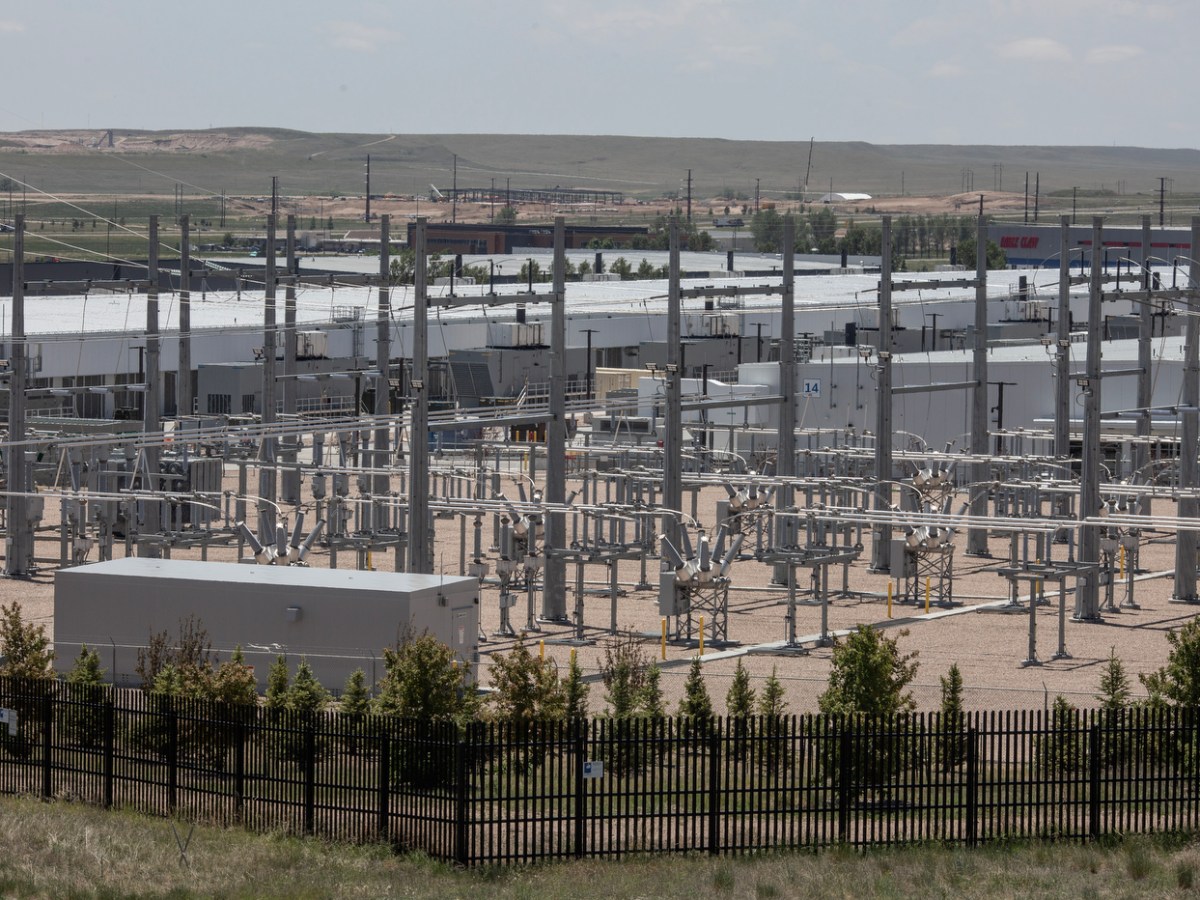
Commissioner Scott Mangold said as data centers are currently set up, Park County wouldn’t be a desirable place for one anyway, as he said the county doesn’t have the infrastructure to get one set up.
“Now, if they become smaller or if they discover they can put them out in space, that’ll be fine, but for now the actual way the data centers are set up right now, Park County is not a good place for them,” he said.
While that may be, Commissioner Lloyd Thiel said he’d still prefer some ability to at least apply, to which Mangold agreed, saying an outright ban could lead to the situation the commissioners found themselves in when they blocked a cell tower in the Wapiti Valley after an outpouring of community opposition. The cell tower company sued and won a court case, forcing the county to accept the tower.
“I don’t think eliminating completely is the answer,” Thiel said.
Hill said she didn’t know if that would even be legal to fully ban them, and also brought up the fact of property rights.
“We have the property rights issue too,” she said. “If there’s somebody with 3,000, 5,000, 10,000 acres and they want to sell that to a [data center] company, will they have to go through the process? Absolutely. But would they have a right to do it?”
With the commissioners’ determination, there would be a path for a developer to build a data center in certain areas of the county, but the proposal would have to pass public, and commissioner, scrutiny.


What is with all these data centers all of a suden? Don’t know what exactly the do or are for. Why so many and physical size needed size. Power and water needed. How they communicate. And with each other. Can they be stacked instead of layed out? Why so many and here in WY?
Exactly! good questions!! Thank you for this comment.
To let the governor off the hook for not supporting any state-mandated moratorium is his solution, well, not really. His solution is to offload the decision onto the least able to handle it, the small community. What small communities will be up against are cohorts of lawyers, moneymen, and political insiders. I feel what should be considered is a statewide policy that spells out the dos and don’ts right off the bat. Examples: Bring your own power and backup that includes wind and wind power. The use of geothermal for cooling power rather than major air conditioning to use alongside our cooler nights, and OSHA regulation to ensure noise levels are well within acceptable limits around the unit. Also, a minimum and maximum on land use based on size and location. That takes care of the “biggies” from where I sit. Every promise made by these large Data Centers must be in writing and enforceable by the letter of the law. The key feature in all this is to get to market first by all means. That must be kept in mind when setting the policy.
Also, I guarantee that not all of these data centers are going to be around forever. There are some people that think that not all data centers will stay in business. These companies need to be responsible for tearing these gigantic eye, ear and nose sores out and cleaning up the mess.