

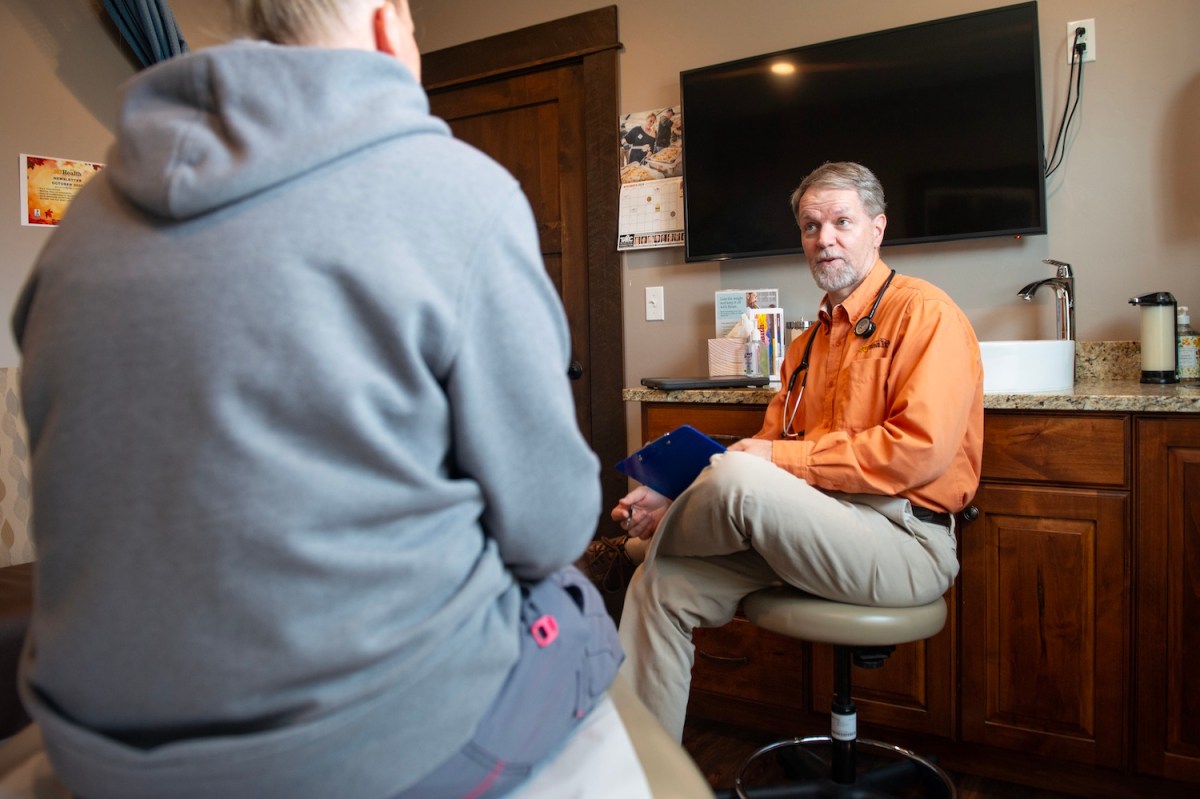
Back in 2014, Powell doctor Mike Tracy was asked to speak to a legislative committee about the high cost of healthcare in Wyoming. Along with serving as president of the Wyoming Medical Society, he had been a hospital-employed primary care physician for 16 years.
In preparation for his presentation, Tracy learned about direct primary care, a model in which patients pay a membership fee directly to a doctor or clinic, bypassing traditional insurance. The idea is that by removing the burden of insurance-related paperwork, doctors can give patients more personalized care, more time and more direct access.
“It made a lot of sense to take out the middleman and to be able to take care of people directly instead of having to work through a machine where so much of it is not transparent and not patient centered,” Tracy said.
That research was so convincing that Tracy went on to establish a direct primary care clinic in Powell with Dr. Robert Chandler. Eleven years later, 307Health has added a third provider, Dr. Dean Bartholomew, as well as family nurse practitioner Randy Baxter. Each physician cares for a pool of up to 600 patients.
Meantime, the Wyoming Legislature is still wrestling with the high costs and barriers to healthcare. A health insurance affordability task force was convened this year for reasons similar to the ones that spurred the study 12 years ago.
“It sounds like deja vu,” Tracy said.
While the task force touched on direct primary care at its October meeting, it’s still a relatively novel model and thus is lacking large-scale studies on its benefits and drawbacks, Wyoming Medical Society Executive Director Sheila Bush told the panel.
“It’s early, and they’re fairly new within the context of everything else in healthcare,” Bush said.
307Health’s doctors are happy to share the lessons they’ve learned in traditional and direct primary care medicine, they say. They believe the model holds promise for Wyoming communities.
“We’d just like to be part of the conversation to help,” Chandler said. “I mean, we’ve all spent our whole careers in Wyoming practicing medicine, trying to help improve the health of our state.”
The principle physician
A primary care provider is meant to be the first contact and point person for a patient. The doctor will monitor the patient’s overall health, refer them to specialists and coordinate continuing care — be it an MRI for a knee injury or a biopsy on a suspicious sunspot.
Primary care is instrumental in keeping healthcare costs down, experts say, because routine check-ups and screenings can catch issues before they escalate into major medical emergencies requiring hospitalization, surgeries or transport flights.
“Primary care physicians are the front-line of prevention,” Bush told the task force.
Despite this, primary care visits have dropped nationally. Experts believe that could stem from factors ranging from workforce shortages to decreasing ability to pay.
Near the end of his time as a hospital employee, Tracy said, he watched three patients in fairly rapid succession declare bankruptcy because of healthcare bills.
If their health issues could have been treated upstream, he felt “they could have been handled on an outpatient basis.” Instead “they ended up going to the emergency department, having a huge bill, and they just declared bankruptcy because that was the only solution they could see.”
It made Tracy realize that “even patients who are fully insured are getting really hurt by the high cost of healthcare,” he said. It was a tipping point to break away and go to direct primary care.
He reached out to Chandler, who had practiced in Douglas, Powell and Colorado, to join him. The idea made a lot of sense, Chandler said. He remembers thinking that “it’d be much better for patients and much better for us in terms of being able to spend a significant amount of time with patients, get to know patients better, and not feel like we’re just constantly on a treadmill with no time to to really take care of our patients the way we felt we should.”
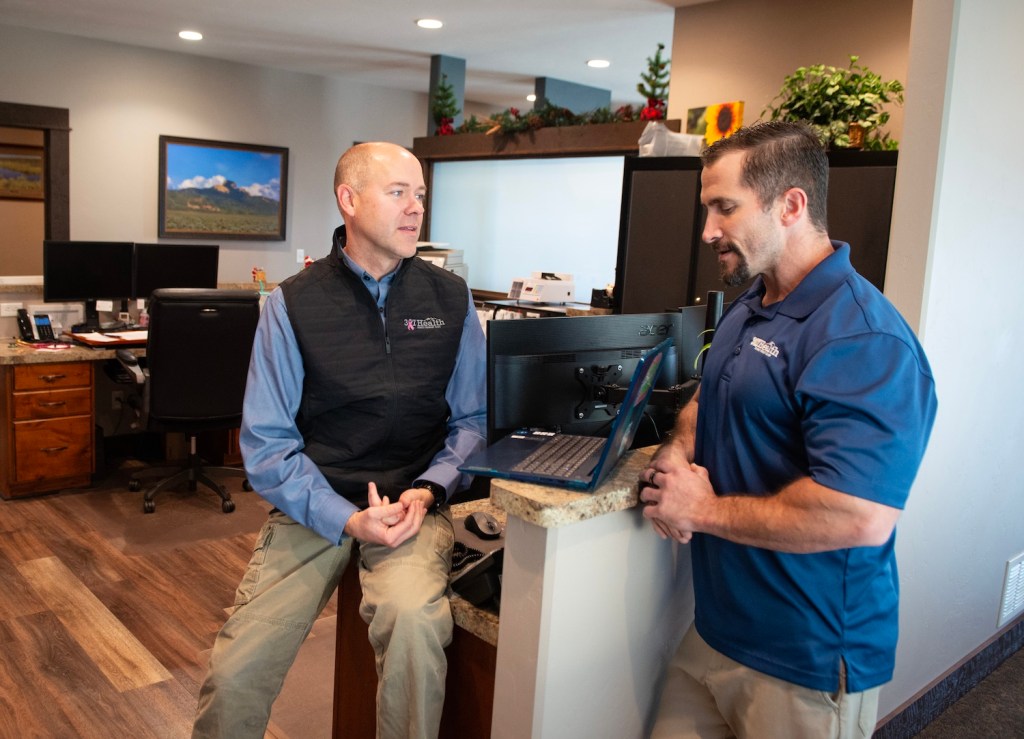
Bartholomew previously owned a small clinic in Saratoga with his wife. Trying to make ends meet and operating the practice as a small business owner was tough, he said. When the opportunity to join 307Health arose, “it was kind of a no-brainer.”
At his Saratoga clinic, he spent a tremendous amount of time and resources billing insurance, collecting payments and navigating Medicare. Direct primary care, he said, “flips that [model] its head.”
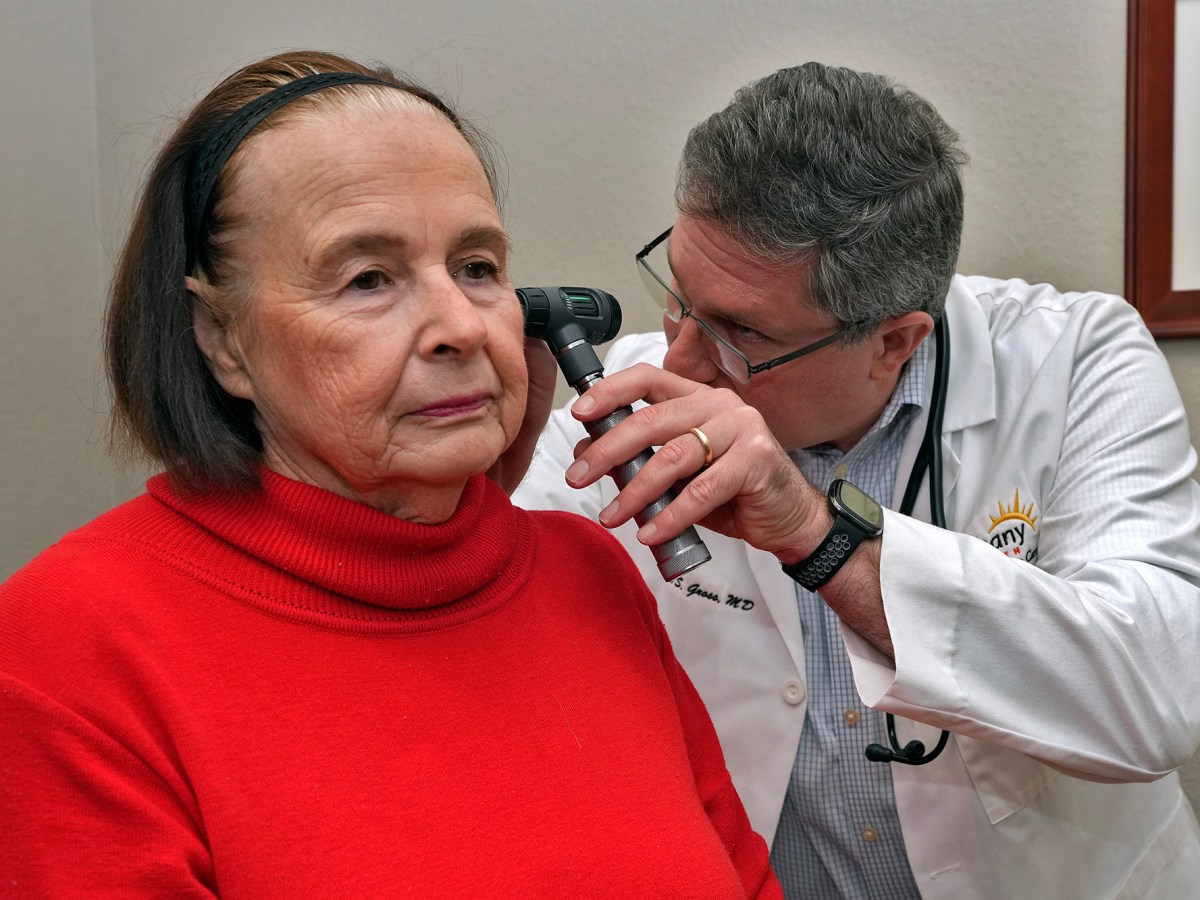
Here’s how it works: Patients pay a monthly membership fee, which gets them round-the-clock access via text or phone to their doctor, as well as no-copay visits and a menu of procedures and diagnostics that include simple sutures, EKG or a rapid strep test. The clinic’s monthly fees depend on age, with the most expensive being $75.
Several local businesses cover memberships for their employees, and those workers make up a large chunk of the clinic’s patients.
By avoiding the work required by traditional insurance, the clinic cuts costs and doesn’t need to generate visits to generate income, Bartholomew said. Instead, “we’re doing whatever’s going to be the best and the quickest for the patients.”
When their patients experience emergencies or need specialist care to treat more severe illness or chronic disease, they will act as navigator and advocate, they say. They recommend people have a method for paying for those high-cost items, be it traditional insurance, catastrophic plans or alternatives like healthshare ministries.
Still, patients rely on them to help guide them through what can be a byzantine maze of decisions with quick answers, same-day appointments and an approach geared toward what’s best for the patient.
“I tell them, ‘I don’t work for that health system, I don’t work for this health system, I don’t work for the hospital down the street. I work literally for you,’” Bartholomew said.
Still selling it
Despite what they feel is proof of concept, the doctors of 307Health still find they have to sell it to many prospective patients, they said. Amid a rise of concierge or boutique-style practices, there is a lot of confusion about what exactly direct primary care entails.
At the October meeting, Bush said benefits of the direct primary care model include reduced administrative burden, more time with patients and burnout mitigation.
“Physician satisfaction within [direct primary care] is unbelievably high,” she said. Because doctors oversee smaller pools of patients, patients see benefits like longer visits and same-day services, she added.
However, she said, those smaller physician panels can also reduce the system-wide primary care capacity, leaving a larger burden on the doctors remaining in the traditional care models. Other skeptics worry it will further fragment care by creating gaps between providers.
Drs. Tracy, Chandler and Bartholomew, however, say that in their experience, the opposite is true.
“I think it’s working because it helps patients,” Tracy said. “If it didn’t, I think we would be out of business.”

My whole family uses Dr. Tracy and he has been absolutely wonderful. It’s nice to text a doctor and get a response in short order. We’re not afraid to ask a question or for a visit because of the costs (and we have medical insurance). This model would work in other Wyoming communities.
Certainly not a new or novel idea. My parents directly paid the doctor and hospital bill 77 years ago. A big step back to free enterprise.
I’m a member of a Direct Primary Care clinic in Riverton (Haven Direct) and it’s awesome! Healthcare the way it should be.
Thank you for highlighting direct primary care, and congratulations to the 307Health team on 11 years of serving Powell!
As a fellow Wyoming DPC provider here in Sheridan, I see how quickly health costs add up for rural families, and how much DPC can help. As both a small business owner and a healthcare provider, I know traditional insurance has become out of reach for a lot of people. DPC offers a more reasonable way to plan ahead and take care of yourself and employees without breaking the bank.
– Fewer costly detours: Same-day access and direct contact with your provider means many problems get handled early, without a long drive to urgent care or an expensive ER visit.
– Predictable costs: A flat monthly membership with no visit copays makes budgeting easier, especially for families facing high deductibles.
– Affordable diagnostics: Labs and routine tests at or near wholesale pricing keep everyday care from turning into a financial burden or credit card debt.
– Smarter specialist care: When someone needs a specialist or imaging, we help them find a reputable option that’s also affordable, so they can skip unnecessary tests, travel and long waits.
– Time to prevent problems: Longer visits mean we can catch concerns early and manage acute or chronic conditions before they become emergencies.
In a rural state where insurance is limited and expensive, saving time, travel, mental energy and money really matters.
DPC isn’t a cure-all. It works best alongside coverage for major medical needs, like a catastrophic plan. But it’s a hopeful piece of the puzzle, and every Wyoming community deserves a provider with time to listen.
I’m grateful to Drs. Tracy, Chandler and Bartholomew for paving the way, and glad to be part of this conversation.