

Based on the most recent Department of Family Services intake data, reports of child abuse and neglect are down an astonishing 30%! Has Wyoming discovered the secret to preventing abuse and neglect?
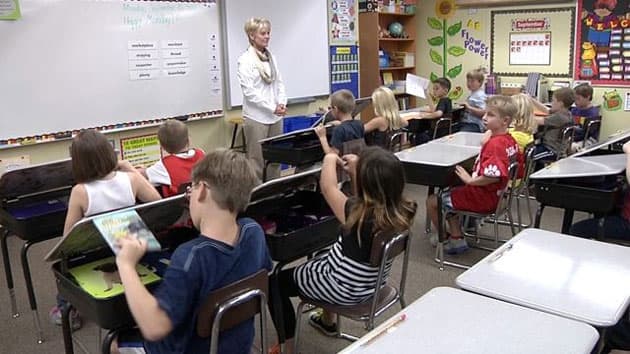
As much as we wish DFS could claim credit for the decline in reports, it is more likely due to temporary changes in how abuse and neglect are reported. Our department relies on teachers, doctors, police officers, and members of the public to report potential cases of abuse and neglect. With schools and child care centers closed due to COVID-19, many of these reporters are no longer in direct contact with children and families.
The sad truth is that abuse and neglect may simply be going unreported.
Schools are doing their best to maintain contact with families through e-learning, phone calls and mail. But, we know that not all families have access to the internet, a computer, a reliable phone or even a stable address and living situation. Those families most likely to go unseen are already under high stress and have the fewest resources.
DFS serves as a safety net for families on the brink, providing food stamps, utility assistance, child care subsidies and social services. Rising unemployment and lack of income could unfortunately push more children and families over the edge. Over time, we have learned many reports of neglect are related to a lack of resources — a stable, well-paying job and home environment and concrete supports for children and families — rather than a lack of love.
So what can we do now?
Reach out to your neighbors. Volunteer in your communities. Ask how people are doing. Ask them what they need. Ask them what is going well. You don’t need to have the answers, only be willing to help navigate. Helping others can help ourselves to feel more in control during this challenging time.
Government agencies and nonprofits can use creative solutions to reach families directly and to identify those at risk. For example, adolescent mental health providers are taking respite walks with kids to give parents and kids a much-needed break. Some municipalities are identifying households that suddenly stop paying their utility bills for referral to Wyoming 2-1-1 for utility assistance.
And ask for help if you are struggling. Asking for help is a sign of strength — you know yourself, your family, and their needs better than anyone. Call your local DFS office, school district, Wyoming 2-1-1, or neighbor for support.
And what about the future?
Research shows children do best when they can live safely at home and when their families have opportunities for success. The Family First Prevention Services Act provides new federal funding opportunities to states to prevent abuse and neglect. Wyoming will soon be launching its “WY Home Matters” initiative to take advantage of this opportunity to support children, strengthen families, and build resilient communities. We hope you’ll join us at a future community meeting.
Prevention of abuse and neglect starts at the community level, and each and every one of us has a role to play. While the numbers are moving in the right direction, we want them to be moving for the right reasons.

Excellent article – especially the paragraph ending with “rather than lack of love”.