


Though Margie Lynch may have a few decades on Sam Strauss, the two Teton County residents have a lot in common.
They’re both active outdoor recreationists, with Lynch, 58, donning skis in the winter and Strauss, 29, hopping on a snowboard. They’re both nontraditional workers — Lynch runs her own business, while Strauss balances seasonal and contract work as a wildlife guide.
Now, they’re both grappling with skyrocketing increases to their health insurance premiums.
“It truly just boggles the mind,” Lynch said. “It’s reflecting that our health care system is broken.”
If Strauss wanted to continue on her gold health insurance plan, her monthly premium would more than double, from $443 to $919. For Lynch, the bill would jump from $862 to more than $2,000 per month.
Strauss and Lynch could each choose less-optimal bronze plans, but even then, they would pay $810 and $1,585 a month, respectively. And those premium costs do not include how much they could pay in total after factoring in deductibles and out-of-pocket health care costs under the new plans. Both could climb to tens of thousands of dollars every year.

“It’s scary, staring down the barrel of almost $1,000 a month in just my premium cost,” Strauss said. “It’s anxiety inducing, and it’s causing me to ask myself a lot of hard questions and look at tough options, none of them good.”
The two women get health insurance through the Affordable Care Act’s Health Insurance Marketplace, also dubbed Obamacare. In October, the longest government shutdown in U.S. history began with Senate Democrats digging in their heels in an effort to extend the subsidies that have made Obamacare plans more affordable for millions of Americans.
Seven Senate Democrats and one independent voted last Monday to end the shutdown without securing the Obamacare subsidies. The subsidies are now set to expire at the end of this year, driving up costs for many people in Teton County and across the region and country. Though Republicans have promised a December vote on extending them, it’s unlikely that the measure would pass, particularly in the House.
“It looks like the enhanced premium tax credits will expire,” said Jenn Lowe, executive director for Healthy Wyoming, a coalition that advocates for Medicaid expansion in the state. “This is really challenging in Wyoming.”
The subsidies have been credited with nearly doubling the number of Wyomingites who enroll in Obamacare plans. Without the subsidies, the Wyoming Department of Health has estimated that up to 20,000 people in the Equality State could opt out of health insurance entirely.
“Expiring tax credits will force thousands of Wyomingites to go without health care insurance,” Lowe said. “This is a gamble that will not pay off for many of our friends and colleagues and neighbors.”
“It’s what we’ve been warning about,” said Eric Boley, president of the Wyoming Hospital Association, in reaction to Strauss’ and Lynch’s premium hikes. “I don’t know how people are going to afford their insurance” without the subsidies.
Strauss and Lynch do not want to forgo health insurance. Instead, they’re among the Teton County residents grappling with what to do.
“I’m 58. I have real concerns that I may need some pretty significant health services,” Lynch said. “I don’t want to bankrupt myself making sure that I have the care that I need.”
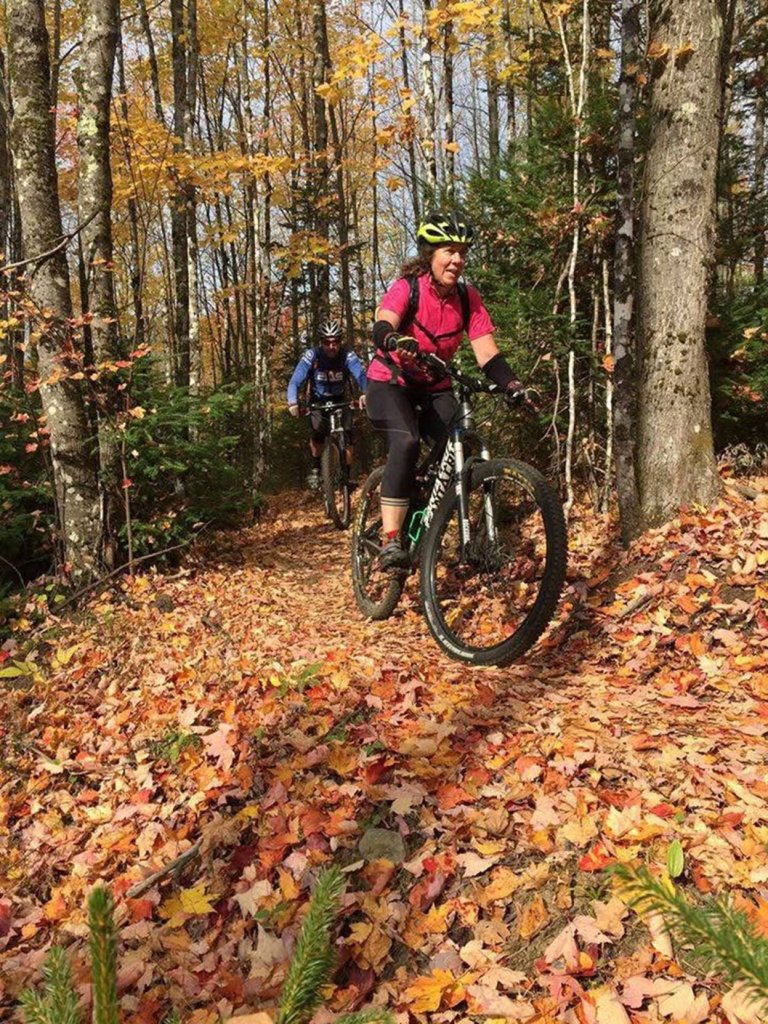
Lynch plans to look at other options, but considers whether she may have to pay up and shy away from accessing care in light of a sky-high deductible.
“I’m wondering if I am going to have to bite the bullet,” Lynch said. “And just not procure any services unless they are free, or I’m in desperate need of them, to avoid the $10,600 of the deductible.”
Unexpected cancer is among Lynch’s worries, as are costs if she were to be injured in an accident given how active she is. She is considering lifestyle changes, including whether to change how she works in order to qualify for health care coverage through an employer.
Strauss is also considering changes, including declining some contract work.
Though the looming Obamacare subsidy expiration would affect people on Marketplace plans across income levels, it will deal the biggest blow to people who make more than 400% of the federal poverty level, or $62,600 in 2025. People who make beyond that will be cut off from tax credits, some of which still would be available to people at the lower income levels.
Strauss’ yearly income hovers right around that level. Given the nature of her work, how much she earns in a given year is unpredictable. That could put her in a bind. If she makes too much, she may face thousands more in health insurance costs. If she makes less, she may have to dip into her savings to afford insurance and deductibles.
“I’m having to choose between saving for a home here in Wyoming and just not having insurance, or just living paycheck to paycheck in order to continue to afford insurance,” Strauss said.
“I feel such sadness for the people of this state who have some really hard decisions to make. And I also feel a lot of anger towards the politicians that are throwing working-class Wyomingites under the bus here.”
Sam Strauss
The prospect of declining work in order to access subsidies was disheartening.
“I feel passionate about what I do. I feel like there’s purpose in what I do,” Strauss said. “Saying no to doing that feels like an antithesis to this idea of a hard-working young person trying to make a good future for themselves.”
Other people in Jackson Hole may face even more of a financial hit, putting a decision to enroll in Obamacare plans off the table entirely.
Miga Rossetti, who purchased an Obamacare plan for her family of four in 2025, faces a monthly premium of $4,301 for a bronze plan. That’s more than $50,000 a year, without even considering a hefty deductible of $21,000 before insurance will pay a dime of health expenses.
“It’s a nonstarter,” Rossetti said. She and her husband are exploring catastrophic plans for themselves and student health plans for their two daughters in college.
“Republicans believe that taxpayer dollars should go directly to people who are making their own decisions about health care for their families, not the insurance companies.”
Sen. John Barrasso
Strauss said she could weather $919 a month, which she said was a privileged position. She worried about people faced with harder decisions.
“I feel such sadness for the people of this state who have some really hard decisions to make,” Strauss said. “And I also feel a lot of anger towards the politicians that are throwing working-class Wyomingites under the bus here.”
U.S. Sen. John Barrasso, Wyoming’s top congressional lawmaker and the second-highest-ranking Republican in the Senate, decried the Obamacare subsidies in comments on the Senate floor over the weekend. Barrasso formerly was a doctor.
“Republicans believe that taxpayer dollars should go directly to people who are making their own decisions about health care for their families, not the insurance companies,” Barrasso said. “Let the American people decide what works for them and their families.”
The senator’s words were “disgusting and disheartening” to Strauss, who said Barrasso was abandoning thousands of people in Wyoming who want insurance. She contested his logic about letting Americans decide.
“He’s offering agency, when he’s limiting our choices,” Strauss said.

Representatives for U.S. Sen. Cynthia Lummis and Rep. Harriet Hageman did not respond to emailed requests for comment.
Blue Cross Blue Shield of Wyoming, the only company that offers Obamacare plans to people in Teton County, attributed rising health insurance premiums to having to pay more for health care and medication. The subsidy expiration might add an additional burden, it said, estimating that more than 10,000 Wyomingites might be at risk of going uninsured next year.
“We understand that the expiration of the enhanced subsidies will put additional financial pressure on individuals,” CEO and President Diane Gore wrote in an email. “Unfortunately, without an extension, some Marketplace purchasers with higher incomes will see a significant increase in health care premiums.”
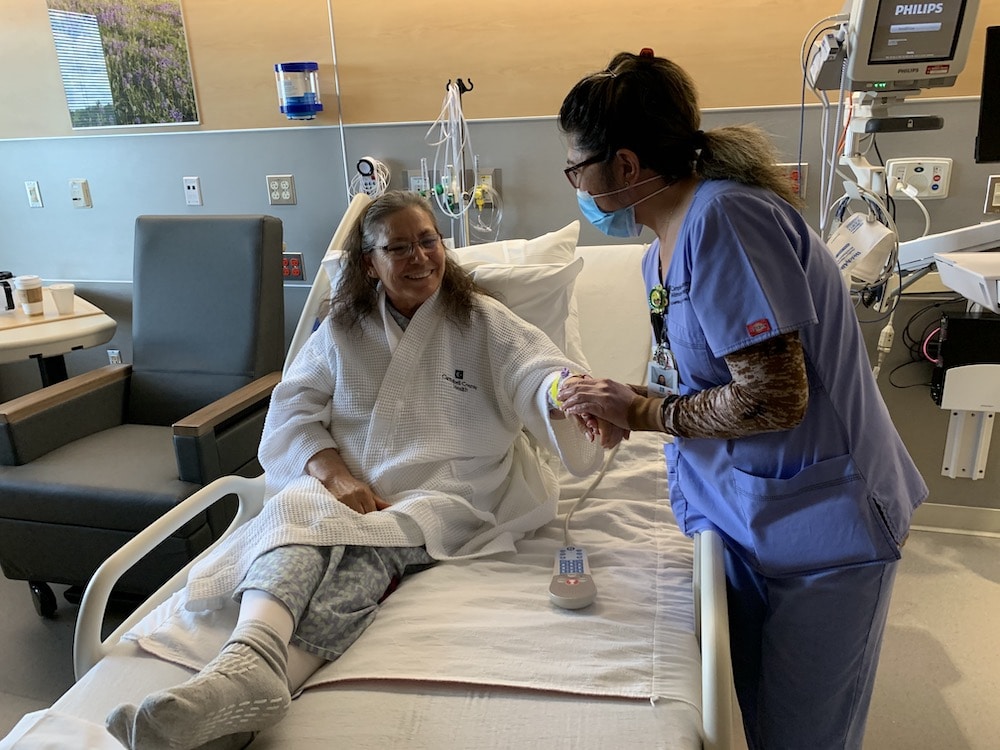

Lynch has written of her concerns to Barrasso and Lummis, who also acknowledged access to care as important but railed against the Obamacare subsidies.
“They both signal that they support larger reforms to health care costs,” Lynch said. “I agree, but they can’t leave us in the lurch while that gets worked out.”


According to ChatGPT (grain of salt) the ACA raised costs by 10-30%. I suspect Wyoming, because of the lower existing regulation is on the higher end. Do we want to talk about that? How much would allowing us to buy across state lines lower cost (why we can’t do that now is beyond me)? How about we talk about how to control costs rather than just shift them? I guess that wasn’t on the DNC talking point memo…
Over 15 years I have watched my firm’s health care costs rise anywhere from 8% to 15% annually – and see similar numbers with others both in state and out of state. We were forced out of our grandfathered plan as well about 3 years into the ACA – in order to keep our increase to 12% for the following year.
I’m seeing families in the last couple of years with $3,600 or more in monthly health care costs that are now approaching $4,000/mo. While the ACA had some positives – pre-existing conditions being one of the positives – overall the ACA kicked the can forward 15 years to the crisis you are now seeing.
If seasonal and contract work as a wildlife guide are insufficient to fund your lifestyle – especially in Jackson – then maybe it is time to find a different line of work vs expecting the taxpayers to fund your health insurance while you continue to snowboard in the winter. Most of us have to work jobs that may not be exactly what we enjoy doing every day, but it’s what we do to put a roof over our head, food on the table and cover our health insurance. Many sectors of the economy that pay better and provide health insurance go unfilled. Obama Care was meant to subsidize those unable to secure a better economic position, not fund a lifestyle by choice.
Perfectly said Rob.
Obamacare\ACA yanked affordable Healthcare away from millions of middleclass Americans strapping massive deductibles to their backs that they didn’t have before ACA was enacted.
How dare people pursue a lifestyle that isn’t approved by chrump lemmings?
Your gop still has no aca alternative. They never have. Slurp slurp
Healthcare isnt a natural human “Right” Chuck.
Anything that requires the services of others isn’t a Right.
If people choose a career that doesn’t include employer provided Healthcare that is their choice and they are free to do it. But millions have been penalized to cover those that have chosen that “lifestyle”.
None of that has anything to do with Trump, no matter what he’s telling you in your head.
There’s no such thing as a natural human right. Get real. Rights are given by man, notice that many in the world don’t have any.
I’m trying to understand what you just said Gordon.
So I guess you wholly disagree with the Declaration of Independence?
You apparently think that humans only have Rights that other humans in positions of physical power or authority give them?
I would argue that every human being has these rights regardless where they live and that other humans in positions of power do not grant them these rights but strip them away.