

This editorial is part of our Sunshine Week coverage — shining light on the importance of public records and open government — March 16-22.
Spend enough time around politicians and government officials, and you will invariably hear them tout the importance of transparency. It makes sense. Government transparency is one of those pleasant bromides that politicians mention because they know voters expect it. It sends the message that your taxes will be well spent, that civic matters will be decided fairly, that government excess will not only be addressed, but exposed for the world to see.
Opinion
On the surface, that’s all great. We want our politicians to be transparent about their decisions. We want to know how public money is being used, why the government chooses one project over another and who is receiving campaign contributions from shadowy organizations. This is Sunshine Week, a time to recognize the importance of obtaining answers to those and other questions.
But transparency demands more than talk. And when you spend time around politicians, you soon realize that those who tout transparency the most are all too often the ones who fail to live up to that promise. For too many of them, transparency is a buzzword, a political cliche turned cudgel to beat back skepticism from pesky reporters and equally pesky citizens.
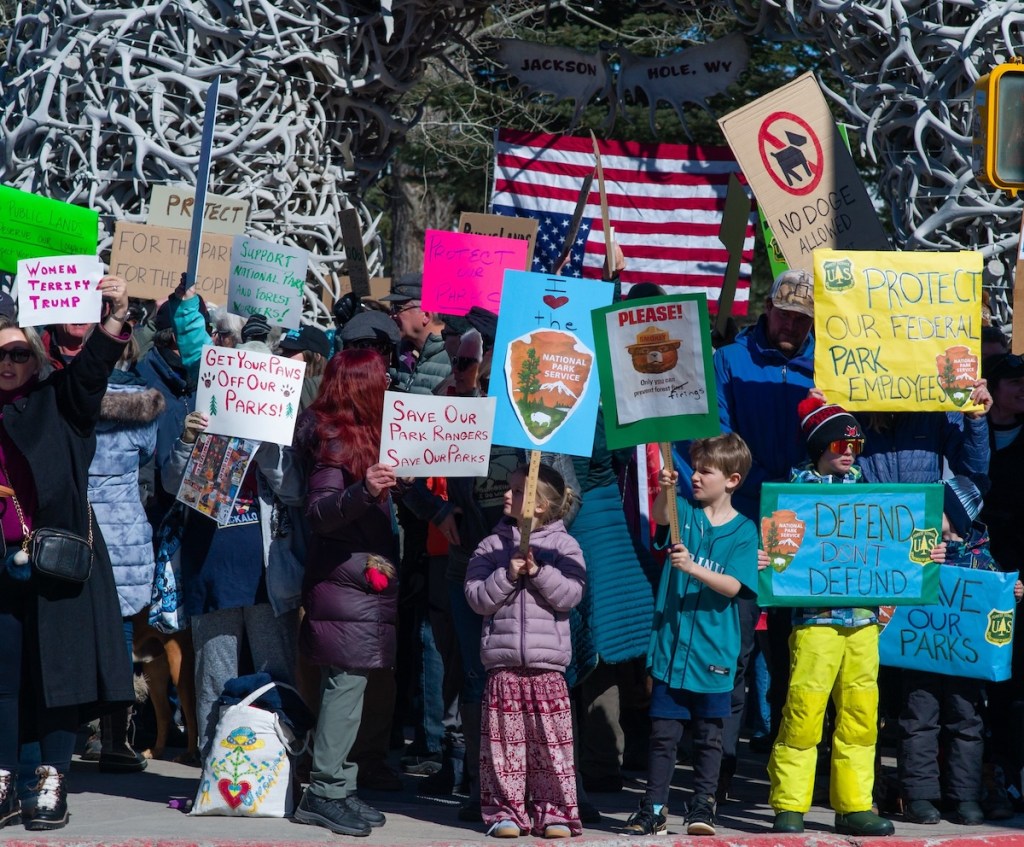
Here’s an obvious example. On Feb. 25, White House Press Secretary Karoline Leavitt stood before a room full of reporters at a press briefing and declared that the “Trump Administration has already proven to be the most transparent ever.” Eleven days earlier, the administration had begun a mass firing of government workers, affecting an untold number of civil servants in Wyoming. We still don’t know many details.
That’s not for lack of trying. WyoFile reporters have repeatedly contacted various government agencies to learn how many workers were laid off, but officials either ignored those requests, declined to comment or made banal statements about “optimizing government operations.” More than a month later, the “most transparent administration ever” still hasn’t provided basic information about job losses or service impacts.
On a certain level, we’ve grown to expect that our presidents, whether Republican or Democrat, will be less than forthcoming with us. But the failure to deliver on the promise of transparency regularly plays out in our backyards. In fact, it happens so frequently that we sometimes fail to recognize it at all.
On March 6, a winter storm battered Casper. The wind howled and roads iced up. As the snow fell, a student was injured at the Natrona County School District’s downtown bus hub. The district transports roughly 5,000 students daily on its buses, and parents reasonably wanted to know what had occurred. How else to ensure the hub is a safe place for their children?
The following day, Casper police and the school district issued a joint statement informing the public that no one would be cited for the incident. Both agencies indicated they had performed some sort of investigation or review. But what exactly did they review? Was the student hit by a bus or did they fall in the snow? Did the injury result from a systemic failure that can be fixed to prevent a recurrence? We don’t know. The statement didn’t say.
Officials stressed they couldn’t release medical or other identifying information related to the child. And sure, that’s reasonable. Even the most ardent advocate of government transparency won’t argue that a hurt child’s name or medical information should be publicized. But it strains credulity to assert that privacy rules barred police and the school district from answering the most basic of questions: How did a child come to be injured during a snowstorm at the taxpayer-funded school bus hub? Instead, agencies that boast of their commitments to transparency left the public with little choice but to trust that government adequately investigated itself.
There’s no shortage of similar examples. There was the time the Department of Family Services refused to say whether it was investigating sexual assaults at a juvenile detention facility in Casper, claiming the mere acknowledgement of a government inquiry would somehow risk identifying individual children. Or the fact that state legislators, when passing the law that governs the release of public records in Wyoming, specifically exempted themselves from such oversight.
But recounting these disappointments won’t effect change. True transparency requires us to insist on government openness that extends beyond cliches and platitudes. Our congressional delegation would be more willing to provide answers about government cuts if enough constituents asked questions, and demanded legitimate answers. Our local governments would likely provide adequate information if citizens call them out when they use privacy laws to block the release of information that isn’t actually private. The next time a government official promises transparency, it’s up to all of us to hold them accountable for delivering.


I’ve got my SPF50 slathered on. Bring on that sweet sweet sunshine.
Transparency though would undermine most everything that’s going on right now. If you were a politician you’d just catch more anger from those who receive all their news from Fox or other sources made to be entertaining. I appreciate your article and tried hard to avoid sarcasm, but then….