

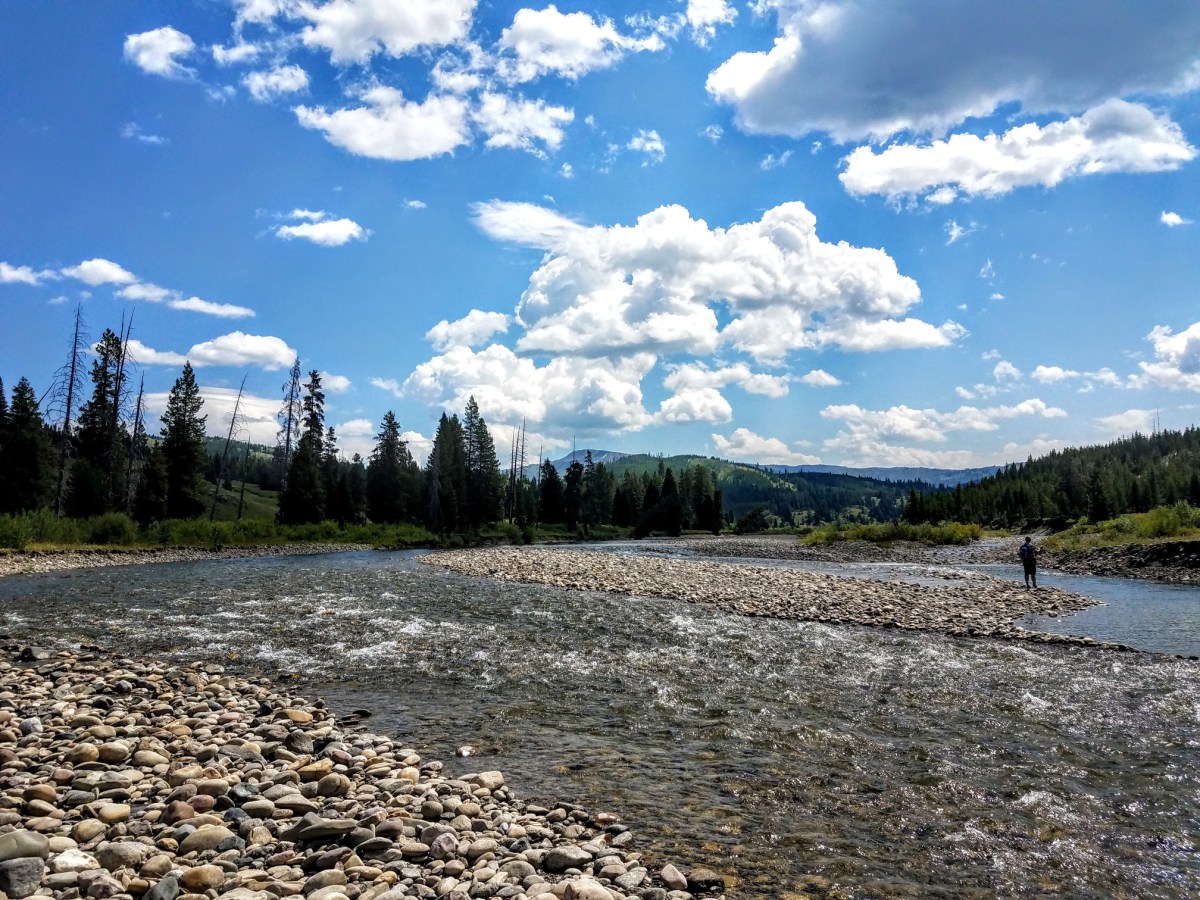
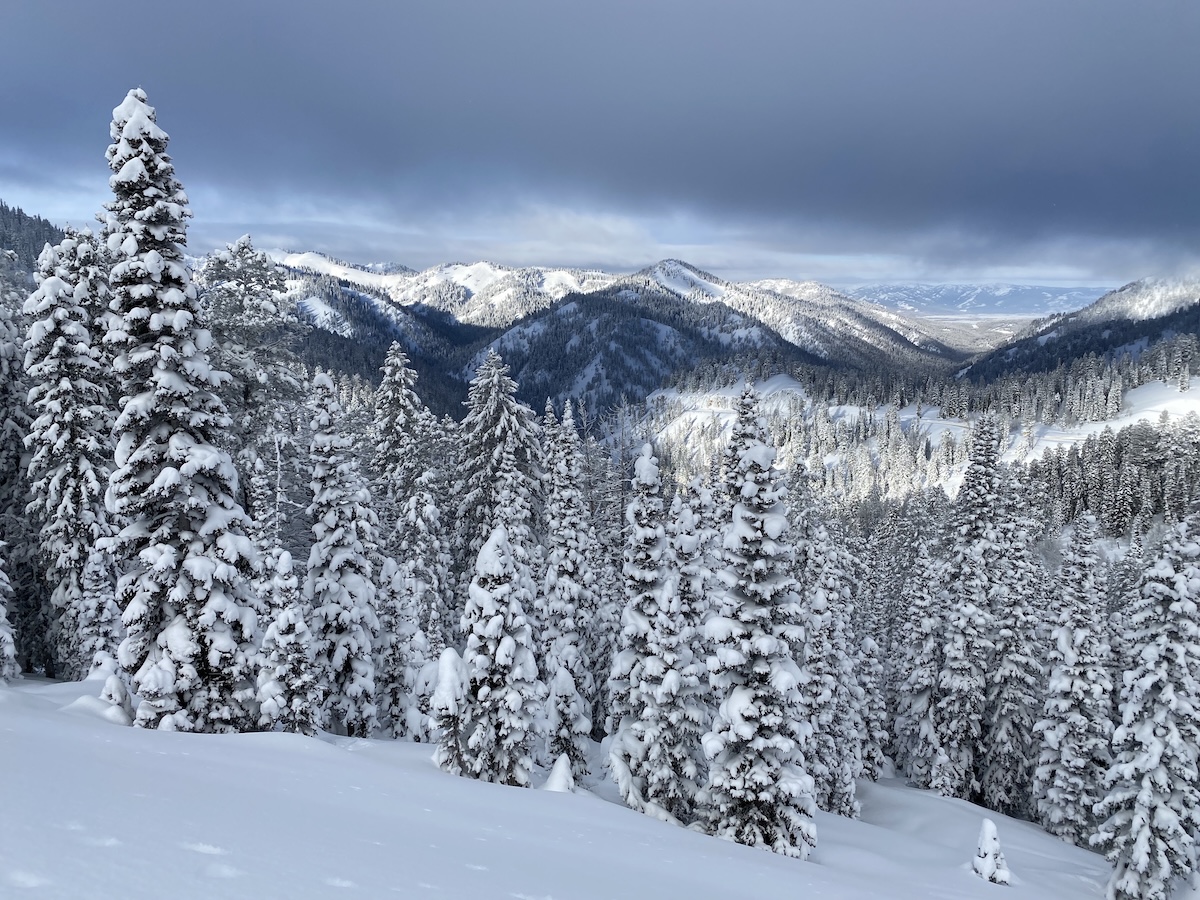
During last winter’s peak, the snowpack blanketing southern Yellowstone National Park — mountains and snowfields that feed the high reaches of the Snake River — was sitting pretty good.
“We were right near average,” said Jeremy Dalling, a civil engineer who leads water operations in the Upper Snake system for the Bureau of Reclamation.
Once April hit, however, so did a prolonged period of dryness now extending into July, with just 60% of normal precipitation. A lack of precipitation, low base flows in rivers and exceptionally poor soil moisture also made for rough conditions going into the winter of 2024-’25.
Squeezed by aridity on both ends, the Snake basin’s roughly 100% of average snowpack both melted off early and went into the ground instead of rivers and creeks.
“It’s a compounding effect, actually over several years, that can lead up to this,” Dalling said, referring to record-low levels in the Snake River above Jackson Lake, even in the wake of a decent snow year.
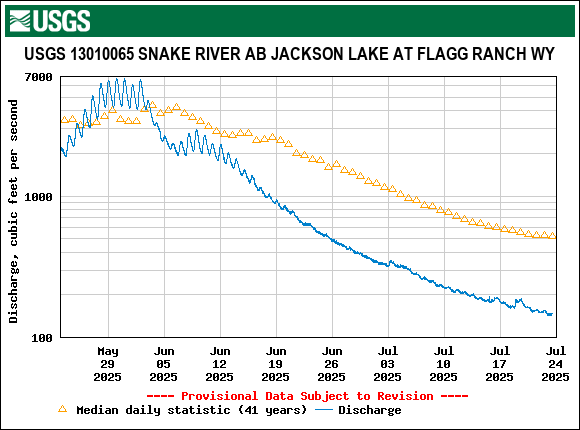
As of Wednesday, the U.S. Geological Survey’s river gauge above Jackson Lake was detecting less water than it ever had before during the last week of July. Just 147 cubic feet per second — a relative trickle — were passing by the Flagg Ranch gauge. In 41 years of recordkeeping, that’s the lowest by a large margin. The previous minimum flow for July 23 was 263 CFS. This time of year, the typical flow coursing through the Flagg Ranch Canyon is 516 CFS, meaning the dismal dribble presently detected is only 28% of average.
“We’re experiencing August [river] levels in July, more or less,” Dalling said. “It’s a system-wide drought condition.”
The decent snowpack resulting in dismal or worse summer river flows is a dynamic that also carried over to the southern Rocky Mountains this year, said Jeff Lukas, a climate and water researcher who spent 20 years as a scientist with the University of Colorado-Boulder.
“Things just happened to look really good on April 1 this year and increasingly shitty after that,” Lukas said.
Reds, browns and yellows denoting record-low to below-average river flows also dominate Colorado’s USGS streamflow map.
Not all western Wyoming river reaches are running quite so thin in 2025. Counting all Teton Range tributaries, even Jackson Lake’s overall inflow isn’t the lowest on record, Dalling said. And lower down in the Snake, above where it hits Palisades Reservoir, the river flow on Wednesday was 3,870 CFS — a volume that sits in just the 5th percentile of flows for late July.
New record lows
But there are other western Wyoming river reaches running at new record lows, the USGS’ statewide monitoring shows. The Wind River near Kinnear on Wednesday was carrying 295 CFS, less volume than any other July 23 in 40 years of recordkeeping.
And the Bear River above Woodruff Narrows Reservoir is holding a pittance of water. Just 2 CFS were flowing Wednesday, a meager 7% of the median 31 CFS that have been detected over 63 years of data.
Like in the Upper Snake, those basins have been plagued by poor soil moisture. The thirsty soil is soaking up any precipitation at a rate that negates last winter’s decent snowpack and rainfall that’s come down.
“Soil moisture west of the divide — except for a couple holes — has been really pretty poor here for quite a while,” Wyoming State Climate Office Director Tony Bergatino told WyoFile.
It’s not all bad. Northeast Wyoming and the Bighorn Basin are faring well, modeling shows. But one of the maps that Bergatino monitors shows that modeled soil moisture in some regions of Wyoming is also bumping up against record low levels for late July.
“As you get down into the Green River Basin, and much of the state across the south, the [model] is showing basically zero to second percentile [soil moisture],” Bergatino said.
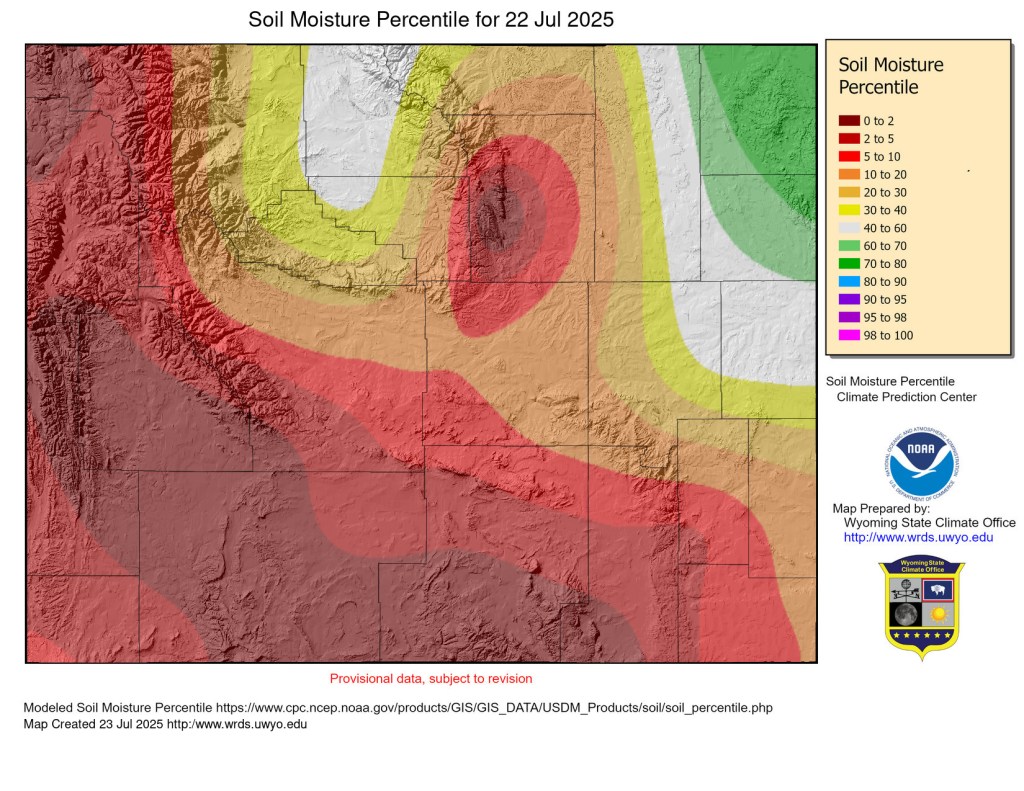
A different soil moisture map that models conditions with more precision is also registering near-record low readings, and it shows that the most dismal conditions are at the highest elevations.
Meanwhile, severe drought has set into portions of the Snake, Wind, Green and Bear river basins, according to the U.S. Drought Monitor.
A downstream disconnect
Lukas, the Colorado climate and water researcher, pointed out that the relationship between snowpack and river flows isn’t as solid as many think.
“If you have an 80% of normal snowpack … even if you have normal precipitation the rest of the runoff season, you’ll get a 60 to 70% of normal runoff,” he said. “Over the last 20 years, a 100% snowpack more often ends up at 90% [runoff].”
As the climate has warmed a few degrees over the last several decades, the divide has grown — and it’s expected to keep growing, Lukas said.
“Each degree of warming is going to give us less runoff for an equivalent amount of snowpack,” Lukas said.
“Each degree of warming is going to give us less runoff for an equivalent amount of snowpack.”
jeff lucas
“Climate change is part of the story,” he added. “There’s just a bunch of feedback mechanisms: The drying soil, the fact that vegetation can now germinate and grow earlier, the snow is melting out earlier, temperatures are warmer.”
For Dalling, at the Bureau of Reclamation, there are major implications from the dwindling river flows, which are widespread in the basin he manages.
“It’s impacting reservoir levels all across the Upper Snake reservoir system,” he said. “Jackson Lake is faring better than others, being as full as it is, but we’re monitoring it day to day for the remainder of the season.”
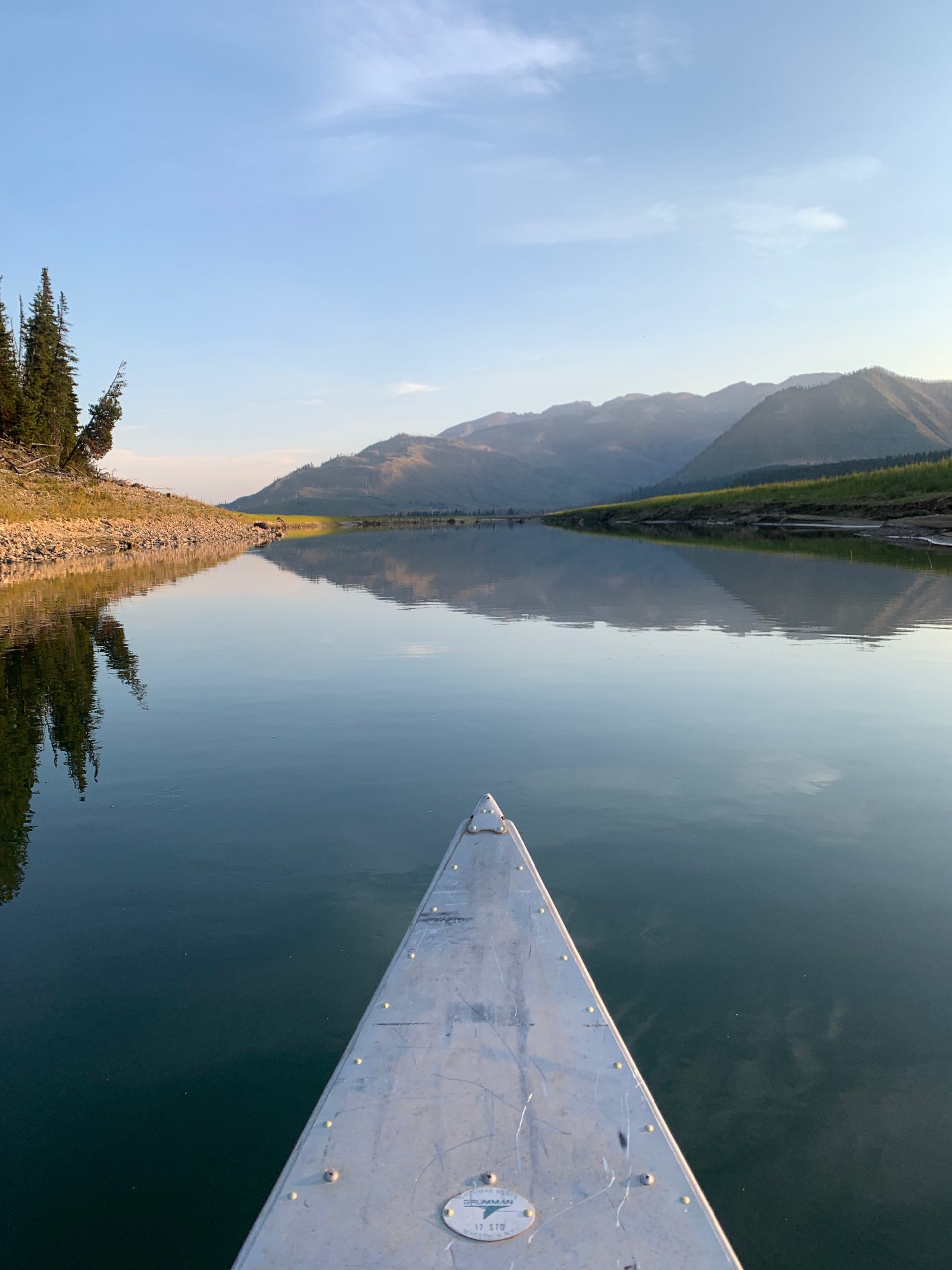
An almost complete draw-down year, like in 2021, isn’t looking necessary. But Jackson Lake, impounded by a 39-foot-high dam, figures to come down by quite a few feet.
“On the maximum end [of the projections] we’ll be 76% full in October,” Dalling said. “On the lower end, probably 65% full.”
The Snake’s spectacular cutthroat trout fishing is another factor that stands to suffer from the poor river flows, which have been joined by higher water temperatures.
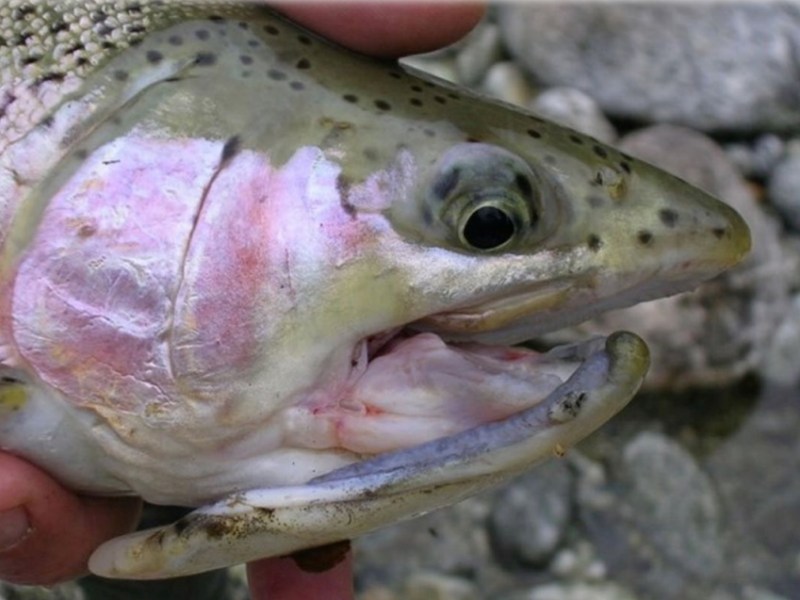
In mid-June, Yellowstone National Park instituted some time-of-day fishing restrictions, prohibiting angling after 2 p.m. in the Madison, Firehole and Gibbon river watersheds. The Wyoming Game and Fish Department has not had to implement similar restrictions, but on Tuesday, the state agency sent out a public notice encouraging best practices for fishing in the heat. That guidance includes ceasing catch-and-release fishing anytime stream or river temperatures exceed 70 degrees — a threshold that can make the fight a lethal affair.
“Stream temperatures have been getting close to critical points on a number of tributaries of the Snake,” said Darren Rhea, Game and Fish’s Jackson Region fisheries supervisor.
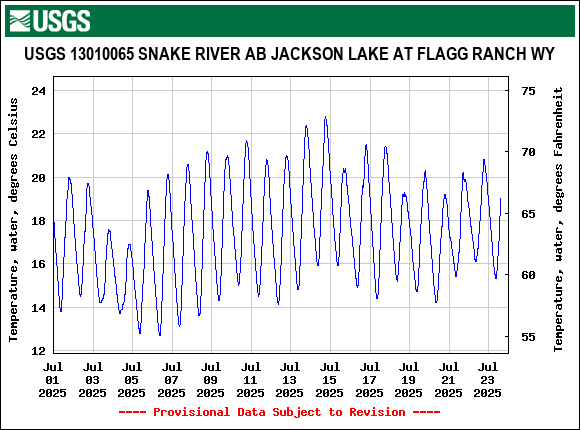
That’s true on the Snake River itself, also.
Above Jackson Lake, where flows are the lowest on record, the thermometer on the Flagg Ranch gauge climbed up beyond 70 degrees on a handful of days so far in July.

Yes its getting more like climate change is real as time goes by, I have regular discussions with friends and neighbors. People are starting to pay closer attention to our own yard and dont like what coming….more drought and hotter across the board is obvious. I read a summary of world water supply and its amazing the shortage there is. Our arch enemy Iran may the worst off as they dont even have enough drinking water. A sign of things to come here maybe, If climate change is true then we all will meet our demise eventually by unbreathable air or not enough drinking water to sustain life ? Yes thats a ways down the road and I will never see it at my age but I am sure my great grandkids and there kids will !
Will Wyoming’s Representatives and Senators be vocal and work to address climate change? Though I don’t live in Wyoming, I visit so often and love your state. PLEASE start working on this!
I went back and reread a Feb. 18, 2025 article in Wyofile entitled ” Wyoming tribes push to control reservation water as the state proposes sending it to outside irrigators.” I was struggling withe 296 cfs flow near KInnear but found out that isn’t too unusual. What really shocked me in the Feb. article was 2 statements – they are:
“According to the EPA, by 2015, snowpack in the Winds had diminished by as much as by 80% ”
“More recent reports have found that average temperatures in the ecosystems around the Wind River reservation have risen 2.3 degrees since the 1950s ”
These are shocking numbers but what really caught my attention was the similarity of our numbers to the climate crisis in Iran. Iran is in the process of completely falling apart due to a 5 year drought – their whole society is disintegrating -reservoirs north of Tehran are almost completely dry, electrical generation reduced and rationed, industries shutdown due to lack of water, electricity and natural gas. The mountains north of Tehran no longer are capped in snow. The average temperature rise is 1.5 times the worldwide average over the last 50 years. Millions of farmers have abandoned their farms and moved to the big cities only to find water and electricity in the cities are rapidly depleting. The whole country is on the verge of collapse.
Are we looking at the same scenario??? No snow in the Rockies, Winds, Cascades, etc. ???? obviously climate change repercussions.
If Trump would only sign an Executive Order to defund river gauges, stop all monitoring and modeling of snow pack and soil moisture, we wouldn’t have this problem.
I’m so glad to have good reporting on the issues. If Wyoming can teach anything to its people, it is to pay attention together. I am motivated to keep asking my elected officials how they are leading us with policies that maximize our adaptive capacity with the urgency required. We’re pretty darn good adaptors, so let’s work together for policies that reduce emissions and develop adaptations for the least among us, raising all boats.
Colorado has three massive projects in the works on the Front Range for storing more water. It’s not going to work. We are going to run out of water folks.
And meanwhile, despite all evidence, Wyomingites continue to vote for candidates who do everything they can to make things worse. This is insanity.