

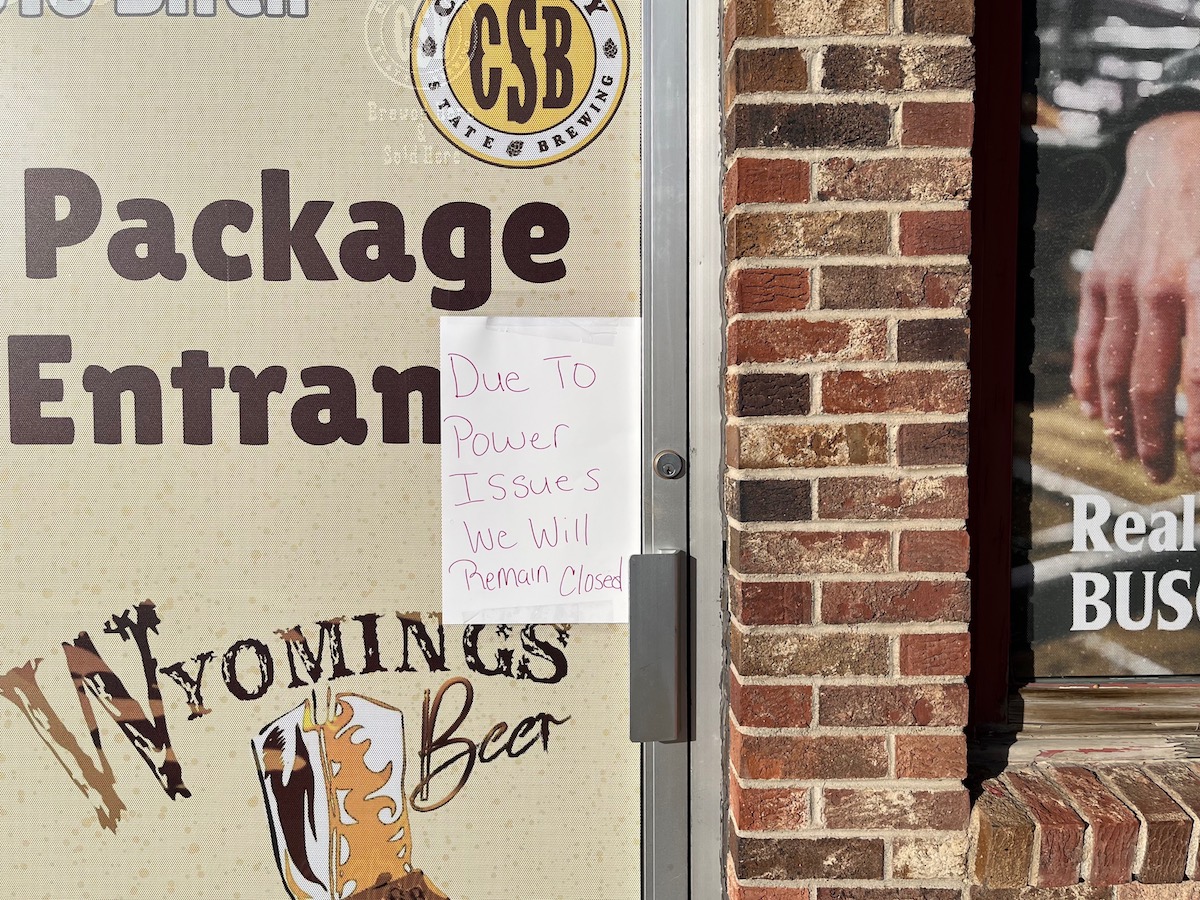
The massive, multiple-utility power outage last fall that left some 250,000 customers across parts of Wyoming, South Dakota and Montana without electricity was the result of miscommunication and inadequate procedures during planned maintenance that required de-energizing a power line in southcentral Wyoming, according to a report.
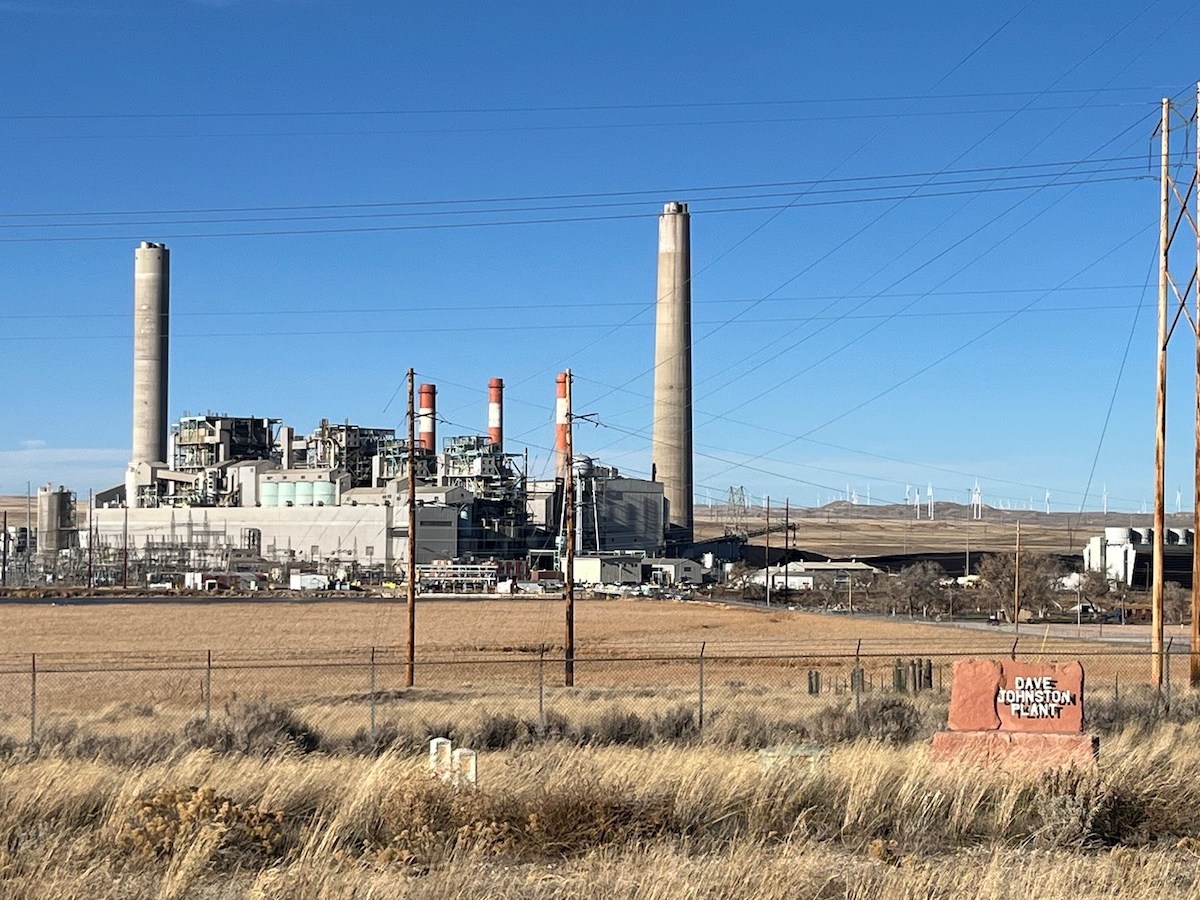
The Nov. 13 incident left thousands of homes and businesses without power for 9.5 hours — longer, in some cases — and knocked out a coal-powered generator outside Glenrock. The unit at the Dave Johnston Power Plant remains offline, leaving Rocky Mountain Power to backfill some 300 megawatts of electricity — enough to power about 225,000 homes.

Without expressly assigning blame to any one party, the report — conducted by the Western Electricity Coordinating Council and the North American Electric Reliability Corporation — indicates a series of communication breakdowns between PacifiCorp (parent company of Rocky Mountain Power), the Western Area Power Administration and, to some degree, electrical grid coordinating teams.
While it’s unclear whether authorities such as the North American Electric Reliability Corporation might pinpoint fault and assess penalties, the Wyoming Public Service Commission has called on Rocky Mountain Power to appear at a hearing to explain “the specifics and details of the event and report,” a public notice announced, and it “may consider and take any action that is in the public interest.”
The public hearing is scheduled for 10:30 a.m. Aug. 7 and can be live streamed here.
What happened
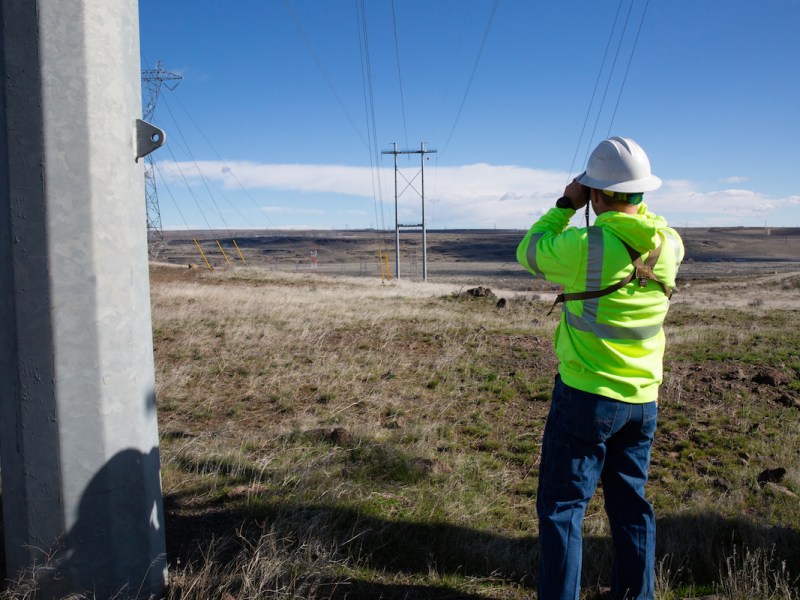
According to the 49-page report published in June, PacifiCorp and the Western Area Power Administration were coordinating maintenance on their respective systems that, together, required temporarily de-energizing PacifiCorp’s Aeolus–Clover 500 kilovolt line, which runs east-west and is anchored, in part, by a substation near Medicine Bow.
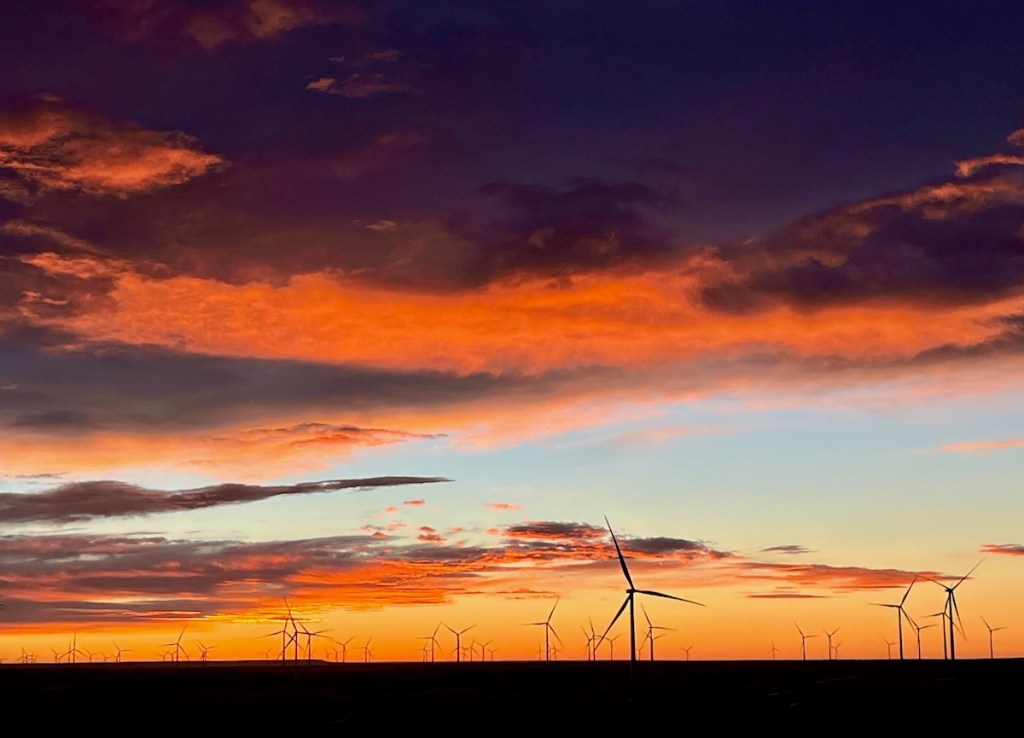
The effort also required curtailing some local wind energy from feeding the grid, according to the report. But on the day of the planned maintenance, Nov. 13, there was confusion about whether the Western Area Power Administration would scrap its work, so wind energy wasn’t curtailed as originally planned.
The report indicates that modeling tools might have failed to accurately measure local grid conditions, so when the power line was de-energized, “power flow rapidly redistributed throughout the northeast portion” of the local grid. “Within six seconds,” according to the report, “an electrical island formed and collapsed, causing widespread effects across that portion of the interconnection.
“The disturbance,” the report continues, “culminated in the loss of more than 4,800 [megawatts] of generation from coal, natural gas, photovoltaic and wind resources.”
The cascading power failure began at about 12:45 p.m. on a Thursday, dragging down portions of service territories operated by Rocky Mountain Power, Black Hills Energy, Montana-Dakota Utilities and some rural electric co-ops.
The report points to failures in communication, process deficiencies and inadequate modeling tools. Wind energy was not “identified as a contributing factor,” according to the report. It credits both battery storage and wind energy throughout the impacted area for supporting “a faster frequency recovery across the interconnection” and for providing “readily available capacity during system restoration.”

Its amazing what dumping 2000 megawatts, at 1 time,can do ro frequencies. Heard it took the turbine right out of the pedestal, damn near, at DJ. Question is. Are rate payers responsible for the damage and the lost generation that they might have to buy on the open market to make up.
Thank you Dustin (and WyoFIle) for continuing to report on this. I am wondering what the cost to ratepayers might be for “backfilling” the loss of the DJ unit?
Yes and on july7th in casper it took till 5pm to fix one transformer on the substation on Robertson rd.