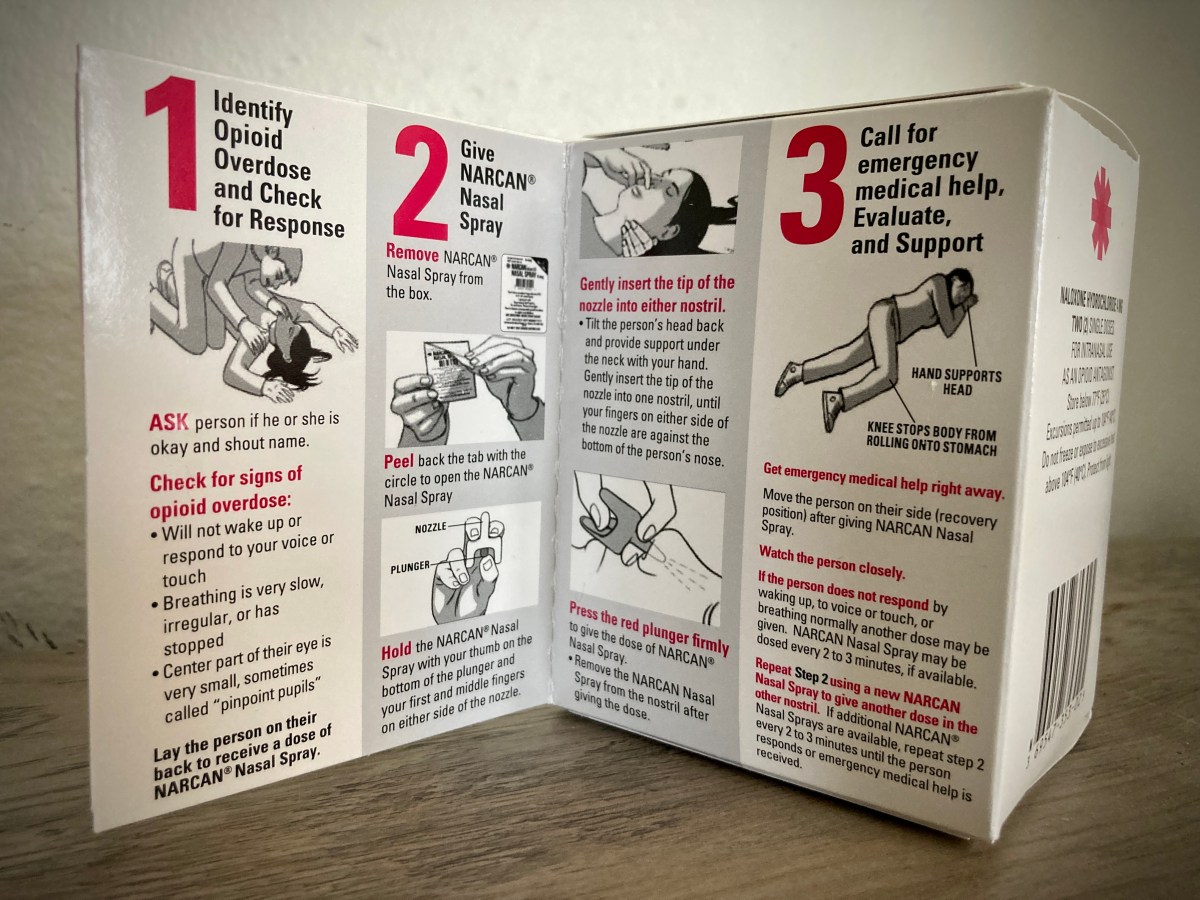
Wyoming residents can use a new online tool to find free doses of naloxone, a drug that reverses the effects of an opioid overdose.
The Community Naloxone Resource Map is designed to help residents access the life-saving drug in their communities. The Wyoming Department of Health launched the site as part of a raft of opioid overdose response resources that include providing naloxone, commonly known as Narcan, at no cost to Wyoming businesses and organizations.
“Having naloxone on hand can prevent an opioid overdose death,” said Rachel Nuss, health department community prevention unit manager, in a release. “We recommend that anyone keep this tool in their first aid kit.”
By mapping out access to naloxone in Wyoming, Nuss said, “our goal is to make it easier for individuals to find it at no cost.”
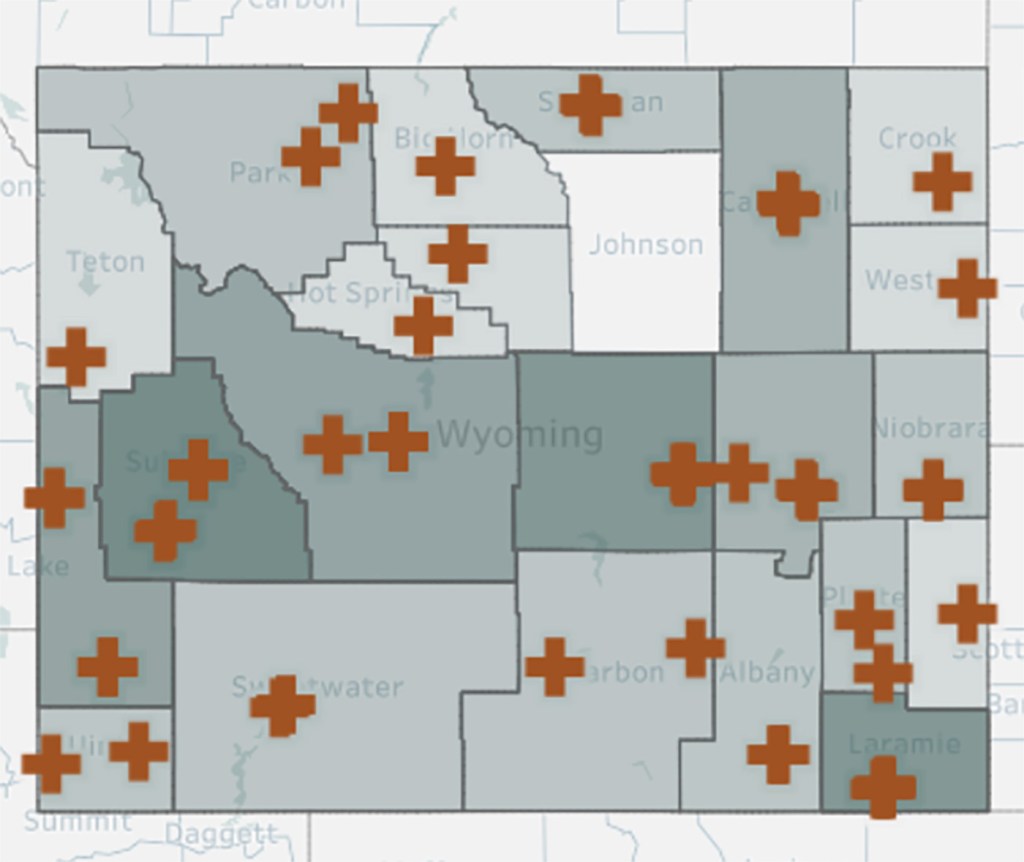
The map lists 30 sites in 22 of the state’s 23 counties. They ranged from public health offices in Rawlins to the volunteer fire department in Lusk and a Sublette County library. The department has updated the site since its launch; as of Friday, only one county, Johnson, did not have a resource site listed.
Because appearing on the map is voluntary, Nuss told WyoFile, it doesn’t reflect every location where naloxone is available. The drug is also available over-the-counter through pharmacies and major retailers.
Life-saving
Across the country, the number of opioid-involved deaths has spiked in the last 20 years, driven by prescription opioid drugs, heroin and most recently, synthetic varieties like fentanyl. In Wyoming, opioid-involved fatal overdoses climbed from 46 in 2019 to 84 in 2024, according to the health department, before falling to 54 in 2025.
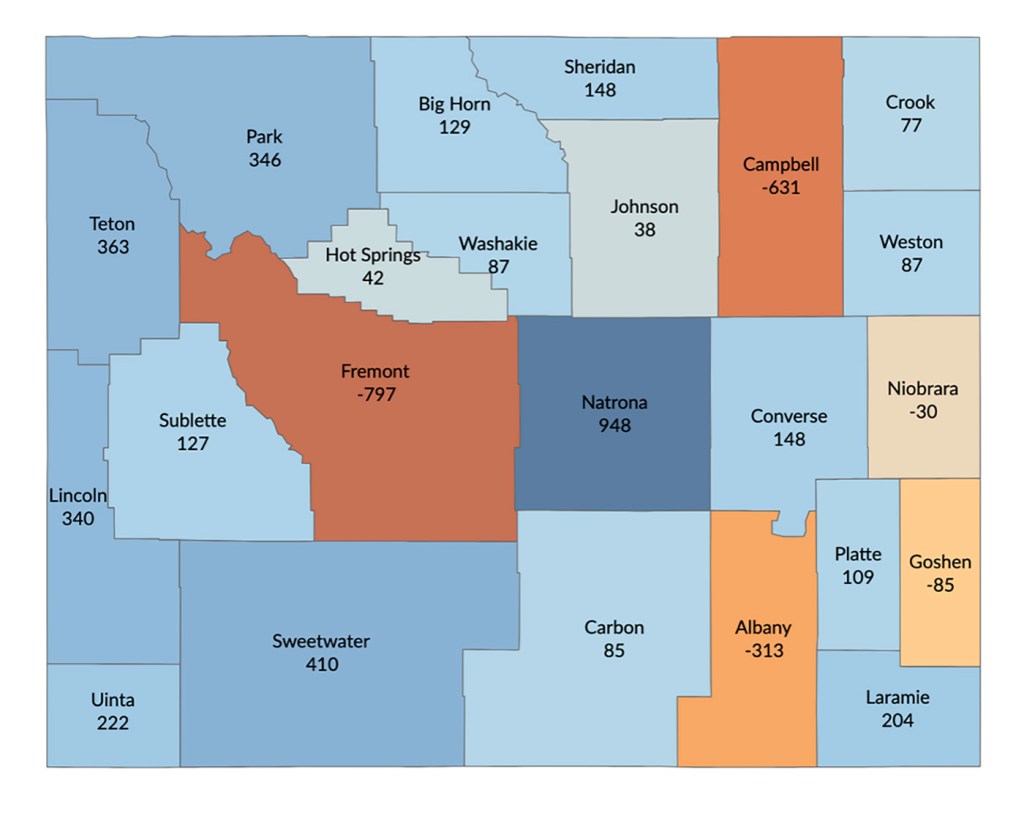
From 2020-2024, the state’s highest rate of opioid-related deaths occurred in Sweetwater County, followed by Fremont.
Wyoming has pursued a combination of state-funded initiatives and the use of settlement money from lawsuits against pharmaceutical companies to tackle the opioid crisis. As of January, Wyoming has received $10.7 million in settlement funds.
The state’s efforts focus, among other things, on increasing access to Narcan.
The life-saving drug reverses the effects of an opioid overdose. Administered through the nose, the drug helps restore a person’s breathing to normal, which can buy vital time until emergency responders arrive. It does not require advanced training to use, making it a tool that friends, bystanders or family could use.
Wyoming businesses or organizations can access free Narcan from the health department to have on hand in case of an overdose or to distribute it to their employees, clients or the public.
State lawmakers in 2025 passed a “good Samaritan” law, which offers legal protections for individuals seeking medical assistance for themselves or someone else experiencing a drug overdose. Wyoming was the last state in the union to enact such a law.
Data and funding
Wyoming hospitals are responsible for ordering the largest share of Narcan doses from the health department, followed by law enforcement/emergency services and nonprofit organizations. Schools, construction companies and religious organizations have also ordered the drug. Laramie County, the state’s most populous, has ordered 1,550, the highest number of doses. That’s followed by Fremont County, the state’s fifth-most populous, with 1,466 doses ordered.


The state has allocated or earmarked millions of dollars in opioid settlement funds, meanwhile. This includes projects for expanding outpatient treatment and prevention work, providing law enforcement with safe testing equipment and working with detention centers on prevention among inmates.
The Wyoming Department of Health also offers fentanyl test strips at no cost as well as resources for opioid substance use treatment and for those interested in opioid overdose response training.
Correction: This story has been updated to reflect that Johnson County is the only one without a free site listed on the state’s new map. -ED.