


Wyoming’s carbon capture mandate at coal-fired power plants saw several amendments last week and will head to the Wyoming Legislature’s Senate Appropriations Committee before potentially being considered on the Senate floor.
The Senate Minerals, Business and Economic Development Committee advanced Senate File 42 – Low-carbon reliable energy standards-amendments on a unanimous vote Friday. The bill would amend statutes created by Wyoming’s controversial 2020 law, House Bill 200 – Reliable and dispatchable low-carbon energy standards. The law requires utilities to study the viability of capturing carbon dioxide emissions from coal-fired power plants in the state — a multi-million dollar expense that their captive Wyoming ratepayers must cover.
Proponents of SF 42, including Gov. Mark Gordon, say the 2020 law must be updated — primarily to move a compliance deadline of 2030 back by several years to allow carbon capture technologies to advance and to garner more interest from private investors. Senate File 42 would also exempt utilities with fewer than 10,000 customers due to the financial burden of studying and potentially retrofitting coal plants with the technology.
Actually implementing carbon capture at existing coal plants in Wyoming could come with a price tag of $500 million to $1 billion per coal unit, according to initial estimates reported by utilities Black Hills Energy and Rocky Mountain Power. There are five coal units currently under consideration for such retrofits.
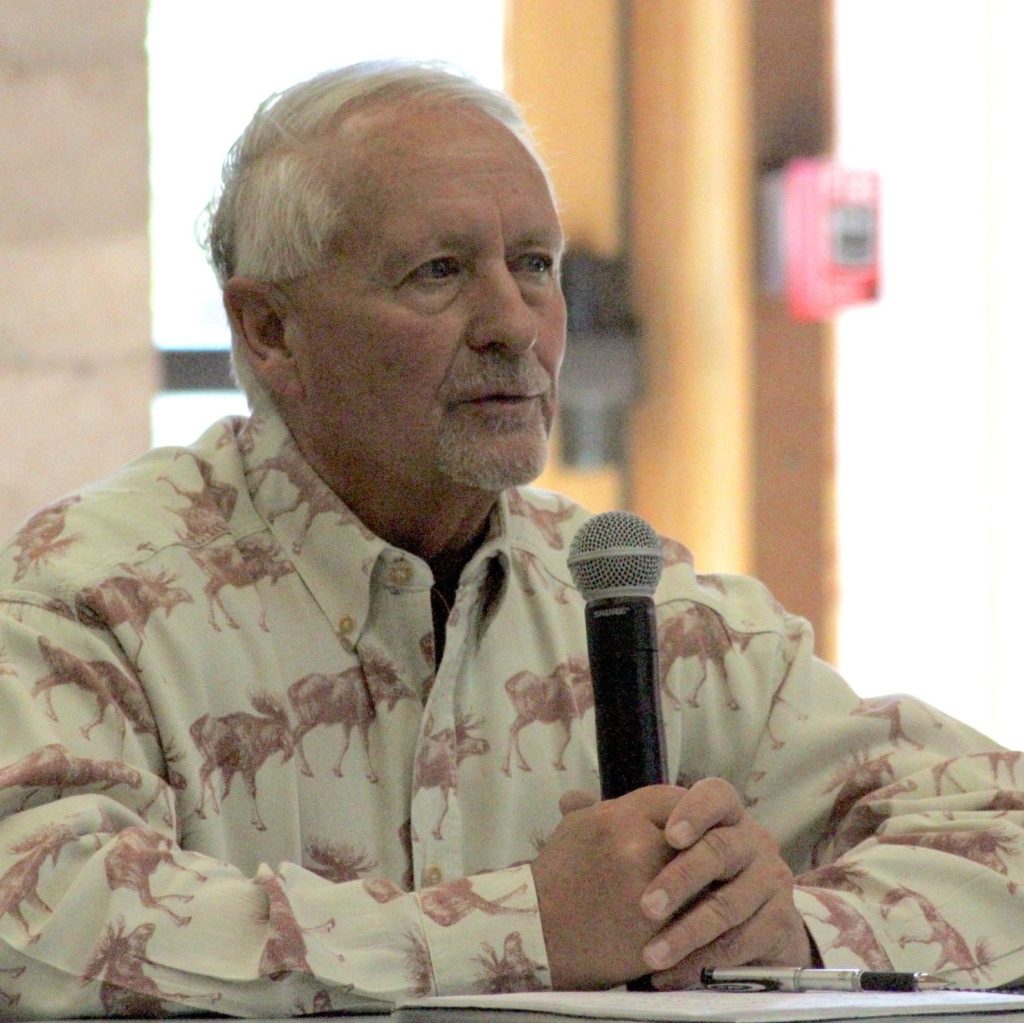
“[House Bill 200] was never meant to be set in stone,” Gordon’s energy policy advisor Randall Luthi told committee members last week. “I welcome working with utilities on what amendments can actually make it more usable and get us to the end goal — and that is, let’s get some carbon capture units on coal-fired plants.”
Luthi admitted that retrofitting old coal plants — some of which range from 40 to 50 years old — might not be economically feasible. But if Wyoming can successfully demonstrate even a single carbon capture retrofit, it might convince other states to continue burning Wyoming coal and buying Wyoming coal-based electric power generation. “If we do that, there’s no reason that the technology cannot be exported — to those 26 other states that currently rely on Wyoming coal, and to other countries as well.”
But critics, including the Wyoming Office of Consumer Advocate, say Wyoming’s coal carbon capture mandate may not be worth salvaging. Aside from operational risks, the cost is simply too much, they say, because the entire financial burden will likely be borne by Wyoming ratepayers alone.
“[Senate File 42] explicitly says that not only final construction and operation of a carbon capture unit is in the best interest of ratepayers, but the costs of all work up to the point of operation, including analyses, engineering studies, pilot projects, and other testing and experimentation can be recovered [from] ratepayers,” said Shannon Anderson, attorney for the Sheridan-based landowner advocacy group Powder River Basin Resource Council. “It’s likely that the end result of all of that is going to be an absence of a viable project, and ratepayers will have paid millions into something that is never going to be put to useful life for customers in Wyoming.”
Moving targets
Luthi has argued that Wyoming can’t afford not to try to extend the life of aging coal-fired power plants in the state. Communities such as Glenrock and Rock Springs rely on the jobs and revenue generated by nearby coal-fired power plants, many of which may be retired in coming years.

Also, the staggering cost estimates to date are likely to come down, according to Luthi. The federal “Section 45Q” tax credit program for carbon capture and storage was expanded under the Inflation Reduction Act. The program should entice third parties to take on carbon capture retrofits so that Wyoming ratepayers are not on the hook for the expense, he said.
“Ideally, HB 200 would provide the framework where a company could come to a utility and say, ‘We’re willing to put that on there. We’re willing to pay for it,'” Luthi told the Senate Minerals Committee.
So far, utilities subject to the state mandate haven’t done a full analysis of cost recovery that could come from using carbon dioxide that’s captured at a coal smokestack and selling it for “enhanced oil recovery” — a significant potential revenue source, according to Luthi.
One issue that still needs to be worked out, committee members said, is what happens if a third party does not assume the cost of retrofitting a coal-fired power plant. Currently, Wyoming’s mandate includes a 2% cap on related costs that can be passed on to ratepayers. But the measure appears to merely allow up to 2% cost recovery at a time; it’s not a 2% limit for total costs, according to the resource council and Office of Consumer Advocate.
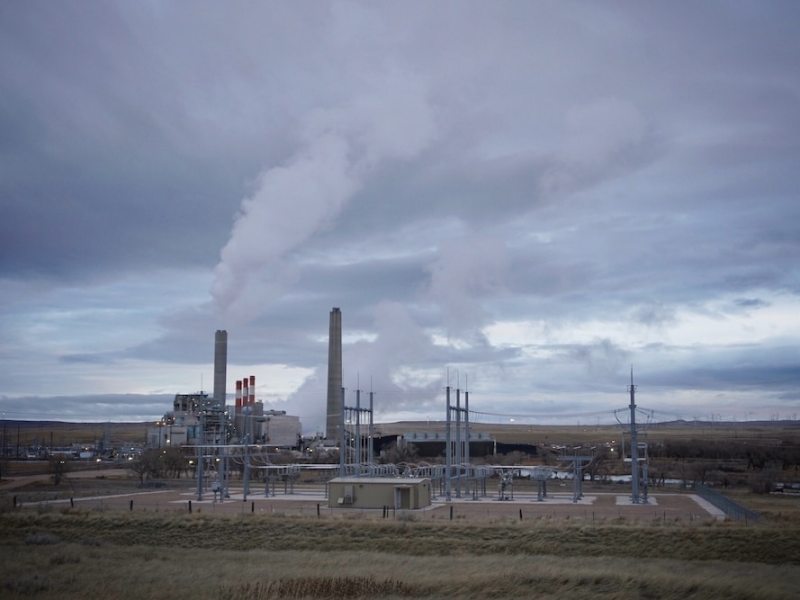

Instead of passing a bill to tweak several aspects of Wyoming’s coal carbon capture mandate, Anderson said, the Legislature should allow the utilities to seek an exemption, which is allowed under the current law. If cost analysis and engineering studies — which are underway — continue to suggest that retrofitting a coal plant is too expensive, the Public Service Commission may grant an exemption. Such a request and determination could come soon after Black Hills Energy and Rocky Mountain Power present their latest cost updates in March.
“Trying to fix HB 200 is a lost cause, in our opinion, and it will cost Wyoming real money,” Anderson said.
For more legislative coverage click here.
Coal carbon capture costs more in energy than is produced by burning the coal. Funding it with public money is therefore a de facto taxpayer subsidy to the power companies. Let’s invest in natural gas (for which carbon capture has a chance of working), uranium, and renewables instead.