


Wellspring Health Access, Wyoming’s lone procedural abortion clinic, had a victory last month when a Natrona County judge temporarily halted enforcement of the Human Heartbeat Act, a new anti-abortion law enacted in early March.
But the quickly changing, on-again, off-again legal landscape around abortion and long legal battles against new laws seeking to restrict the procedure have strained the Casper clinic’s staff and finances, forcing the facility to constantly pivot.
“There’s a lot of uncertainty with our staff, because they don’t necessarily know whether we’re going to be able to keep everybody on and employed,” Julie Burkhart, Wellspring’s president, told WyoFile Friday. “So it just adds that psychological and emotional stress.”
Within hours of that conversation, an appeals court issued a ruling that barred abortion providers from prescribing mifepristone, a medication used for abortions, over telehealth appointments and delivering by mail. Then on Monday, the U.S. Supreme Court temporarily blocked that ruling until at least May 11.
About 44% of medication-abortion patients that Wellspring serves use telehealth, Burkhart told WyoFile in a follow-up call Tuesday. “So it will definitely impact a percentage of our patients,” she said.
Burkhart added that the clinic is looking into “pivoting to another protocol to help people continue to access medication abortion via telehealth and mail,” depending on what the U.S. Supreme Court does next.

“There are different medications that we are reviewing at this time, our chief medical officer is reviewing very carefully, and we will be putting into place a policy based on his best medical judgment and with the medical evidence,” Burkhart said.
That being said, Burkhart said her organization would rather use mifepristone, a highly effective medication that has been FDA-approved since 2000.
“We would much rather use a medication that has proven to be effective,” Burkhart said.
Also on Friday, Gov. Mark Gordon signed an alternate provision that bars abortion after fetal viability, except to save a woman’s life. The provision returns Wyoming’s legal landscape around abortion to what it was before Roe v. Wade was overturned in 2022.
Burkhart said on Tuesday that this provision won’t have much impact on the clinic because Wellspring’s physicians don’t provide abortions past 23 weeks and six days.
“That’s our limit as an organization,” Burkhart said. “So even when the statute was on hold, we weren’t going any further.”
In his message announcing the ban, Gordon called again for a constitutional amendment to settle the abortion issue. Lawmakers attempted this year to pass a constitutional amendment, but it didn’t clear the required two-thirds majority vote.
The two events demonstrate the constantly changing legal landscape that Wyoming abortion providers must navigate.
Financial woes
The Heartbeat bill emerged in the wake of the Wyoming Supreme Court’s decision to strike down two other anti-abortion bills in January on the grounds of their unconstitutionality. The new law, which banned abortion after detection of a fetal “heartbeat,” sought to work within the constraints of the high court’s decision.
After taking effect in March, a Natrona County judge temporarily halted enforcement of the measure on April 24. The seven weeks it took effect had a “grave financial impact” on Wellspring, cutting the clinic’s revenue by about $100,000, Burkhart told WyoFile on Friday. That impact was on par with what the facility experienced last year when two anti-abortion measures became law for several weeks before a judge blocked them.
The financial strain was so pressing this time around that the clinic started a GoFundMe campaign, which brought in about $9,000, Burkhart said.
On top of the lost revenue, Wellspring and other abortion defenders caught up in legal battles against anti-abortion measures have racked up somewhere between $600,000 to $750,000 in legal fees, Burkhart estimated. That’s on top of pro bono legal work.
“Some of our representation is pro bono, but also, the attorneys representing us, who we do pay, they absolutely deserve to be paid,” Burkhart said.
“We’re very grateful to our supporters and our donors,” she continued. “This is part of what they have helped defray, and other plaintiffs in the case have also helped to bring in funding.”
Though Wellspring has experienced financial strains, Burkhart said the clinic hasn’t had to lay off any staff, nor has she seen anyone leave because of the uncertainty.
“We employ people from Casper, people whose livelihoods depend on coming to work and earning a paycheck, and so it’s very stressful for folks when we constantly have this yo-yo situation,” she said.
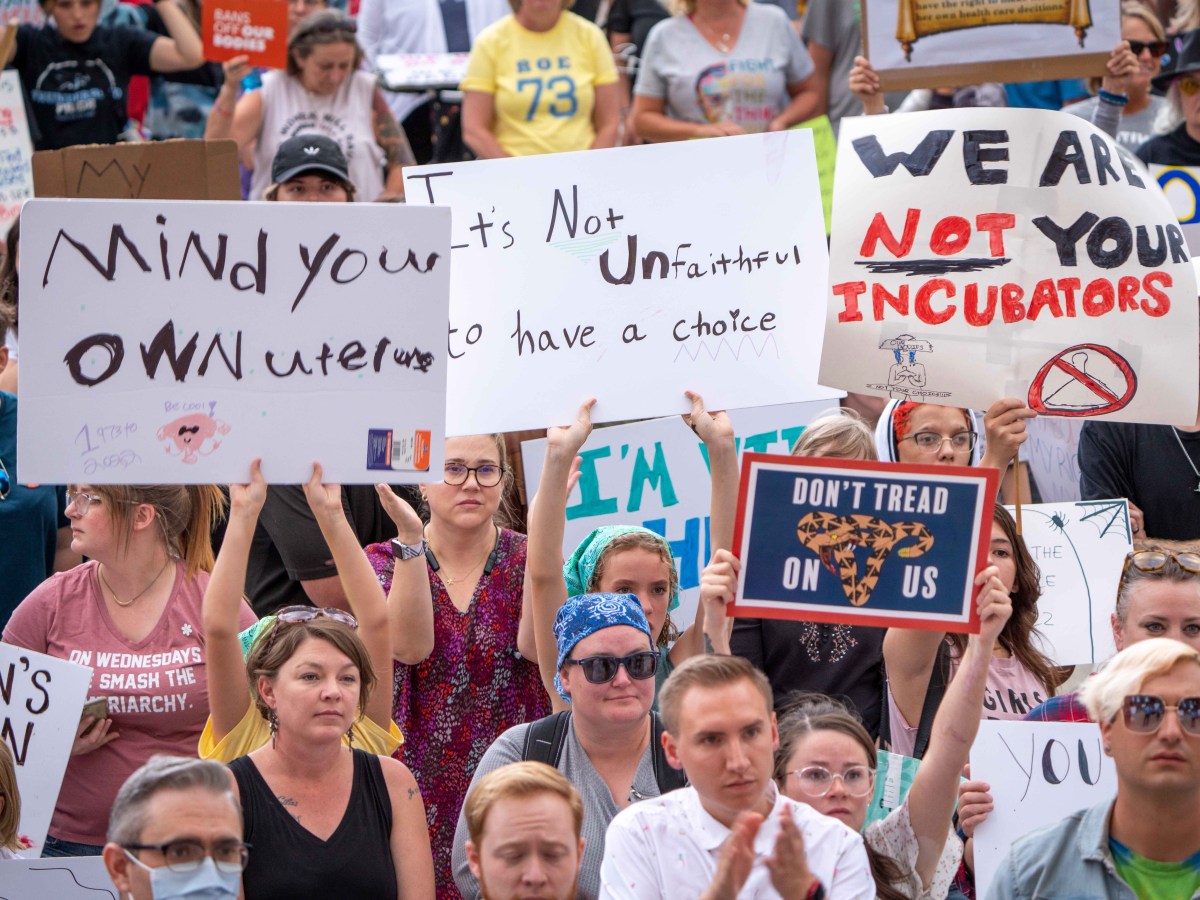
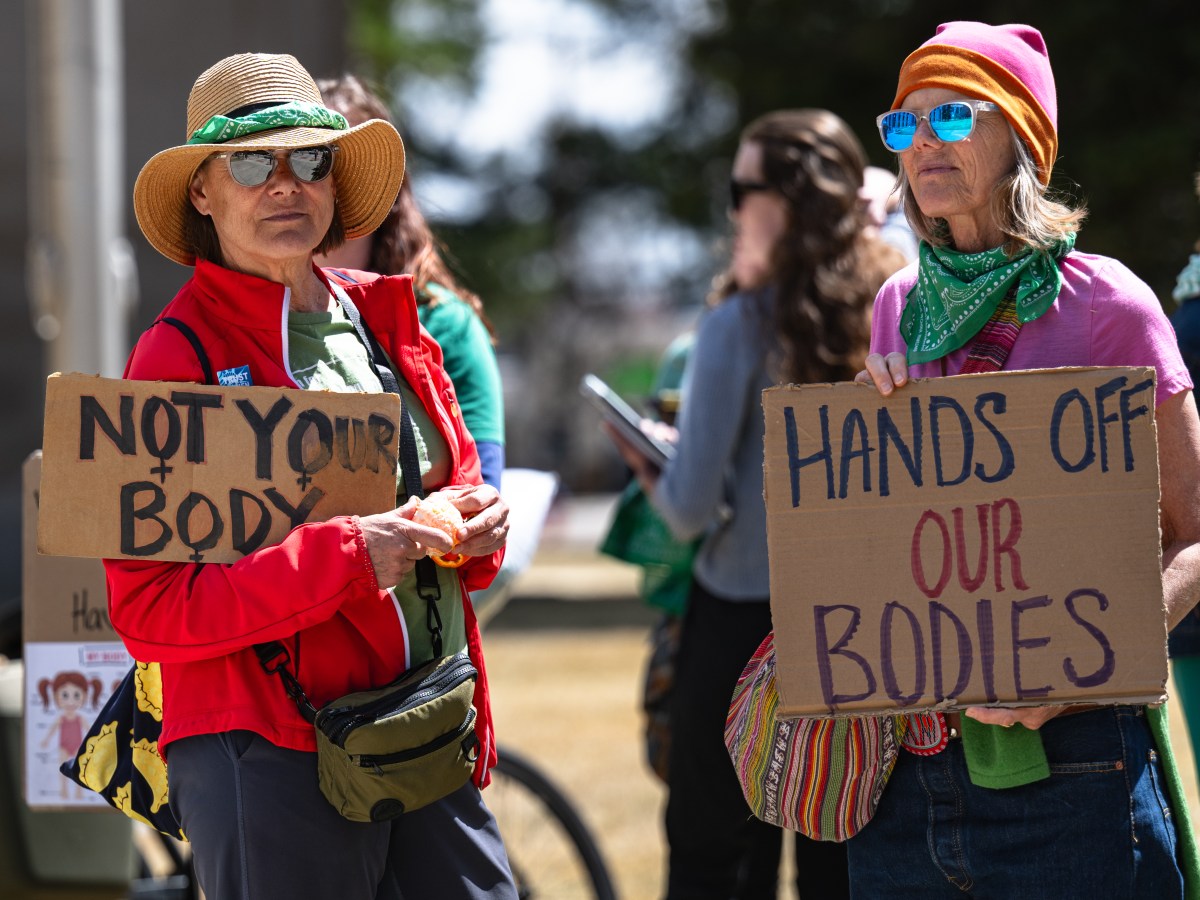
Now that the Human Heartbeat Act is temporarily halted, Wellspring is working on getting the word out to patients.
“Now, it’s a matter of having to communicate with people who might still think that we are operating under a ban, who might think we’re, for some reason, closed,” Burkhart said.
The clinic typically saw between 15 and 20 patients a week before the Human Heartbeat Act became law. That number dropped to as few as five a week under the measure. In the week after Judge Dan Forgey halted enforcement of the law, Wellspring saw eight patients.
“Last year, it took several weeks to get that schedule back to where it normally was,” Burkhart said.

“Wellspring Health Access looks into using other medications for abortions.”
Whether Dr. assisted suicides or medications to assist in killing the heart beat of the baby, the people of Wyoming spoke and its Legislature acted. The 10th Amendment clearly speaks against this practice through the people.
Amendment X
The powers not delegated to the United States by the Constitution, nor prohibited by it to the states, are reserved to the states respectively, or to the people.
Also the U.S. Supreme Court had review medicinal abortions and are considering turning it over to the F.D.A. for States that allow for abortion.
Meanwhile,
Any Judicial decision must be constitutional, however if wording is an issue? Then it can be ruled that way for change without compromising the intent of the law. And since that has happened in the 2026 Legislative Session, anything further, once again, can not change the intent of the law.
Also lets not forget, there’s no provision for “healthcare guarantees” in the U.S. Constitition or Bill of Rights.
Never-the-less, this law does not force no abortions, it only enforces the will of the People of Wyoming, not in Wyoming. Those seeking abortions must travel to a State that allows to have that procedure of ending that heart beat.
Just not in Wyoming!
Thank you for your understanding.