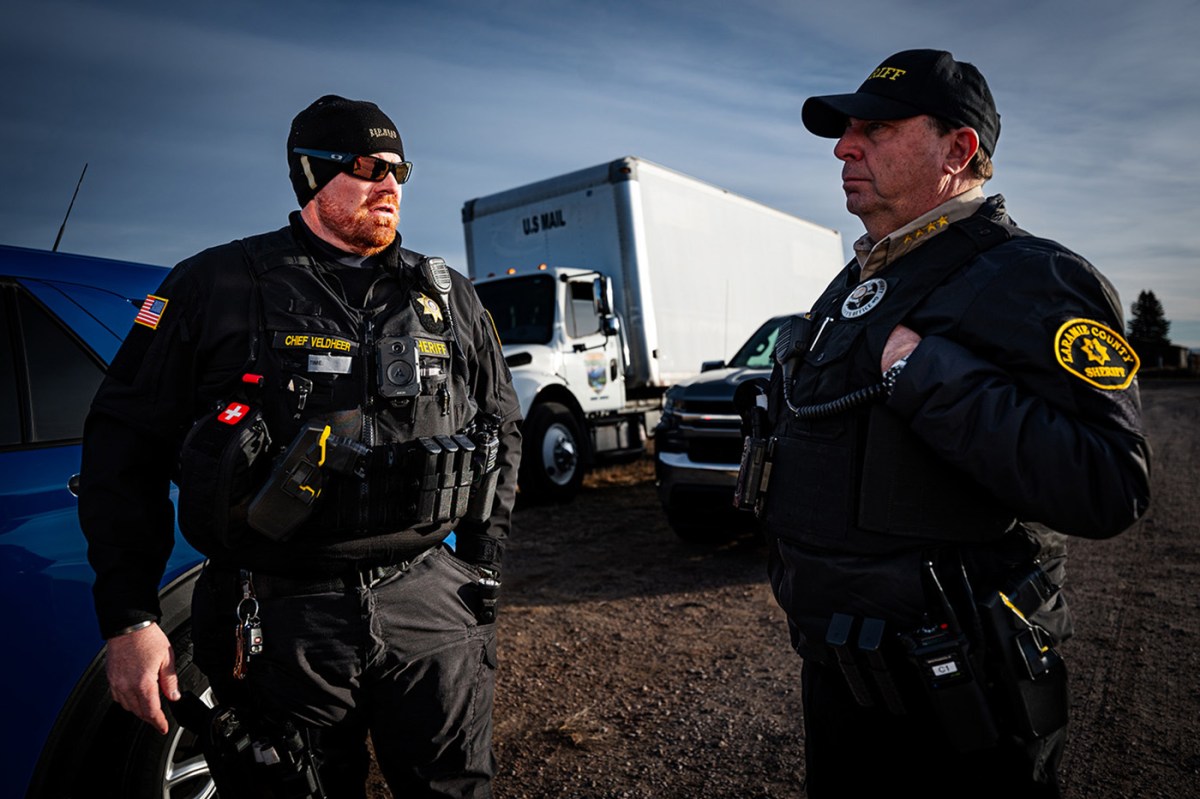
A church, a nonprofit advocacy group and a barbershop are suing the Laramie County Sheriff’s Office and its sheriff, Brian Kozak, over its 287(g) agreements with ICE. The lawsuit, filed last month, marks the first time the controversial immigration enforcement contracts have been legally challenged in Wyoming.
The first time may not be the last. Wyoming ACLU Senior Staff Attorney Andrew Malone, one of the lawyers representing plaintiffs in the lawsuit, said during a virtual forum Monday that the organization has since turned its attention to other Wyoming agencies with 287(g) contracts. Last week, the ACLU, a nonprofit advocacy organization, sent records requests to the Wyoming Highway Patrol and the other seven counties that have penned agreements with ICE, Malone said. The requests seek information about whether these law enforcement agencies improperly implemented their agreements, as the lawsuit alleges the Laramie County Sheriff’s Office did.
“We don’t know at this time, but it is something that we’re actively looking into,” Malone said.
More legal battles could be on the horizon, depending on what the organization finds and how the lawsuit in Laramie County unfolds. “If we get to that point where we get a positive ruling and other counties are deciding that they don’t want to follow the appropriate judge-approved procedure, we would absolutely be considering filing lawsuits elsewhere,” Malone said.
But the hope, he added, is that the lawsuit, if successful, “would have a real deterrent effect” on other agencies with 287(g) agreements or those considering them. “If there’s any county that’s considering entering into one of these agreements and hasn’t already, hopefully they think twice before letting their sheriff just sign on the dotted line without consultation.”
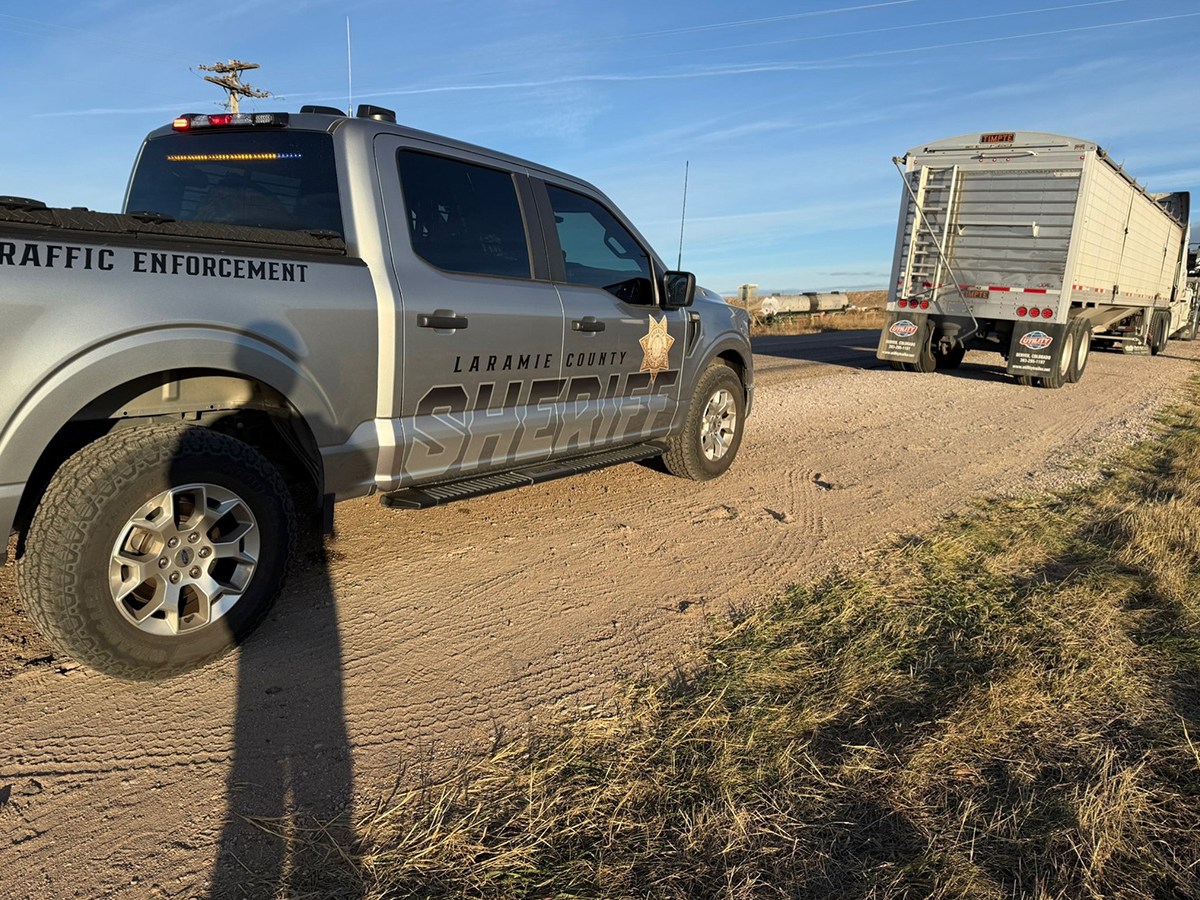
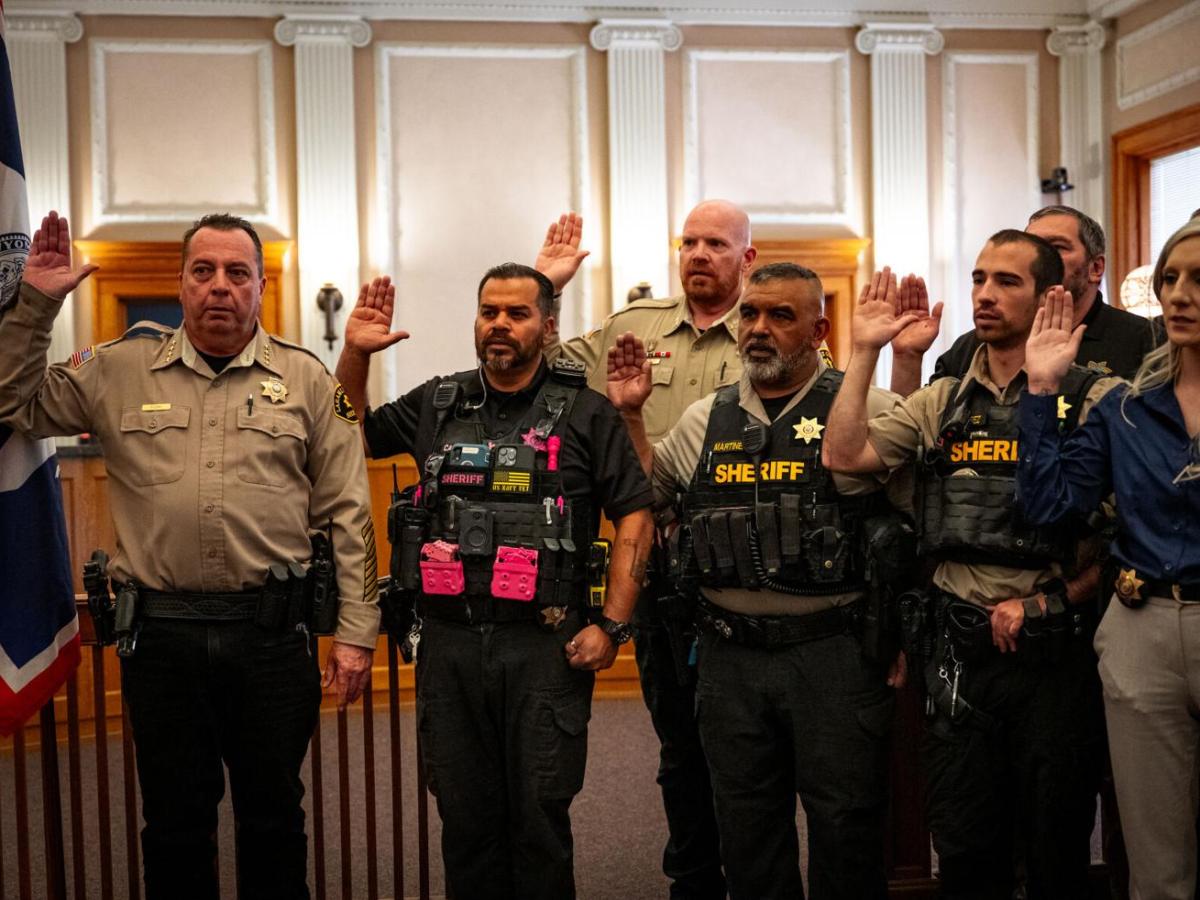
The lawsuit accuses Kozak and his office of breaking state law when signing three 287(g) agreements last year without a public process and approval from Laramie County commissioners. “Constituents didn’t have an opportunity to weigh in on a decision, and this is a decision that fundamentally changes what the sheriff’s office does,” Malone said.
The lawsuit also alleges that the agreements violate the Wyoming Administrative Procedure Act and that Kozak lacks authority to incur expenses from 287(g) activity without written permission from the county commission. Though the federal government has reimbursed the Laramie County Sheriff’s Office for this work in the past, Malone noted that “we’ve seen some counties around the country and in Wyoming have trouble getting reimbursed.”
The lawsuit asks the court to void the Laramie County Sheriff’s Office’s 287(g) agreements.
Kozak declined to comment on the lawsuit. “I really appreciate the opportunity to respond to the ACLU allegations,” he wrote in a text. “However, I must allow the court process to work, thus, I should not comment.”
These agreements, named after section 287(g) of the Immigration and Nationality Act, allow local and state law enforcement to perform some immigration enforcement under ICE’s oversight. Libby Skarin, Wyoming ACLU’s executive director, said the organization is focused on 287(g) agreements because “they are one of the single biggest mechanisms for expanding mass deportation right now.”
Of the three contract types — the Jail Enforcement, Warrant Service Officer and Task Force models — the most controversial is the Task Force agreement, which the Trump administration revived in 2025 after the Obama administration had phased it out in 2012. The Laramie County Sheriff’s Office is one of two law enforcement agencies in Wyoming — the other being the Sweetwater County Sheriff’s Office — that has entered all three 287(g) agreements.
Since inking the contracts last year, Kozak, the Laramie County sheriff, has organized three high-profile traffic operations that led to 118 immigration arrests. As of mid-May, Laramie County deputies had made about 300 total immigration arrests through the office’s Task Force agreement. During a week in April, the agency’s tally of immigration arrests outpaced that of any other local or state agency in the nation certified to conduct immigration enforcement. Malone, the ACLU attorney, noted “just how aggressively the sheriff is operationalizing these agreements.”
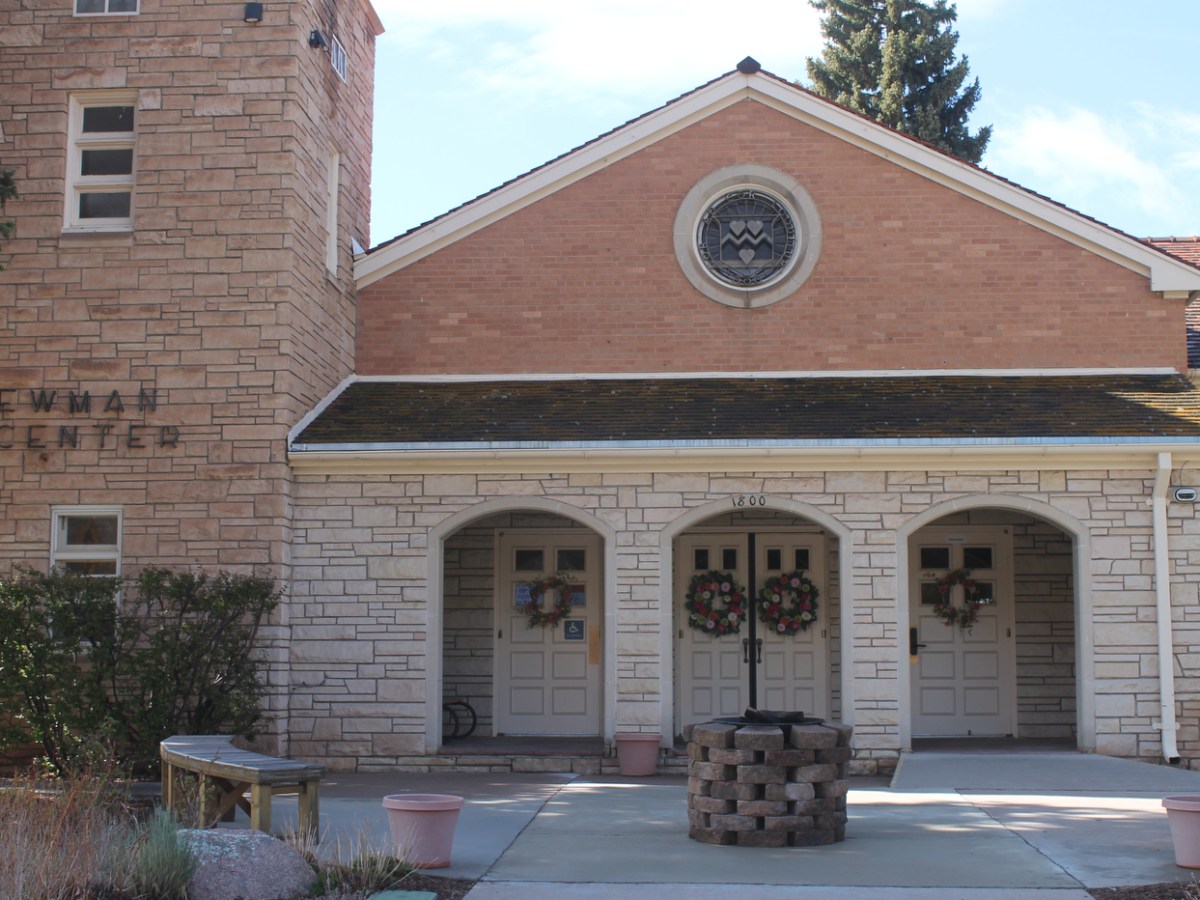
The plaintiffs — Juntos, the Unitarian Universalist Church of Cheyenne and Drew’s Barbershop — say they have suffered as a result of these contracts. Juntos and the church have had to redirect staff, time and money to help community members impacted by the agreements. And the owners of Drew’s Barbershop, whose former employee, Carlos Montes, was detained by Laramie County deputies and eventually deported to Nicaragua, sold the business because of the impact this had on the shop’s bottom line.
Kozak and the Laramie County Sheriff’s Office now get a chance to respond to the lawsuit. This will just be the beginning of the legal battle, which Malone emphasized, “is not going to be a quick process.” He added, though, that the public attention on the lawsuit “matters from day one, because what it’s going to do right away immediately is force officials to defend their choices in public and on the record.”