


On the morning of Sept. 6, 1870, a group of Black women employed as servants at a hotel in Wyoming Territory got into a carriage and rode to the polls. The crowd at the polling place parted quietly as they approached. They voted and returned to the carriage. No one said a word.
John Kingman, a justice on Wyoming Territory’s first Supreme Court, who witnessed the scene, described his relief afterward. “Then I breathed freely,” he wrote. “I knew all was safe.”
What had just happened was, as far as historians can determine, a first in American history. The Black women who voted in Wyoming Territory on that September day were almost certainly the first Black women in the United States ever to cast a ballot.
Wyoming had passed the world’s first women’s suffrage law the previous December. Gov. John Campbell signed it on Dec. 10, 1869, making the territory the first government anywhere to recognize full woman suffrage. Utah followed in February 1870, and women there voted before Wyoming’s first election was held. But as far as is known, no Black women voted in Utah’s 1870 elections. And the other region where Black women may have voted that year, South Carolina, held its elections in October and November, after Wyoming’s September election.
None of this happened without a fight. During the 1869 territorial legislative session, Rep. Benjamin Sheeks tried to kill the suffrage bill by proposing an amendment — using a now-offensive term for Indigenous women — to enfranchise “all colored women and squaws,” apparently believing that the prospect of women of color voting would be enough to doom the measure. He was wrong. His amendment was rejected, and the bill that passed unambiguously enfranchised all women citizens, regardless of race.
It is worth pausing on that phrase: all women citizens. Wyoming’s suffrage law did not extend to Indigenous women, who were not considered American citizens until passage of the Indian Citizenship Act in 1924. The achievement of 1870 was real and significant, but it was incomplete.
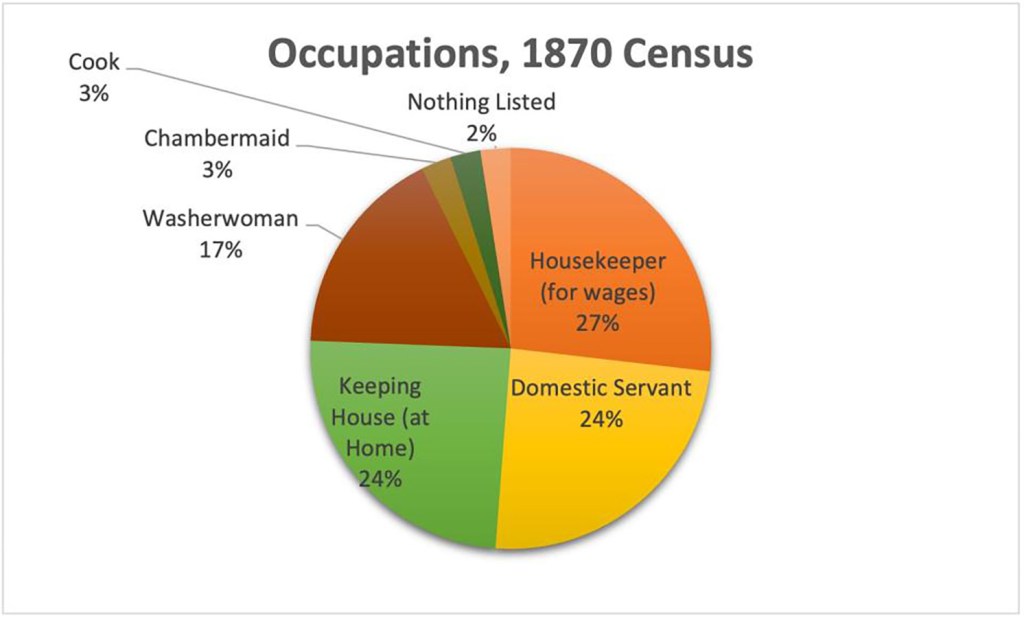
The 1870 federal census, taken three months before the September election, recorded 30 Black or mixed-race women above age 21 living in Wyoming Territory, with three more who may have turned 21 by election day. Of those women, 23 had been born in states where slavery was legal before the Civil War. Most were probably born into slavery. They had come west looking for what historian Tricia Martineau Wagner describes as “economic independence and professional opportunities.” Most worked as housekeepers, laundresses and domestic servants. Several lived with their families in households that owned property and ran businesses.
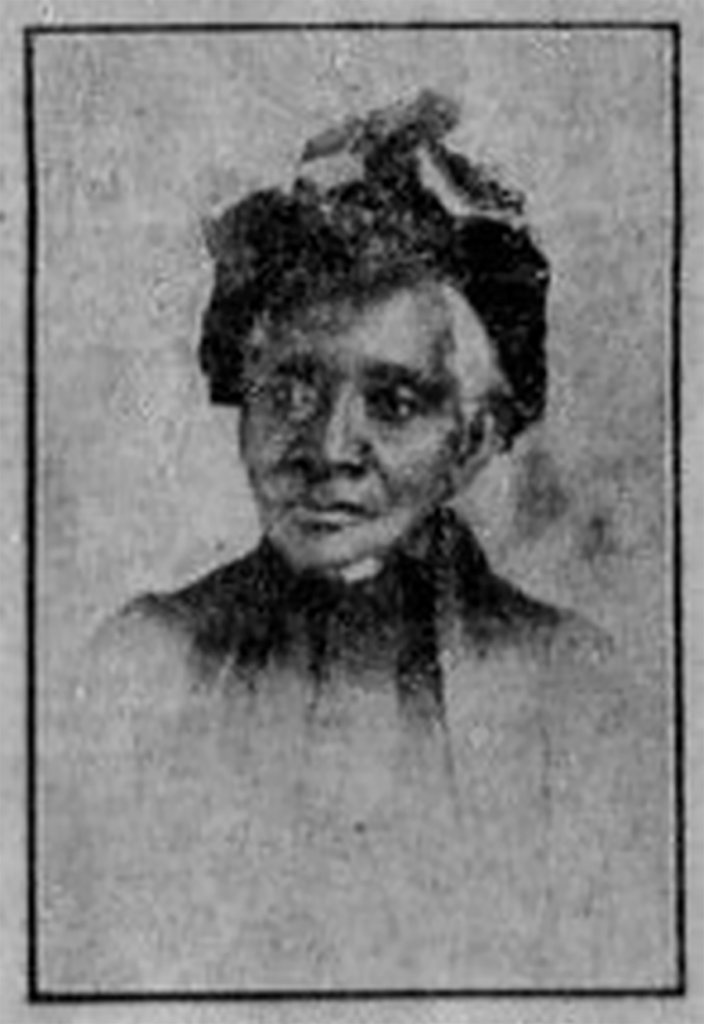
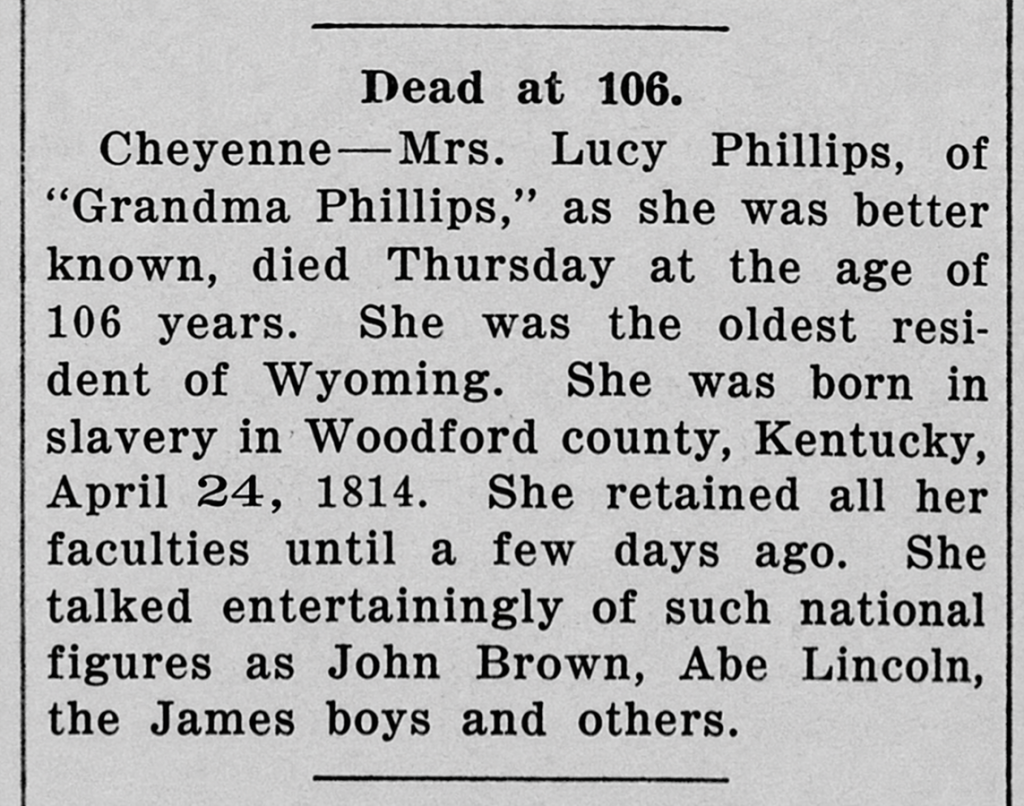
One of them was Lucinda “Lucy” Phillips of Cheyenne, who had arrived on the first train into the city in 1867 and had been born into slavery in Kentucky. We do not know for certain that Phillips voted in 1870, but she was unafraid to use the franchise in later years. In 1885, when a white resident of Granite Canyon — a railroad stop west of Cheyenne — petitioned the school board to segregate the city’s schools, Phillips and other Black women wrote to the Cheyenne Sun in protest. They demanded to know who the petitioners were, warning that anyone who supported segregation would face their “political death-warrant” when Black voters went to the polls. The Sun recommended the segregation proposal be thrown in the wastebasket. It was. When Phillips died in 1910 at the age of 106, newspapers across Wyoming ran her obituary.
The officials who oversaw the 1870 election understood what was at stake. Kingman and territorial secretary Edward Lee were both Radical Republicans and Union Army veterans who had served as brigadier generals, men accustomed to using federal authority to protect rights under threat. So had territorial governor Campbell. All three men supported equal rights, and all three knew that not everyone in Wyoming did. A year earlier, at South Pass City, armed men had threatened to keep Black men from voting. A U.S. Marshal had to escort them to the polls at gunpoint.
So, in 1870, when it was time for Black women to vote for the first time, officials made sure they could. Beyond the scene Kingman witnessed, territorial secretary Lee recorded that a deputy U.S. Marshal personally escorted two Black women to the polls. Lee called it a “remarkable coalition,” invoking scripture: “the lion and the lamb shall lie down together.”
Wyoming celebrates its suffrage history with justifiable pride. The full story, including who was there and what it cost them to show up, is worth knowing too.
This column is adapted from Jennifer Helton’s article “Then I Breathed Freely: Black Women Vote in Wyoming, 1870,” at WyoHistory.org.
Related Articles:
Right Choice, Wrong Reasons: Wyoming Women Win the Right to Vote
Women on the Jury: Wyoming Makes History Again
Who Cast the First Vote?
Who was Lucretia Marchbanks? From Slavery to Ranch Life in the Black Hills
Liz Byrd, First Black Woman in Wyoming’s Legislature
This column is part of an effort by local newsrooms supported by the American Journalism Project to reflect on the 250th anniversary of the Declaration of Independence. See coverage from other newsrooms here.


How wonderful to read that in 1870 all woman in Wyoming territory were allowed to vote. The fact that marshals accompanied women to the polls to protect this right is wonderfully heartwarming. It took another 50 years and many trials & tribulations for all women in this country to achieve the right to vote. I think it is so ironic, looking at Wyoming today, to see how far it has come from its egalitarian past when it granted women the right to vote, to its becoming a red state with all its attendant loss of rights for many citizens, especially for women, and the lack of respect and opportunities for women so prevalent in the country today, especially in Republican states.
How sad it is that Wyoming seems to have lost its way regarding granting all rights to its citizens, especially to its women.
Growing up in Wyoming, I was told a story that Wyoming was the first state to grant women the right to vote, but that it was because it required a certain number of voters to become a state. Was that just a false story?
Hi Jane, thanks for asking. Wyoming gave women the vote in 1869, decades before statehood, partly to attract settlers to the territory. When statehood came up in 1889–90, Wyoming did fall short of Congress’s 60,000-population benchmark, but it was the existing suffrage law that nearly sank statehood, not the reverse. The House vote was 139–127. You can see more at WyoHistory.org’s stories at https://wyohistory.org/ titled Wyoming Becomes a State, Women’s Suffrage in the Wyoming Constitution, and Right Choice, Wrong Reasons.
Very good. I wasn’t aware of these historical moments.