


Outfitters and trophy-minded deer hunters have convinced Wyoming wildlife officials to retain tight antler point rules that biologists say are likely to reduce the future number of big bucks in two crown-jewel mule deer herds.
“There’s a false notion out there that [antler point restrictions] are going to create more big bucks on the landscape,” said Brandon Scurlock, wildlife management coordinator for Wyoming Game and Fish Department’s Pinedale Region. “They’re just not.”
“It actually can be detrimental to the number of older-age bucks in the population, because that’s the only thing people can harvest,” he told WyoFile.
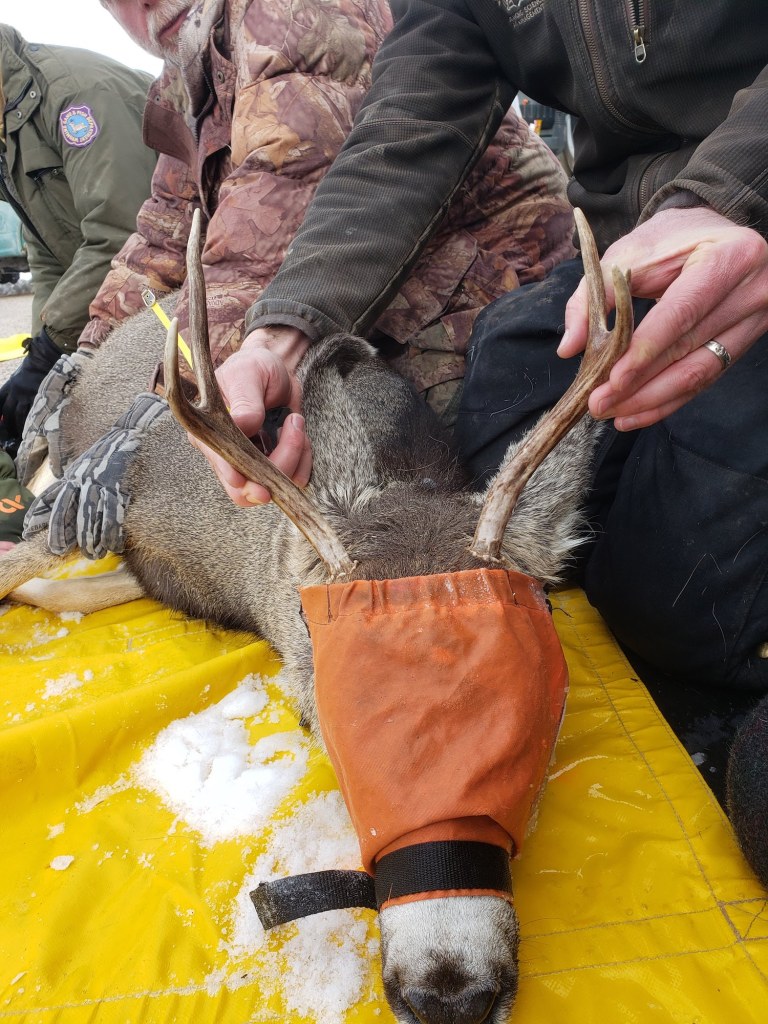
Ratios of mature bucks in a herd tend to decline when the restrictions are sustained long term, Scurlock said. Wyoming biologists have documented the effect over time in at least one white paper — and even an analysis specific to the Wyoming Range.
That’s one of the two herds where the restrictions are being retained despite wildlife managers’ recommendation that doing the opposite would better accomplish advocates’ goals. The Sublette Mule Deer Herd is the other.
The restriction at issue — a regulation limiting hunter harvest to only bucks with at least four points on either antler — was put in place following the devastating 2022-23 winter, which reduced the Wyoming Range Mule Deer Herd by nearly 70%. After documenting signs of recovery, Game and Fish proposed lifting the tighter regulations, extending the season by four days and allowing hunters to kill any antlered deer, including yearlings. They also proposed adding 50 nonresident hunting licenses to one Wyoming Range hunt area.
On Wednesday, however, the Wyoming Game and Fish Commission largely rejected that proposal after a nearly three hour discussion. At the urging of outfitters and a state lawmaker, the body opted instead to extend the hunting season by only two days and keep the antler rules in place.
“There’s great concern about liberalizing hunting too soon,” Rep. McKay Erickson, an Afton Republican, testified to commissioners. “I would beg you to consider going a few more years before we make these steps.”
Tedd Jenkins, a big game outfitter out of Thayne, echoed the concerns. “I think it’s way too early,” Jenkins told commissioners. “We’re not even knocking on the door of 50% of our objective, according to the numbers.”
Game and Fish biologists hold that expanded buck hunting opportunities have no influence on the pace of the Wyoming Range Herd’s recovery. Population trajectories are driven, instead, by the reproduction and survival rates of does and fawns.
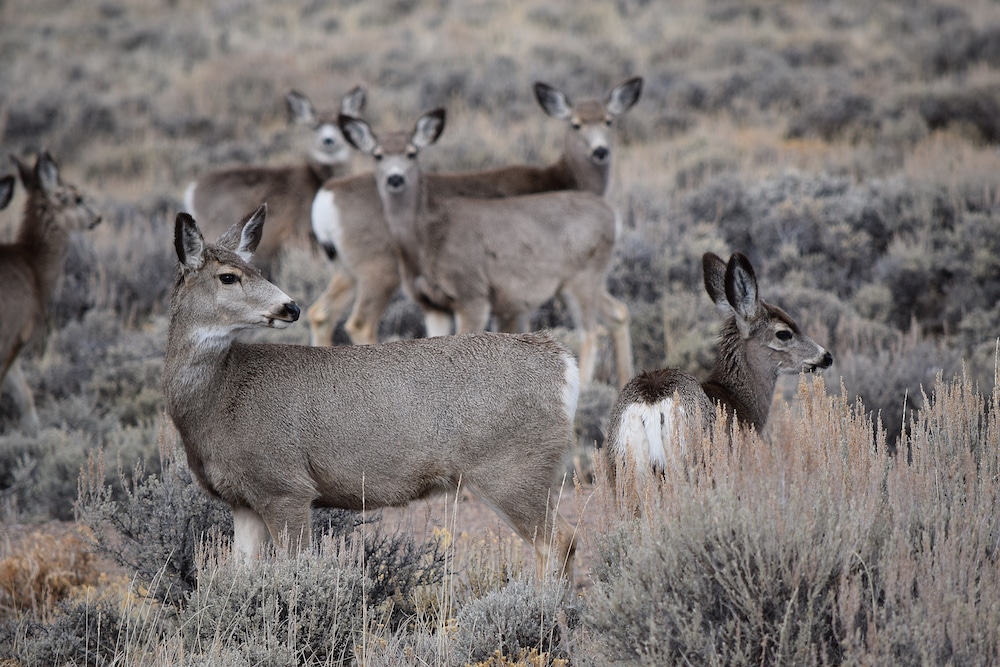
“Frankly, none of our season proposals affect population growth and management towards recovery,” Game and Fish Jackson Region Wildlife Coordinator Cheyenne Stewart told commissioners.
Antler point restrictions can temporarily increase buck ratios when they’re kept in place for “two to three years,” Scurlock said. “After that,” he said, “you’re just focusing on all your harvest pressure on older-age animals.”
There’s another drawback, he said. Poaching tends to increase as hunters mistakenly shoot undersized deer then leave them to avoid prosecution. The Utah Division of Wildlife stopped using the restrictions after documenting 35% of deer were being killed illegally, according to the Wyoming Game and Fish white paper.
Among Wyoming Game and Fish commissioners, Kemmerer resident Ken Roberts was the most vocal proponent of retaining the antler restrictions. Overriding the Game and Fish proposal was a “tough, tough call,” he told WyoFile, and acknowledged that the science did not clearly support keeping the restrictions in place.
“There’s a very good case that it could backfire,” Roberts told WyoFile.
Other hunters urged commissioners to go with Game and Fish’s science-based recommendation.
Jason West, the president of the Wyoming Mule Deer Alliance, cited Game and Fish data showing that it can be counterproductive to keep the restrictions in place for more than three years.
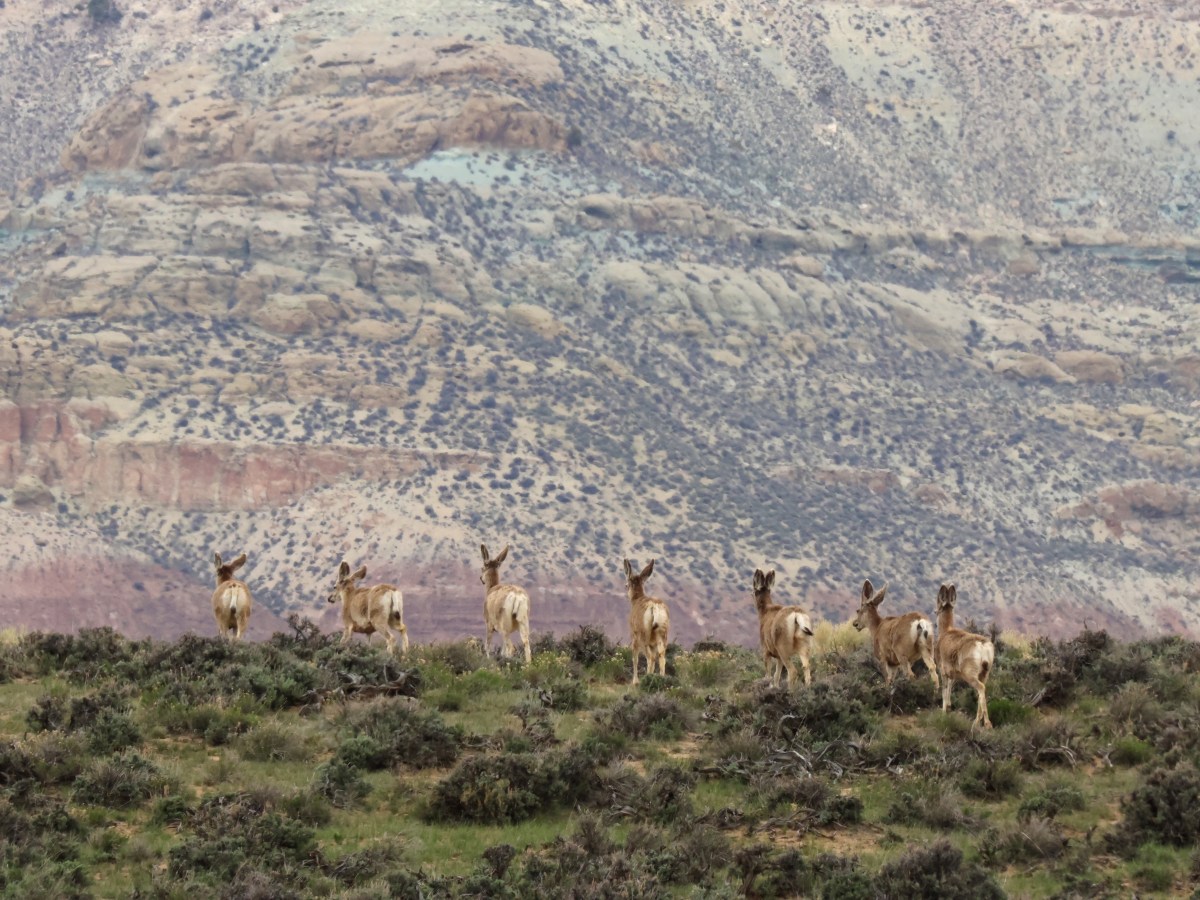
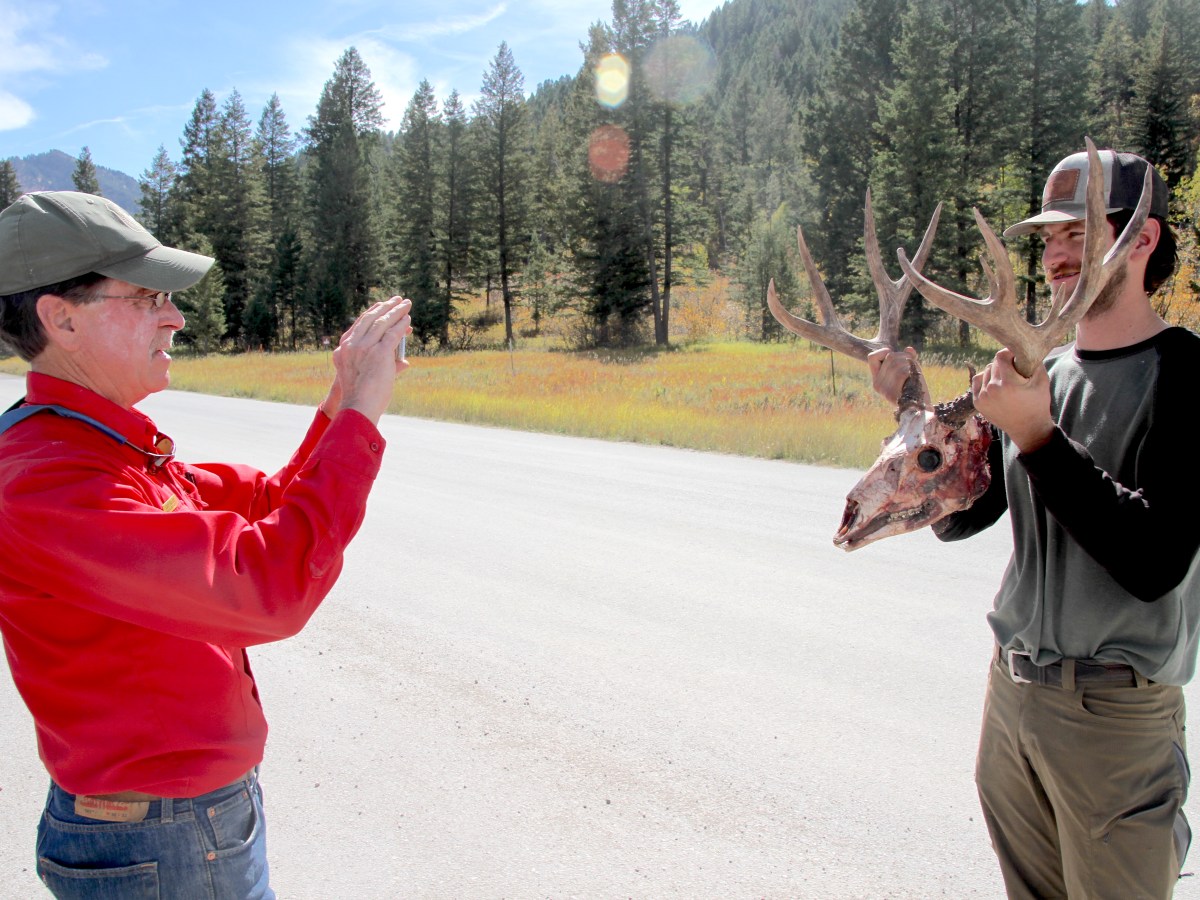
Writing in a comment letter, Cora resident Braxton Hamilton made the same point and also noted a benefit.
“Removing this regulation would create more opportunity for hunters, especially youth and those with less experience, without negatively impacting the overall quality of bucks,” Hamilton wrote.
Although they didn’t vocally lobby the commission, Scurlock’s hunch is that most rank-and-file mule deer hunters supported the loosened regulations the agency proposed.
“I think that’s the silent majority,” he said.
Because Game and Fish mirrors regulations across 14 western Wyoming hunt areas, the antler restriction and shorter season length were also retained for the Sublette Mule Deer Herd. That herd’s estimated population, nearly 22,500 deer, now exceeds the estimates from before the deadly 2022-23 winter.

It’s amazing how that Sublette herd can bounce back so nicely while wintering in the middle of the Pinedale Anticline natural gas field.
I’ve never liked antler point regulations. We will never know how many bucks are shot and ground checked and left to lay because they didn’t meet the 4 point requirement. Continuing the practice is a good way to wipe out or seriously deplete the older class bucks, these are the guys that do most of the breeding.
Hunters and outfitters shooting themselves in the foot, again. We all howl and rage when anti hunting and animal rights groups ignore and attack science based management. And yet here we are doing the same.
How frustrating it must be for our field based wildlife professionals to have their efforts at science based management constantly usurped by the “thoughts and feelings ” of outfitters and special interests. Point restrictions have never been a long term solution to population recovery. Quality habitat and a robust doe/fawn ratio do far more than any sort of scheme to manipulate the buck age class. Why our commission constantly defers to pay to play outfitters rather than professionals with hard data is beyond me. Absolutely infuriating.
Looks like an even debate with both sides having +& -. The problem is evidence of this instance is not committed to saying it will definitely hurt Mule deer but instead worded as it may or could which also leaves it open to may not or chance even with evidence of it working on positive side last 2.5to 3 years . Where are the Doe/Fawn recovery numbers? The healthy Doe to mature Buck ratio ?
Every person who has even seen a deer, especially hunters, are all experts in their management. That includes me. Antler point restrictions are dumb. If you don’t want to shoot young bucks then don’t shoot young bucks. If you want the herd to grow don’t shoot does.
Because biologists are Never wrong.
Excellent article, Mike. Informative, complete, detailed.
Charlie Thomson, Wilson. WY
When actual science is overridden that’s tough. Why don’t people believe research that shows point restrictions don’t grow deer any faster? If for example in area X, 100 fewer bucks are harvested with point restrictions in place, the population after the season is only 100 deer higher. Higher fawn production if habitat is of good quality means more to herd growth than anything.