

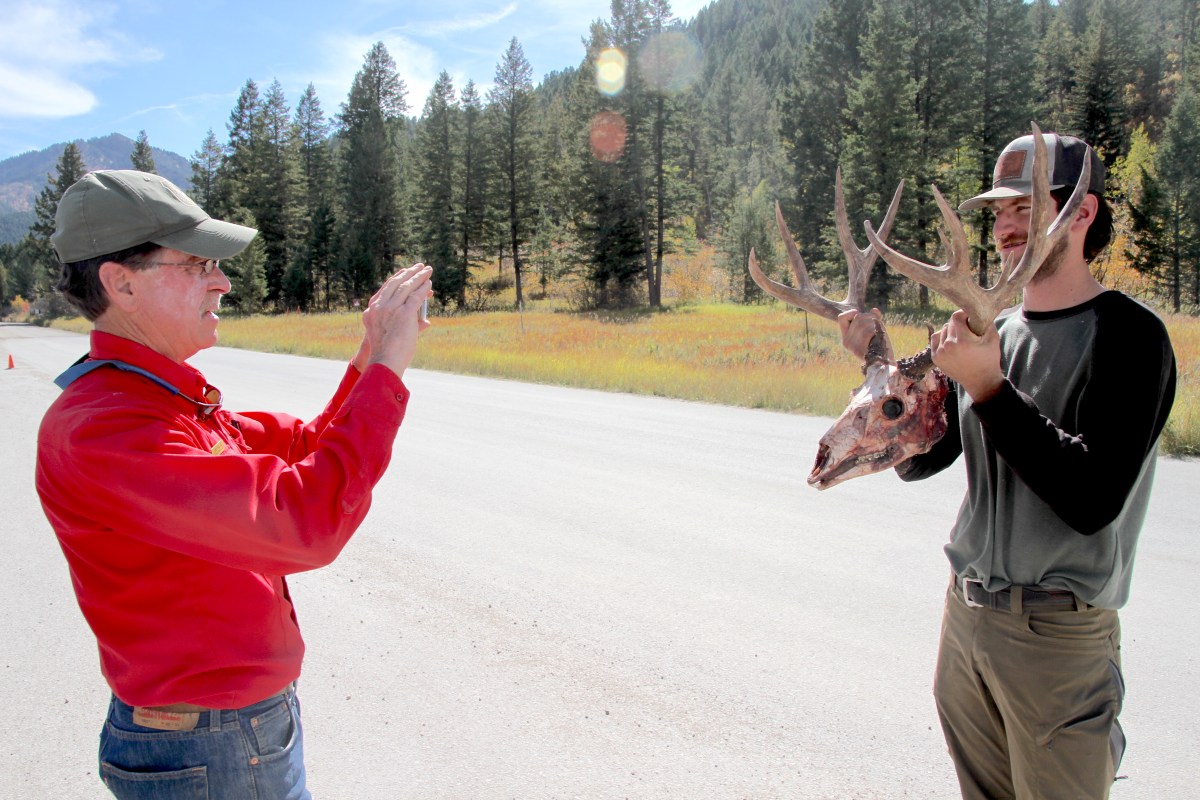
A majority of comment-writing hunters are resisting plans to extend hunting seasons and lift antler requirements for two premiere northwestern Wyoming mule deer herds.
The regulations they seek to keep, however, will not achieve a chief goal of accelerating the herds’ recovery, biologists say.
The Sublette and Wyoming Range mule deer herds were hit hard by the 2022-23 winter’s long-lasting and “inverted” snowpack. The latter crashed, losing roughly two-thirds of its deer.
Three years later, biologists say they’re seeing signs of recovery. Fawn ratios are impressively high, so are survival rates, and the populations are rebounding.
“It was a devastating winter, by all accounts,” said Brandon Scurlock, wildlife management coordinator for the Wyoming Game and Fish Department’s Pinedale Region. “But we are bouncing back.”

The Wyoming Range Herd, for example, grew from a nadir of about 10,300 deer to 15,500 animals after the 2025 hunting season, Scurlock said. Although that’s still just about half of its pre-2022-23 winter population (29,580 deer), the herd’s resurgence has motivated the agency’s biologists and wardens to back off two hunting season changes made in the deadly winter’s wake. To placate concerned hunters and outfitters who were even voluntarily giving up their tags, Game and Fish shortened the season starting in 2023 and imposed a widespread requirement that mule deer bucks have at least four points or more on either antler to be huntable.
This spring, the state agency proposed to mostly roll those measures back in its draft 2026 hunting regulations. Lengthened hunting seasons and no more antler requirements are both slated for the two herds, which dwell in 18 different hunt areas in northwestern Wyoming.
“We think there’s some opportunity there,” Scurlock said. “We’re quick to shorten seasons in response to winter kill. We’re trying to encourage managers to liberalize [opportunities] as the population bounces back as well.”

The changes are not expected to impact the mule deer herds’ recovery whatsoever.
Population trajectories in deer herds are based on does producing fawns, and those youngsters surviving. Neither female nor fawn mule deer can be legally hunted in either herd. Bucks, which are the subject of the hunting season changes, do not impact population trends unless sex ratios become extraordinarily lopsided. They’re not in the Sublette (43 bucks:100 does) and Wyoming range (38 bucks:100 does) herds.
Nevertheless, most hunters who have taken the time to write Game and Fish commissioners are resisting the changes.
“I would like to propose that the antler restriction remain the same for the 2026 season for the Wyoming Range areas,” Afton resident Tristan Mack wrote in a public comment. “While we have 5,500 more deer, which is great progress, I fear that beginning to take away restrictions too soon may regress the progress that has been made.”
Blake Gipson of Diamondville wrote that he’s “vehemently opposed” to the draft regulation changes.
“With the Wyoming Range mule deer population still so low,” Gipson wrote, “I fail to understand why the state is both extending the season and removing the antler restriction, opening a larger portion of the herd to harvest.”
Casper resident Tanner Fischer made a similar point.
“Proposing to extend the season through October 4 while also changing it to ‘any buck’ is a step in the wrong direction in my opinion,” Fischer wrote. “Opening it to ‘any buck’ will put additional pressure on younger deer that should be allowed to mature and help rebuild the population.”
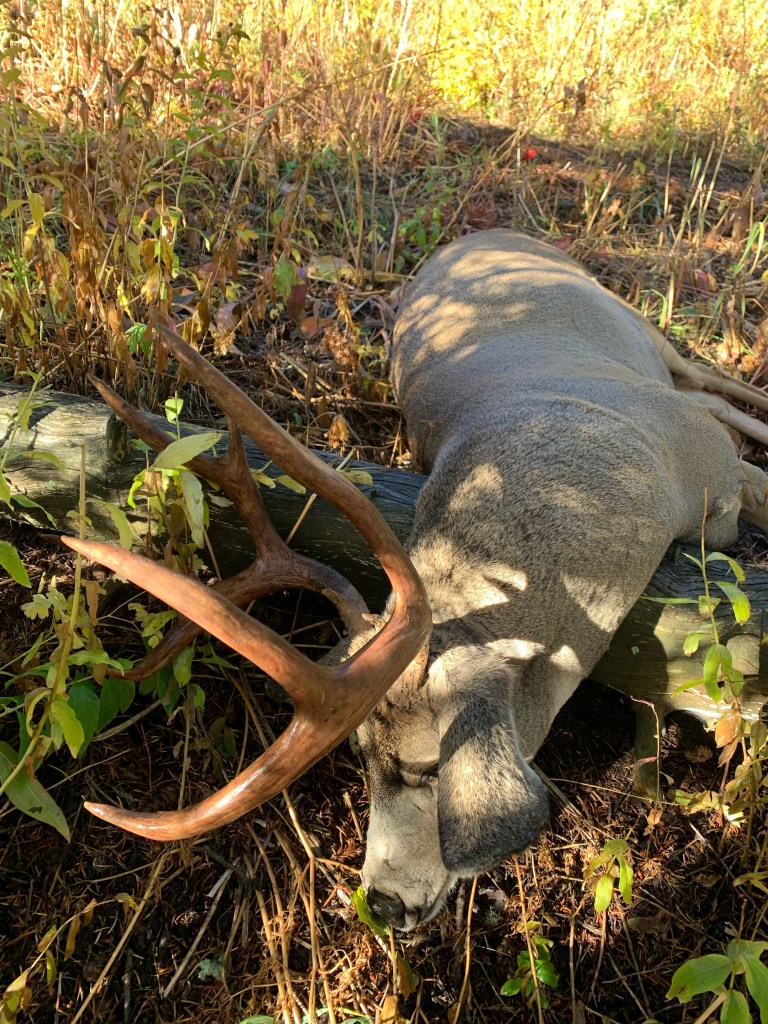
But other hunters backed the proposed changes.
“Based on the data provided by Game and fish, these [antler] restrictions tend to be most beneficial over a short period — roughly three years — and can become counterproductive when extended beyond that timeframe,” wrote Cora resident Braxton Hamilton, who also supported extending the season length.
Teton County resident Glenn Owings agreed, offering “strong support” for ending antler requirements: “That strategic effort has run its course, and it’s time to remove it.”
Game and Fish commissioners will make the final decision about hunting regulations for the Sublette and Wyoming Range mule deer herds — and all other Wyoming elk, deer and pronghorn herds — on Wednesday, April 22 in Casper. Meeting details are posted online at WGFD.wyo.gov/commission.
After the slowest hunting season in 30 years, which came in the fall following the harrowing winter of 2022-23, Wyoming Range mule deer hunters are starting to find more success. Over the five hunting seasons leading up to the devastating winter, 33% of hunters were successful, and they killed an average of 1,661 buck mule deer.
In the fall of 2023, hunter success declined dramatically: Hunters killed an estimated 416 deer, with a 16% success rate. The picture improved somewhat during the 2024 season, when hunters killed 620 mule deer with a 21% success rate. Last fall, Wyoming Range mule deer hunters were 27% successful, killing 992 buck deer, according to harvest reports.
It’ll likely take another few years for hunters to be as successful as they were before the 2022-23 winter, the deadliest in at least four decades. The complete recovery of the Wyoming Range Herd is possible, but hunters will need to be patient.

“You can’t recover 70% of a population within a period of a couple years,” said Kevin Monteith, a University of Wyoming ecology professor who’s led a long-running study of the Wyoming Range Herd. “That’s just not possible.”
Still, the herd’s population dynamics are looking promising. Since the 2022-23 winter, Monteith’s research crews have documented the heftiest fawns, the highest fawn survival rates and the fattest females since they started the research project in 2013.
“The population is poised to grow,” Monteith said, “given all those factors.”

Let’s look at some common sense I’m going to recover Wyomings western deer herds by extending the seasons and offering more out of state tags? I don’t see where that makes any sense. Kill more to make the population grow! Deer are social herd animals if you want to grow the population strong herd numbers easy stress on the animals increase deer fawn ratios and grow the herds faster. Greedy hunters greedy outfitters and G&F aren’t helping to recover these majestic animals that have been Wyoming premier hunting opportunities that we had in the 1980’s. Give the animals a break for a few more years a little sacrifice now by hunters and outfitters will give a lot better opportunities in the future. I as well as several of the people I have spoken with want to see the large winter range herds photo opportunities and dreams of finding these magnificent bucks it’s more than just about shooting them, it’s the dreams, the photographs the tourism to see these animals. I want to hunt deer as much as everyone else but have abstained for the last 3 years instead have just went out to see and observe in hopes of taking my grandkids out someday to have the opportunities I had as a young hunter
So, lets save the bucks until they can breed, yet kill the bucks that actually do the breeding?
Hate seeing every deer with anything sticking out of his head shot. Seen an amazing amount of young bucks migratrating last fall, it was great to see. I like seeing you th we young bucks getting to grow up a little. We get another hard winter before things really get a chance to get better and we will be in deep trouble.
Why the rush to remove antler point restrictions and lengthen the hunting season? Yes, it appears that the deer herds are improving with a good production and recruitment year; however, their numbers still remain low, especially when compared to prior years.
It would seem that another year of good population growth can only benefit mule deer herds throughout the year.
Thanks Mike for a concise article.
Sheds are God’s way of providing Calcium and other nutrients to His other creatures, i.e., squirrels, migratory birds, predators, etc.
Don’t take them all, or make living room decor fixtures.
Read the article, David. It’s not about shed antler hunting.
Saving a few young bucks with antler point restrictions does nothing to increase deer populations faster. There is much research that shows this. Some people shoot bucks that don’t meet the point restrictions then walk away and leave them to rot. I’d rather they be able to take the deer than waste it.