

WyoFile now provides Al-generated audio versions of all articles.Feel free to send feedback to casey@wyofile.com
Do you have questions about this story? Or information to share? Reach out to Maya Shimizu Harris at maya@wyofile.com.
This story discusses suicide. If you or someone you know is having suicidal thoughts, call or text the Suicide and Crisis Lifeline at 988.
CASPER—A jury late Thursday awarded a former resident of the Wyoming Boys’ School $6 million after concluding staff there subjected him to punitive isolation and denied him due process to challenge his confinement.
Jurors in the U.S. District Court in Casper took about seven hours to reach their unanimous decisions, which concerned several periods Blaise Chivers-King spent locked in 7-by-10-foot cinderblock detention rooms at the state facility in 2020 and 2021. Chivers-King brought his claims against Wyoming Boys’ School Superintendent Dale Weber and Dorm Supervisor Mike Nelson.
The jury did not rule in favor of Chivers-King’s claim of excessive force against Thad Shaffer, a security manager at the boys’ school.
“We are so proud of our client,” Allison Mahoney, an attorney for Chivers-King, told WyoFile. “This was not easy for him to sit in court and listen to testimony.”
Ciara Boerman, who also represented the former boys’ school resident during the eight-day trial, told WyoFile that the jury’s verdict “sent a strong message in recognizing that this is wrong.”


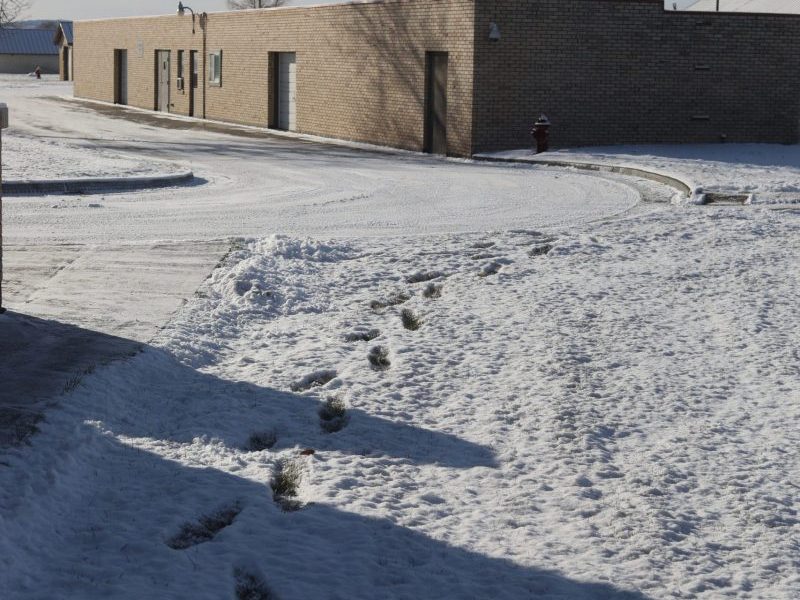
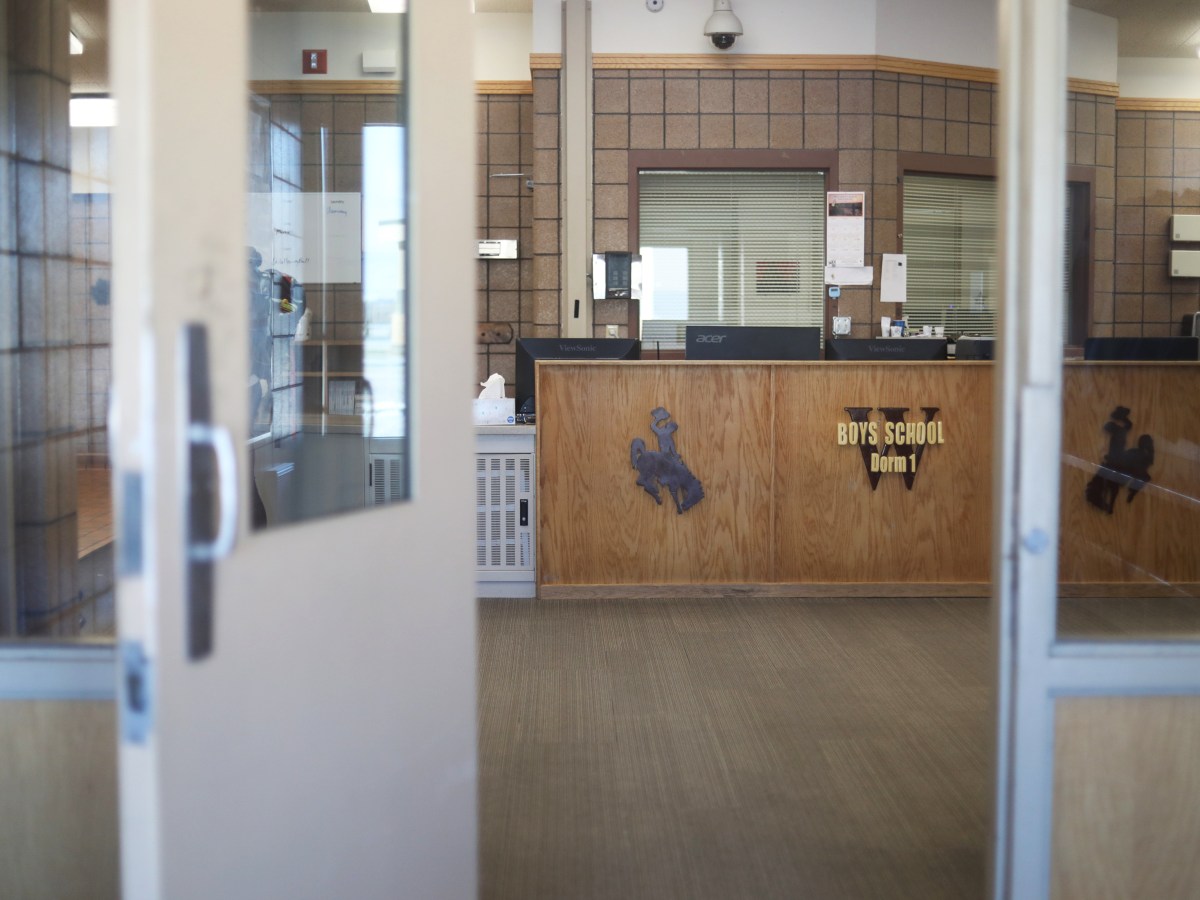
The jury’s decisions come more than two years after six former residents sued the school for alleged abuse. The school, which detains delinquent boys ages 12 to 21, is a 38-acre residential facility near Worland that’s overseen by the Wyoming Department of Family Services. Chivers-King’s case was the first to go to trial.
The complaints and trial shed light on allegations of troubling conditions that have been difficult for the public to investigate. Citing juvenile privacy laws, the Department of Family Services has shared little insight into conditions at the facility. “A big piece of this was the lack of oversight,” Boerman told WyoFile. “This is a problem that needs to come to light.”
Chivers-King alleged Weber and Nelson violated his 14th Amendment rights by subjecting him to punitive isolation in detention rooms on multiple occasions. One of the stints Chivers-King sued Weber for lasted 15 days.
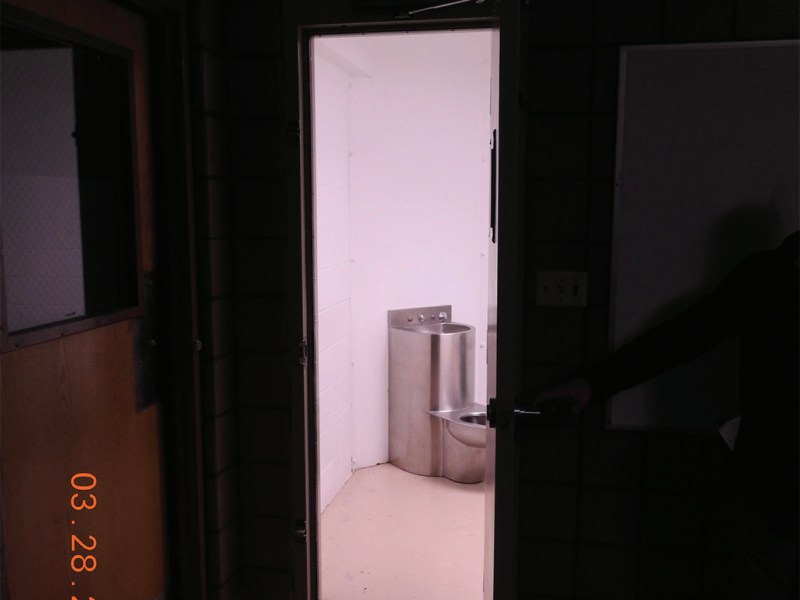
Attorneys showed images of the school’s detention facilities throughout the trial. The white cinderblock rooms are barren besides a toilet and a mattress that staff provided at night. The rooms don’t have windows that look outside, and staff at times covered the window in the door with a magnet.
Chivers-King testified during the trial that his confinement felt arbitrary. He described feeling confused when staff kept him isolated even after he had become calm. He was also on occasion locked in a detention room for a predetermined amount of time. “Even when he did what he was supposed to do, they kept him in there,” Boerman told jurors during closing arguments.
Whether Chivers-King’s confinement served a legitimate purpose was central to determining if boys’ school staff violated the 14th Amendment, which protects detained people from arbitrary punishment.

Images and video footage presented to the jury showed Chivers-King self harming while in detention, including banging his head against the wall and at multiple points trying to strangle himself. “The vast majority of that time he spent with his own thoughts, thinking about how to end his life,” Boerman said during closing arguments.
“I hope this sends a message that legislation needs to be enacted in Wyoming to address solitary confinement,” Mahoney said after the jury delivered its verdicts.
Lawyers for the state argued school staff were responding to safety concerns and did their best under difficult circumstances to keep everyone, including Chivers-King, safe. In closing arguments Thursday morning, defense attorney Scott Ortiz emphasized that Chivers-King’s time at the school coincided with the COVID-19 pandemic, which created additional challenges for staff. “I cannot think about a more difficult task than having to fulfill their legitimate governmental objectives under those circumstances,” Ortiz told jurors.
The defense attorneys’ questions and evidence throughout the trial also focused on Chivers-King’s behavioral and mental health difficulties before his time at the boys’ school and moments at the facility when he suddenly became violent — including punching, kicking, head-butting and biting staff — after appearing to be calm. Even employees who liked Chivers-King, Ortiz told jurors, “still characterized him in these very dangerous terms,” telling the jury that he would at times act out aggressively.
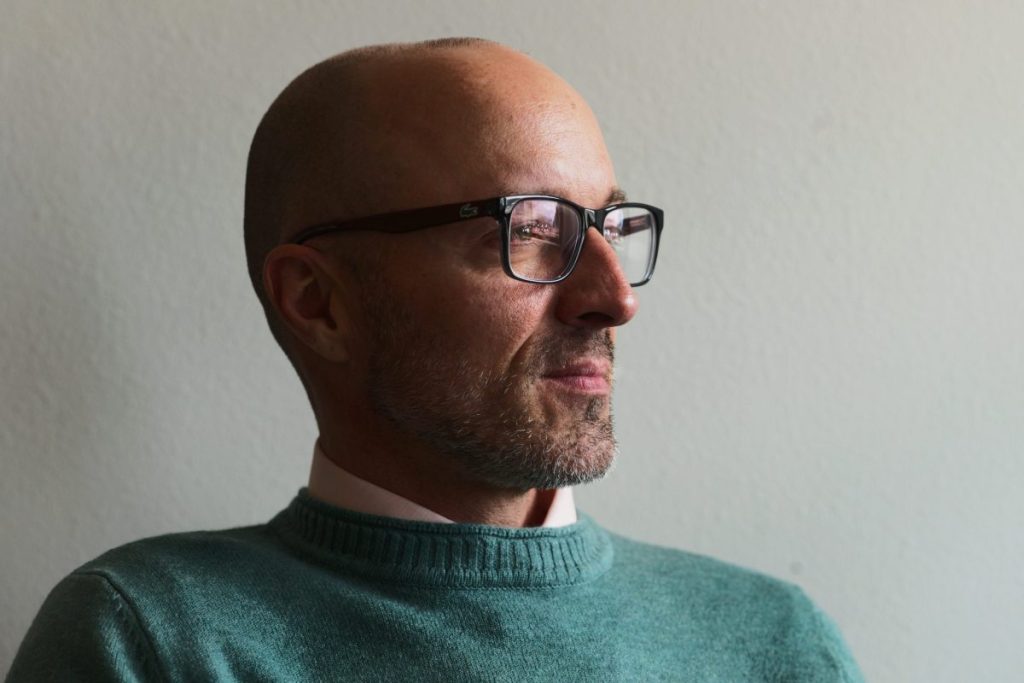
They also attempted to shift responsibility from Weber and Nelson to the former superintendent, Gary Gilmore, whom they said gave the final word over when and how long Chivers-King would be confined. Weber became superintendent of the school in March 2022 after Gilmore, who has since died, retired. Prior to that, Weber was the school’s deputy superintendent, but took over as interim superintendent for a stretch of time when Gilmore was on medical leave. Gilmore was the subject of a human resources investigation when he returned.
Weber described Gilmore as “very authoritarian.” “I don’t believe I had any authority to challenge his decisions,” he testified. But in closing arguments, Boerman noted that Nelson and Weber signed documents related to Chivers-King’s time in detention rooms. “That’s convenient, but that’s not accountability,” the attorney said, referring to the defendants’ assertion that Gilmore was responsible.
The trial is the first of several concerning former residents’ accusations of abuse against the school. The next is scheduled to start Dec. 7.