A former Wyoming youth minister accused of sexually assaulting three boys has “never hurt a young person,” including the men who brought a lawsuit against him earlier this year, his lawyer said Thursday.
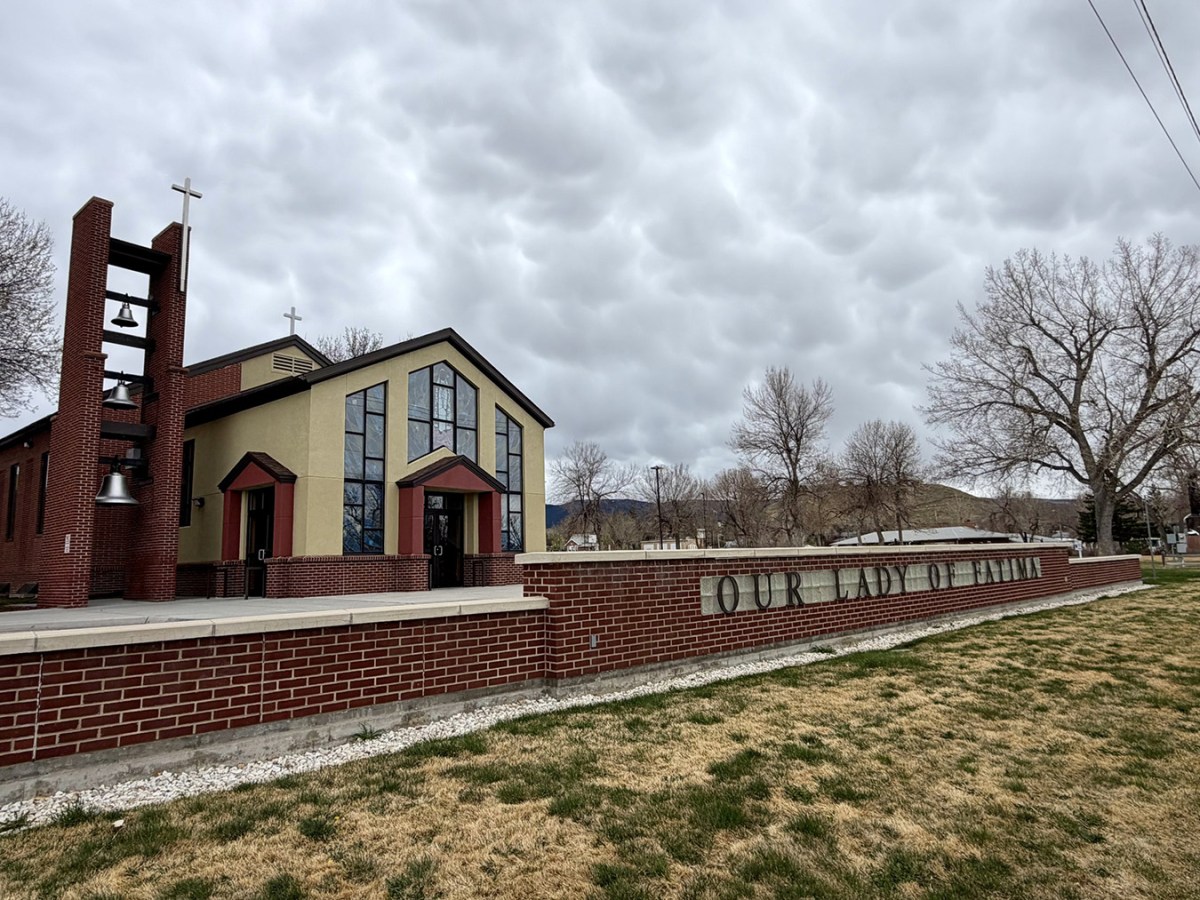
The civil complaint, filed in March, alleges that then-Wyoming Catholic youth minister Doug Hudson sexually assaulted the three boys, who are now adults, in the 1990s. The complaint also lists the Diocese of Cheyenne, which oversees parishes throughout Wyoming, and Our Lady of Fatima Church in Casper as defendants, stating that they failed to “supervise and control” Hudson and protect the boys, which allowed for the alleged sexual assaults to occur.
The complaint seeks at least $50,000 in damages per plaintiff.
Hudson denied the allegations in a Wednesday court response. Casper Attorney Ryan Semerad, who is representing Hudson, said in a statement that the former Wyoming youth minister “is a good man who cares deeply for the Church, the faithful, and the youth being brought up in the Church.”
“He has never hurt a young person in his many years working with many young people in the Church and schools affiliated with the Church across America,” Semerad wrote. “He never hurt the men who have brought this suit. Nor did he ever harm them in the ways they claim when they were younger.”
Semerad told WyoFile in a call that Hudson, who now lives in Kentucky, has worked as an educator at schools across the country and has been removed from those positions because of the accusations. “Right now, he is not working, and that is a result of this new allegation,” Semerad said.
As minors, the plaintiffs participated in Our Lady of Fatima Church’s youth programs, where Hudson worked as a youth minister under the Diocese of Cheyenne, the complaint states. All three allege Hudson sexually assaulted them during one of these programs.
At the time, Hudson was supervised by Father Pietro Philip Colibraro. The Diocese of Cheyenne acknowledged a substantiated allegation of sexual abuse, reported in 2005, against Colibraro that involved an adolescent male.
According to the lawsuit, Colibraro was warned that Hudson was “plying adolescent males with alcohol.” The lawsuit doesn’t say who warned Colibraro or how this information came to light. While Hudson affirmed that Colibraro supervised him, he denied giving the plaintiffs what their complaint described as “copious amounts of alcohol.”
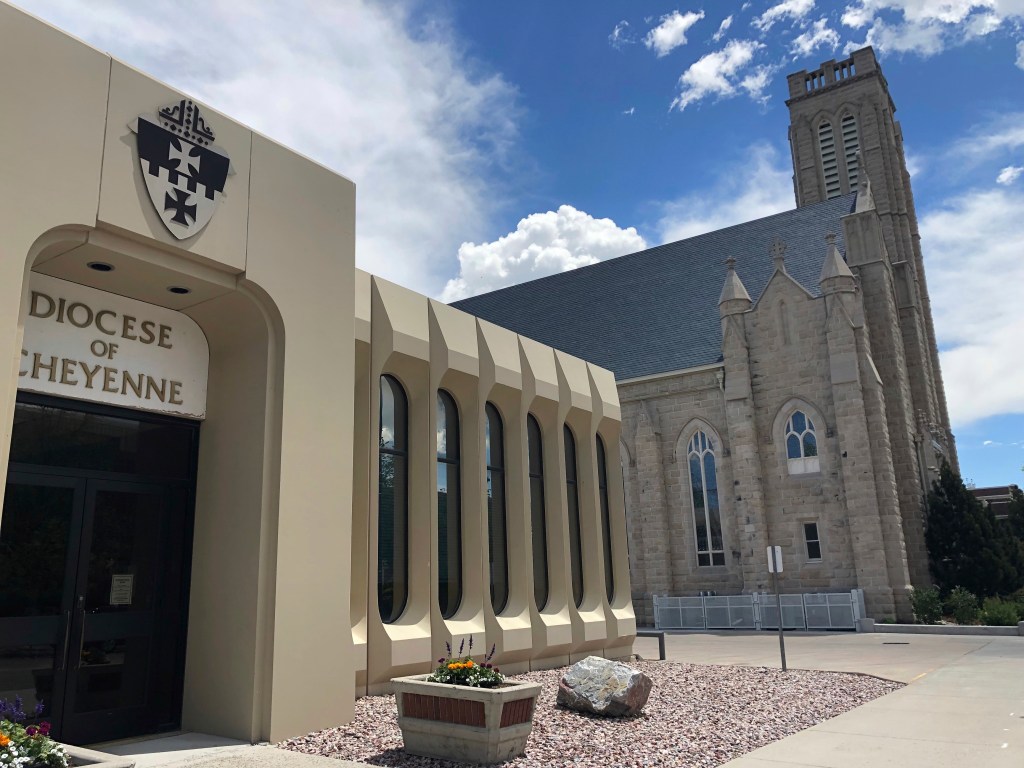
The Diocese of Cheyenne and Our Lady of Fatima Church provided Hudson with housing on its Casper campus for conducting youth activities and services. The complaint alleges the youth minister invited minors to his home, and that he had sexually assaulted two of the plaintiffs there. Hudson denied assaulting the plaintiffs — Anthony Jacobson and Ryan Axlund — and inviting minors to his upstairs housing area, but admitted that he generally allowed youth to visit a communal area downstairs “at appropriate times.”
The complaint also alleges that Hudson had sexually assaulted another plaintiff, James Stress, in 1996 or 1997 at a hotel during an off-campus overnight trip. Hudson, as assigned by the church’s youth ministry, was Stress’ personal counselor and taught him at Saint Anthony Tri-Parish Catholic School, according to the complaint. Hudson, however, disputed counseling or teaching Stress and denied the alleged assault.
Wyoming doesn’t have a statute of limitations for child sexual abuse crimes, meaning criminal charges can be brought at any time, regardless of how many years may have passed since the alleged crimes. For civil litigation, like the legal case against Hudson, accusers can file a complaint within eight years after a minor turns 18, or within three years after the “discovery” of injury caused by childhood sexual abuse, whichever is later.
While he didn’t speak specifically about his clients, Dallas Laird, one of the plaintiffs’ attorneys, previously told WyoFile that sometimes people “don’t discover what happened to them until they wonder why their life has gone the way it has, and they go to therapy.”
When contacted Thursday by WyoFile, Laird declined to comment on the defendants’ recent filings.
The lawsuit states that Jacobson and Axlund discovered in March 2024 and Stress discovered in April 2024 that Hudson had allegedly sexually assaulted them. The legal complaint does not provide additional details about those discoveries.
Hudson’s response asserts that the plaintiffs don’t “satisfy the ‘discovery rule’ exception” to Wyoming’s statute of limitations.
Semerad said in his statement that Hudson “has faith that the truth will reveal he is innocent of the civil charges brought against him.” While the lawsuit has “upended his life and forced him out of the educational career he loved, he is praying for all involved in this matter.”
Hudson’s response demands that he be “awarded all legal fees, costs, and expenses incurred” as a result of the lawsuit. It also requests a jury trial.
Church response
The Diocese of Cheyenne and Our Lady of Fatima Church, which have separate legal representation from Hudson, asked the court in a Wednesday filing to dismiss three of the four claims against them. One of their attorneys, Denver-based lawyer Patrick Hickey, declined Thursday to comment on the recent filings.
The claims they seek to have dismissed include allegations that the diocese and the church were negligent in their hiring and supervision of Hudson and that they breached their “fiduciary duty” toward the plaintiffs, or their legal obligation to act solely in the plaintiffs’ interest.
The diocese and the church disputed that such a legal obligation existed. They also point out that the plaintiffs don’t allege Hudson had a prior criminal record, history of abuse allegations or other signs that would have shown the two entities at the time of Hudson’s hire that he was unfit for employment.
The diocese and church further assert that there’s “no evidence” suggesting they “learned more information after hiring Hudson that created a legal duty of care to terminate his employment in order to protect the public from his purported dangerous propensities.”
The court will decide whether to grant the defendants’ requests.