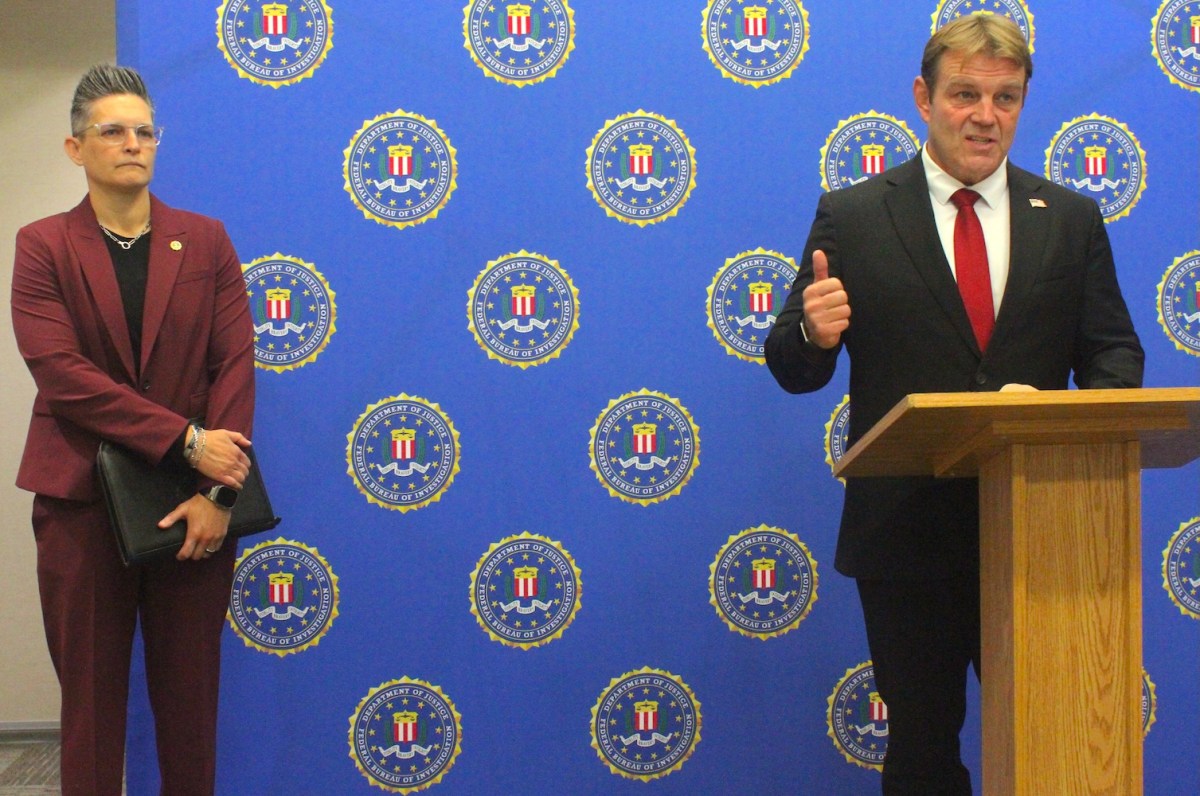
When U.S. Attorney for Wyoming Darin Smith touted an enforcement surge on the Wind River Reservation, he included three defendants who were among cases he had to reindict after judges found the first-time federal prosecutor’s misconduct may have prejudiced jurors.
The surge was part of an FBI and U.S. Department of Justice initiative called Operation Steadfast Promise, which aimed to address violent crime specifically in tribal communities across the country.
As part of the national campaign, which occurred from April through September, the FBI assigned an additional 15 agents to Lander, who rotated through on one-month stints. The first temporary agents arrived in Lander in May, and the last left in September, FBI Denver Public Affairs Officer Vikki Migoya said via email. The 15 agents assisted the FBI’s resident agency in Lander, which is typically staffed with five people, Migoya said at a September press conference.
Smith said at the press conference that an increase in meth dealings across the state precipitated the surge. “We’ve declared war at the Justice Department on drugs, and we’re committed to stamping that to the best that we can, and that’s like whack-a-mole, right? You whack them all down, and he pops up over here.”
Following the surge of FBI agents to Lander starting in May, Smith’s office filed federal charges against 18 people for various violent crimes, including murder, assault, sexual abuse and drug distribution.
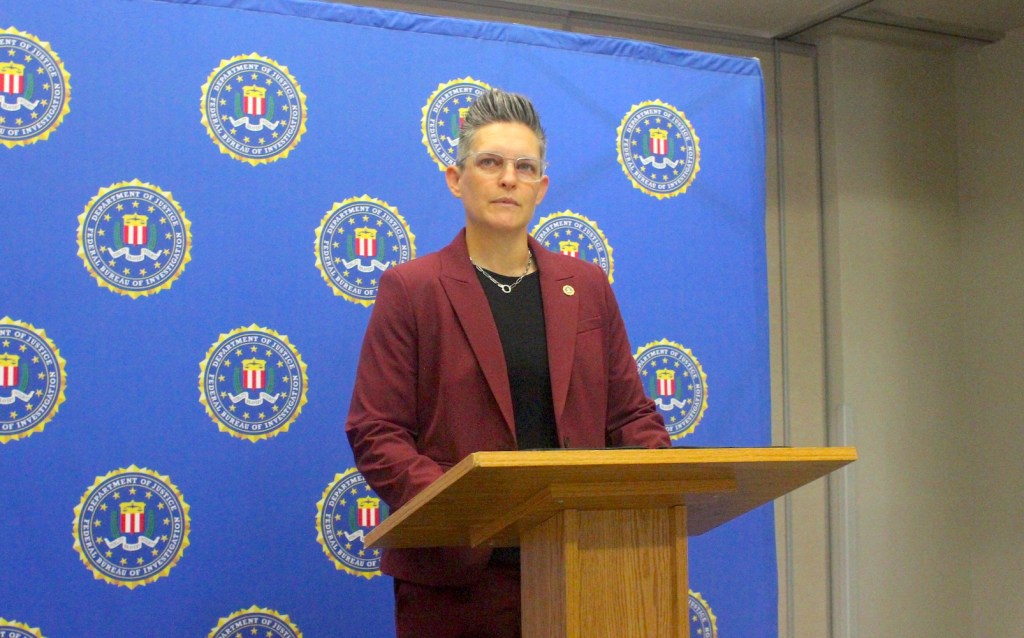
“Because we had extra hands, we were able to investigate more quickly and get the cases to the prosecutors more quickly,” Migoya said at the press conference. “So while these may have been spread out over a longer period if we didn’t have the extra resources, we were able to get them done in a really timely fashion with that extra help.”
It’s not clear how many federal charges prosecutors typically file in such a time frame. The Wyoming U.S. Attorney’s Office didn’t return WyoFile’s request for these numbers from previous years by publishing time.
Of the 18 people Smith and the FBI cited at the press conference, 17 have been indicted, or formally accused of committing a crime by a grand jury, court records show. Another admitted guilt.
“From doing the crime to doing the time, no district does a swifter job and more efficient job in the country of administering justice,” Smith touted at the September press conference.
But according to a list of the 18 people provided by the FBI, three of the individuals counted — Dennison Antelope, Brian Johnson and Jose Ocon — were among a group of defendants that had to be reindicted after judges tossed their charges, citing misconduct by Smith that could have prejudiced the jurors. Antelope, Johnson and Ocon were initially indicted in March before the FBI surge, court records show. They were reindicted in May.
Defense attorneys accused Smith, who at the time was the interim U.S. attorney, of improperly telling the grand jury the defendants were “bad guys,” stating they were “murderers” and that deliberations “won’t take long.”
The U.S. Attorney’s Office for Wyoming undertook a review of Smith, resulting in further disclosures about Smith’s interactions with grand jurors, including that he asked for the list of grand jury members and passed out business cards to them. Prosecutors are not permitted to have private communications with grand jurors.
The court empaneled a new grand jury after dismissing the initial indictments. The new jurors reindicted the group of defendants, including Antelope, Johnson and Ocon.
The misconduct findings didn’t stall Smith’s U.S. Senate confirmation for Wyoming U.S. attorney in May.
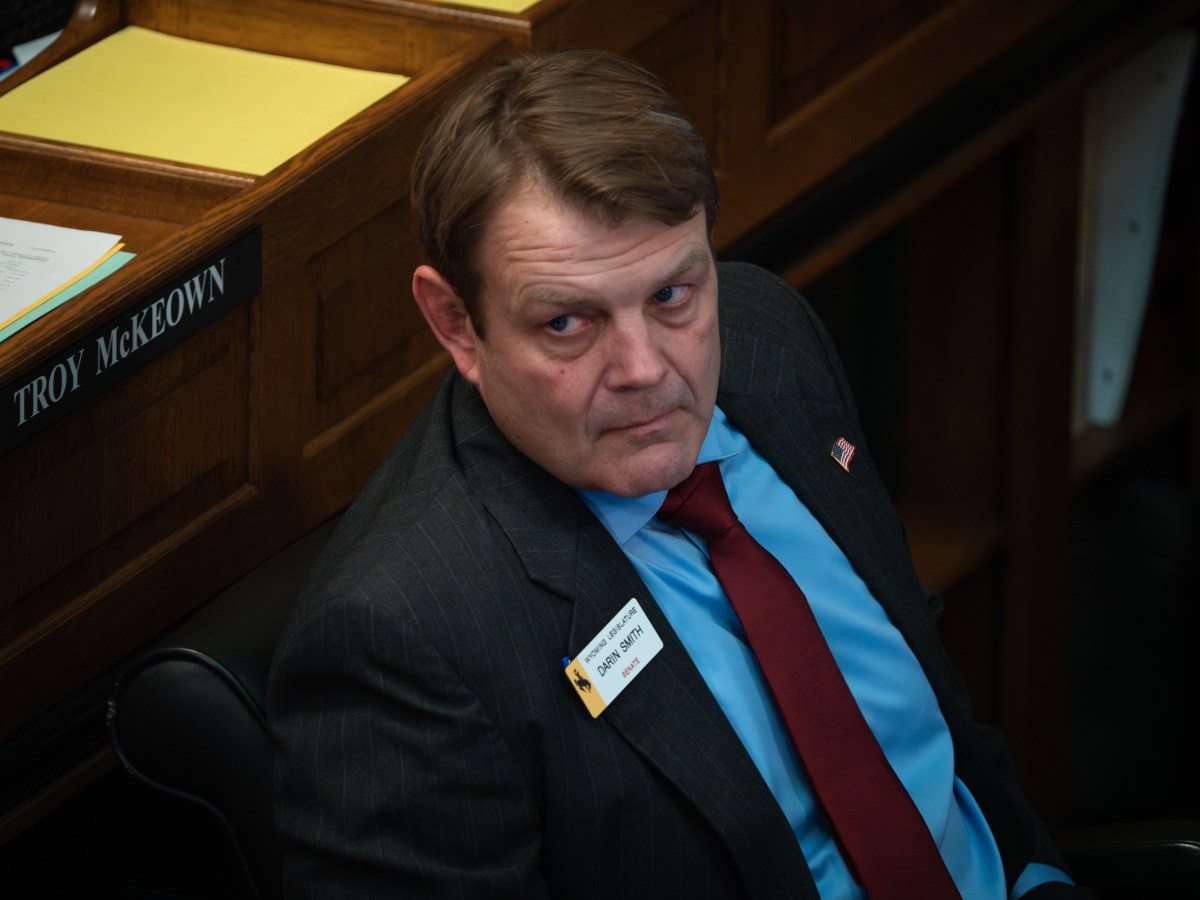
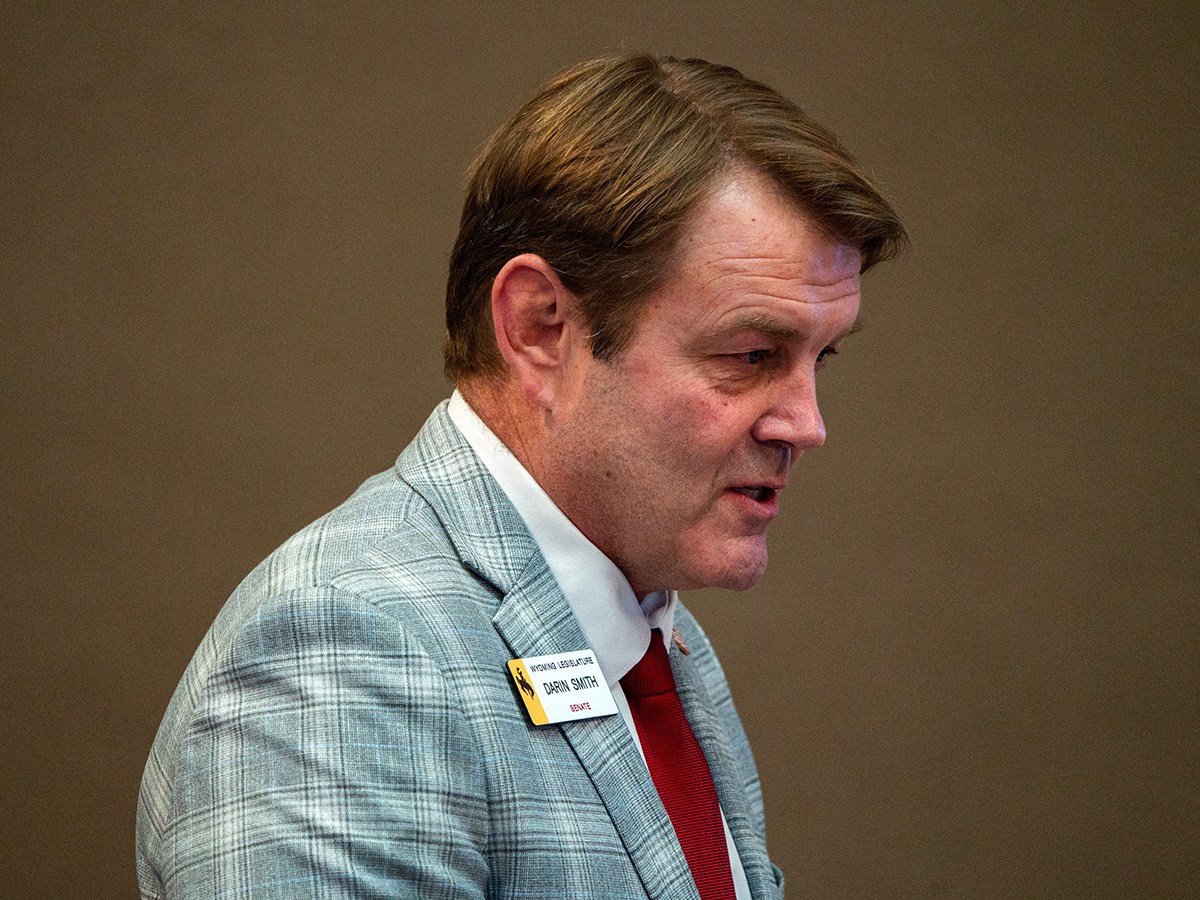
The episode sharpened tribal concerns over trust and federal prosecution on the reservation, and the Northern Arapaho and the Eastern Shoshone tribes were vocal in opposing Smith’s confirmation. The Wyoming U.S. Attorney’s Office holds particular weight on the Wind River Reservation, because federal prosecutors handle felony cases for crimes committed on the reservation by tribal members, and sometimes by non-tribal members.
A statement from the Eastern Shoshone Business Council addressing the imbroglio said that Smith’s “arrogant and unprofessional conduct speaks directly to the concerns the Eastern Shoshone Business Council has with the adequacy of the prosecution of crimes arising in Indian country.”
Smith’s conduct, the statement continued, “created avoidable legal challenges that could result in indictments being dismissed or defendants avoiding accountability altogether because of prosecutorial misconduct or unfair grand jury proceedings.”
An opinion piece by the Northern Arapaho Business Council published in the Riverton Ranger and the Lander Journal also condemned Smith’s alleged conduct and comments, noting that the U.S. Attorney’s Office “already faces longstanding criticism regarding the failure to adequately prosecute crimes arising on Indian reservations,” with many cases stalling before they get to a grand jury.
“For Native victims and families, this means violent crimes often go unanswered, justice is delayed or denied, and faith in the federal system continues to erode,” the piece stated.
It’s not clear what steps, if any, Smith and his office have taken to build trust with the tribes since this incident. Smith’s office didn’t respond to WyoFile’s inquiry by publishing time.
WyoFile reporter Mike Koshmrl contributed to this report.