


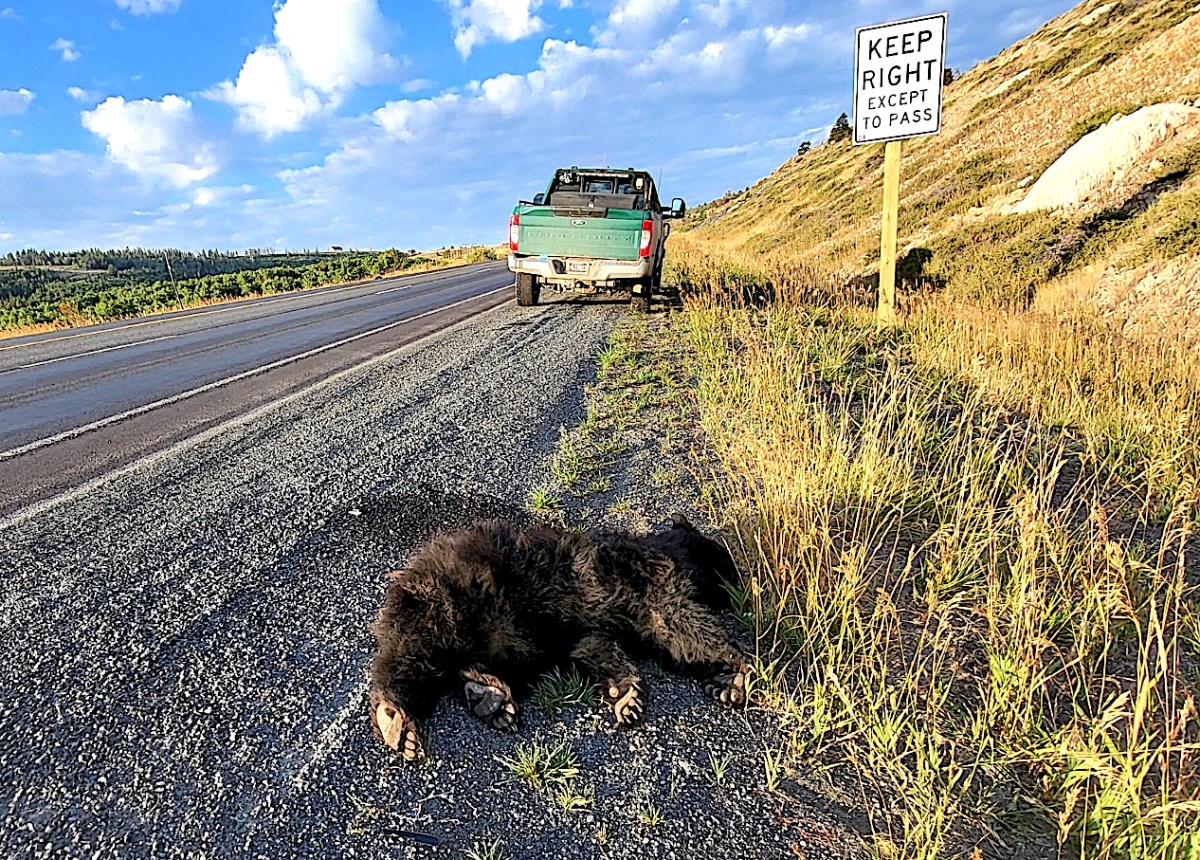
The initial roadkill reported to Brian DeBolt on South Pass was pretty routine.
A westbound motorist heading toward Farson had careened into an elk, now lying dead in the ditch near mile marker 54 of the thoroughfare that generally follows the route of the historic Oregon Trail.
“I got a call at like 2 o’clock in the morning,” said DeBolt, the Lander-based large carnivore conflict coordinator for the Wyoming Game and Fish Department. “If it’s dead and it’s off the road, it’s usually not our concern.”
Carcasses in highway right-of-ways — which can amass in shocking numbers — are typically collected by the Wyoming Department of Transportation.
Two days after the early morning Aug. 31 report came in, DeBolt received another call that made the elk carcass his concern.
“I get another call from our dispatch that a passerby had reported three dead bears,” he recounted. “I go up there and sure enough, there’s a sow and two young cubs, obviously struck by vehicles. I’m sure it happened all at once.”
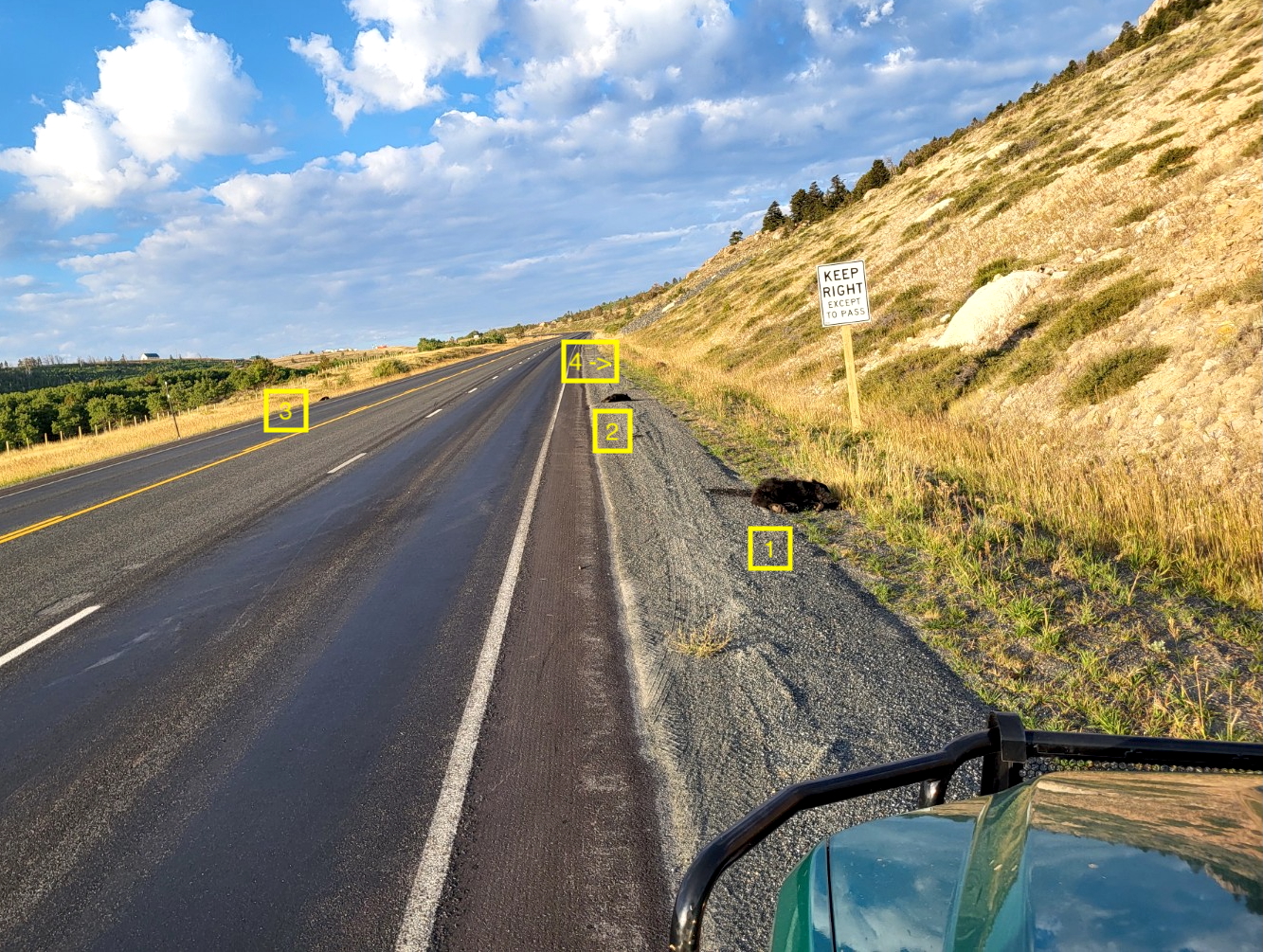
DeBolt loaded the family of dead bruins into the bed of his pickup truck. He left the rotting wapiti, already having three carcasses on board.
Later that evening, the carnivore biologist took another call from dispatch: another report of a black bear struck and killed at the same Highway 28 mile marker.
“I’m like, ‘No, that happened this morning,’” DeBolt recalled saying.
But via the dispatcher, he learned that the man who struck the bear was up there right then. He called the motorist and confirmed.
“I went back up there. Sure enough, another bear was down right at the elk carcass,” DeBolt said. “That time I did go ahead and pick up the elk carcass.”
The fourth bear lured to its death by roadside venison in less than 24 hours marked the end of the unusual incident. But to DeBolt, it was a reminder of why it’s important to report and clean up roadkill that accumulates daily along Wyoming’s roads.
“It creates a safety hazard, and not only for people,” DeBolt said. “Also, just other animals.”
Although black bears being struck while feeding on road-killed carcasses might be relatively rare, DeBolt said he’s seen the chain reaction from a collision claim other species before.
“It’s mostly coyotes and magpies and ravens and other small scavengers,” he said.

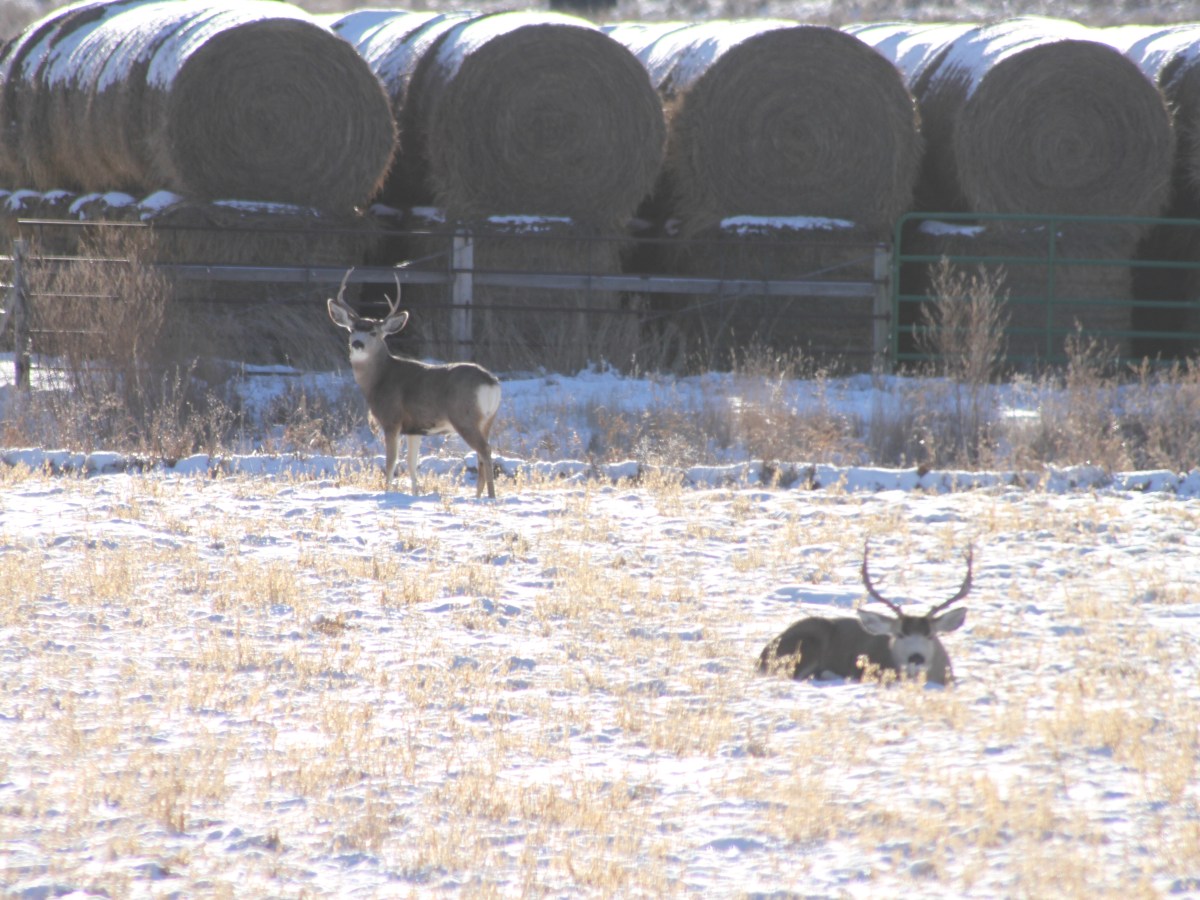
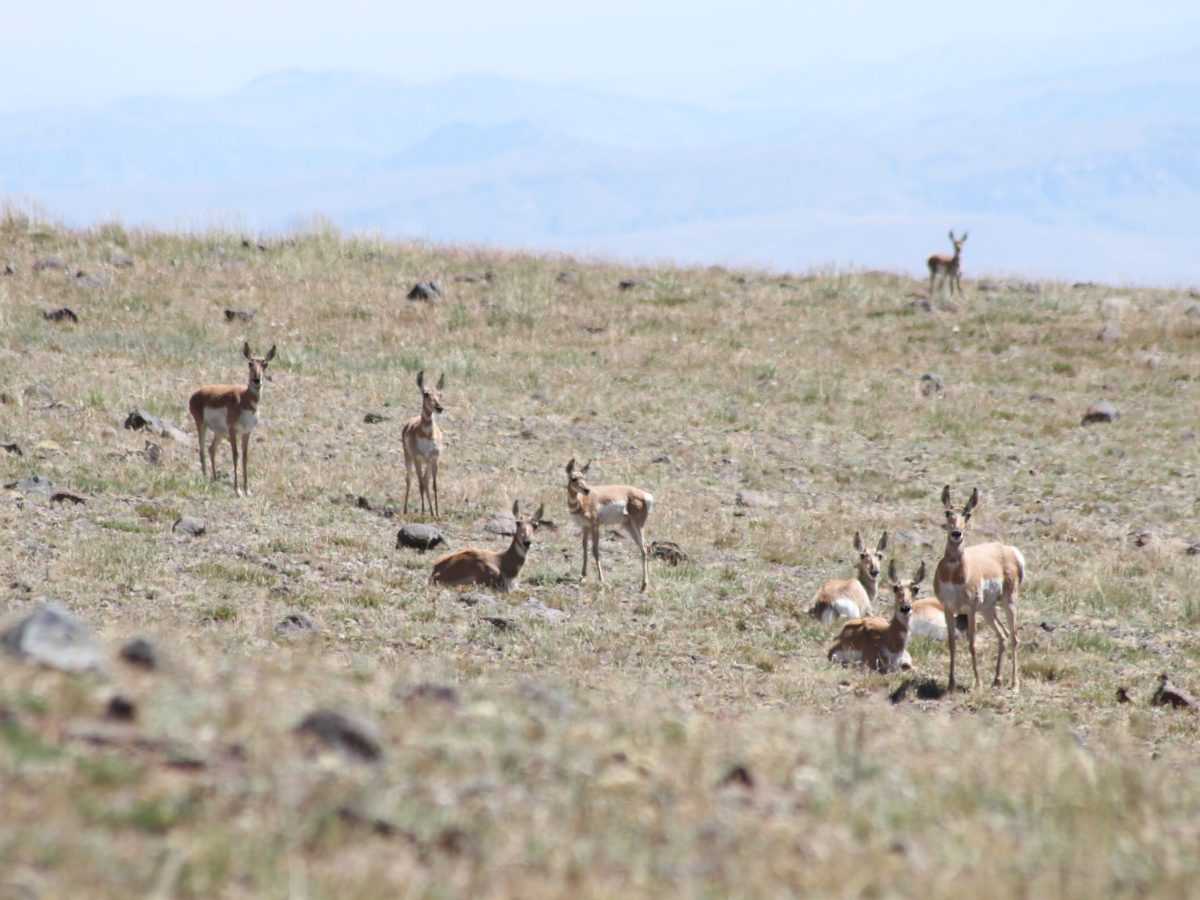
Those opportunistic scavengers have plenty of biomass drawing them in. Wildlife-vehicle collisions doubled in Wyoming over a recent 15-year period, according to a 2022 report from the Wyoming chapter of The Nature Conservancy.
“If we conservatively estimate that the true number of animals hit by vehicles is two times the number counted, then we may be losing 15,000 big-game animals, mostly mule deer, to wildlife–vehicle collisions per year,” author Corinna Riginos wrote.
Only a tiny fraction of the road-killed wildlife earns any publicity. Black bears and grizzlies — including world-famous Grizzly 399 — have proven the rare exceptions, garnering headlines after accidents and reminding motorists of the scores of animals struck and killed by vehicles every year on Wyoming roadways.

Incredible that WYO F&G and WDOT don’t have their acts together to respond more rapidly and clear carcasses off Hwy right-of-ways, particularly after a similar incident (vehicle collision w/ungulate) took the life of Griz 399 and likely her cub in 2024.
Hauling the 3 dead bears off but not the attractant (the dead elk)?come on!
As the story states, it’s as much a public safety issue as a wildlife protection issue.
Get off your buts and do your job
Not surprised at all up here in park county, the state picks up the road kill once a week if your lucky . I have called the Game and Fish numerous times, they just plain out refuse to pick it up. I live five miles East of Cody and there are 3 Game and Fish employees that live further East than I and they pass everything up on the way to work in Cody. No bears yet; but Bald eagles, Rough Leg Hawks, and Golden eagles on the many deer carcasses throughout the year. Just no excuse.
Too many people in a hurry, and too many unaware motorists, plus the tons of just bad drivers.
The Wyoming DOT has been raising speed limits on two-lane rural highways, likely in response to pressure from the trucking industry and the mining and energy industries that it serves. Since our local speed limit was bumped from 65 to 70, there’s been a noticeable increase in roadkills, not just deer and antelope, but foxes, furbearers, rodents, and raptors. People are also driving larger vehicles at higher speeds. Driving 70, I get passed frequently by drivers exceeding the limit by a big margin.
So you are going to screw me, eh?
And leave my comment in moderation forever?
The comment was a nice way if saying the guy made a real bone-headed decision.
Cancel my subscription to your wyofile because you are not a neutral news source as you suggest.
Hi Tom! We’re a small team and our first priority is reporting. Depending on what’s going on, comments may be moderated 24 to 48 hours from when they’re submitted — or even later. Please be patient. There were many other tasks I was working on this morning and I somehow missed a few comments that came in early this morning. Thank you for your understanding.
What a ridiculous reaction to a non-issue. Get a grip
Patience is the companion of wisdom.
Unless there is some sensible moderation, I can forsee the comment section getting out of hand with emotional nonsense claiming the bears were hit on purpose, blaming G&F, etc.
Note to Self:
When I find a carcass along the highway that attracted three bear, I need to remove the dead bear AND the carcass.
There is an app. WYDOT 511 to report roadkill. I am not sure how quickly they act but it is a step in the right direction.
I don’t live in Wyoming . I live in VA between the Appalachian, Blue Ridge, and Massanutten mountains. We have wildlife killed in the roads here but would NEVER NOT remove the carcass immediately after it was reported. This is why beloved 399 lost her life. Had the elk carcass been removed and she and Spirit hazed to get them safely away , she would likely still be here. WHY does the WY Dept of Game and Fisheries not have a policy in place that removes dead animal carcasses when it is first known they are there. FOUR bears had to die due to what? They don’t want to go out at night? I do not understand and stories like this break my heart!! Please do something! Be like Virginia!!
What is the law on road kill being cleaned up?
Would overpasses for animals help in this road?
Just curious as to why the G&FD biologist didn’t remove the elk carcass after collecting the bodies of a bear family that were likely hit as they tried to feast on the carcass – especially during this time of hyperphagia- thus allowing the opportunity for the fourth bear to be hit and killed? I ask because in the article he is quoted as understanding the importance of why carcasses should be cleared from roads: “It creates a safety hazard, and not only for people,” DeBolt said. “Also, just other animals.”
I agree! If his job is about protecting these animals, why would he have left that carcass there?! It disturbs me that he said “if it’s dead and off the highway, it’s not our concern” and then he became his concern when the bears were hit. If so many wildlife are being hit, I don’t understand why there wouldn’t be more priority put on removing carcasses immediately so it doesn’t pose a threat to the remaining wildlife. I feel this was poorly handled and those four bears had to pay the price.