

A young girl once came through the Eastern Shoshone Department of Family Services, which worked to help the teen address her struggles with alcohol, the department’s Gina Jarvis explained to lawmakers. But what should have been a success story turned out to be a program failing her, Jarvis said.
“She was being abused by an uncle or someone who bought alcohol for her,” Jarvis said. “So I think that’s where we also fail when we punish our juveniles for drinking,” instead of looking for broader patterns and causes.
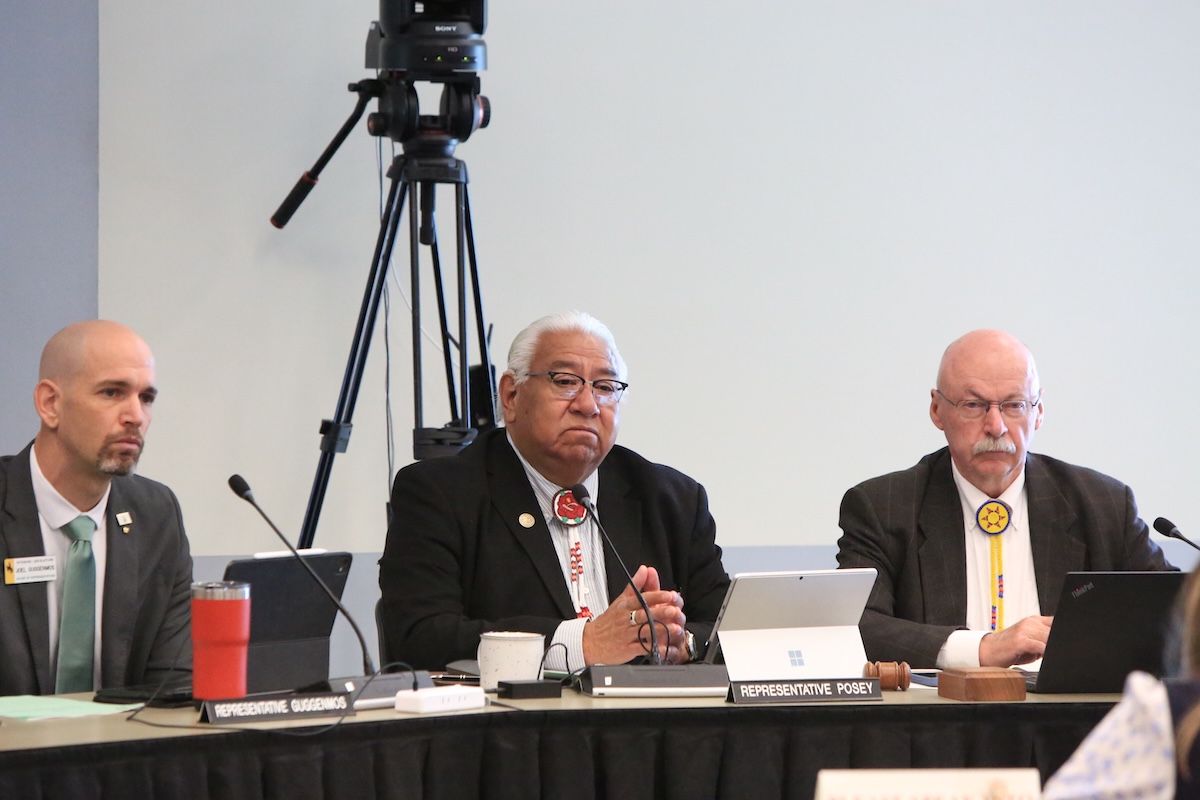
Jarvis was among a panel of juvenile justice experts who spoke Monday at the Wyoming Legislature’s Select Committee on Tribal Relations, which met in Riverton.
“It’s not just a [Department of Family Services] or a courts issue, it’s a community issue,” Wind River Tribal Court Chief Judge Maria Musalem said. “This is a Wyoming issue. This is a Fremont County issue.”
And it’s a problem that often goes without consequences for the adults involved, the committee’s co-chairman, Sen. Cale Case, and other discussion participants pointed out.
Since Jan. 1, Fremont County Juvenile Justice Assistant Director Hattie Calvert told the committee, her program has seen 52 youth drug and alcohol citations across the county. In 2024, the average reported blood-alcohol content for youth with alcohol citations coming through Calvert’s programs was 0.123%, she testified. In 2025, it was 0.148%, with a high of 0.329%.
To put those numbers in context, a blood-alcohol content of 0.08% will result in a driving while under the influence citation for an adult. But some of the kids in Juvenile Justice are as young as 11 — and many report having started to drink around 8 or 9 years old, Judge Musalem explained.
During Monday’s Tribal Relations meeting in Riverton, Calvert and a number of her peers working with youth in Fremont County and on the Wind River Reservation came to the committee meeting with a message: The problem is systemic, they said, and it doesn’t stop at the reservation’s boundaries.
No fines for family
In the vast majority of cases, Case said, minors drinking means adults supplying them with alcohol. Fremont County’s liquor stores don’t have significant problems with sales to minors, Calvert reported, and the alcohol is often purchased by a legal adult.
So far this year, Calvert said, she’s seen one report of an adult being cited for providing alcohol to a minor. The maximum penalty for this misdemeanor charge is $750.
Under Wyoming statute, Case pointed out and confirmed with Legislative Service Office staff, the crime is specifically furnishing alcohol to a minor who isn’t related to you and isn’t your patient — which means that adults providing alcohol to children within their own family is not considered a crime by the state.
Fellow committee Chairman Rep. Ivan Posey asked what the Shoshone and Arapaho Law and Order Code had to say on the matter.
“We don’t have that clause,” Musalem responded. Under tribal law, she said, there are two applicable charges for adults: One for furnishing alcohol to minors, which carries a penalty of up to 30 days of jail time and a maximum fine of $500; and one for contributing to juvenile delinquency, which can be up to 180 days of jail time. She said she thinks the tribal court has overseen about 10 charges so far this year.
But despite the stricter standards, the same issues face young people living on and off the reservation, Musalem said. Kids report getting their alcohol or marijuana from a family member, who hasn’t been charged with anything and who doesn’t have to go through the same kind of treatment program, she said. Then when the child finishes their program, Northern Arapaho Department of Family Services and Indian Child Welfare Director Shelly Mbonu explained, they often go back into a home environment where the adults around them may be chronic substance users themselves.
Juvenile justice
Youth Services and the day reporting center under Fremont County’s Juvenile Justice program work with children and teens who receive misdemeanor citations; many of these citations come out of Fremont County’s schools, Calvert explained. In addition to a variety of resources intended to help youth work through substance use and other issues, the day reporting center gives them a way to still complete their home district’s curriculum, while they can’t attend school or are under something such as a stipulated agreement.
In Fremont County, Calvert reported, the majority of these youth citations are for alcohol and/or drug use (typically marijuana). But, she and Mbonu noted, youth who are using drugs such as fentanyl and methamphetamine likely aren’t showing up in the citations coming from schools because they’re less likely to be attending school at all.
Representatives from Fort Washakie, Wyoming Indian, Arapahoe and Riverton schools emphasized that truancy doesn’t in and of itself reflect an issue with the student. A chronically absent student may be dealing with an abusive home situation, lack of reliable access to transportation, or having to care for an older family member who’s fallen ill, just as a few examples, the school leaders explained.
Although the Wyoming Department of Family Services, Eastern Shoshone Department of Family Services, Northern Arapaho Department of Family Services, Fremont County Treatment Courts, Fremont County Juvenile Justice, and Wind River Tribal Court are to varying degrees separate, they all, representatives told the committee Monday, work hand in hand to help Fremont County’s at-risk youth. Sometimes that means getting together to collaboratively try to find solutions; sometimes it means something as simple as opening up a records system to someone who wouldn’t normally have access to it, such as Wind River Tribal Court allowing county Youth Services access to its youth dockets. Although the tribal court system and the county court system don’t traditionally communicate with one another, people such as Calvert can take a look at the dockets and let the tribal court leaders know if a kid has been through the county system before — and vice versa.
Jarvis cautioned that it’s not enough to just catch kids drinking or using drugs and try to work with them to put a stop to it. You have to think about why they’re using substances in the first place, she said.
“We all have to recognize that prevention is the first step,” Fremont County Treatment Courts and Youth Services Director Sage Goff testified. “Recognizing the gaps in how do we help the children … How do we have them see and understand their choices have consequences, but it doesn’t have to be their story.”
In prior interviews, Juvenile Justice staff have frequently emphasized that many of the Fremont County youth who start using drugs and alcohol do so because they’re struggling with something in their life, and are effectively using substances to self-medicate. Fremont County juvenile justice experts on Monday’s panel also pointed to this as a factor, but another issue seemed to rise to the top for the committee: Who’s giving them access to alcohol in the first place?
In Wyoming and in Fremont County, starting to drink young is normalized, Calvert said.
It’s viewed, Rep. Posey remarked, as something of “a rite of passage … It’s a rite of passage that some don’t come out of.”
Sometimes it will be people in their early 20s partying with people in their mid to late teens; sometimes it will be someone who remembers being given their own first drink by an uncle, Musalem described. And, she noted, there’s currently a generation that saw a lot of teen pregnancies, with children often handed over to grandparents to raise. Then, when the parents become involved in the kid’s life in their teen years, she said, their relationship is often more of a friendship than a parent-child relationship.
With such high blood-alcohol results in juvenile drinking cases, Case observed that these teens and preteens likely aren’t consuming a pack of beer; he wondered if there was some sort of criminal enterprise working to get youth access to alcohol. No, Calvert and others responded, explaining that kids have told them alcohol is largely supplied by family members who are of legal drinking age.
Giving minors alcohol is always harmful, as it creates a practice of drinking, Calvert added. “When you’re drinking at 16 … You are harming yourself,” she said. “And then in turn, you are harming your children.”
Problems with solutions
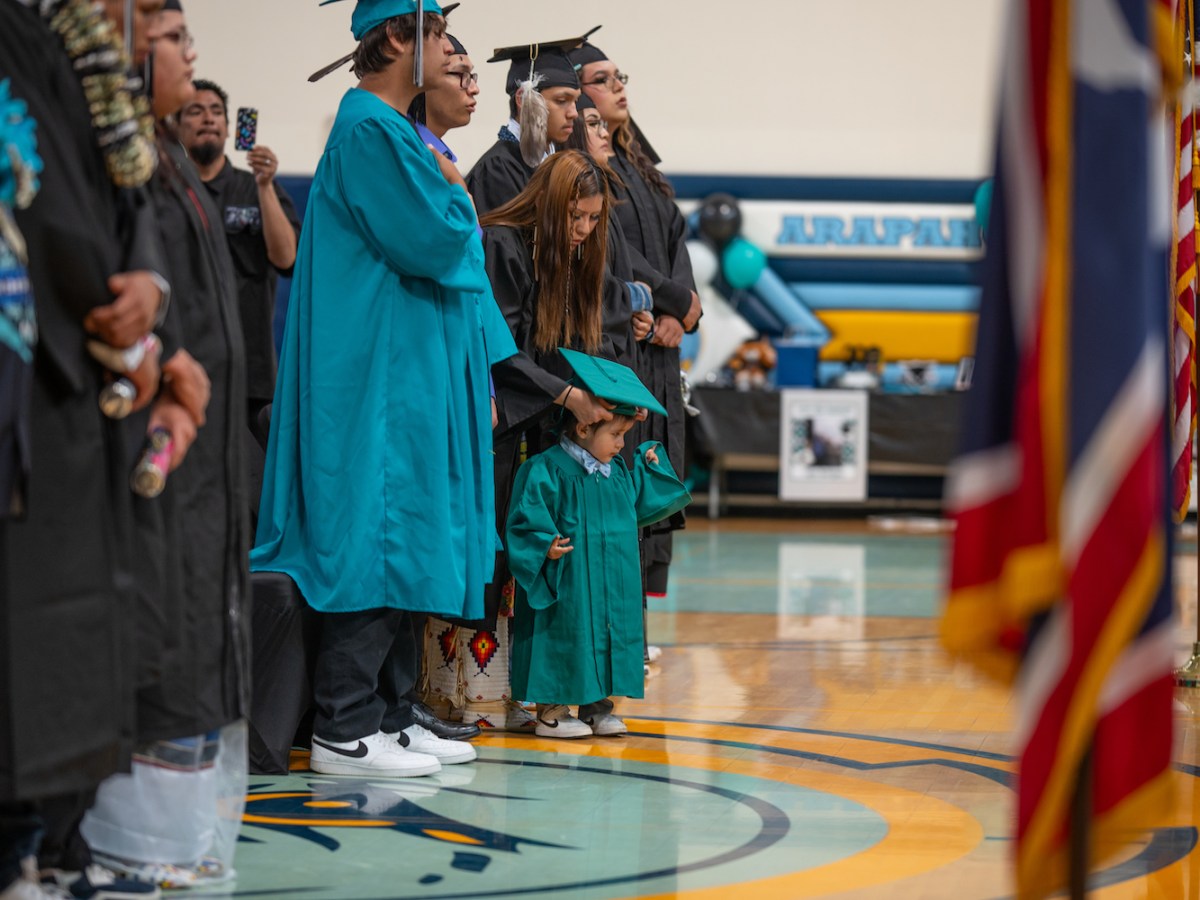
It’s important to see this as a systemic issue, not just something that can be addressed by treating a handful of offending youths, the juvenile justice experts said. Although the panel said they’re hoping to build something that can help youth statewide, Musalem emphasized the importance of connecting with Shoshone and Arapaho culture for Native youth in treatment and/or juvenile justice programs.
“Tribal court’s stance is that we lose our youth unless we find out and get them back into the mindset of where they come from. They lost their roots,” Musalem said. Programs like White Buffalo and Doya Natsu, she explained, use evidence-based approaches that incorporate traditional Native culture. “That’s how we’re going to save our youth.”
Access to parenting classes, especially for how to parent teens, was put forward as one way to help families; another was to continue working toward the county treatment courts functioning more like family court.
But more than just families need training, the experts advised. The need to address the normalization of alcohol use in minors, Musalem said, is statewide, as demonstrated by the lack of citations for supplying alcohol to minors as compared to the number of minors cited for consuming alcohol. Offering relevant training to government bodies, law enforcement, and other organizations and agencies could be a way to help change this trend, the panel put forward.
“There are a lot of shortcomings within the system,” Goff pointed out. “So much of it also starts at the state level.”
The members of the panel emphasized they are working hard to collaborate — not just passively, Musalem said, but actively. They’re hoping to continue building collaborative relationships around the county and state.
“We can come up and kick around ideas all the time of, you know, DFS isn’t doing this, or Youth Services isn’t doing this, or the schools aren’t doing enough — but until we start having active collaboration and quit working as silos, we’re not going to get anywhere with our children. And that’s where we need to be focusing on,” Musalem said. “We have to put egos aside to do what’s best for our youth.”
That desire for building collaboration includes, Mbonu noted, schools. Earlier in the meeting, school district superintendents had testified that in the past they experienced what felt like a lack of committed support from tribal court on addressing the issue of chronic truancy on the Wind River Reservation. During their segment of the meeting, the schools stressed that kids aren’t always absent because they’re doing something wrong — but that doesn’t mean that these agencies can’t work with the school districts.
“I want the schools to hear us loudly,” Mbonu said, “that we are here to collaborate.”
Although there was not a specific request put forward, Calvert, in particular, emphasized that she felt that the gap in state statute allowing adult family members to supply alcohol to minors without penalty was troubling.

Lots of hard work went into reporting and writing this detailed and disheartening piece. Excellent job, Marit.
I am adopted as was my brother. He came from the Spokane Indian Reservation in Washington State. When he was four, our neighbors thought it was cute to allow him to empty their cocktail glasses following their traditional 4pm cocktail session. He died on my mother’s couch at 50. What a waste of a beautiful young person. We know diabetes is inherited but no one ever mentions that alcoholism could be also. Where are our scientists in this horrible situation?