

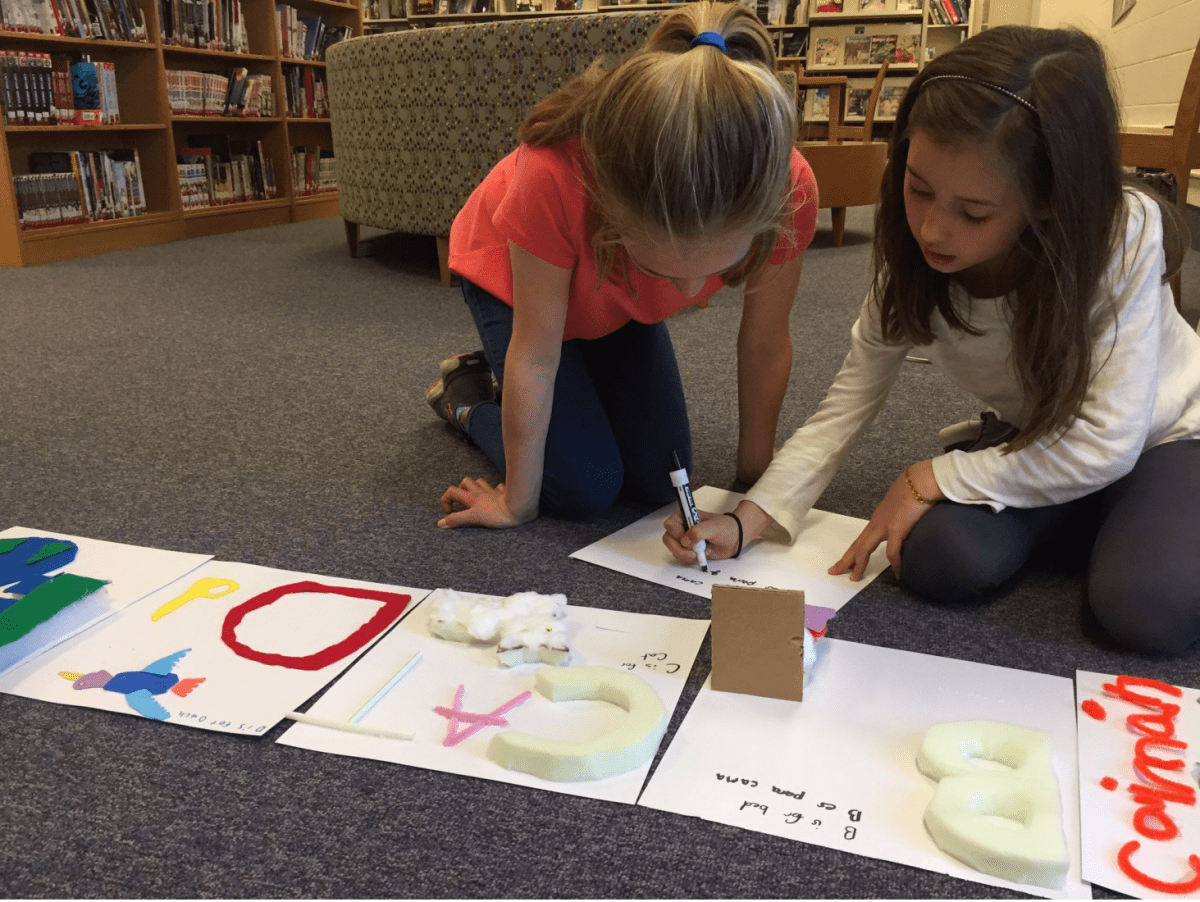
After teaching pupils from a facility on the University of Wyoming campus for decades, the K-8 Laboratory School in Laramie has just one more year to operate on university grounds.
The split comes after college administrators and Albany County School District officials failed to ink a long-term lease for the school, which is currently housed in a roughly 75-year-old building in the UW College of Education.
The Lab School, as it’s commonly known, is beloved for its outdoor-based education and is a popular choice for the children of university staff due to its location.
District officials, school staff and families hoped to stay longer, Albany County District Superintendent John Goldhardt said, and many are saddened by the news. The result is not for a lack of trying, he said.
Now, school staff plan to end the Lab School’s tenure on campus on a high note.
“We want to make it an extra special year,” Goldhardt said.
The district will soon begin organizing meetings to gauge community interest in finding a new home for the school, Goldhardt said.
End of an era
The news marks the beginning of the end of a longstanding but peculiar arrangement; most schools in Wyoming operate out of buildings owned by their districts, not other entities.
Most schools, however, also don’t have such an extensive history.
The Lab School was originally established in 1887 as the Preparatory School to serve secondary education students from counties without access to high school. That was three years before Wyoming statehood. School officials believe it is the longest continually operating school in the state.
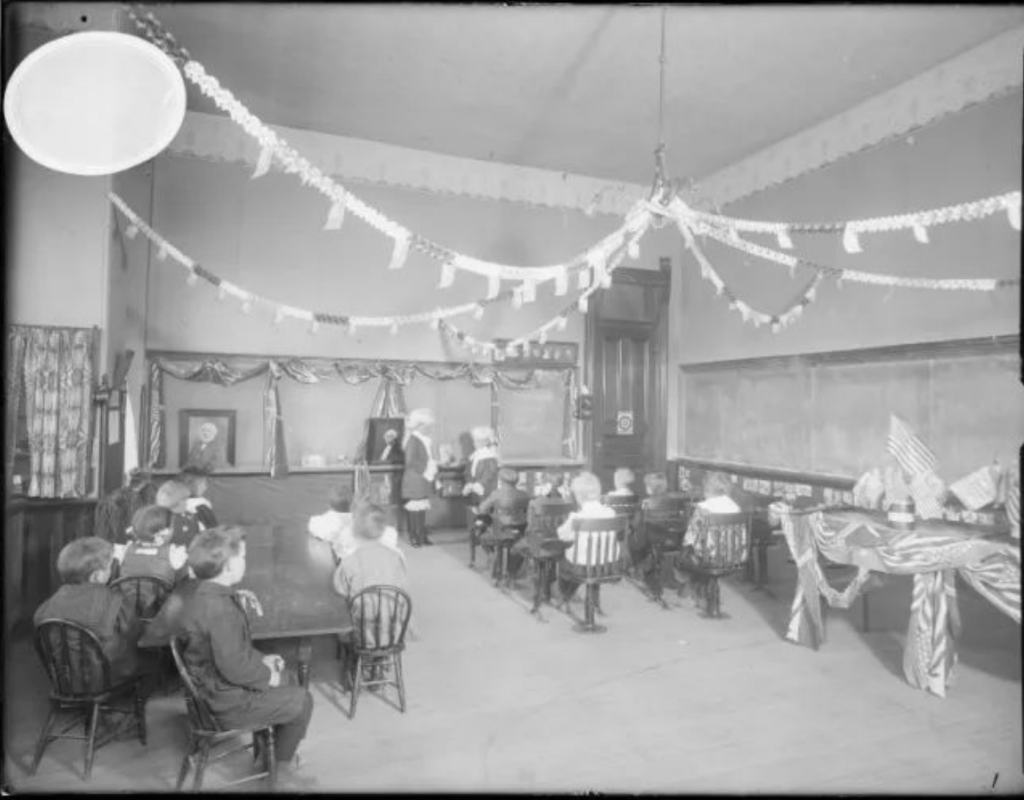
In 1913, it transitioned to the Training Preparatory School, used essentially as a learning laboratory by UW’s College of Education to help train university students preparing to teach high school.
In 1999, the private school — which by then was located in its current building — partnered with Albany County School District to become a public school. The Lab School operates as a “school of choice” in the district, meaning any district family can enter a lottery to enroll their kids, regardless of where they live.
College of Education students still train in its classrooms, but they now also train in classrooms across the district, state and beyond.
The Lab School’s unique housing arrangement has benefitted the school’s students by allowing them access to university equipment and facilities, and benefitted the university through proximity to training classrooms. But it’s unconventional for a public school to exist in a college-owned building.
UW and the school district have operated with a memorandum of understanding laying out terms of tenancy. The original 2008 MOU was renewed in 2013, 2016 and 2019. But efforts begun last year to again extend that arrangement failed to produce an updated agreement.
Instead, the school continued to utilize the building and, this spring, the university announced it was pursuing an extension only for the 2024-’25 school year, meaning the school must find a new home if it wants to continue beyond that.
What went wrong?
Philosophical differences stalled talks when the parties began negotiating a new MOU in 2023, Goldhardt said.
Disagreement over which party pays for things like major maintenance in the aging building was a major sticking point. Because the Lab School operates in a facility not owned by the school district, it doesn’t fit neatly into aspects of the state’s public school funding and construction model.
UW President Ed Seidel informed the district of the one-year plan in May, Goldhardt said. The district requested two years to give it more time to transition, he said. UW Trustees on July 18 voted in support of the one-year agreement extension, however, which appears to cement the university’s decision.
“As noted before, we have reached a stage at which continuing the current relationship beyond one year wouldn’t be optimal for either the district or the university,” Seidel said in a press release.

Maintenance cost disputes weren’t the only factor in the university’s decision, a UW spokesman previously told WyoFile. The university reiterated those reasons in its recent announcement on the one-year extension.
Among them: the fact that the lab school “no longer serves a significant role for teacher training in UW’s College of Education;” security challenges regarding having a school-district-operated facility located on university grounds; the Lab School’s incongruence with the state’s public funding model and the fact that the school district “has excess capacity in its existing facilities to accommodate current Lab School students.”
The action does not represent a severing of the university and district’s relationship, Seidel added in the release. “The move away from a long-term Lab School future on UW’s campus does not diminish the university’s desire to work together on a stronger, broader partnership with the district to promote the best interests of both parties and, most importantly, Wyoming students.”
The one-year-only extension was not what the district wanted or expected, Goldhardt said. District officials made several efforts to reach an agreement, and the university rejected multiple proposals, he said.
The university, meanwhile, has asserted the district “took no action on a proposed extension,” leading to the one-year extension.
Next steps
Goldhardt expects the district to sign the one-year extension during a special meeting Wednesday.
Following that, the district will begin holding meetings with Lab School families as well as parents from the broader district to gather opinions and assess whether the district should consider pursuing another district-sponsored choice school, Goldhardt said.

The district maintains a positive relationship with the College of Education, he said, and is focused on giving the Lab School students and teachers a memorable final year. “We just hope that we can make the transition positive.”
The university welcomes further discussions about the future, Seidel said in the release, and is “committed to deepening the relationship between the school district and UW.”

Very interesting to see what has happened over the past 65 or more years. I was a student in the UHS system from 1947 through 1960, doing K – 12 and graduating in 1960.
I have great memories of the Education building, which was really new when I was there. I hope to get back to see it sometime.
Fred Cottingham, UHS ’60
Omg I student taught there…love that school it is a great asset to the university for students of the college of education to get experience in student teaching. I am sad to see it go and hope they reconsider keeping it.
This is such a sad story. The Lab School has served the community in exemplary fashion for a very long time. The unique programming has produced students with abilities in creative thinking, problem solving, leadership and a broad understanding of local, state and world problems and challenges. Access to university museums, programs, and faculty is an asset. The unique environment on the campus provides the opportunity for students to become comfortable with higher learning and motivates students to think about ongoing education opportunities after secondary education. These are unique characteristics of a school located on a university campus.