

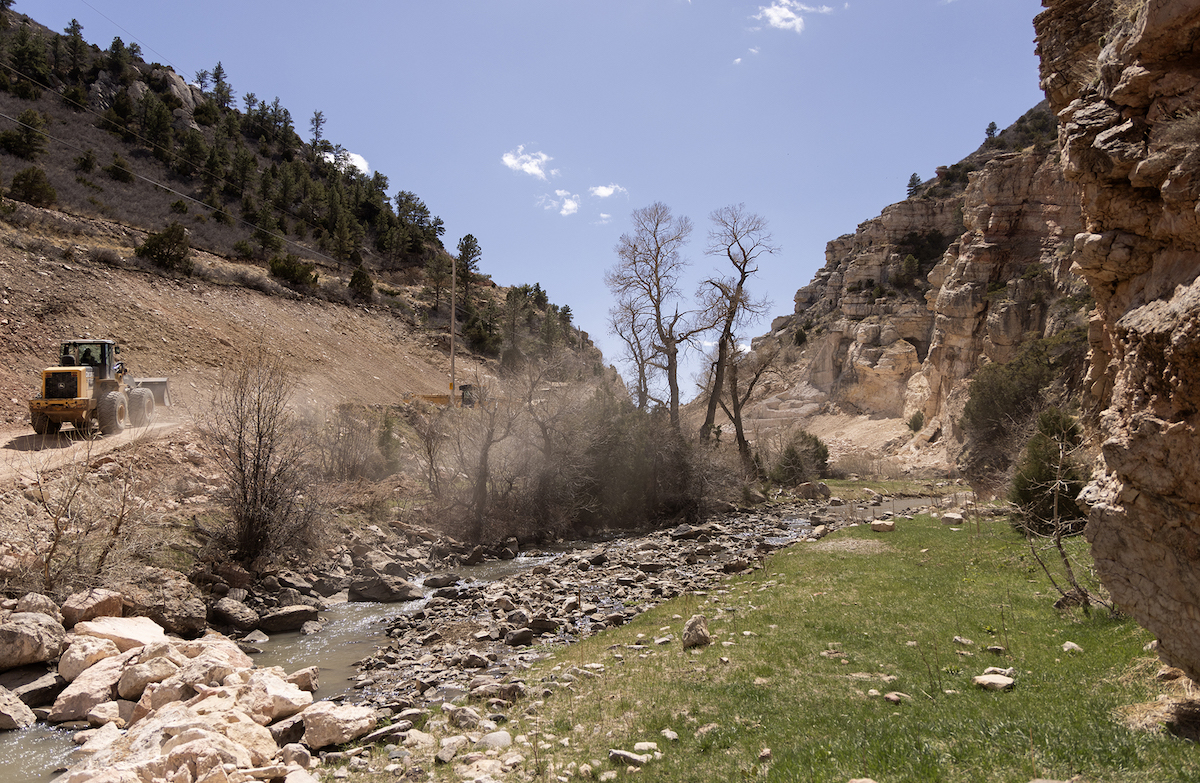
A rare northerly wind whipped dust off the road and threatened to pull the hard hat from Casey Darr’s head. Still, the LaPrele Creek irrigator trudged up a dirt road lined with concrete-busting and earth-moving equipment toward the pinchpoint of granite canyon walls he’s known since childhood.
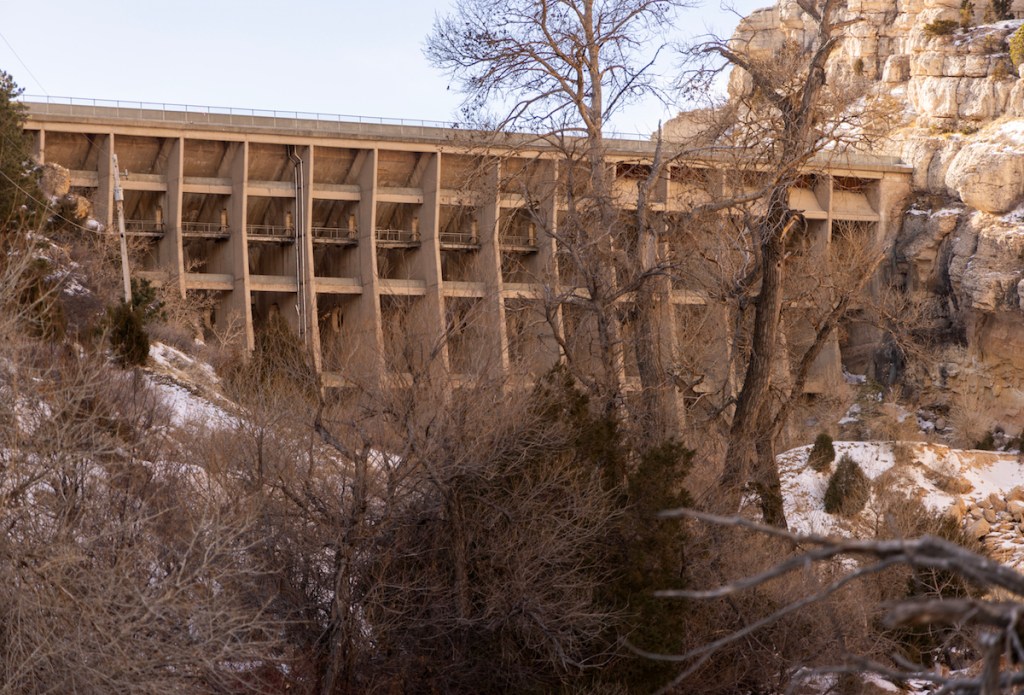
Just a few months ago, this wind from the north would have been tamed a bit, interrupted by the spread fingers of Ambursen-style concrete buttresses that, since 1909, held the LaPrele Dam, located 20 miles west of Douglas. If you climbed up between the wedge-shaped concrete walls when the dam stood against a northerly blast, “you could hear it moan,” Darr said.
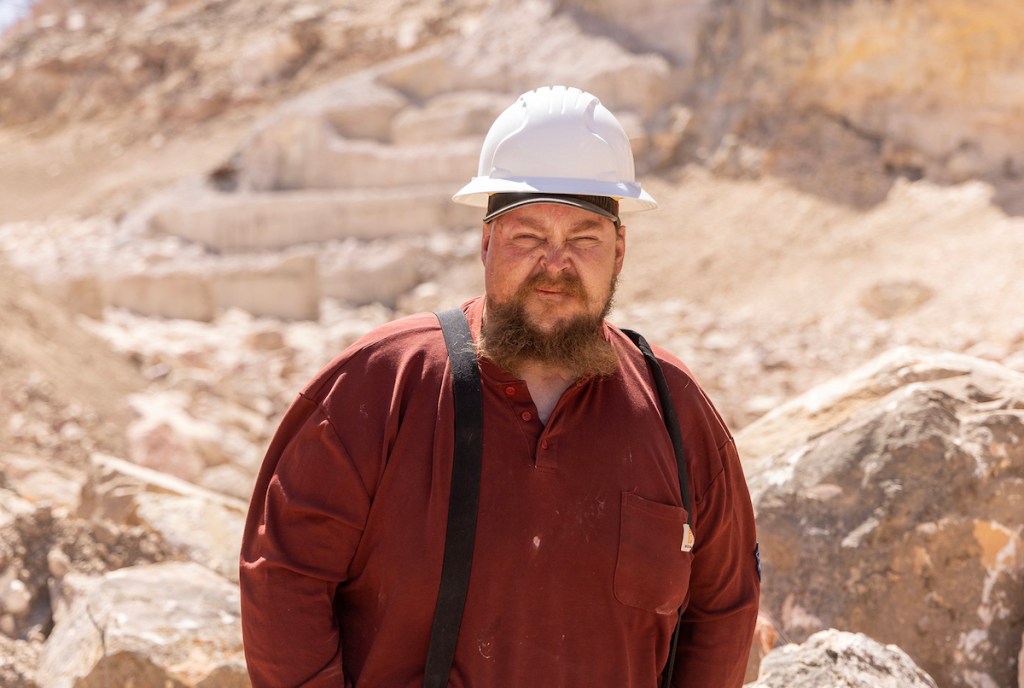
Not on this day.
The LaPrele Dam is no more.
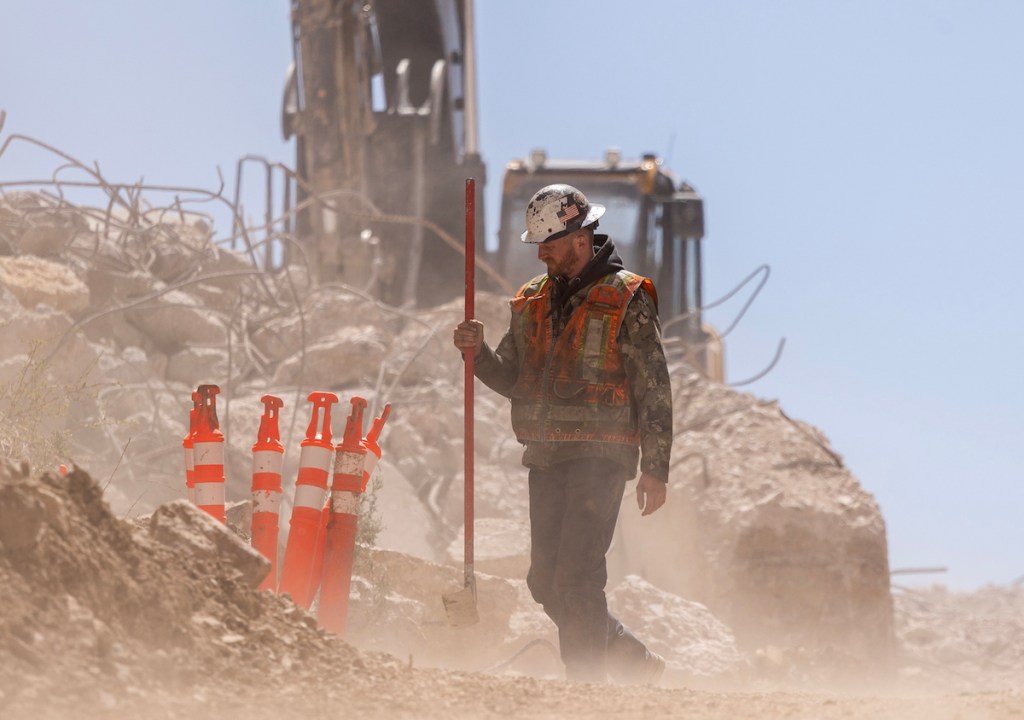
Deemed a “catastrophic” risk to life and property below it, crews knocked it down this winter, piece by piece. The rebar has been hauled away. Concrete rubble is stacked to form a water “break” and spread downstream to catch future loads of silt.
“It really came down quick,” Darr said over the howling, unabated wind. “It went really, really fast — just because of the degradation of the concrete.”
In fact, from a distance, some of the rubble looked like powder.
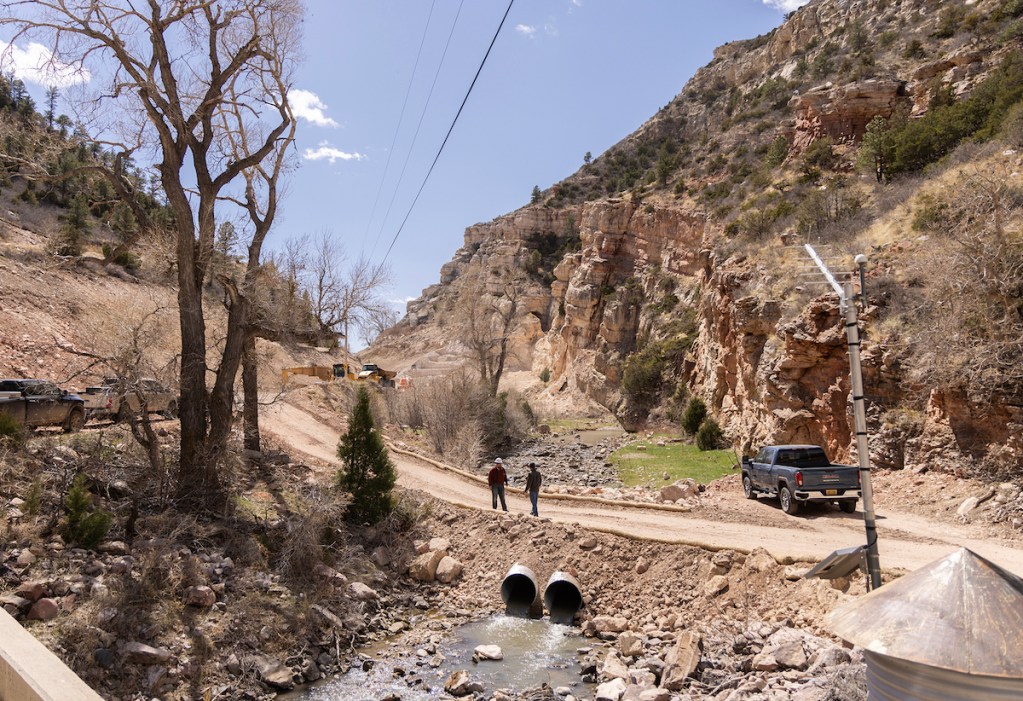
“The original concrete was in really bad shape, maybe even worse than we understood,” project manager Pete Rausch, with the engineering firm RESPEC, told WyoFile.
Montana Civil Contractors Inc. and Big Sky Civil Constructors Inc. formed a joint venture to take on the demolition project, in coordination with RESPEC. Their crews raced against a tight timeline. The state engineer’s Nov. 1 breach order called for the dam to be disabled to the point of free-flow before April 1 to prevent the structure from holding back a potential torrent of spring runoff.
“We were given an impossible timeline,” Darr said, estimating crews managed to achieve free-flow weeks before the deadline. “We’ve got a hell of a team together for this.”
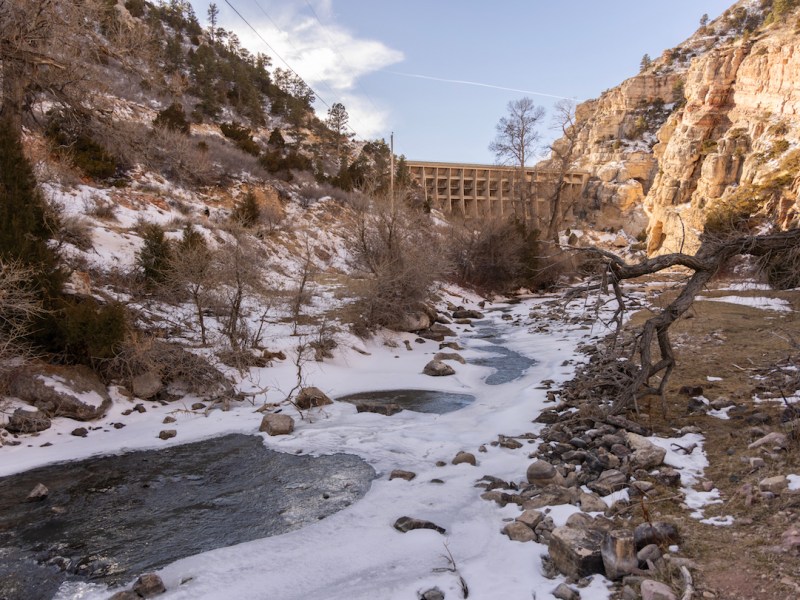
Yet Mother Nature has so far delivered only a trickle of snowmelt — an ominous beginning to the first growing season in 116 years that LaPrele irrigators will face without stored water to feed their ranching operations.
“It’s not there,” Darr said, referring to spring runoff. The LaPrele irrigation system has a capacity of about 160 cubic feet per second, he noted. “The highest inflow I’ve personally seen [this spring] is 5.7 [cubic feet per second]. That’s not even enough to wet the canals.”
Replacing LaPrele, bracing for Mother Nature
Even as demo crews finish up with the rubble, work is already underway to prepare for a replacement dam, which will be erected a ways downstream and potentially completed by 2030, according to state officials.
The estimate for the dam’s replacement ranges from $116 million to about $182 million, according to state-level discussions. The Wyoming Legislature, in 2022, set aside $30 million. This winter, lawmakers added another $60 million. So far, the state and LaPrele Irrigation District have secured a total of $97 million in federal grants for the project via the Infrastructure Investment and Jobs Act to help cover both demolition and replacement costs.
Meantime, Darr and his fellow irrigators are trying to prepare for whatever the weather may bring over the next five seasons.


Without a dam, the LaPrele irrigation community — situated between the northern edge of the Laramie Range and nearby North Platte River — is now more prone to flooding. And without stored water, irrigators expect to grow a fraction of the feedstock they need, exposing many to the volatile feed market and potentially forcing them to cull livestock.
Darr and others have stockpiled their own hay in recent years, he said, and they snatch up bales when market prices are decent.
“Hay was abundant last year,” Darr said. “It was selling for $150 a ton. I found a pretty good deal on hay, so I bought a bunch. It’ll keep for a year or two.”

Many in the community, if they’re not already working second jobs, are considering side-hustles. Darr included.
In fact, Darr was too dog-tired on this day — having been at it since 3 a.m. — to feel particularly nostalgic about strolling through the void where the community’s beloved dam once stood. Those emotions began playing out years ago as compounding evidence of the dam’s eventual demise trickled in. Now that the dam is gone and pieces are falling into place to build a replacement, Darr said, irrigators are simply focused on how to pay their bills in the interim and hoping that Mother Nature cooperates.
“Nobody’s happy about this,” he said. “But I think everybody understands that we can’t control the weather.”

$182,000,000 to benefit 100 businesses directly and indirectly, a bunch more to support those 100. This is so so irrational, such a terrible way to spend public money. And the article makes it sound like it’s a done deal.
Times change. If the market can’t support your business, you get out of the business. These irrigators benefit from the Legislatures’ socialistic impulses. But it’s a selective socialism.
Your comments are on target. When Federal or State funds are directed toward those who need help, it’s decried as welfare. When directed toward others, it’s responsible farm subsidies, bankruptcy rules, 529 plans, subsidized grazing on Federal lands, etc. But don’t call it welfare (or socialism).
Thank you for this coverage, especially the photos. Even though I am not affected by this dam, seeing this finally down after so much debate left me sad and worried. We are nothing without water, so I hope that the replacement and the interim years are kind to the growers in this area.
The irony of President Biden’s infrastructure bill paying for the initial work on the dam, money gleefully pocketed by workers who in turn spit in his face and the faces of those who made the funding available.
This is a lose-lose situation for the American people. Taxpayers fund a dam that benefits only a few local ranchers, or pay those same ranchers for their stock losses thru subsidies and bailout money.
What could ethical and moral leaders do with $182M put towards WY healthcare or education?
Will WY’s freedom caucus beggars crawl on hands and knees to request Federal money from the DC elite to fund this? They will starve a child and fund a worthless dam. ‘Murika.
If public money is going for this, the public should have access to the reservoir.
I don’t have any evidence, but considering where we live, I have to think that most of the people who relied on this dam didn’t want the infrastructure bill. Certainly, not our congressional delegation. Irony
Public money should equal public access.