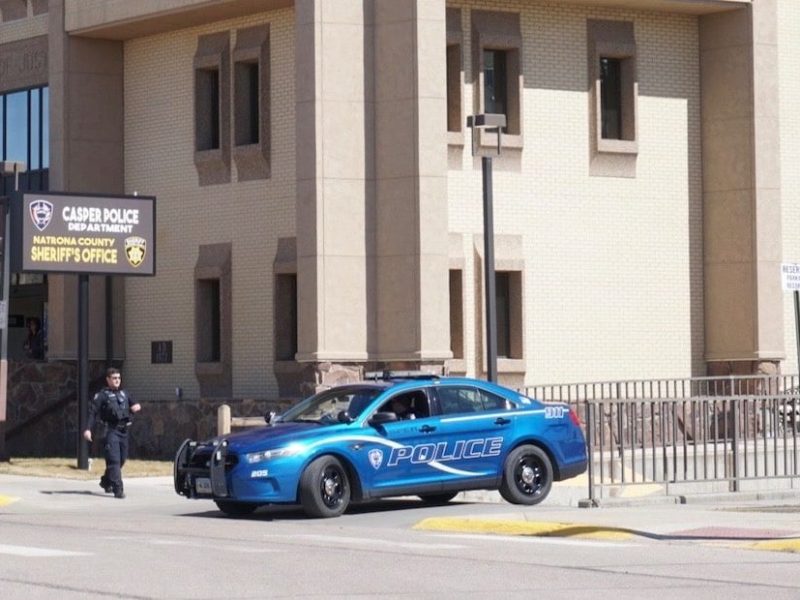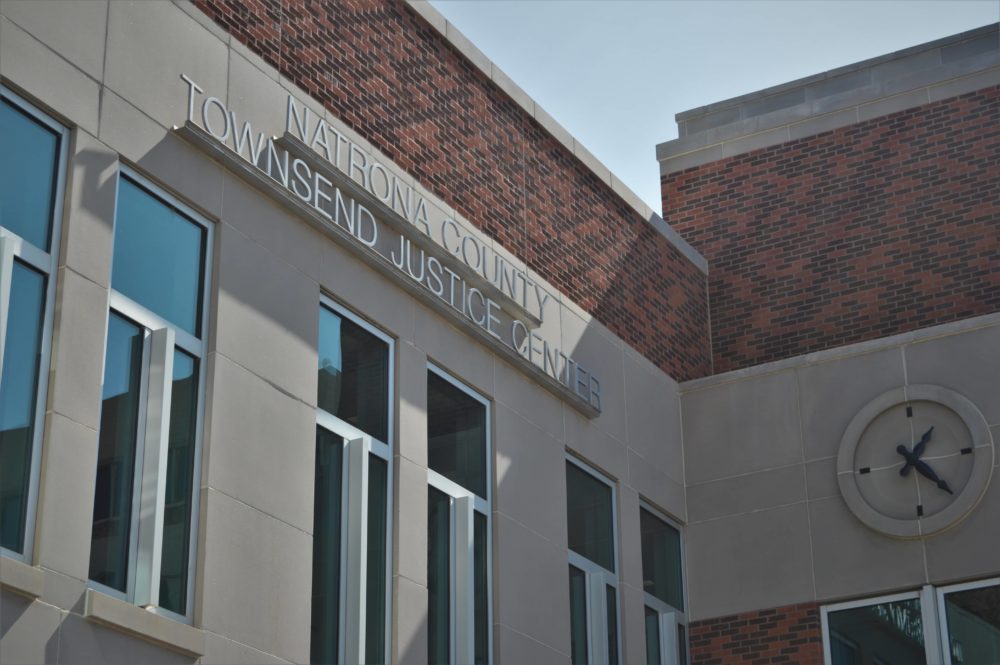
CASPER—Walking into the Natrona County Townsend Justice Center is a bit daunting. You’re met with security, asked to part with electronic devices and then shepherded through a metal detector.
Take a quick right, then left, and just past the elevator you arrive at the Natrona County Court Navigator Pilot Project, which has a name possibly larger than the closet-like space from which it operates.
While sparse and windowless, the room and its volunteers represent an effort from the state’s judiciary to shore up a knowledge gap that costs both courts and residents unnecessary time and effort.
The gist of the program is this: For “pro se” litigants, or people representing themselves instead of hiring a lawyer, volunteer navigators help walk them through the basics of forms that need to be filled out and how the court process works.
“Recognizing the challenges faced by self-represented litigants, the program aims to mitigate delays, procedural errors, and inefficiencies inherent in navigating the legal process alone,” the judiciary branch said in a news release.
In theory, that saves time for cash-strapped residents, court clerk offices and courts that struggle to resolve incorrect forms or confusion over legal mechanics.

“[It] is indeed a nationwide trend that courts are experiencing an increase in the number of pro se litigants, and Wyoming is no exception,” Victor Payne, who works as court services counsel with the judicial branch, said in an email.
Currently, navigators in the pilot program can help people in a handful of civil cases that wouldn’t involve public defenders. That includes people who need protection orders, a divorce, are seeking custody or child support, or those who want to evict someone who’s illegally in a space.
“The navigator really is there to give legal information, not legal advice,” Payne said in the pilot project room in Casper. “So it’s really not taking the place of an attorney at all. It’s really just helping the person with legal information … For so many people who are representing themselves, it’s the process that can be so overwhelming and hard to just kind of understand.”
Divorce filings, for example, involve around 200 pages of documents, he said. At an already stressful time, trying to figure out what forms are necessary and what questions actually mean can be overwhelming, according to Amanda Nelson, one of the volunteer navigators in the program.
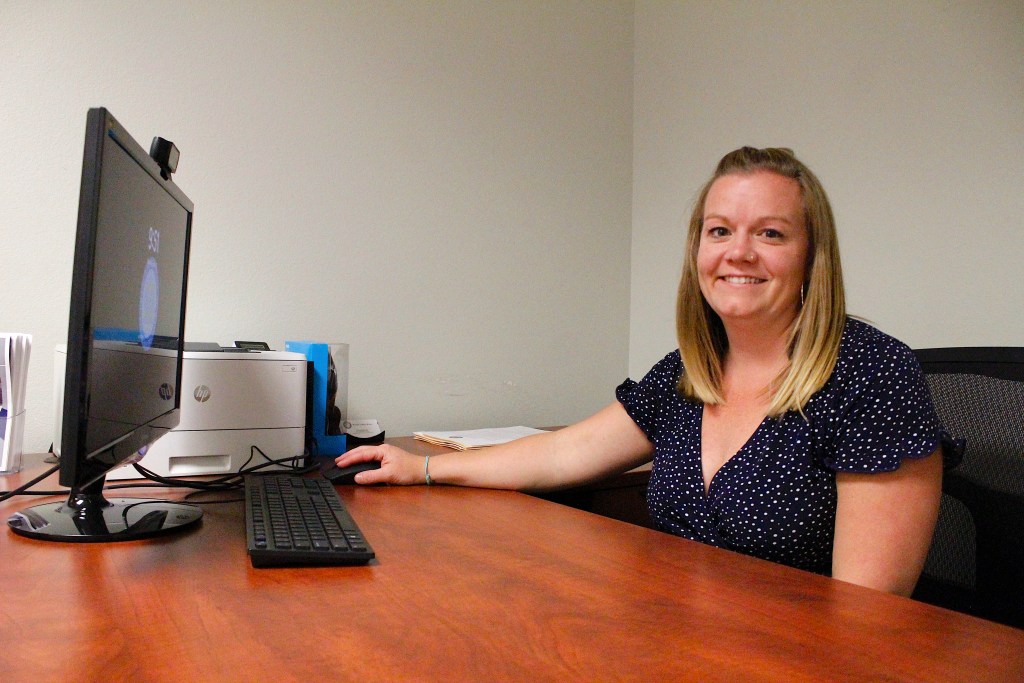
“I worked in these areas of law before teaching for 14,15 years, and so it’s a stressful process for any litigant, even with an attorney,” Nelson said.
For Nelson, volunteering with the program is rewarding, even as she directs the paralegal program at Casper College. She wanted her students to get involved, too, she said, and “I never asked them to do things that I’m not willing to do myself.”
Casper College’s buy-in was part of why Natrona County was chosen for the pilot project, Payne said. There was also strong backing from local Republican politicians Sen. Bill Landen and Rep. Art Washut, he added. The two chair the Wyoming Legislature’s Joint Judiciary Committee.
The program rollout was also supported with advice and a grant via the National Center for State Courts, Payne said.
The navigators — including Nelson, students, a paralegal and an AARP employee — can meet with people in this little Casper office or virtually. Right now they’re mainly servicing Natrona County, with the intent to expand the virtual option to other counties soon, Payne said. If the pilot is deemed successful, he added, the plan is to take it statewide.
The pilot only launched in May, but Payne said there are some efforts underway to capture more data about how well it’s working, like putting a checkbox on legal forms that indicates whether an individual worked with a navigator.
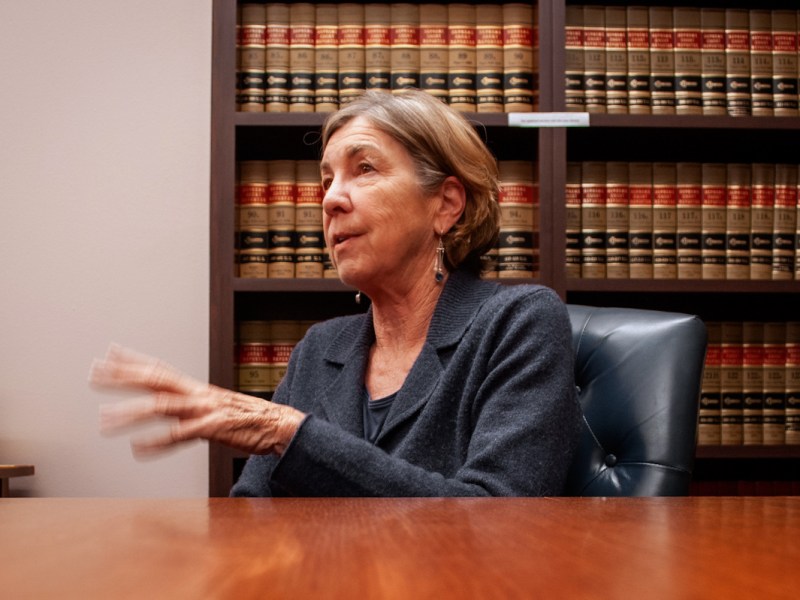
For now, it’s hard to say how well it’s going because of the sheer volume of filings in that courthouse, 7th District Court Judge Kerri M. Johnson told WyoFile. However, she said, she’s seen firsthand how proceedings can drag out when individuals go without help.
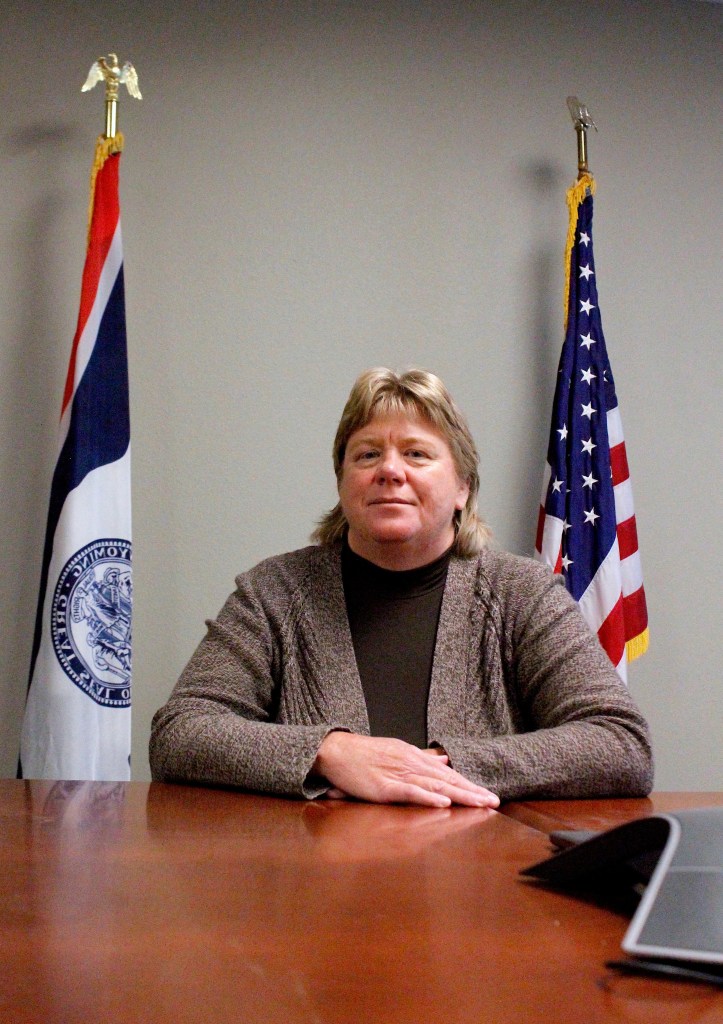
For example, Johnson said, she sees many pleadings where the court can’t grant “relief” or a legal remedy to someone “because they haven’t done the necessary steps [and] aren’t giving the court what the court needs.” That can mean she has to send letters back and forth to litigants, informing them there’s something missing, and even delay or vacate hearings.
“There’s just a lot of time and energy, trying to get people the relief that they want, and making sure that it’s done correctly,” she said.
Her courtroom isn’t connected to the pilot project, Johnson said, but she supports it and hopes it helps the community.
So far, relatively few people have used the navigators. Some days three people work with navigators, and other days it’s none, Payne said.
The ins and outs
The court navigator project may be the first project of its kind in the state, but it’s not the only judiciary-backed pilot project happening in Wyoming.
In Campbell County, the judiciary is testing out a mental health diversion pilot project that would, in theory, redirect people whose arrest was tied to certain mental illnesses away from jail and towards treatment.
“The purpose behind this diversion program really is to provide services to folks with serious mental illness to prevent them from cycling through the criminal justice system where they don’t receive these services,” Elisa Butler, the state judicial branch court administrator, said at a Mental Health and Vulnerable Adults Task Force meeting in May.
The judiciary is also taking over treatment courts in the state, making changes there, too.
All of this has entailed a lot of effort from a range of judiciary employees across the state. For Judge Johnson, she said all the committees, subcommittees, meetings and discussions are worth it if it eases frustration and improves the process for everyone.
“What I’m really trying to do is make their life easier, make our life easier in terms of access, and so that’s what keeps me going,” she said.
There are other resources to help with civil cases, including Legal Aid of Wyoming and Equal Justice Wyoming’s legal aid clinics, though the latter tend to meet less regularly than volunteer navigators in the pilot program.
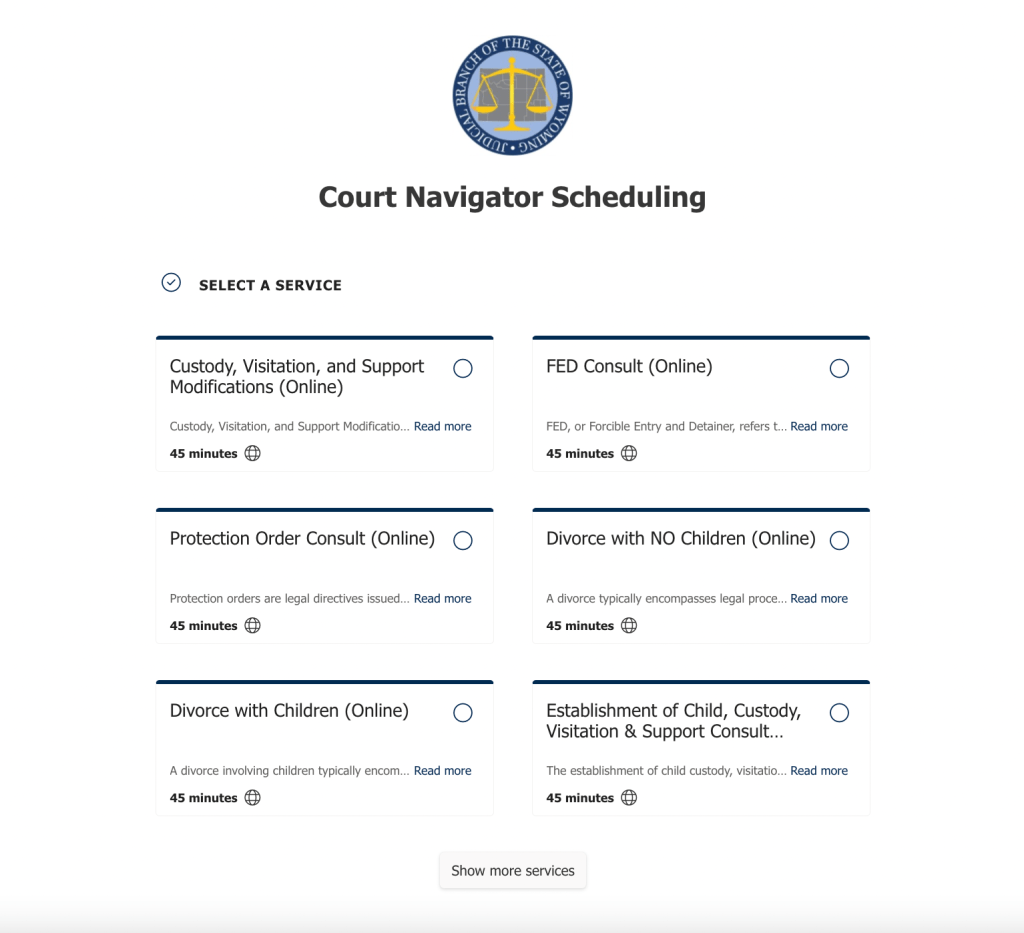
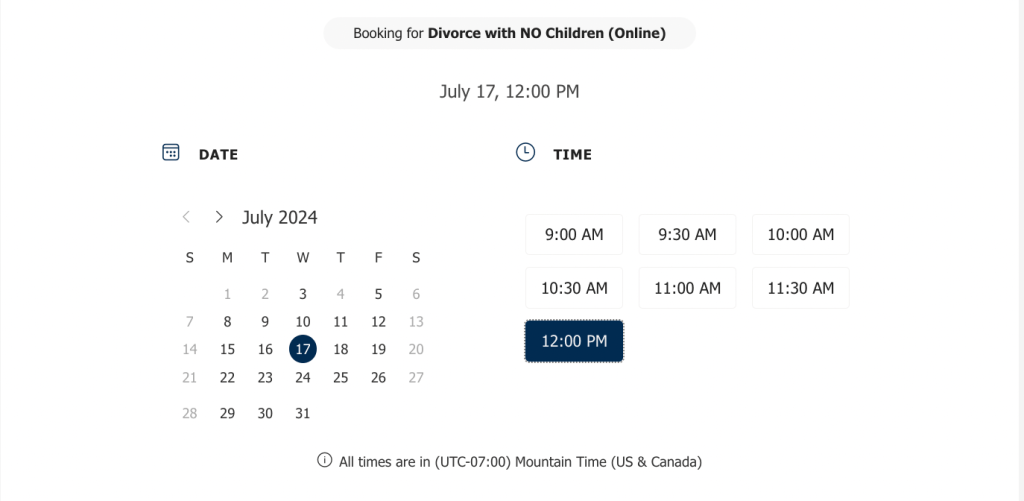
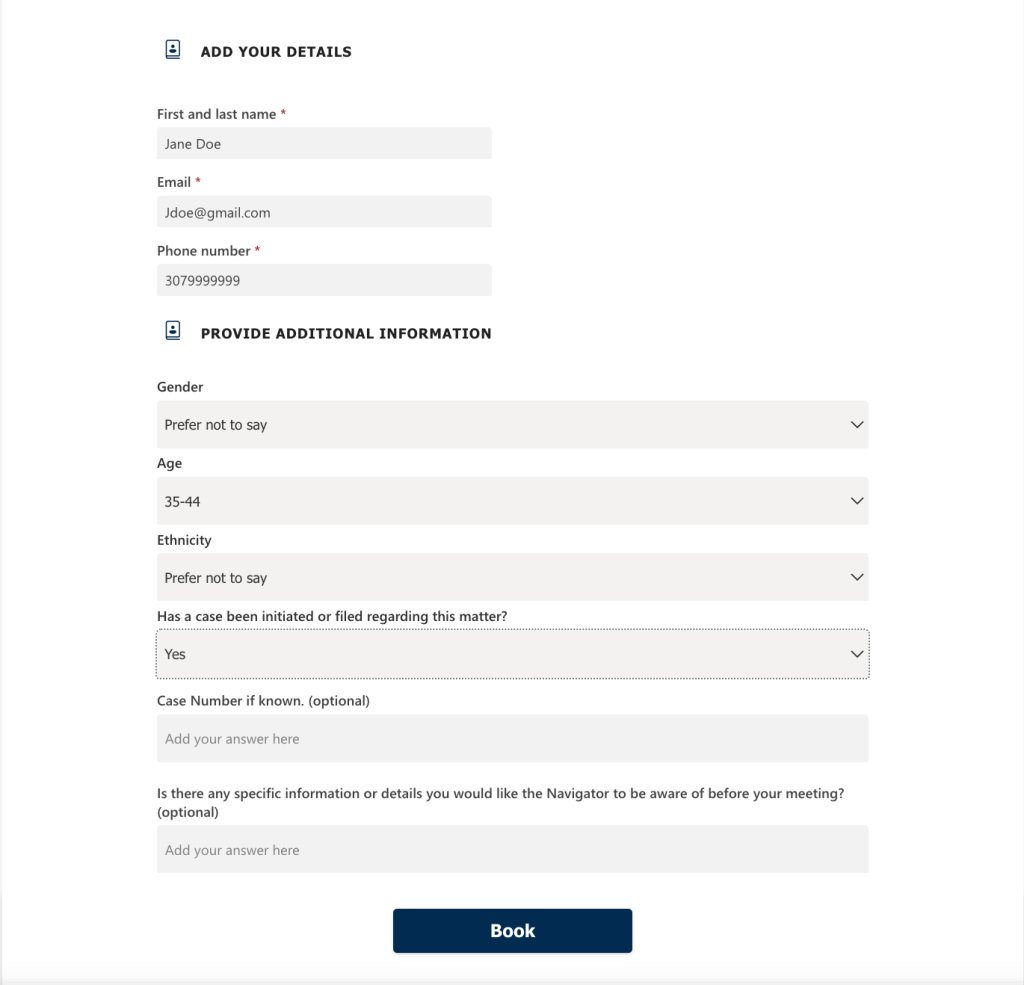
Natrona County residents can sign up for a virtual meeting with a navigator in Casper here. Walk-ins are welcome at the office during the hours listed on that same webpage.