


A federal judge is expected to decide imminently whether to prohibit roughly 500 cow-calf pairs from grazing four Gros Ventre Range allotments full of grizzly bears that livestock industry watchdogs say haven’t been properly permitted.
A restraining order, requested by an attorney representing Western Watersheds Project, asks a federal court to preserve the status quo in the 30,500-acre Elk Ridge complex until a judge decides the case.
Maintaining the status quo would keep cattle out of the area. There’s been no livestock grazing permitted there since a 2016 domestic sheep allotment buyout. Ranchers want to graze cattle, instead of sheep, on the vacant allotments, but the last completed analysis on the likely impacts of cattle grazing there dates back to 1978.
U.S. District Court Judge Kelly Rankin held a Wednesday morning hearing in Cheyenne concerning the request. Dagny Signorelli, Wyoming state director for Western Watersheds Project, attended the hearing and got the sense that Rankin’s order is coming any day.
“It seemed like the judge was going to make a decision very quickly,” Signorelli said Wednesday. “The Forest Service pressured him to rule today and said that the cows could be on the complex by [Thursday].”
It’s an urgent situation because the Bridger-Teton National Forest, in its annual operating instructions, OK’d letting cattle graze the area from Aug. 15 to Oct. 15 — in other words, starting last week.
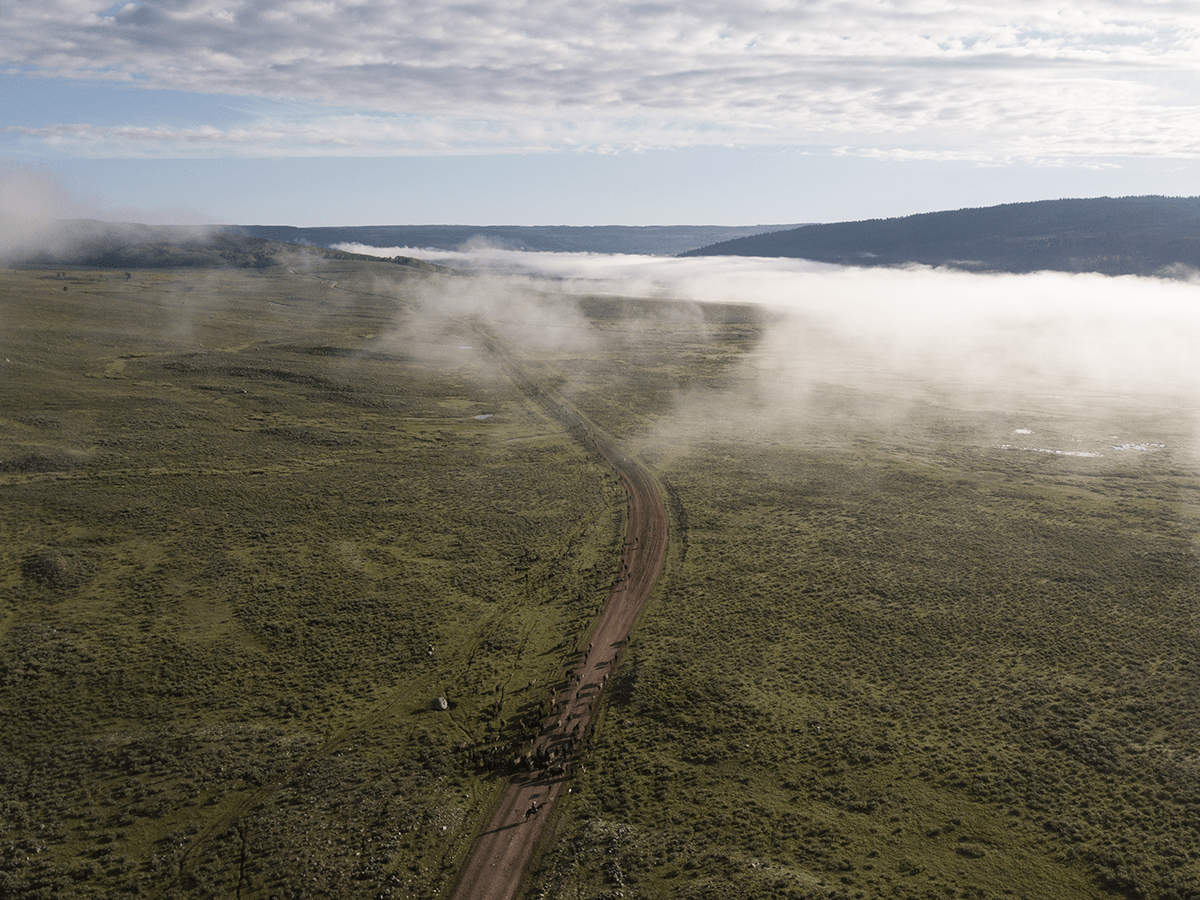
In the meantime, “between 500 and 550” cow-calf pairs are staged nearby ready to be herded into the disputed allotments, Upper Green River Cattleman’s Association President Coke Landers told WyoFile.
“Right now, we’re just kind of in limbo, waiting for this ruling,” Landers said Thursday. “I’m not aware of the ruling yet. I’m hoping I will know sooner rather than later.”
“Right now, we’re just kind of in limbo, waiting for this ruling.”
Coke landers
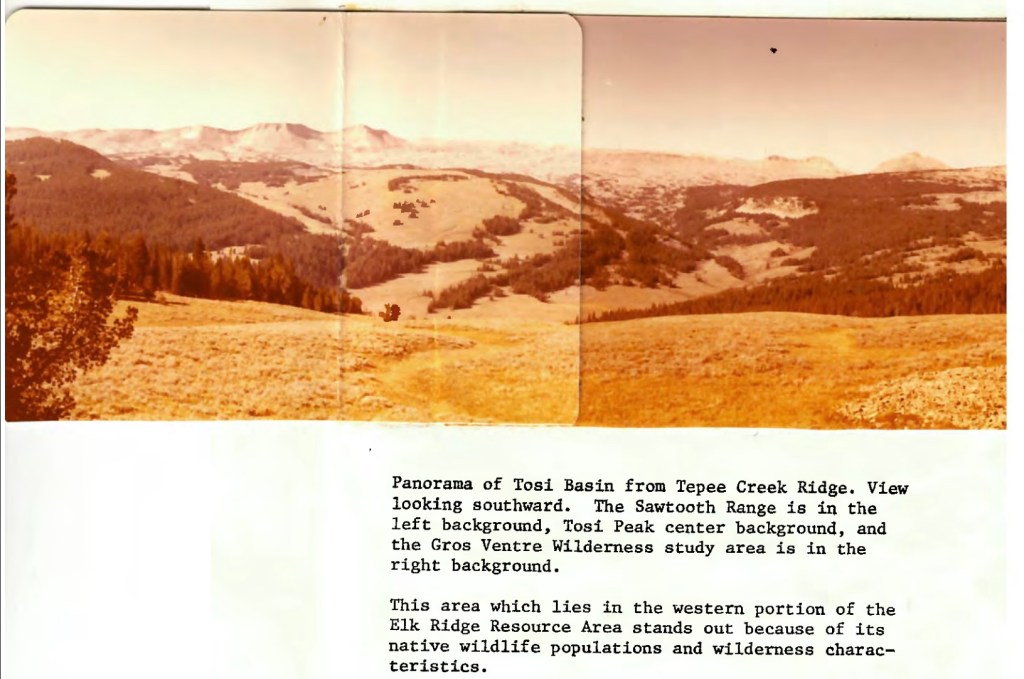
The four grazing areas that together make up the Elk Ridge complex are the Tosi Creek, Elk Ridge, Lime Creek and Rock Creek allotments. They’re located about 30 miles southeast of Jackson.
During the hearing, Assistant U.S. Attorney C. Levi Martin argued that the Bridger-Teton’s decision to authorize cattle on the Elk Ridge complex was not a major federal action, according to Signorelli’s retelling.
WyoFile was unable to immediately reach Martin for comment.
Western Watersheds Project attorneys are alleging violations of the National Environmental Policy Act — a bedrock environmental law that requires land managers to study the impacts of activities on federal land.
In a legal filing responding to the lawsuit, Martin argues that the Forest Service’s 48-year-old environmental assessment of cattle grazing in the Elk Ridge allotments fulfills the federal law’s requirements
“The limited duration, timing, and cattle numbers are well within the sideboards of the 1978 Environmental Assessment (EA)—an assessment which carefully analyzed, and subsequently approved, cattle grazing within the Elk Ridge Complex,” the federal attorney wrote.
Greenfire Law environmental attorney Jessica Blome, who’s representing Western Watersheds Project, told WyoFile that’s a distortion of the document.
“I was pretty surprised at how much the government misrepresented the 1978 environmental assessment,” Blome said.
The 1978 analysis completely closed off the Tosi Creek allotment from cattle grazing because of its wilderness characteristics, Blome said. (In 1984, portions of it would become the Gros Ventre Wilderness.) The decades-old analysis also called for grazing on a “quadrennial rotational basis,” she said, which would only allow cattle on one allotment per year — and then in the fourth year the entire complex would be rested.
The Bridger-Teton’s annual operating instructions call for allowing 660 cow-calf pairs in all four allotments for two months each in 2026 and 2027.
“That’s significantly different,” Blome said.
Bridger-Teton National Forest Supervisor Chad Hudson told WyoFile in July that the 2025 Dollar Lake Fire’s impact on adjacent Upper Green cattle allotments was the reason his staff OK’d grazing cattle on the disputed allotments.
Livestock industry watchdogs are criticizing that rationale, in part because the Forest Service is still authorizing cattle grazing in the most fire-damaged allotment, the Gypsum allotment rotation.
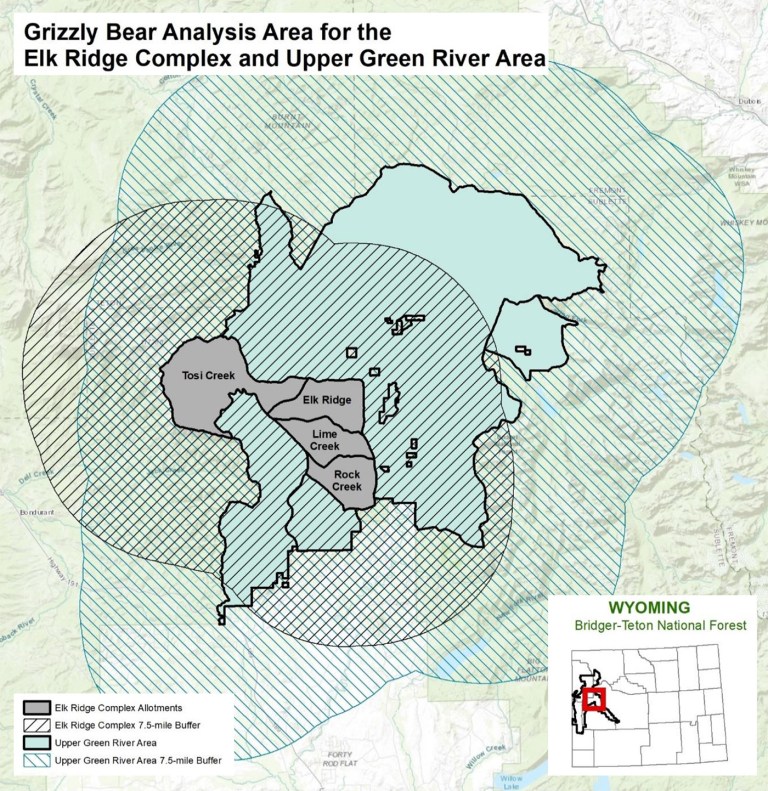
The week before the Western Watersheds Project’s lawsuit was filed, a coalition of four different environmental groups led by Bondurant-based Yellowstone to Uintas Connection sent Forest Service officials a notice that they were being sued for alleged Endangered Species Act violations. Those plaintiffs argue the federal government violated the law by failing to demonstrate proper consultation with the U.S. Fish and Wildlife Service on how the federal action would impact grizzly bears, which for now remain classified as “threatened.”
The adjoining Upper Green allotments have been the most conflict-ridden portion of the Greater Yellowstone Ecosystem for grizzly bears for more than a decade. The Fish and Wildlife Service did sign off on an Endangered Species Act compliance document that concluded stocking cattle in the complex would “not be expected to have any additional impacts to grizzly bears.”
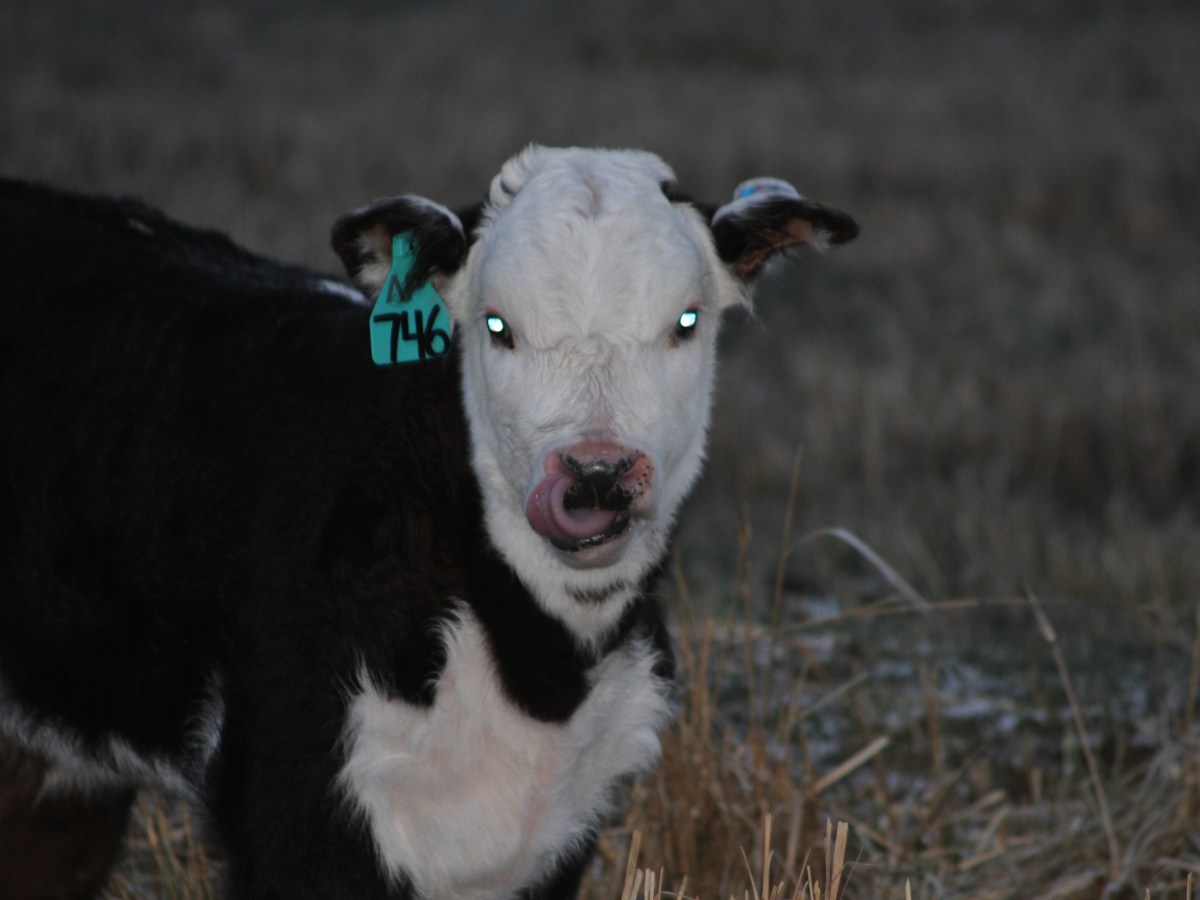
So far, this year has been about average for the number of cattle killed by grizzly bears in the Upper Green rangeland complex, Landers said.
“The last update I got was 10 or 12 days ago, and I think we were up to 35 confirmed [grizzly] kills — but I think three of those were wolves,” he said.

Technology to the rescue. How about outfitting all of the cows with automatic self-operating bear sprayers?