


Nursing home residents on Wyoming Medicaid have to limit finances in two key areas to retain coverage. They can’t retain or spend more than $50 monthly on personal needs like eyeglasses or clothes, and their assets cannot exceed $2,000.
Those limits are too low, critics say, creating unnecessary burdens on many families.
“This continues to be a big issue for our nursing homes and for the residents that we care for,” Wyoming Hospital Association President Eric Boley told the Legislature’s Joint Labor, Health and Social Services Committee on Friday.
Committee members moved to draft legislation that would change that by bumping the limits to $100 and $5,000, respectively.
Along with accounting for inflation in the decades since the limits were set, Boley said, the changes would ease administrative burdens of care facilities. “Making this change to keep [patients] from getting kicked off so easily makes great sense to us,” he said.
The increases, which would cost Wyoming an estimated $1.3 million per year, come amid struggles in access and affordability in elder care across the state. Some 70% of the state’s nursing home residents are Medicaid recipients, Boley said.
Eligibility for care
Medicaid covers nursing home services for people with very low income and assets. Nursing home residents must limit their assets to $2,000 in Wyoming, not including assets like a primary residence or a vehicle. It is common for elderly people to spend down retirement savings on healthcare before they qualify for the assistance.
The state calculates the limit while screening applicants. It’s not as simple as checking a bank balance, said Medicaid Division Administrator Jesse Springer.
“There’s a whole number of things that add up to this $2,000, and it’s actually quite complicated,” Springer said. “So when we talk about resources, it’s not always that each of these individuals has $2,000 cash sitting in a bank account ready to go.”
The current limit was set in 1989.
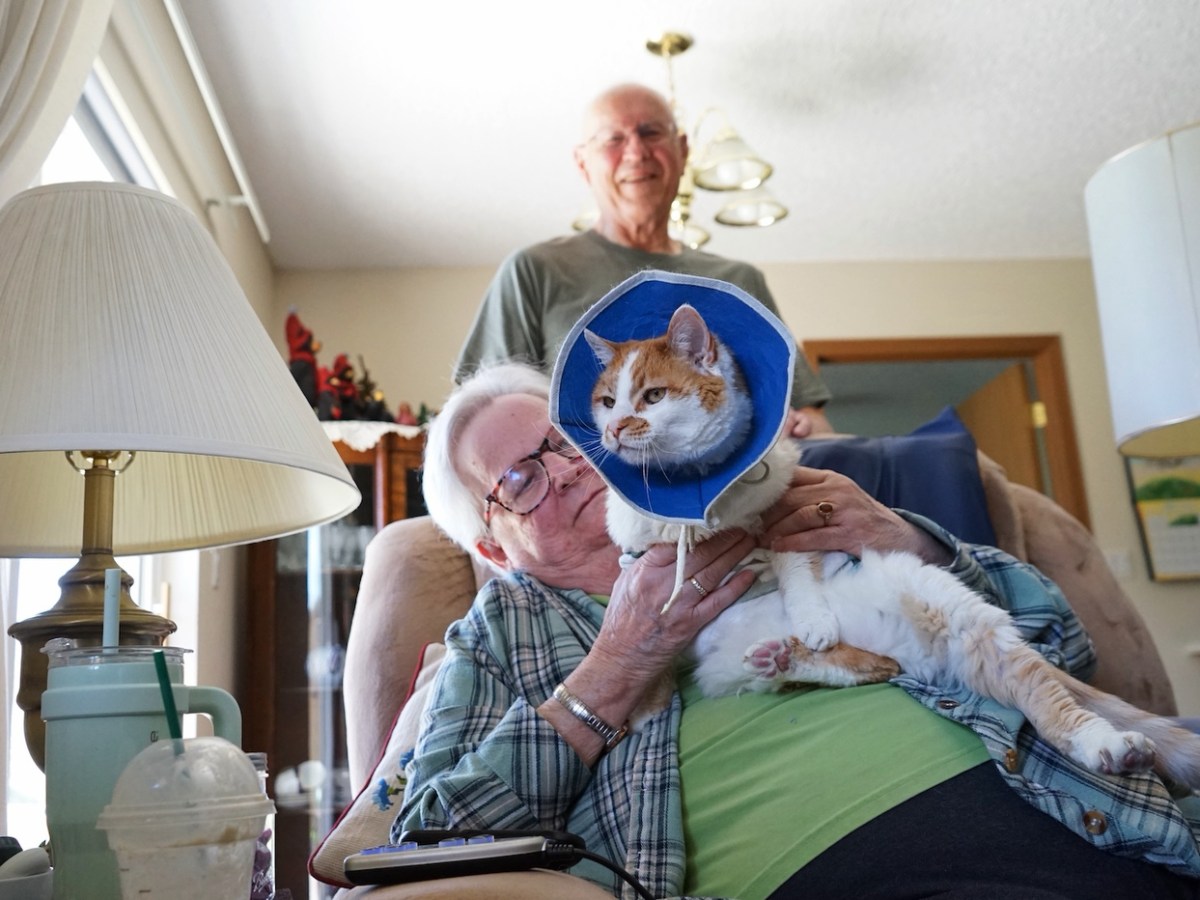
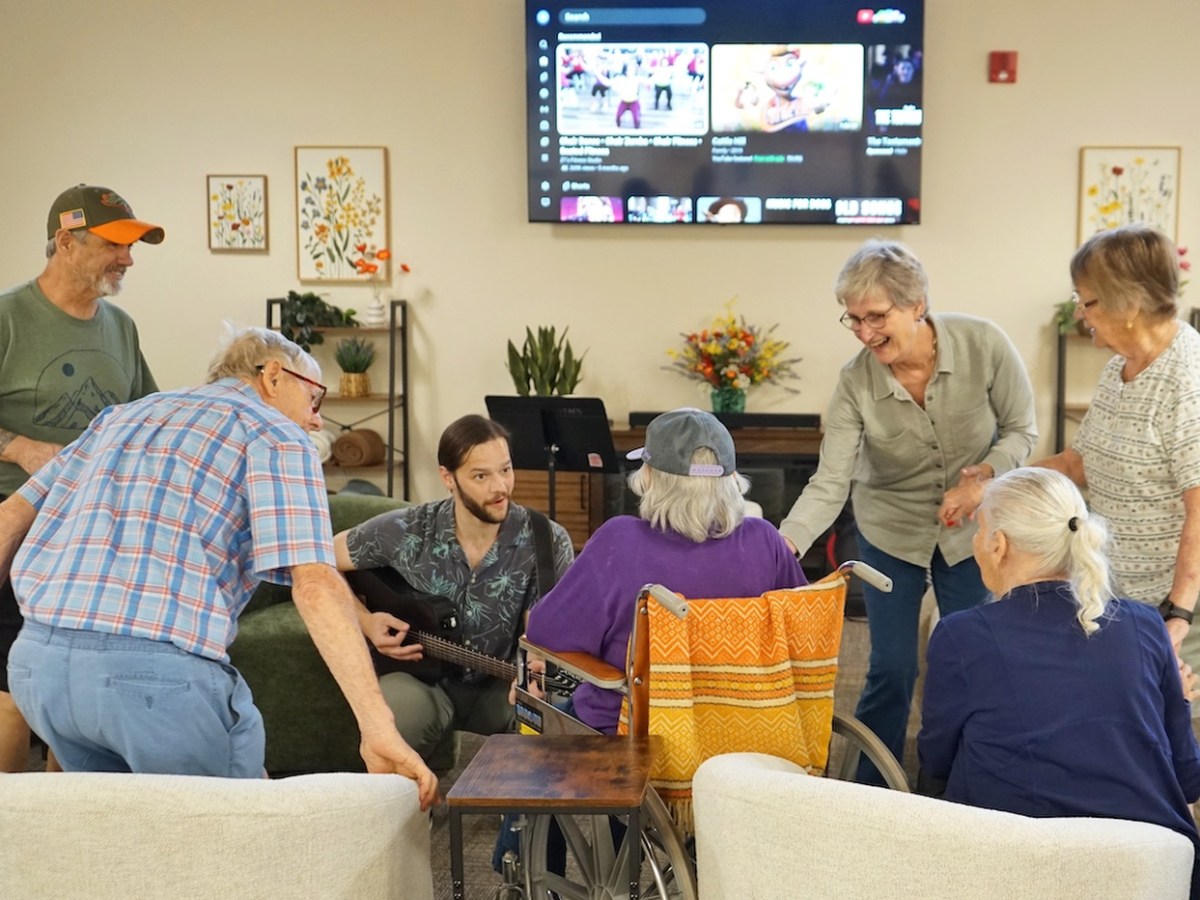
Once patients qualify, many struggle to keep the total assets under the threshold while juggling incoming streams from pensions or Social Security, Springer said. If they don’t have it within the limit when a new month begins, he said, they are kicked off.
That creates disruptions including administrative headaches and uncompensated care for facilities, Boley said.
Raising the limit to $5,000 would ease initial eligibility determinations and help patients avoid exceeding their thresholds when they try to save for costs including funeral expenses, according to the Wyoming Department of Health. It could also help patients return to the community after short-term nursing home stays.
The personal needs allowance, meanwhile, allows patients to retain $50 a month for personal use outside of covered services. Patients use this money for everything from monthly hair appointments to hypoallergenic skincare products, nursing home administrators said. The limit has been in place since 2001.
The purchasing power of $50 has greatly eroded, advocates of the increase said.
“Over the last five years, and increasing over the last two years, our office has heard troubling stories from residents struggling to afford basic necessities on their current allowance,” said Wyoming Long-Term Care Ombudsman Patricia Hall. That includes essential items like socks, vitamins, prescription glasses and cellphone plans, she said.
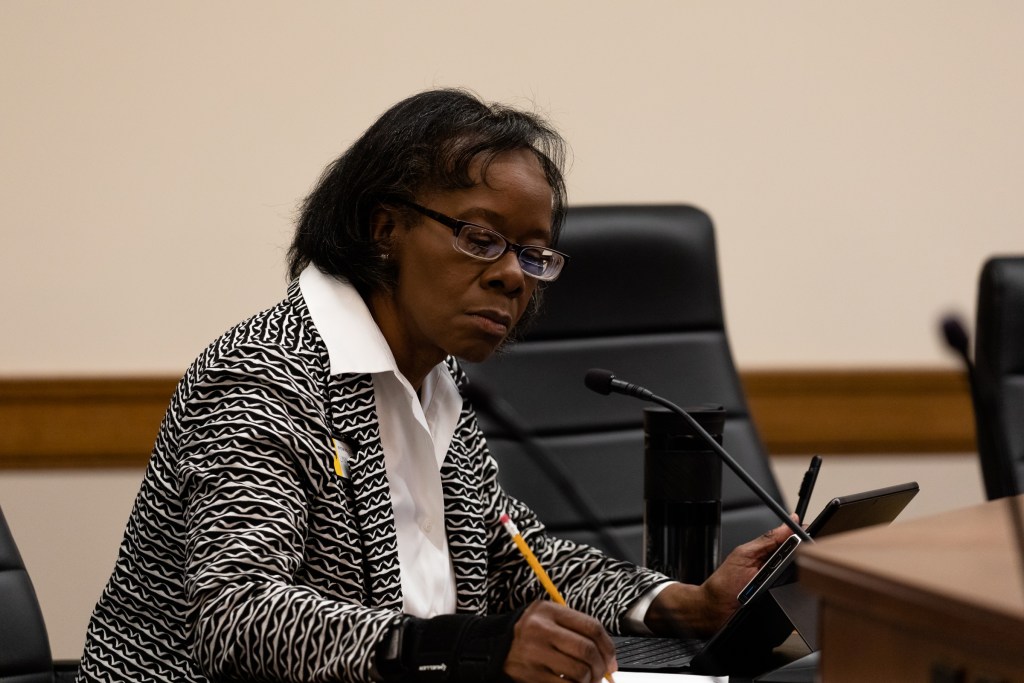
Sen. Lynne Hutchings, R-Cheyenne, told the committee that she had to relocate to Denver temporarily in August after her brother was diagnosed with cancer. Having recently faced decisions involving assisted living costs, she said, “I can understand the level of apprehension, the sadness of losing assets … So increasing these limits, I see as something very, very, very, very important.”
The panel will consider the draft when it meets again in November.


It was long overdue, we must help our fellow Americans when they need us the most during the sickness. Passing this bill will definitely help ease the life of our nursing home patients and better care could be provided.