

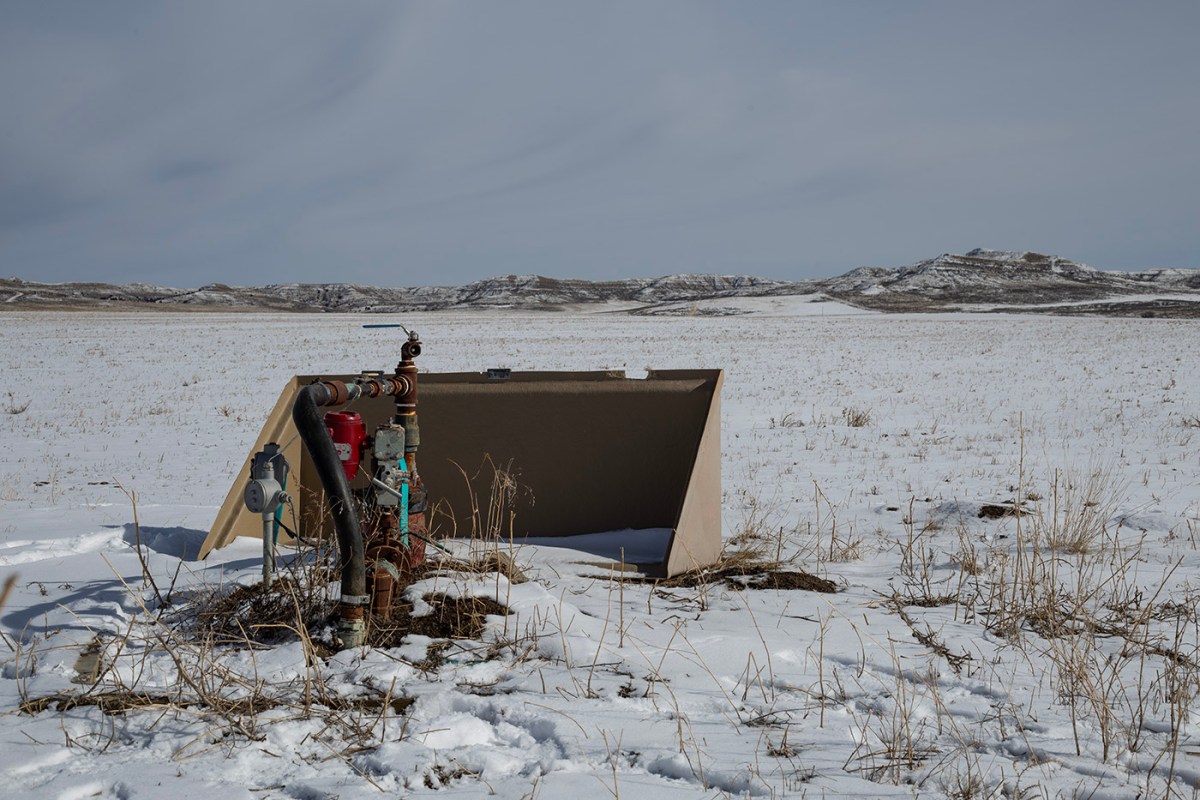
The Bureau of Land Management is proposing a revision to the 2024 Onshore Oil and Gas Leasing Rule that would remove the current requirement that drillers post bonds large enough to cover the cost of plugging non-producing wells and restoring drilling sites. Congratulations, taxpayers — you’ll be responsible for cleaning up leaking wells left behind by oil and gas companies that have walked off with their profits from your public resources.
Opinion
Industry is technically responsible for plugging abandoned wells and restoring sites, and must post bonds even under the proposed rule revision. But those revised bond amounts are laughably small, and they provide a huge incentive for drillers to forfeit their bonds rather than spend more to actually clean up their well sites. Wells are left abandoned, contaminating groundwater, leaking methane, polluting the air, spreading noxious weeds, lowering property values and interfering with other uses of the land. Too often, companies sell off poorly performing leases to undercapitalized buyers, whose business practices are to declare bankruptcy, or sell off to an entity even less capable of cleaning up.
Under the proposed rule revision, companies would only have to pay a $25,000 bond for all of their leases in one state, whereas now they pay $500,000. For drilling on one lease, companies would pay a mere $10,000 for a bond, whereas they now pay $150,000. These numbers are a joke compared to the actual costs of plugging and reclaiming a single well. In 2022, the federal Government Accountability Office calculated the typical reclamation cost of a single low-cost well was $20,000, and $145,000 to reclaim a high-cost well.
Coal companies are required to post billions of dollars in reclamation bonds, calculated to fully cover the costs of mine restoration. Building contractors must be fully bonded. And we are all required to carry meaningful insurance just to drive our cars. What makes the oil and gas industry so special? By rolling back bonding requirements to drill public resources, the government puts taxpayers on the hook for cleaning up and capping abandoned wells when drillers leave town. The drillers take their profits, forfeit their tiny bonds and leave taxpayers with the mess to clean up, straining budgets and endangering public health and safety.
Much of Wyoming’s federal oil and gas resources lie under private surface land. So this reversion to incentivized abandonment of cleanup obligations affects not only public lands but also private landowners. Wyoming has more than 4,000 idled wells — 1,900 of which are under private surface lands — and Wyoming landowners have experienced firsthand the damages caused by many of these wells.
Many state oil and gas regulators require companies to post bonds high enough for private or state minerals to ensure plugging and cleanup. It is only right and sensible to put the responsibility where it belongs. Turning back this bonding requirement for federal minerals hurts ranchers, farmers, hunters, recreationists, wildlife and taxpayers. We all lose.
Wyoming has been lucky enough to fund many public needs like schools and roads with taxes and royalties paid by the oil and gas industry as costs of doing business. But that doesn’t mean industry should be allowed to forfeit a tiny bond and leave our communities with pollution and cleanup costs. Bonding to ensure cleanup is another cost of doing business that industry should bear. Wyomingites want a healthy economy and healthy communities. Forcing taxpayers to clean up after private companies that dodge responsibility and leave a mess is not the Wyoming way.
Join me in telling the BLM to keep the Oil and Gas Rule intact.

Wyoming politicians have a very long history wanting to attract ANY extractive industry in hopes of securing royalties. The “head in the clouds” thinking of decades of Wyoming politicians will be hard to change but it needs to happen! As Bonnie said this should be a topic brought up at every debate, forum and interview of everyone running for office whether local, state or federal. I see it as a litmus test question that could reveal a candidate’s empathy with the citizens who would be left holding the bag!
This topic would be good to get Wyoming political candidates involved with their opinions and directions they would take if elected. Good start would be for the Governors race, followed by congressional candidates
Why does anyone think this is okay? In the OBBB, congress reversed the Biden era provisions that had modestly raised royalty and rental rates. So, we are now back to below market rates that are costing not just the feds, but the State of Wyoming, which receives 50% of these revenues. Where are the leaders who are supposed to stand up for Wyoming?
Isn’t that the Wyoming way?
It’s time to flip our so called leaders. They are not looking out for the publics interest. We the public subsidize these clowns.
Gordon: Yes! Yet another of the countless examples that it’s socialism for the rich and hard-core capitalism for the rest of us.