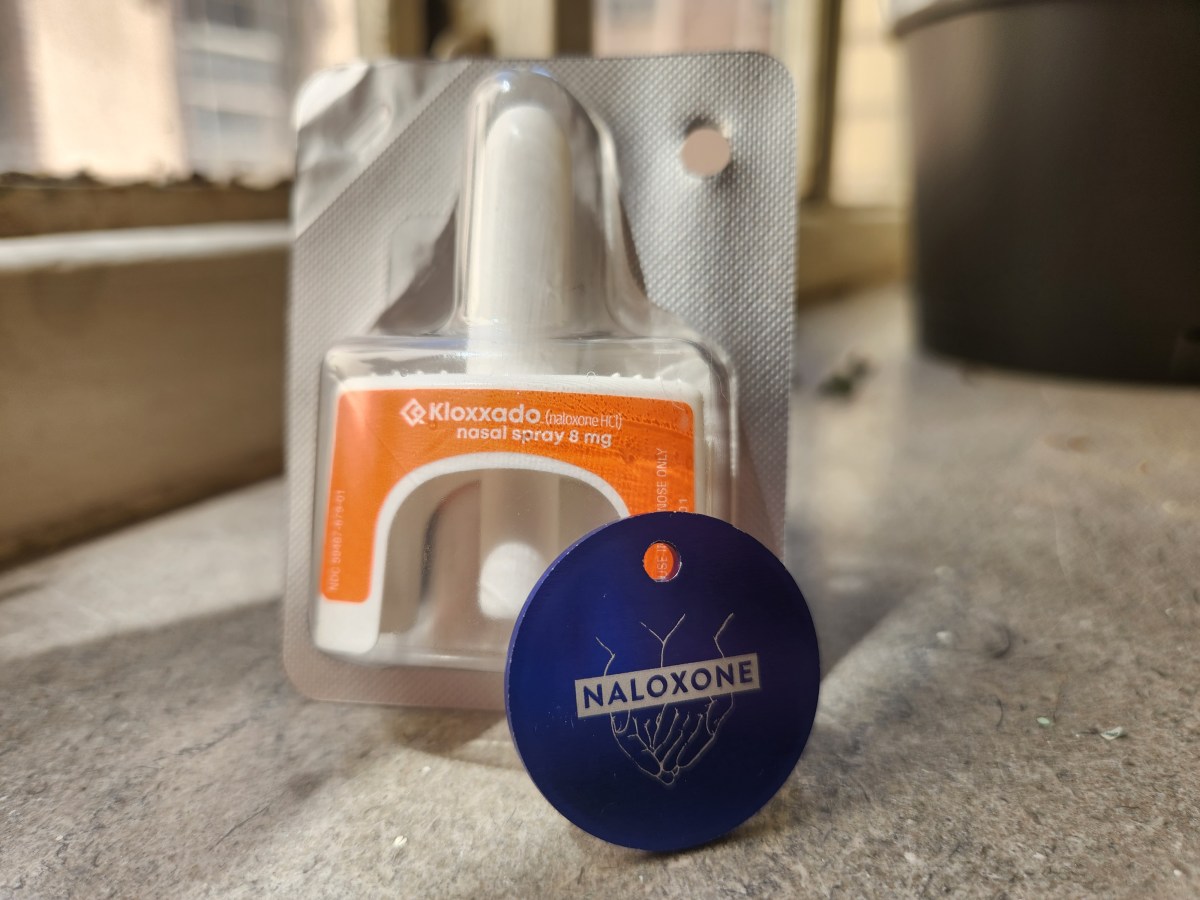
Hoping to reduce drug overdose deaths, Wyoming lawmakers are working on a “good Samaritan” bill that would grant some legal immunity to people who call for medical help in certain situations.
The Joint Labor, Health and Social Services Committee voted Thursday to sponsor the legislation 9-1 with four members excused.
“We know that [fear of legal repercussions] is a barrier for people calling and seeking assistance, and that is frankly the first step to getting people treatment: We need to keep them alive,” Andi Summerville, executive director for the Wyoming Association of Mental Health & Substance Abuse Centers, told committee members.
The bill would provide immunity from misdemeanor possession and use of controlled substance charges for someone if they call for help when they or someone else is overdosing. They would, however, have to follow certain rules: Those include telling first responders where the overdose is happening, staying with the person until help arrives and providing relevant information about the individual or drugs used.
If the bill passes, Wyoming would no longer be the only state without such protections.
Similar legislation died on third reading in a 15-15 Senate vote in 2017, but this time, the bill has backing from more influential groups like the Wyoming Association of Sheriffs and Chiefs of Police.
“We know that it is a barrier for people calling and seeking assistance, and that is frankly the first step to getting people treatment: we need to keep them alive.”
Andi Summerville, Wyoming Association of Mental Health & Substance Abuse Centers
“There’s adequate guardrails in there that I think allow law enforcement to continue their investigation, and yet encourage people to seek medical care in those … times when an overdose appears to be forthcoming,” the group’s executive director Allen Thompson told lawmakers.
The legislation could theoretically reduce overdose deaths by up to 15%, according to Lindsay Simineo with the Wyoming Counseling Association, who cited a 2018 national study.
“And in a time when Wyoming is facing an opioid epidemic — as some have called it — this could be a valuable resource tool to get the treatment to those people who need it and encouraging that working relationship with law enforcement,” she said.
Still, there were concerns voiced by Rep. Jeanette Ward (R-Casper) and Sen. Lynn Hutchings (R-Cheyenne), who were worried that the legal immunity could be abused.
“I think it’s wise to have limitations on a bill like this,” Hutchings said. “The average person who’s on drugs isn’t going to care about the law because they’re doing something unlawful anyway, but by having a limitation, it does provide a little common sense to laws … if you’re going to continue to act this way, you are going to suffer the consequences.”
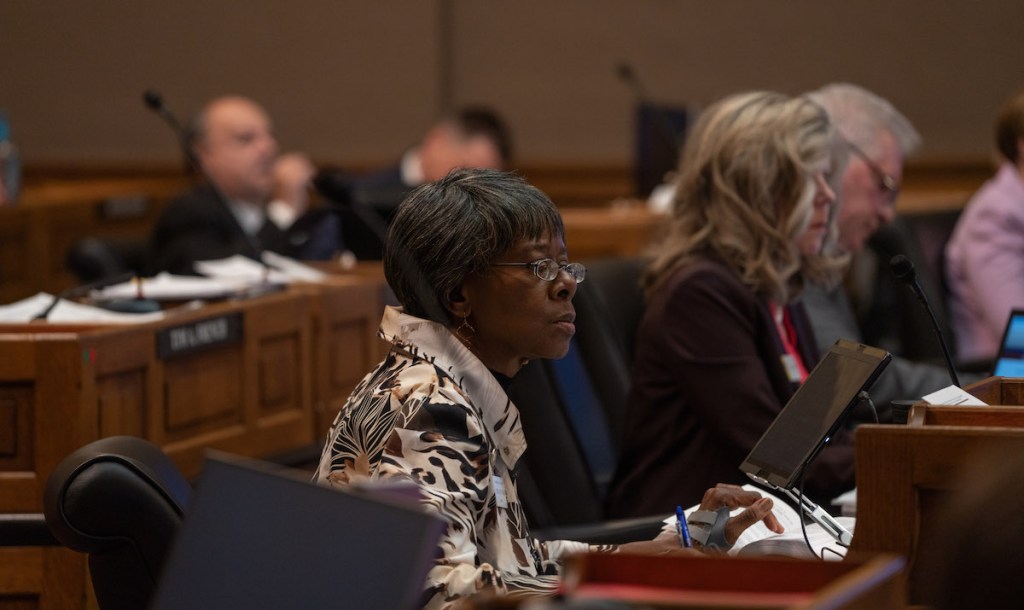
The committee overwhelmingly adopted an amendment sponsored by Ward that would limit immunity for someone seeking help for themselves to two occasions. It wouldn’t limit protections for those seeking help for others.
Rep. Dan Zwonitzer (R-Cheyenne) noted that the bill would only provide immunity from two specific misdemeanor charges — possession and use of a controlled substance — and wouldn’t provide immunity for other charges like distribution, or selling illicit substances to friends.
Immunity also won’t be considered if someone is seeking medical assistance “as a result of using a controlled substance during the course of a law enforcement agency’s execution of a search warrant, arrest warrant or other lawful search or arrest.”
The only vote against the overall legislation was Rep. Ben Hornok (R-Cheyenne).
“There are too many possible scenarios to just simply give blanket immunity to anyone involved at a crime scene,” he told WyoFile in an email. “I would prefer to leave it up to prosecutorial discretion and not take that tool out of the hands of law enforcement.”
The next legislative session is slated to start Jan. 14.