

Wyoming health administrators proposed establishing a state-operated public health insurance plan when they applied for federal Rural Health Transformation Program funds last year. The idea was to protect residents from financial ruin by covering healthcare emergencies like a car accident or a bear attack.
Wyoming lawmakers — many known for their small-government ethos — were skeptical of the so-called BearCare idea, and it was ultimately stripped from the federal application.
But it’s not off the table entirely. The Joint Health Insurance Affordability Task Force revisited the concept last week. After discussing the merits and drawbacks, the task force — which is composed of state lawmakers along with medical and insurance industry representatives — opted to continue considering a draft bill at its next meeting in October.
The idea is that BearCare could offer financial protection for relatively healthy patients as well as mitigate uncompensated care costs that hospitals and providers can end up with. It would be similar to private catastrophic insurance plans, where people pay low premiums for high-deductible coverage that’s useful for major health emergencies, but doesn’t cover typical care.
“It really is bringing insurance back to a kind of traditional major medical product that was offered in the ‘50s that covers those catastrophic expenses,” Wyoming Health Department Deputy Director Franz Fuchs told the panel.
The plan is one option under consideration as the task force seeks to understand and allay the high costs of medical insurance in Wyoming.
During a two-day meeting last week, the task force explored everything from bolstering Wyoming’s medical school partnerships to improving access to primary and preventative care; purchasing medical devices wholesale; and prohibiting noncompete agreements that can limit where medical professionals practice.
It became clear that Wyoming’s rural nature creates a problematic quandary here. Smaller patient volumes inherent to the state’s sparse population lead to workforce recruitment challenges and inhibit hospital competition, among other factors that contribute to higher costs.
“In some ways, we just have a math problem, as you’ve heard about for days now,” Wyoming Medical Society Executive Director Sheila Bush said.
The topic is so unwieldy and thorny that the task force might need another year to work on it, some members noted, especially when it comes to finding lasting solutions.
“We really do have to get a handle on it somehow,” co-chairman Rep. Lloyd Larsen, R-Lander, said.
Costly care
A statewide survey of registered voters earlier this year found that 81% say the cost of healthcare is an extremely or very serious problem. Healthcare costs and access also topped the list when WyoFile asked readers to rank issues that are important to them as part of its election coverage.
A major pain point is recent jumps in health insurance premiums.
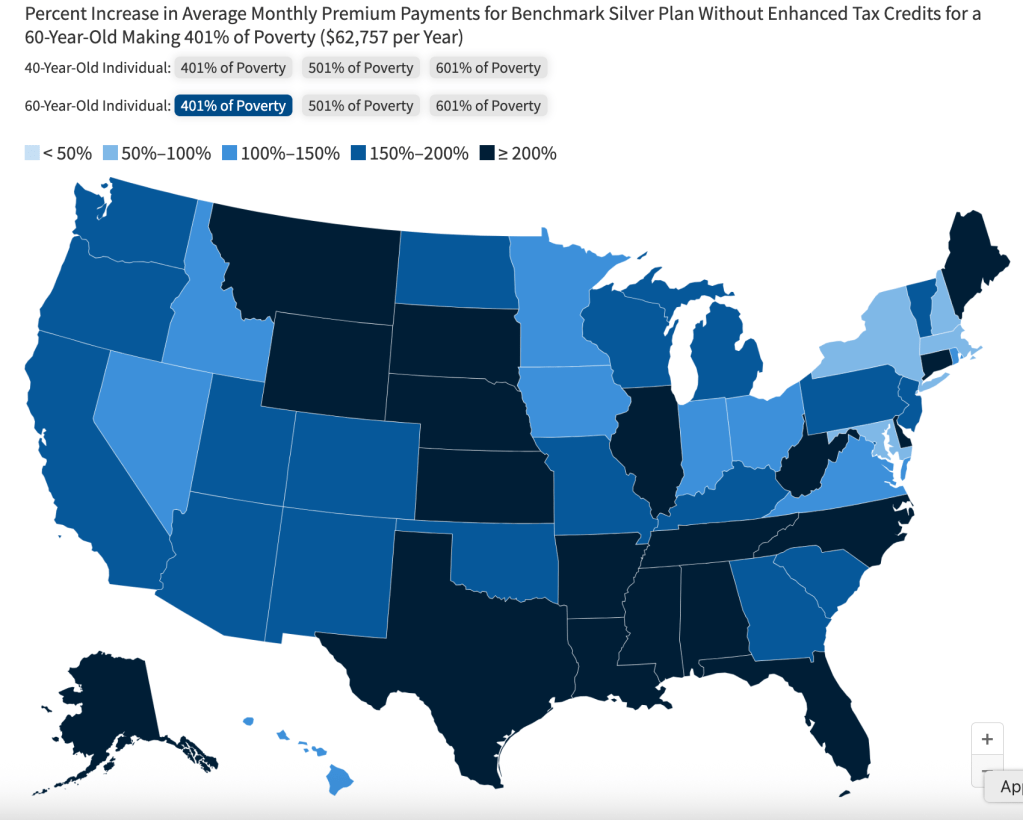
Wyoming residents experienced the highest price jumps in Affordable Care Act premiums in the country after the expiration of Enhanced Premium Tax Credits. The demographic most impacted includes working families that earn more than 400% of the federal poverty level.
“These are professionals, attorneys, healthcare providers, CPAs … your small businessmen, that really are economic drivers in the community,” Larsen said at the panel’s first meeting in June.
According to a Wyoming health department presentation, ACA enrollment in Wyoming fell from 46,643 in 2025 to 37,643 in 2026, a drop of 9,000.
But ACA plans only apply to part of the formula of healthcare costs in Wyoming. During its two meetings this summer, the task force has spent hours diving into factors ranging from how medical devices are priced, how costly hospital billing mistakes can be and the impacts of malpractice insurance.
“When we talk about how premiums are unaffordable, and I will be the first to admit that we have an unaffordable product, we also need to understand what’s driving that,” Senior Counsel at Blue Cross Blue Shield of Wyoming Dirk Dijkstal said.
The discussion often returned to Wyoming’s low patient volume, which complicates nearly every facet of healthcare. As task force members discussed their own experiences with healthcare and insurance, it also became clear that struggles are commonplace.
Wyoming Hospital Association President Eric Boley talked about his family’s long journey to find a diagnosis for his son’s autoimmune condition. That has entailed months of doctors appointments, prior authorization calls and appeals over insurance denials that took months to resolve while alarming bills arrived.
“We’re lucky. We’re insured,” Boley said. “But what I would say is the system is pretty broken, and I feel for the patients, and I feel like we can do better, and that’s what I hope comes out of this.”
The effort to find solutions to draw down costs looked at potential solutions such as healthcare consolidation, strategies to help hospitals avoid billing errors and exploring so-called “reinsurance.”
Not a silver bullet
BearCare also came up as a measure that could stanch some costs.
Health department staff have been thinking about the concept for a couple of years, Fuchs said. When holding rural health listening sessions last year, insurance affordability emerged as a top public concern. That spurred the draft BearCare plan included in the state’s original Rural Health Transformation Fund application. Even when the state removed it from that application, lawmakers and others expressed interest in continuing to contemplate it.
As proposed, the state-administered insurance plan would cover only emergent costs in order to offer a more affordable alternative to non-subsidized Affordable Care Act plans for otherwise healthy people, he explained.

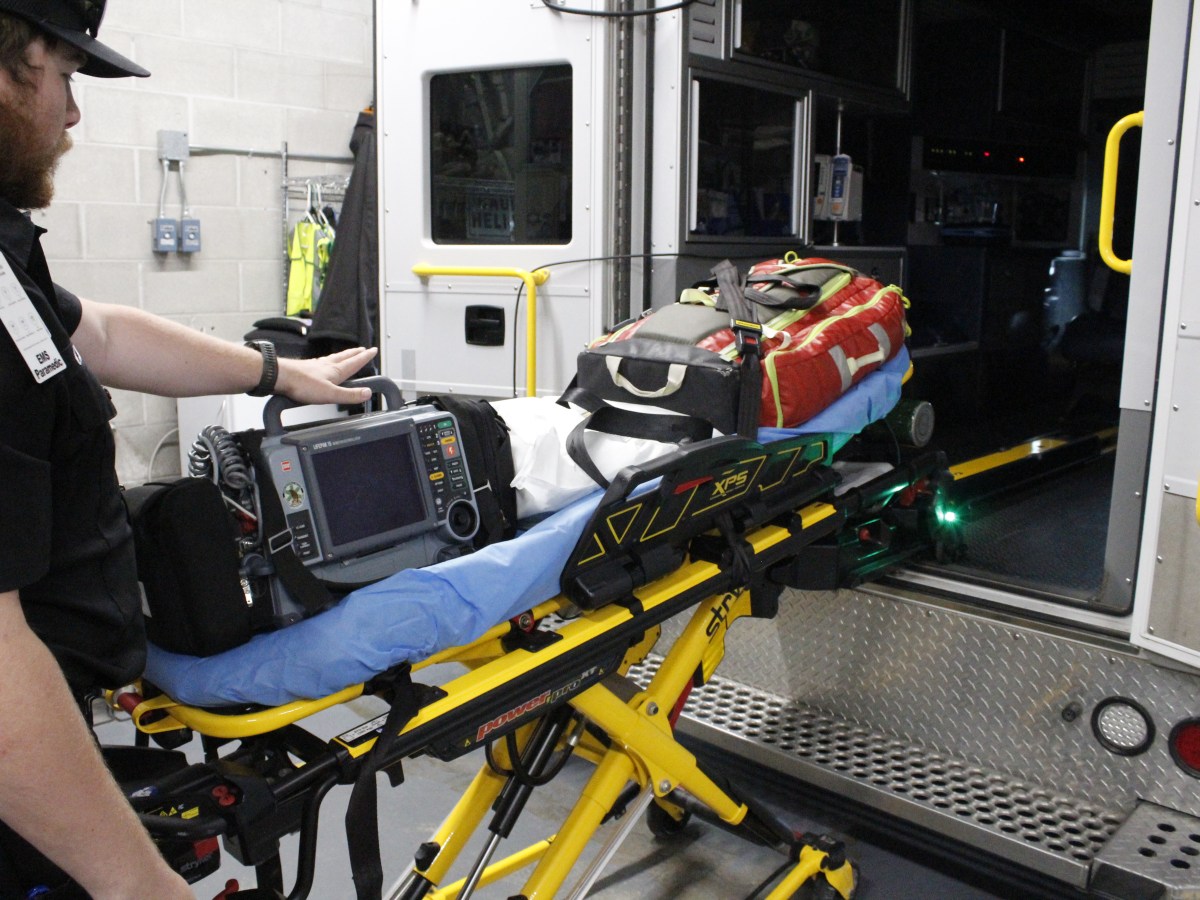
Because Wyoming’s plan would not include the essential benefits that other plans are required to offer, it would be less expensive to administer. The plan would cover services like emergency ambulance transportation and non-elective hospital inpatient care, but not primary care or elective surgeries. Employers could buy in as a group.
Though it could mitigate costs, Fuchs added, “I don’t think it’s a silver bullet by any stretch.”
Questions of whether the plan would be financially feasible, fiscally responsible or even an appropriate task for the state government came up. Task force members went back and forth for some time on the matter, discussing stewardship of taxpayer dollars, constitutional duties, administrative costs and ways to allow private insurance to offer similar plans.
Members will revisit the topic in October.


Before jumping into this it seems prudent to find out if this would cover prexisting conditions like if a person has high blood pressure would a stroke or heart attack be covered.
Not sure you understand what we’re talking about here. This isn’t health insurance. It’s $15,000 deductible catastrophe insurance that covers the worst of the worst- not whatever you want or need. It’s worthless. Completely worthless.