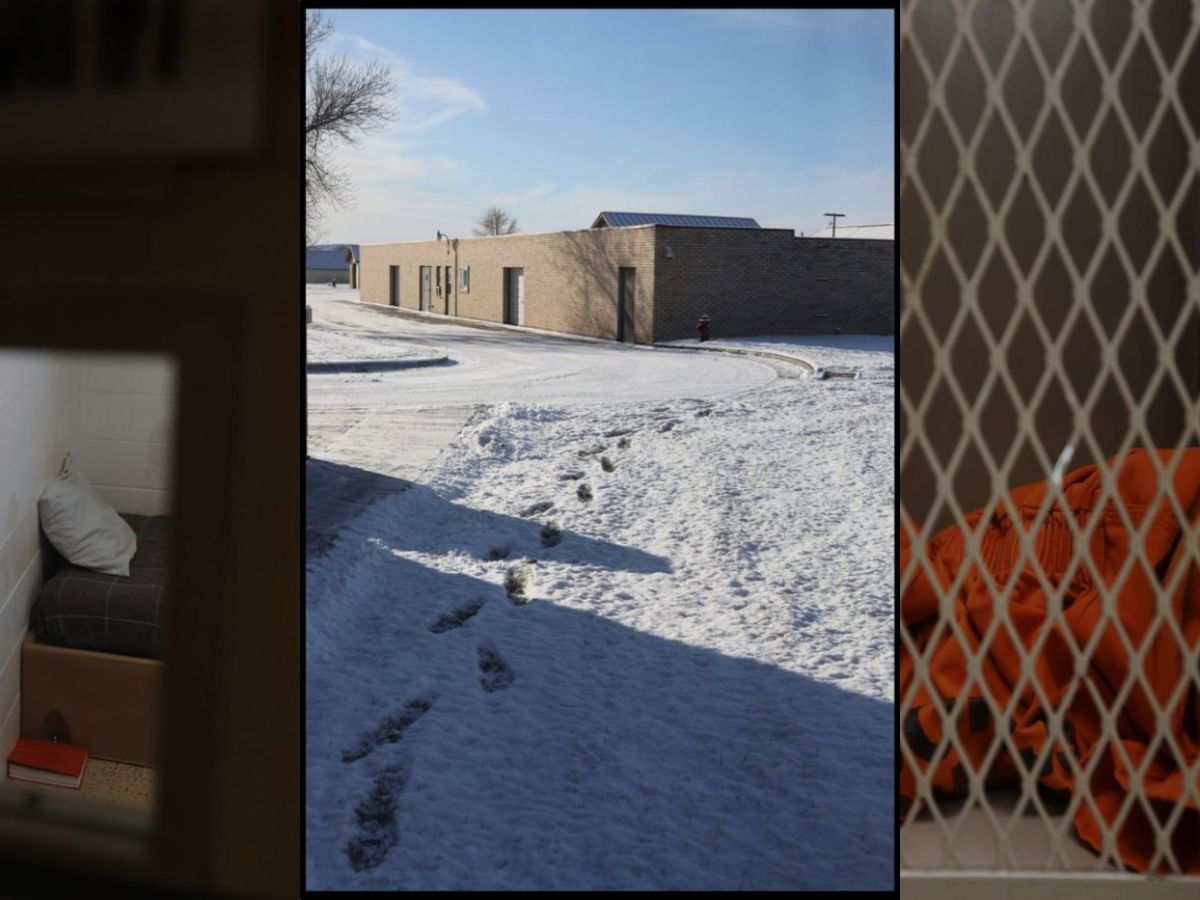
Ahead of a November trial to determine if the Wyoming Boys’ School violated a former resident’s constitutional rights, the facility asked a judge to bar the term “solitary confinement” as a “catch-all term” to describe boys’ extended time alone in a detention room.
The defendants argued that the former resident’s attorneys shouldn’t be allowed to “collapse” different detention statuses into “a single inflammatory label” that “invites the jury to decide the case based on rhetoric rather than evidence.”
U.S. District Court Judge Scott Skavdahl denied the request, but said Wednesday during a pre-trial conference that he will “listen carefully” during the trial to make sure the term isn’t used to “inflame the jury.”
Altogether, at Wednesday’s hearing, Skavdahl considered 21 “motions in limine” — requests from plaintiffs and defendants setting the terms for what is and isn’t allowed at trial.
Per Skavdahl’s order, defendants will also be required to bring physical examples of items related to former resident Blaise Chivers-King’s claims of excessive force and isolation.
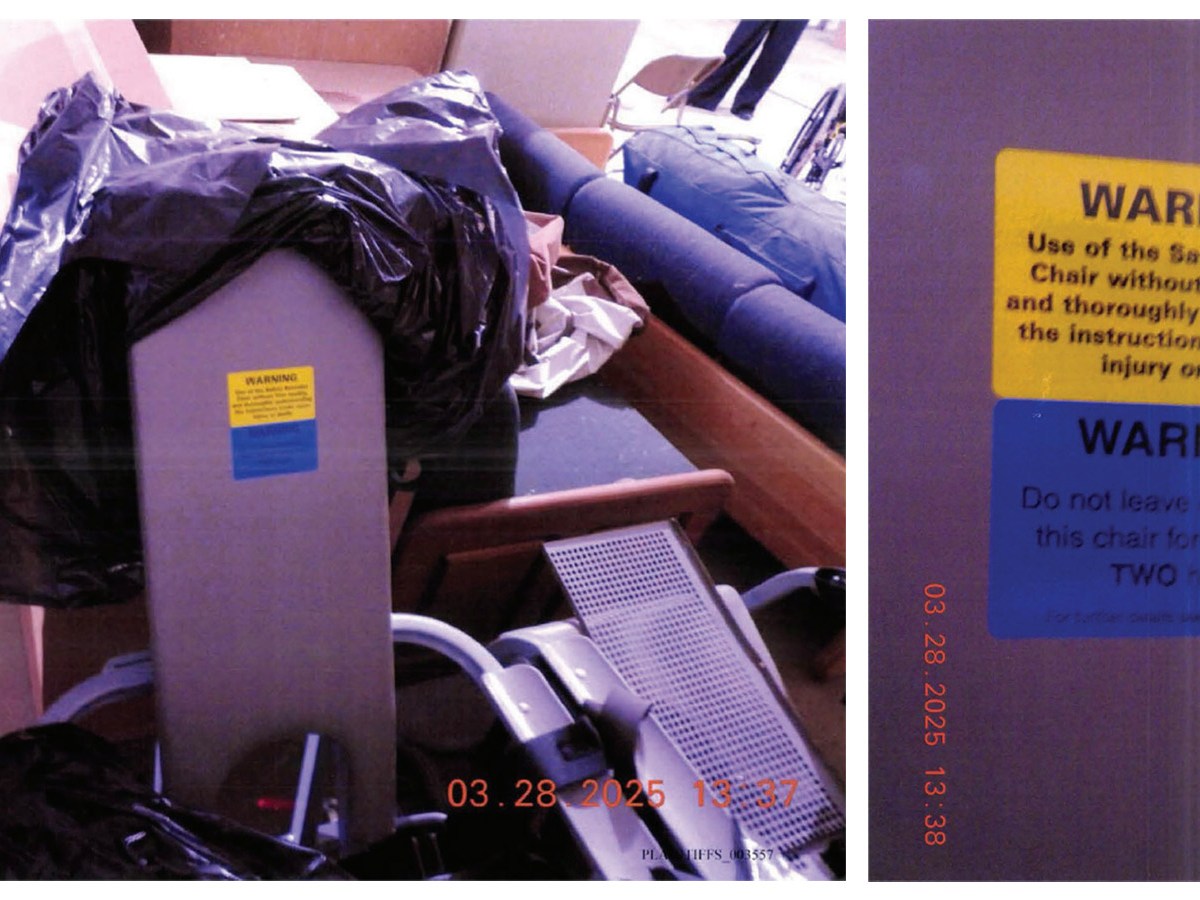
Those items include a “spit mask,” soft and hard mechanical restraints such as handcuffs, leg cuffs, waist chains and riot gear, as well as a mattress and magnets used in the school’s detention rooms. Attorneys for Chivers-King will be allowed to provide these items to the jury if requested.
Skavdahl also denied the defendants’ request to exclude testimony from two former employees who alleged that school leadership told staffers to falsify records, including incident reports.
While the judge recognized potential concerns about “generalized statements” regarding such claims, he said there are “too many unknowns” to outright bar the evidence.
In 2024, six former residents joined a lawsuit alleging abuse at the school, including extended periods of solitary confinement and physical harm. The Worland school, a residential facility overseen by the Wyoming Department of Family Services, detains delinquent boys ages 12 to 21.
The defendants, which include the family services department, the school and school employees, requested separate trials for each plaintiff. The court granted that request.
Before the lawsuit was split into six cases, the defendants asked the court to dismiss the plaintiffs’ claims. In early October, Skavdahl denied the request for Chivers-King’s case, which is scheduled to go to trial first on Nov. 9.
Chivers-King, who served two stints at the Boys’ School between the ages of 15 and 17 for roughly 11 months each, alleged the Wyoming Boys’ School staff violated his 14th Amendment rights by placing him in isolation, using excessive force and infringing on due process. Skavdahl’s October ruling allows some, but not all of his claims to go to trial.