

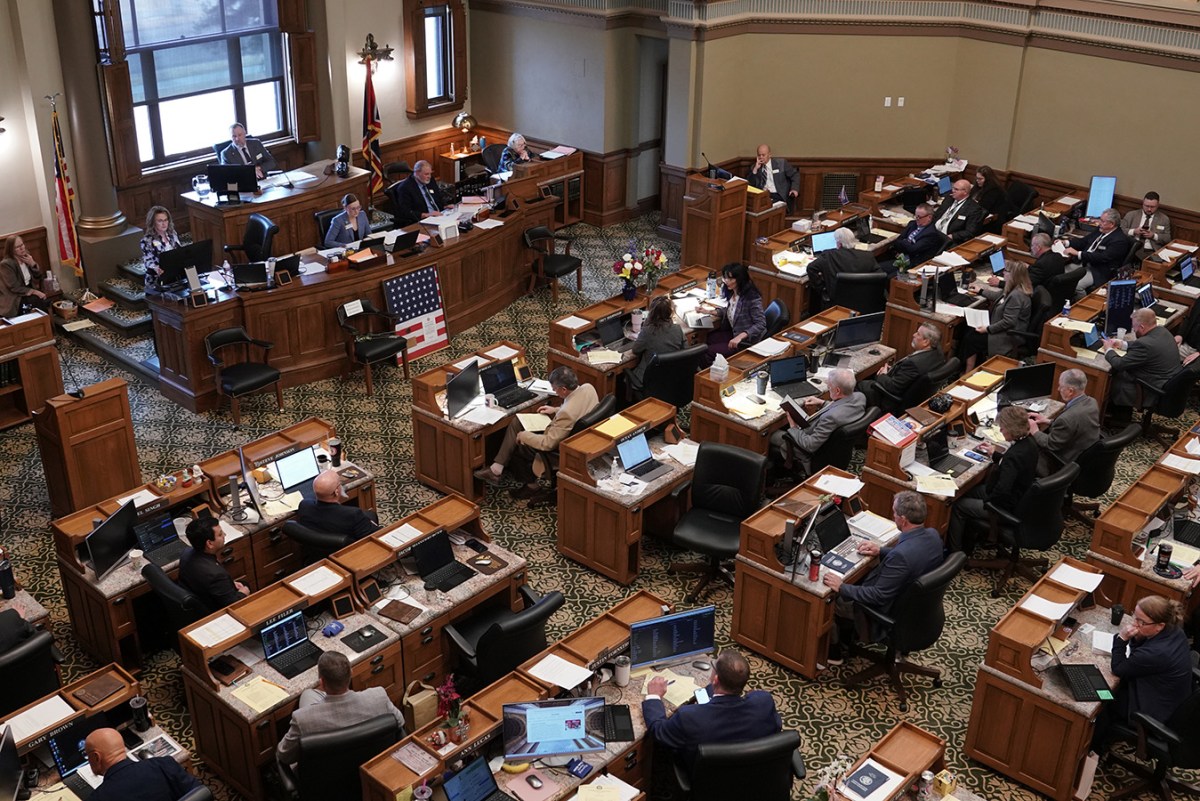
Resurrecting Wyoming’s countywide consensus funding program could help pay for billions of dollars in immediate infrastructure needs, like water and sewer, for towns and counties.
The Wyoming Legislature last appropriated funds for the program in 2014 and appropriations averaged about $35 million per year. They varied widely, though, between $18 million and $191 million per biennium, based at least in part on the condition of the state’s economy, according to Legislative Service Office Budget and Fiscal Administrator Don Richards.
In the Wyoming House of Representatives’ version of the 2026 budget bill, lawmakers reallocated approximately $54.9 million from the Wyoming Business Council’s Business Resilient Community — formerly the Business Ready Community — grant and loan program to the countywide consensus grant program. Ultimately, efforts to revive the grant program didn’t make it into the final budget.
Lawmakers first adopted the countywide consensus funding block grant during the 2007 general session. Local governments within each of Wyoming’s 23 counties would decide how to spend countywide consensus grant funding, requiring support from the county commission and at least half of the incorporated municipalities within the county.
“We have to understand that’s not even a third… Best case scenario, we’re more like $6 billion [in immediate projects].”
Rep. Jeremy Haroldson
The Legislature’s Joint Appropriations Committee reviewed a draft bill to resurrect the program and enshrine it in state statute during the committee’s June meeting in Lander. Prepared by the Joint Minerals, Business and Economic Development Committee, the draft bill included $100 million for the first two years of the program and $50 million thereafter. That may not be enough, though.
Out of the Wyoming Association of Municipalities’ 99 members, 31 responded to a survey about water infrastructure needs ahead of the committee meeting. Executive Director Ashley Harpstreith said the 31 respondents indicated that existing infrastructure is worth approximately $26.5 billion, and that there are approximately $1.7 billion in immediate project needs.
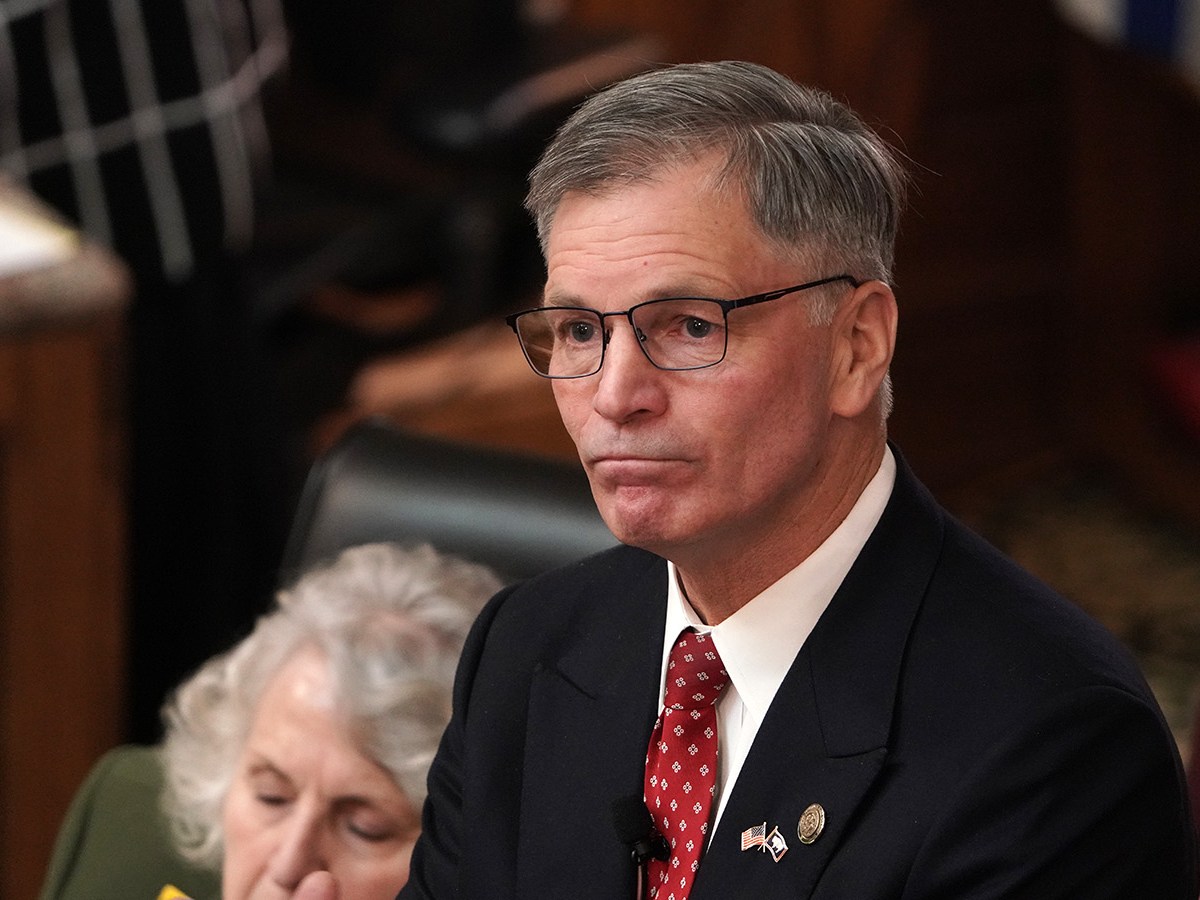
“We have to understand that’s not even a third… Best case scenario, we’re more like $6 billion (in immediate projects),” Rep. Jeremy Haroldson, R-Wheatland, said.
Wyoming County Commissioners Association Executive Director Jerimiah Rieman recommended allocating $75 million annually to the consensus block grant program because of infrastructure needs across the state and persistent cost increases. He also recommended tying increases beyond the initial appropriation to the consumer price index, an estimate of the change in costs for household goods.
“You’re going to have less buying power a decade from now,” Rieman said.
Newcastle grants and loans specialist Beth Blackwell said resurrecting the countywide consensus program would help fund critical infrastructure projects across Wyoming.
“Countywide consensus is something that’s been missing in the funding circle for the last 10 years,” Blackwell said.
As the bill is drafted, it would revert unencumbered funds to the state after two years. Rep. Bill Allemand, R-Midwest, suggested lengthening the reversion to four years.
Sheridan County Commission Chair Christi Haswell said additional time would be beneficial for projects delayed for any number of reasons. She mentioned the Sheridan Area Water Supply’s Gulch Road project’s delays as an example.
“This is a small project, and I think for some of those larger ones it would be crucial to be able to hold on to that funding,” Haswell said.
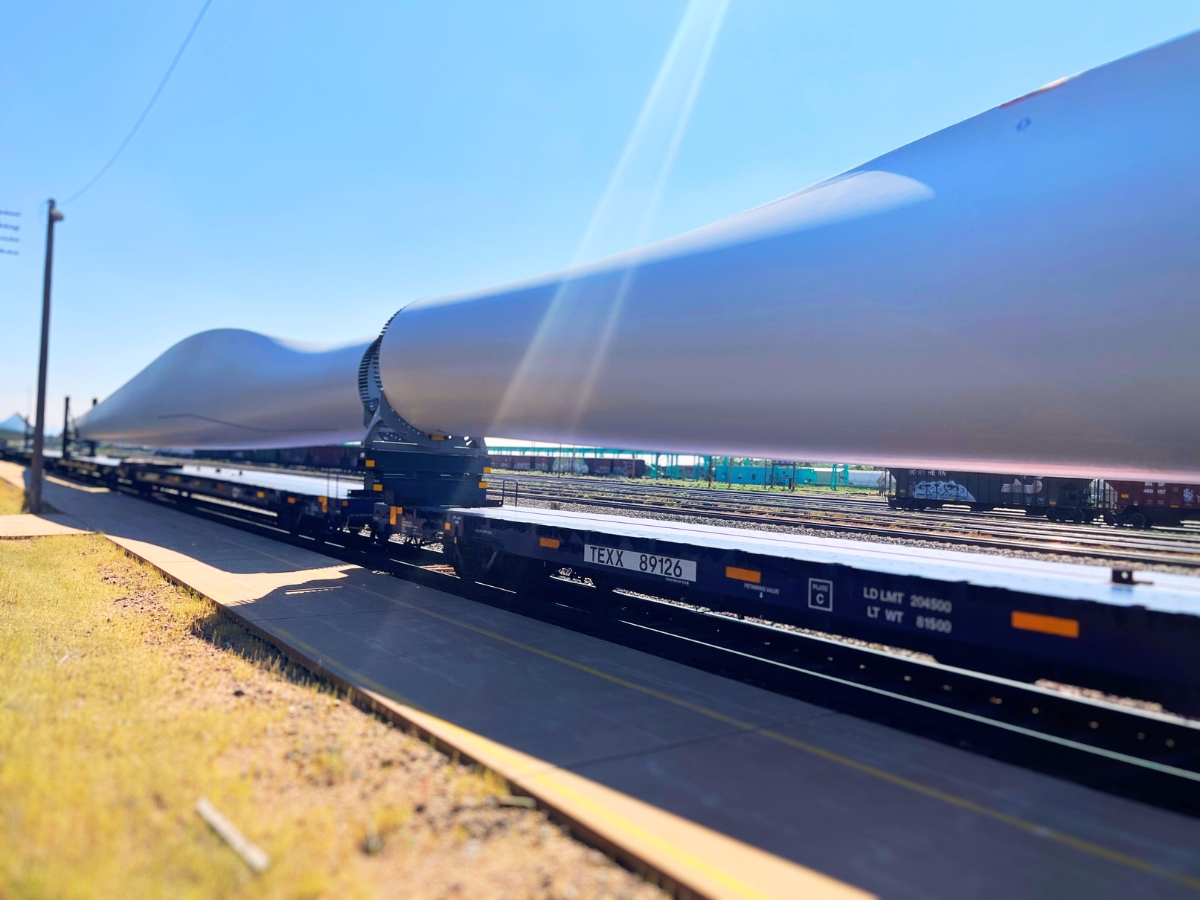
Sheridan Area Water Supply received $300,000 in Mineral Royalty Grant funding from the state to help pay for an 8-inch waterline to serve Gulch Road residents who have had smells of sulfur come from their sinks for many years. Poor water quality also has damaged fixtures and clothes, as well as forced residents to use multiple filters throughout their homes.
Just as SAWS began preparing to apply for a $300,000 U.S. Department of Agriculture Rural Development grant, the federal government shut down. Haswell said the shutdown ultimately meant SAWS “lost a construction season” for the project.
Committee Co-Chair Rep. John Bear, R-Gillette, encouraged committee members to prepare potential amendments for the draft bill ahead of the committee’s next meeting, currently scheduled for Aug. 27 and 28 in Cheyenne.

Do ANY of these people even live here??? ‘Here’s $20, that outta cover 8 miles of sewer line on xyz road!’ And they’re serious?! Wyoming: the least independent state in America. Always begging the feds for a hand out. 🙄