


As a federal court prepares to make a key ruling on a lawsuit challenging Wyoming’s new voter registration law, the U.S. Department of Justice weighed in Tuesday, filing a statement of interest in the case.
“This court should maintain the long-held position that preventing voter fraud and safeguarding voter confidence are legitimate state interests,” the department’s Civil Rights Division argued in its filing.
In its own pair of motions, Equality State Policy Center, which filed the lawsuit in May, urged the court Monday not to dismiss the case, arguing the new law “threatens voting rights.”
The law, which took effect Tuesday, makes proof of state residency and U.S. citizenship part of the voter registration process in Wyoming. The law also requires someone registering to vote to attest that they’ve lived in the state for at least 30 days.
Such regulations are unconstitutionally vague and impose an undue burden on the right to vote, the lawsuit alleges. It names Secretary of State Chuck Gray in his official capacity as a defendant in the case, along with all 23 county clerks.
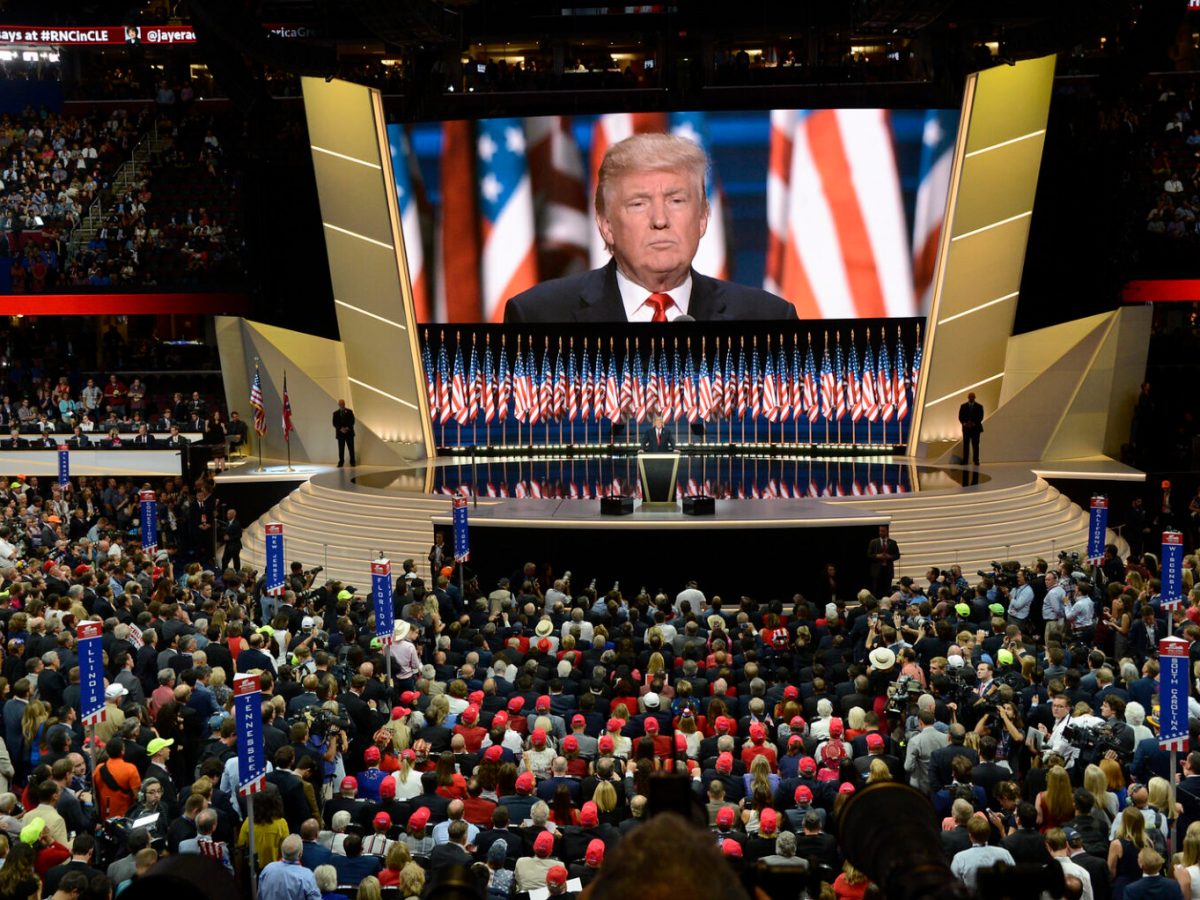
The complaint’s profile has risen considerably since it was initially filed, first attracting high-profile attorneys to both sides of the case, then the attention of the Republican National Committee and a coalition of 25 states and Guam. Now, the Trump administration wants to have a say.
“Requiring documentary proof of citizenship to register to vote is a valid method for a State to achieve its interests in preventing fraud and safeguarding voter confidence in elections,” according to the DOJ’s filings.
In a poll prior to November’s election, almost 90% of Wyoming adults said they expected their county’s tally of ballots for president in 2024 to be very or somewhat reliable, according to a University of Wyoming survey.
Gray, in a press release, welcomed the federal government’s involvement.
“I am extremely grateful for President Trump’s and the DOJ’s leadership and prioritization of these important election integrity measures,” he said.
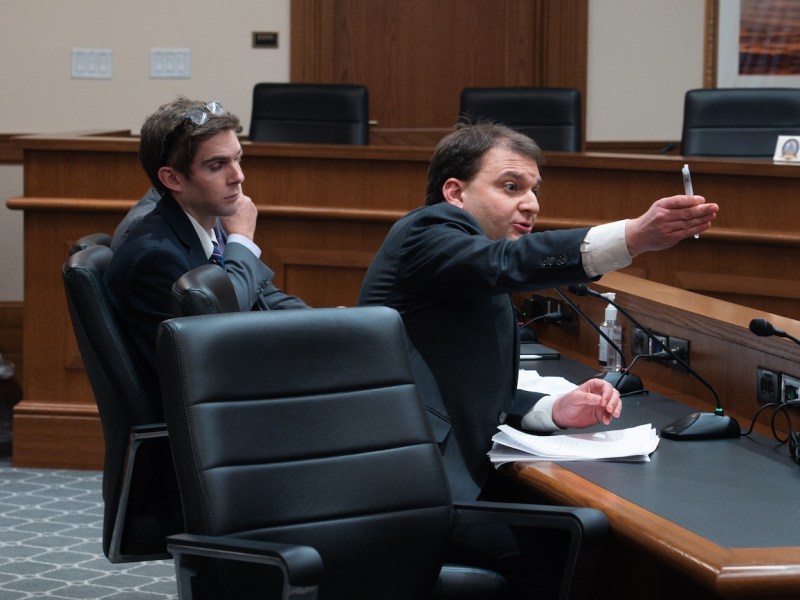
The harms described in the federal lawsuit are speculative, Gray’s attorneys have argued, and lack the kind of specificity required to have standing in a federal court. They’ve alleged that the nonprofit can’t point to specific examples of voters who will be disenfranchised by the new law.
In Monday’s filings, attorneys for ESPC pushed back on Gray’s suggestion, arguing that they’ve “submitted concrete evidence” and pointing to “three separate declarants attesting that they serve individuals who lack the identifying documents [the law] requires.”
“Secretary Gray is also incorrect that no voters facing a disproportionate impact are before the court,” the filing states. “For example, Plaintiff highlights the experience of domestic abuse survivors, thousands of whom live in Wyoming. These survivors are before the court as constituents of the Wyoming Coalition Against Domestic Violence and Sexual Assault, one of the Plaintiff’s member organizations. And Plaintiff can adjudicate that harm on their behalf.” (Emphasis from the filing.)
Both parties have pointed to a legal doctrine known as Anderson-Budrick balancing, which “requires courts to weigh burdens that a state imposes on electoral participation against the state’s asserted benefits,” according to SCOTUSblog.
But Gray’s attorneys have misconstrued the doctrine in his filings, according to ESPC’s motion, and “the Secretary offers no legally meaningful defense of the law. Thus, under binding precedent, and on this record, the Court should find Plaintiff is likely to succeed.”
ESPC also filed a motion Monday opposing a proposed amicus brief from Guam and 25 states, including those that have passed similar voter registration laws to Wyoming.
“For all states may posture during legislative sessions (or in amicus briefs) about the specter of non-citizen voting, the fact remains that there is no evidence that it is an actual problem — in Wyoming or anywhere else — and the amici tellingly point to none,” the filing states.
The court made two decisions on Wednesday.
For one, it set a deadline for ESPC to object to a separate proposed amicus brief from the Immigration Reform Law Institute — a legal nonprofit affiliated with the Federation for American Immigration Reform, which was founded by white nationalist and anti-immigration activist John Tanton. Plaintiffs have until Tuesday to do so.
The court also granted a motion designating the county clerks as nominal parties, meaning they will technically remain a part of the case but will not have any responsibilities.
In the meantime, the court must still rule on the plaintiff’s request to halt enforcement of the new law pending the lawsuit’s outcome.


Gray’s claims are synonymous with Trump’s claims (and Hageman’s) about voter fraud. One thing they all have in common is a lack of evidence. Its time Wyoming citizens demand to see the evidence before continuing to support “the boy who cried wolf.”
Just doing what Teton County dark money wants him to do. Trump didn’t stop there for nothing.
To the good and responsible people of the great state of Wyoming, please, whatever you do, do not elect this weasel as our next Governor.
So a voter moves from North Carolina to Wyoming 29 days before an election. Chuck Gray is saying he cannot vote in Wyoming even though he just moved here. Can he vote in North Carolina because he doesn’t live there any longer? Seems unconstitutional to me this voter has a right to vote
Oh gee the ittle napoleon has found an ally. Problem is they are both incorrect and lying.
liars tend to stick together