

Conservation groups’ analysis finds that the Bureau of Land Management’s finalized Rock Springs Resource Management Plan — which has been criticized as out of step with the state’s needs and priorities — incorporates 85% of the recommendations made by Wyoming’s governor-appointed task force.
The analysis “shows that the agency respects the collaborative process that Gov. [Mark] Gordon led and the consensus-based outcomes that the task force produced,” Wyoming Outdoor Council Program Director Alec Underwood said. “It’s apparent that the agency took seriously [the task force’s] substantive recommendations for management direction,” added Underwood, who was a task force member.
The finding, which the Wyoming Outdoor Council and the Wilderness Society released this week, contrasts criticism that the finalized plan is far from what the people of Wyoming want. It also comes after a state lawmaker called the task force process “flawed.”
It’s the latest development in years of heated debate over how to manage some 3.6 million acres of public lands in southwestern Wyoming.
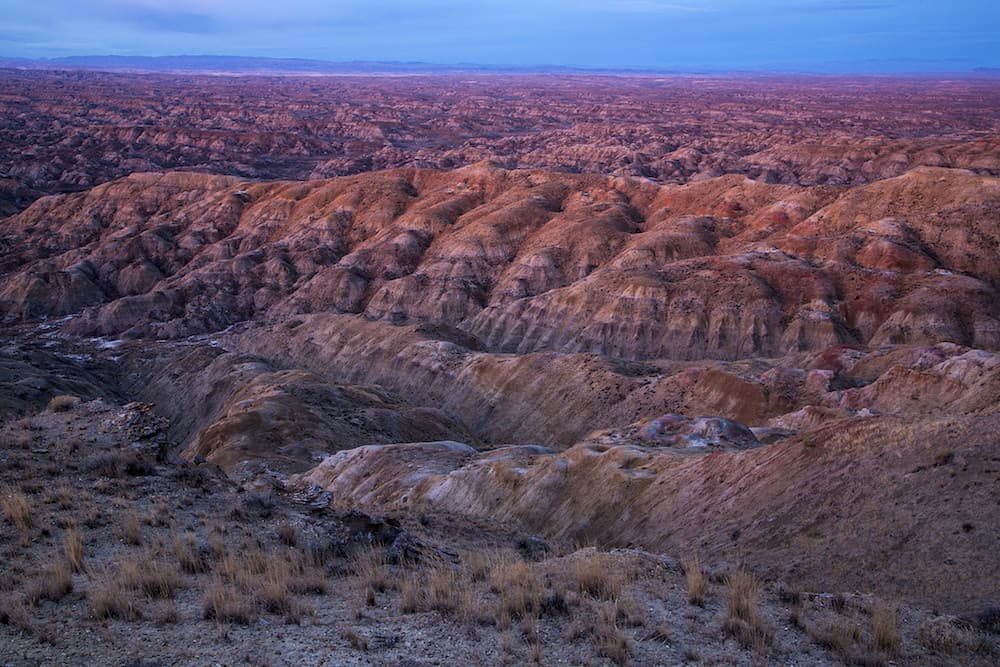
The enormous acreage in question, which the BLM Rock Springs Field Office oversees, encompasses everything from sand dunes to sagebrush ecosystems, badlands and wrinkled mountains. It’s home to the Northern Red Desert’s petroglyphs, pathways like the Continental Divide Trail and major wildlife corridors. People utilize it for economic activities like trona mining and livestock grazing and for recreation like OHV riding and camping.
A recap
The BLM in August released its finalized environmental impact statement outlining its proposed Resource Management Plan for the Rock Springs Field Office. The plan has not been updated since 1997.
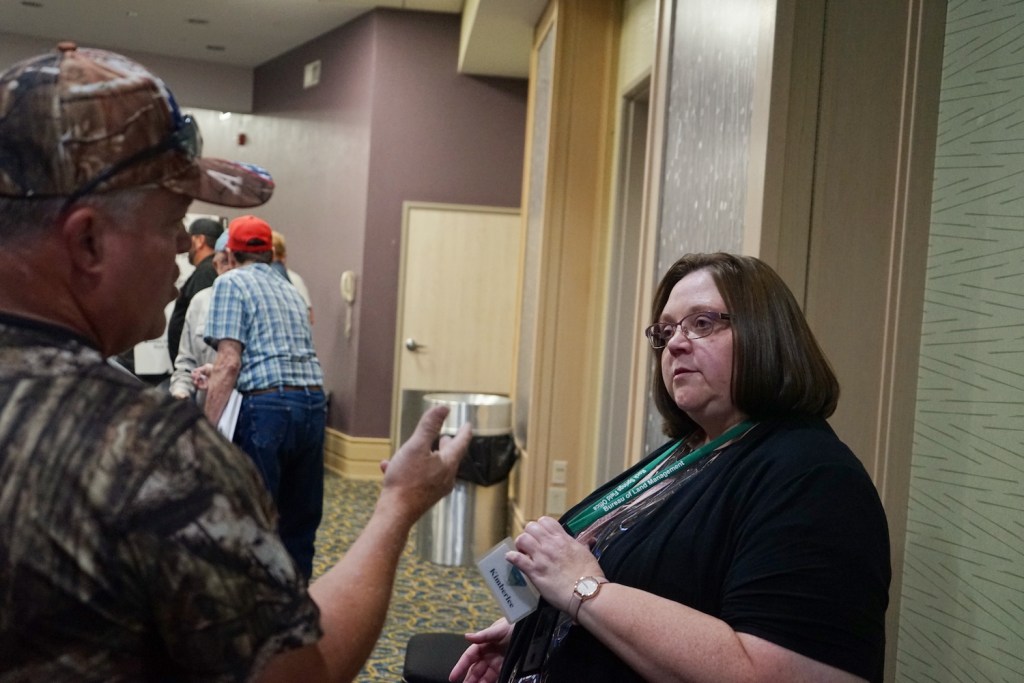
This came a year after the agency released the draft plan, drawing intense backlash. The conservation-heavy “preferred alternative” released in 2023 sparked outrage over stricter limits on energy extraction and expansions of protected areas. Critics lambasted the plan as an instrument that would kill the area’s economy and close much-loved areas for outdoor recreation. Anger and misinformation — including erroneous information accidentally disseminated by the BLM itself — characterized the packed meetings that ensued. Some 35,000 comments poured in during the extended public comment period.
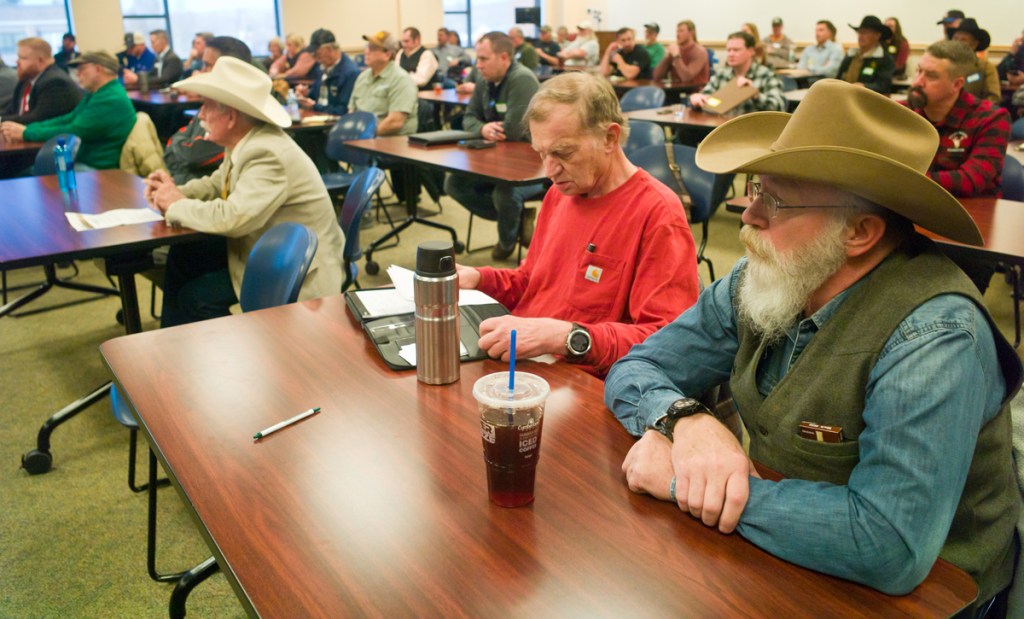
Amid that extended comment period, Gordon announced the formation of a gubernatorial task force, tapping the University of Wyoming’s Ruckelshaus Institute to facilitate stakeholder conversations. The intent was to hammer out recommendations supported by all the interests represented — everything from trona mining to oil and gas, conservation and hunting.
Despite representing disparate interests, the 11 members reached consensus on more than 100 recommendations for the BLM.
The agency carefully considered those recommendations as it drafted its finalized plan, BLM Wyoming Associate State Director Kris Kirby told a legislative committee in September. During that meeting, Sen. John Kolb (R-Rock Springs), who sat on the task force, said that while some good recommendations came out of the group, the process gave outsized weight to certain viewpoints.
“I think it was a flawed system that worked on 100% buy-in,” Kolb said.
Because of one dissenting member, Kolb said, the task force process was “shanghaied by the environmental groups,” resulting in recommendations that didn’t truly represent the majority.
When the task force released its recommendations, Gordon touted them as a vehicle for how Wyoming knowledge can inform a better Rock Springs land management plan.
“It was critical we amplified the public’s involvement in this important BLM planning document, and shared with BLM how Wyoming, through collaboration, creates durable and quality land management policy,” he said.
Gordon also expressed displeasure with the finalized plan, which “does not meet Wyoming’s expectations of durable, multiple use of public lands,” he said following its release. “A cursory review makes it clear where the BLM considered local and cooperative input, and where the agency chose to force through national agendas.”
Not so fast
Wyoming Outdoor Council and The Wilderness Society manually compared each task force recommendation with the correlated management action in the Proposed RMP to produce their favorable review.
In a parallel effort, the public lands advocacy group Center for Western Priorities analyzed how well the BLM incorporated all public comments — not just Wyoming’s — into its final plan. The organization made a public records request for all 35,000+ comments, according to a press release, which allowed it to analyze the proportion in favor of or opposed to conservation of wild lands, wildlife habitats and important cultural areas. Using a random sample of 5,000 comments, the CWP found that 92% were in support of conservation measures.

“It’s a really robust data set, and a very robust sample size to give you an idea of just how much support there was,” Aaron Weiss, deputy director of Center for Western Priorities, said. “And I think it gets to the point that as controversial as some folks in Wyoming wanted to paint this plan — that it was incredibly divisive — when you look at the actual numbers, it was not at all divisive.”
Weiss said the sheer number of comments illustrates sky-high interest among Western residents and called the proportion in support “stunning.”


“I can’t think of any major public policy issue that comes across the finish line with 92% public support,” he said. “That is really a stunning number, and I think a testament to how much listening BLM did, both at the agency level and especially at the field office level, to work in public feedback and comments into this proposed management plan.”
A 30-day protest period on the finalized plan ended in September, though a governor’s consistency review is still ongoing. These are among the final steps before the RMP becomes final.


Renewable energy is our future, and how we implement it matters. The proposed alternative in the final Environmental Impact Statement (FEIS) for the Rock Springs Resource Management Plan (RMP) opens 1.64 million acres for wind energy development—a 66% increase compared to the 987,848 acres under Alternative B. While I fully support the shift away from fossil fuels, throwing solar panels and wind turbines wherever we can is not the solution. The Red Desert
isn’t just empty land waiting to be filled with turbines–it is home to jaw dropping ecosystems rife with wildlife and wild places. Renewable energy development should be strategic, placed in areas that won’t degrade habitat for wildlife, like on rooftops and in brownfields.
“Gordon also expressed displeasure with the finalized plan, which “does not meet Wyoming’s expectations of durable, multiple use of public lands,” he said following its release. “A cursory review makes it clear where the BLM considered local and cooperative input, and where the agency chose to force through national agendas.””
Does anyone else see the hypocrisy here. Both Teton County and Natrona County, local governments, are trying to overcome actions that the State of Wyoming has forced upon local Wyoming residents in leasing State land for purposes that are contrary to local input. Seems like a “do as I say, not as I do” policy. Just sayin’