


On a Tuesday in early August, Brandon Scurlock received the second notification in as many days that one of the 50 GPS-collared pronghorn he’s been monitoring died.
An old female, PH143, had keeled over in the willows along the receded shoreline of Big Sandy Reservoir.
“It was a whole carcass,” recalled Scurlock, the wildlife management coordinator for the Wyoming Game and Fish Department’s Pinedale Region. He phoned the state’s Wildlife Health Lab for some guidance.

There was no sign of epizootic hemorrhagic disease, a midge-spread and sometimes devastating ungulate killer that tends to flare up during periods of drought. And there was no sign of internal bleeding or injury.
“I wasn’t too concerned,” Scurlock said. “Pronghorn die.”
Cracking open the mature doe’s femur, he gained some insight about why. In a healthy animal, the marrow within would be off-white and firm. Instead, it was red, gelatinous and “pretty nasty.” It was an indication that PH143 was in rough shape.
Two days later, the collar from another marked pronghorn transmitted a mortality signal, this one clear across the Green River Basin in the embattled Dry Piney Creek drainage.
“We started to think something might be going on,” Scurlock said.
By Sept. 13, a seventh collared pronghorn had died. Overall, 14% of the tracked animals in the ballyhooed Sublette Pronghorn Herd perished in the span of six weeks. One doe even took her last breaths in an irrigated alfalfa field.
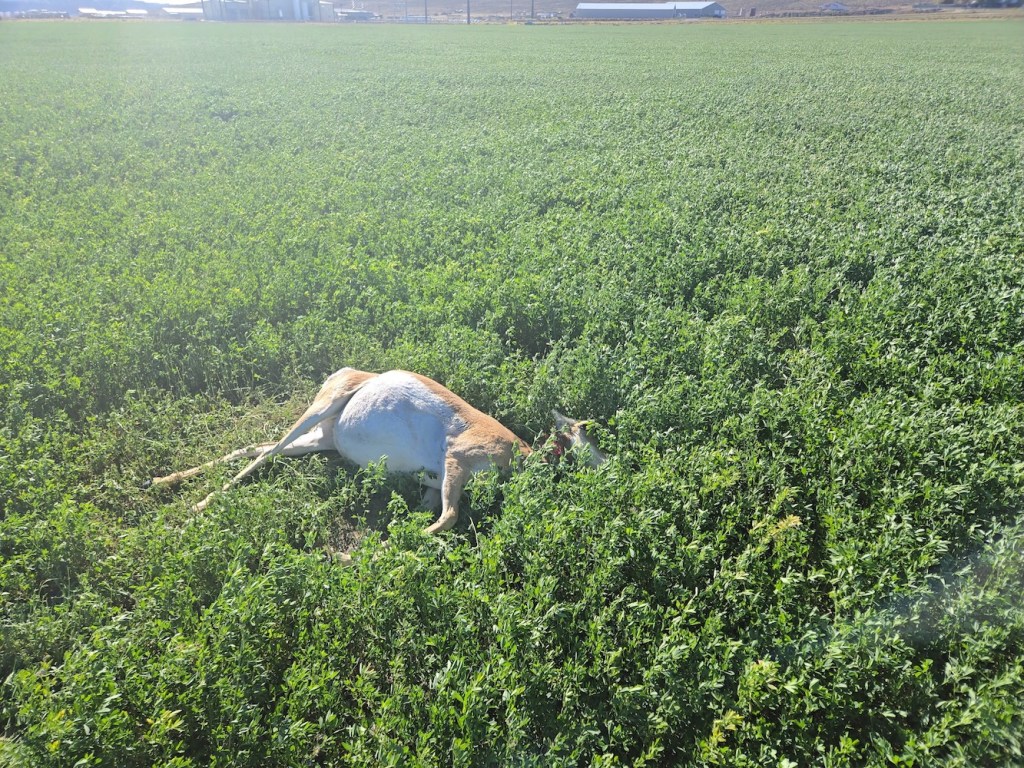
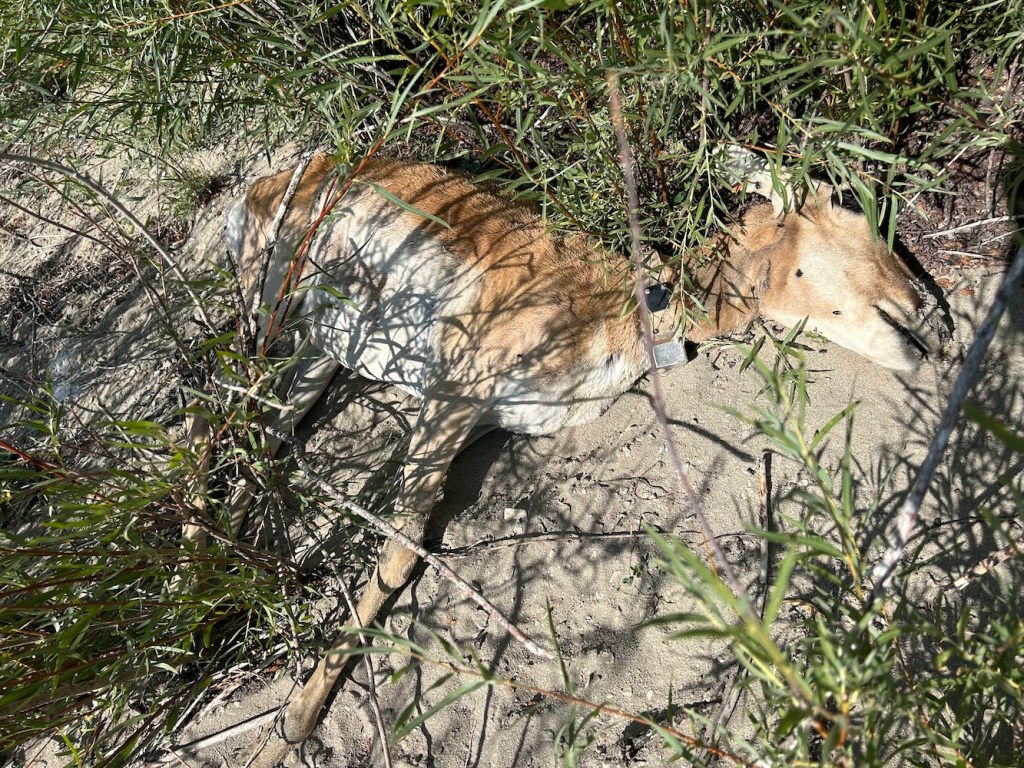
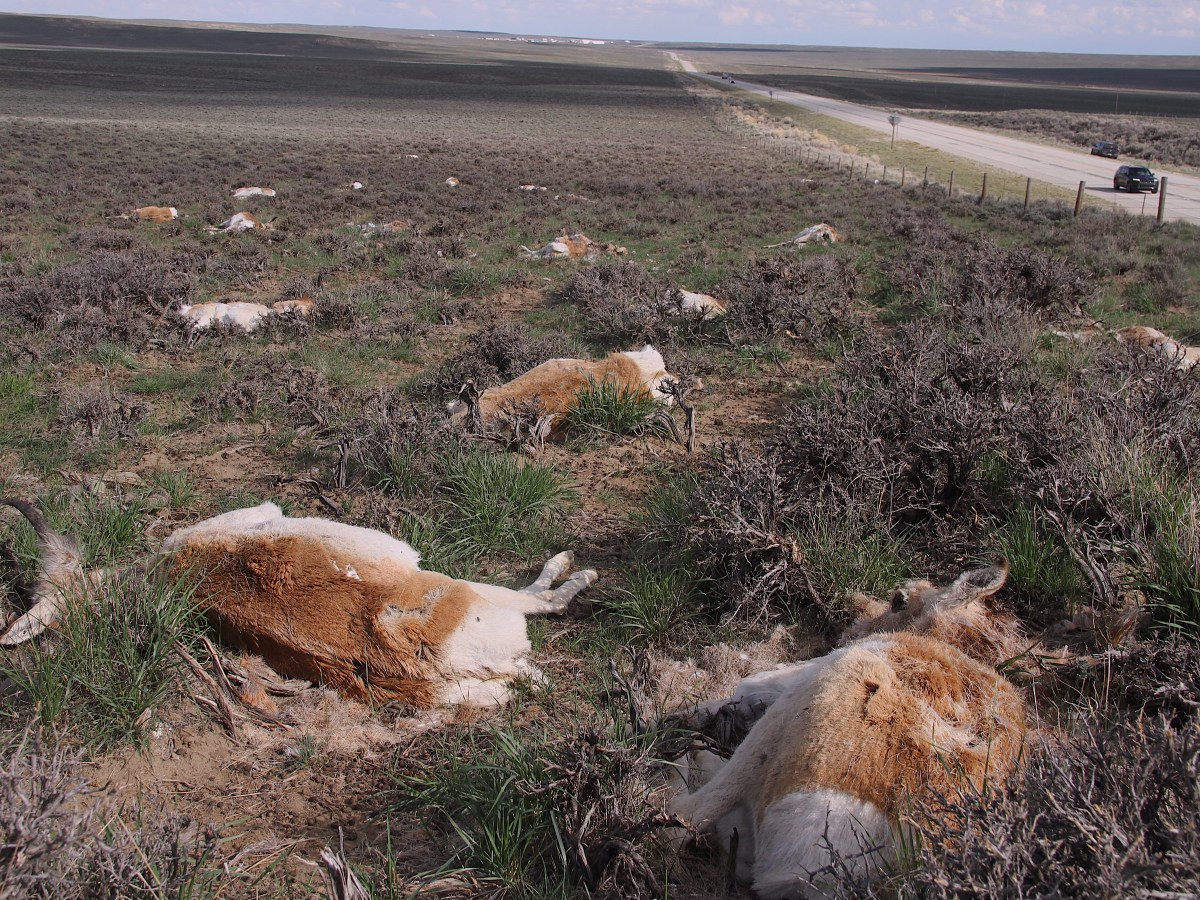
Even though the animals died at a time of year when ungulates are typically in good shape and readying for winter, malnutrition is the suspected primary cause for the rash of deaths.
“Interestingly, all seven of those individuals were non-migratory,” Scurlock said. “I think that’s a poor strategy this year: To basically live [all year] on the winter range.”
Notably, 88% of pronghorn in the Sublette Herd are either migratory or nomadic, according to the U.S. Geological Survey’s migration database. Only 12% of the population resides in the same spot year-round. Yet this summer they accounted for 100% of the unusual deaths.
One explanation is that the vegetation in those low-elevation areas is especially parched. Coming off the warmest, least-snowy winter in the state’s history, with record late-summer heat all across the region, plant growth was bleak.
Surveying the antelope bitterbrush plant in the Prospect Mountains — not far from where Scurlock found PH143 dead near Big Sandy — Game and Fish terrestrial habitat biologist Troy Fieseler found “large-scale mortality” of the important winter browse species, with up to 90% of the shrubs dead in places.
“He measured basically zero growth on bitterbrush leaders,” Scurlock relayed.
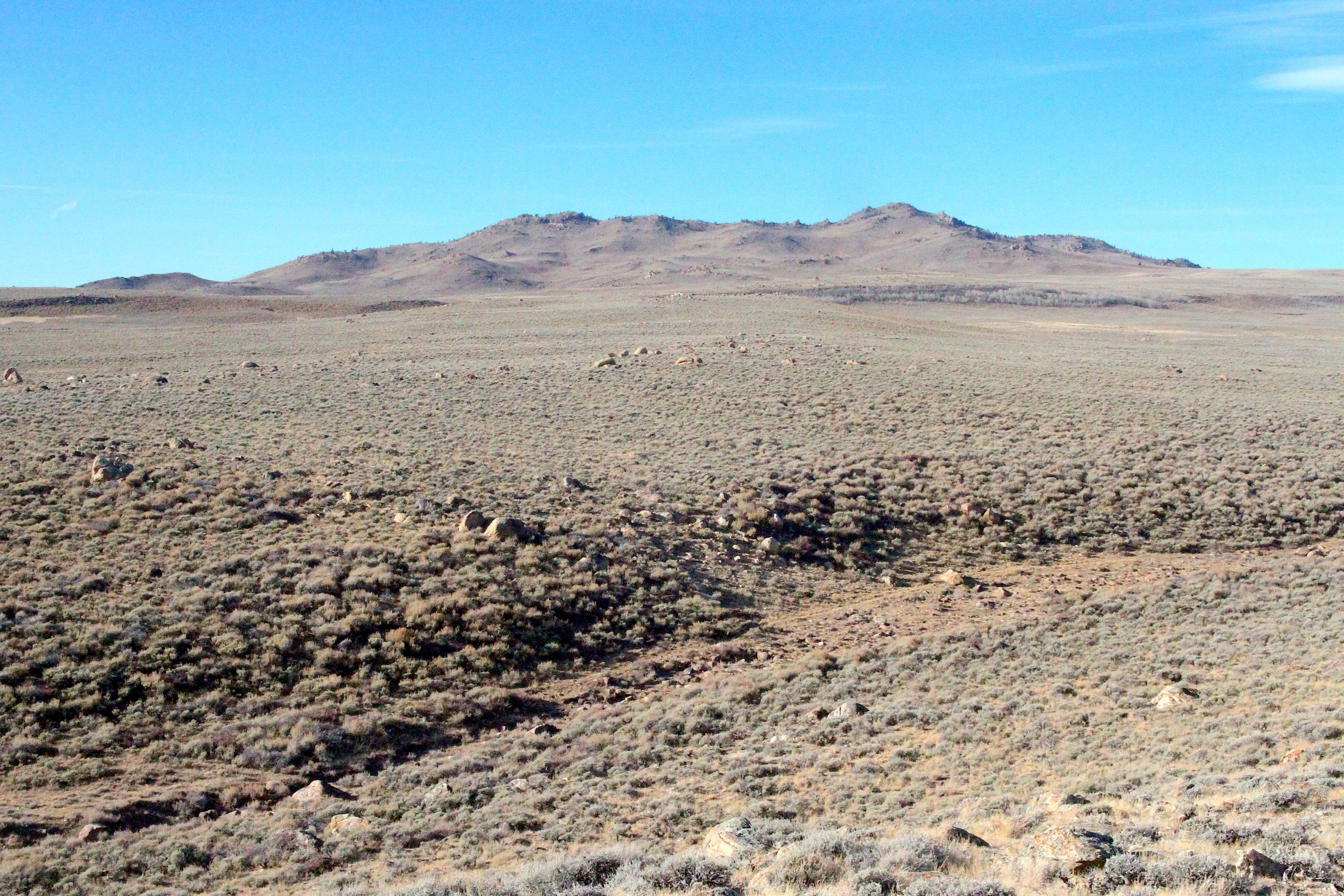
On live plants in the hardest-hit areas, fresh leaders that sprouted this summer averaged just over a quarter inch — just 10% of the average growth.
“And it started defoliating a couple weeks ago,” Scurlock said of the bitterbrush. “Pretty rough shape.”
It’s no secret that record heat and widespread drought has wreaked havoc on Wyoming ecosystems and their inhabitants. Although the extraordinarily mild winter had some positive effects for wildlife like elk, there’s been significant fallout. The heat and aridity has hindered fire scar recovery, led to “unprecedented” black bear conflicts and triggered emergency orders for livestock.
There are some silver linings and bright spots.
Although wildfires burned more than 63,200 acres of Wyoming through late September, that’s just a fraction of the acreage that ignited during 2024 (810,000 acres, second most ever) and 2025 (250,000 acres).
And there have not been any major outbreaks of wildlife diseases that often correlate with drought.
“Going into the summer, as dry as it was, I anticipated to see more [epizootic hemorrhagic disease] outbreaks, but so far we’ve only had one, southeast of Lander,” Deputy Chief of Wildlife Martin Hicks told the Game and Fish Commission last week in Evanston.
Hicks also presented some promising data on the productivity of Wyoming’s pronghorn. Biologists and wardens surveying the state’s herds tallied more than 60 fawns per 100 does, a ratio that exceeds the five-year average.
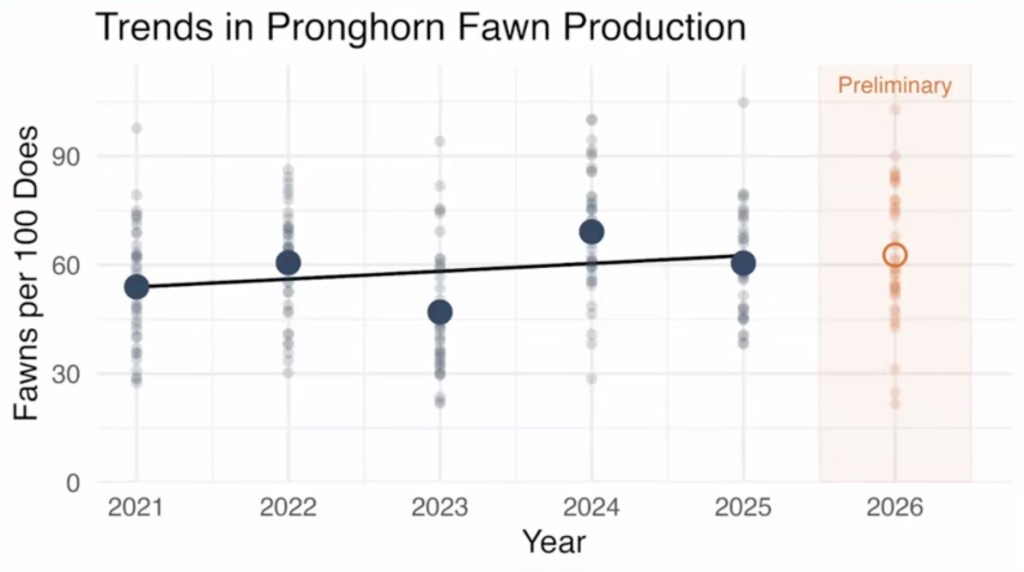
“If you would make me wager a bet, I would have lost that bet,” Hicks said, “because I thought for sure our fawn production would significantly decrease.”
Even within the Green River Basin, there has been a mixed bag of impacts. Scurlock spent last weekend helping staff a hunter check station, and the migratory mule deer coming out of the Wyoming Range were looking plump and healthy, with good antler growth.
“Tons of body fat on them, but I think they’re going to need it this winter,” Scurlock said. “There’s not going to be much to eat.”

Hi Mike,
Thanks for the article about the Pronghorn deaths. You wrote that mortality was the cause from ” malnutrition is the suspected primary cause for the rash of deaths… And there have not been any major outbreaks of wildlife diseases that often correlate with drought.” Is bitter brush the primary food for Pronghorns? Do they eat alfalfa? What can be done about preventing these deaths?
Pronghorn are suffering from many problems and when I lived in Casper, there was much hunting of them. Now I live in Oregon and, like Wyoming, 2026 has been the driest year in the past 200 years. This extreme warm weather will continue unless fossil fuel usage is greatly decreased. Climate Change needs to be addressed by our governmental agencies especially for the besieged wildlife.
Seen this scenario in the 90s drought years, let’s get some data on ages of the dead pronghorn stop bashing the ranchers already, pronghorn dead in an alfalfa field wasn’t malnutrition , I’ve seen the same thing with deer, and I’m not a biologist but I do have common sense
Keep denying Climate Change is real , and by all means keep pushing for more fossil fuels exploitation and for profit capitalism trumping natural resources.
It will hasten the day when the human experiment is declared a failure, and the Kangaroo rats, Coyotes, and Ravens inherit the Earth. All those Mad Max movies were training films …
The climate has always been changing Dewey. No one is denying that.
Many commentators here on WyoFile have showcased the poor management of our public lands and the continued pounding and pillaging by the welfare cowboys and their livestock. We’re phasing into year three of a severe drought, the grass has been all grazed down, sickly looking sage and nothing but muddy water holes but yet the BLM allows the grazing to continue. The Cody region gets the brunt of this bad attention as they should. An avid public lands hunter told me that many times he and other have complained about the condition of the parcels and it seems that the BLM goes into spite mode and allows more and more cattle. Some areas do not even get rotated and have cattle and sheep on them year round. Poor management and poor leadership and nothing left out there for the deer, antelope, sage hens etc. to eat. It’s going to be a deadly winter coming up.
Agree completely with Mr. Aggire, but it has been at issue for over 20 years. Down in Rock Springs/Red desert areas it is sheep by the thousands grazing the same areas year after year and game animals getting what is left after a bunch of them sage maggots go through. Get the sheep out of here.
My soul is in deep anguish. While humankind denies, debates and delays, climate change destroys our natural world. Dying antelope in Wyoming in this season is just one more sign that we are running out of time…
Running out of time to do what exactly?
The USA could cut all emissions to zero and China would still put out more than the rest of the world combined.
Sad to hear this but not surprised. Up here in the basin (big horn), we’re facing the same drought conditions but lo and behold, the blm is still allowing the grazing permitees to ground and pound the public lands with their cattle. There’s little out there for feed and this winter the wildlife are going to pay dearly for the greed and arrogance. I often see comments here on wyofile of people pointing this out, yet folks who don’t even get out of there care that’s whizzing down the highway try to tell us that things are hunky dory out there and the blm is doing a great job. Get out of your vehicle and take a walk. Becareful not to step into one of the thousands of cowpies out there as your brush by anemic sage and rabbit brush. see any Grass? Nope, you probably won’t.Sometimes it seems as if the public land managers are trying to eliminate wildlife, especially the endangered sagegrouse once and for all so that that have fewer issues to deal with.
I couldn’t agree with you more Ken. You don’t need a college degree in Range Management (and I do) to recognize the extent of overgrazed rangelands in Wyoming. I just returned from an unsuccessful Sage grouse hunt on the west slopes of the Wind River Range along the Lander Cutoff. The BLM grazing allotments where cattle were present looked like a pool table. Literally not a blade of grass left for wintering wildlife or Sage grouse nesting cover come this spring. Most of that appears to be grazed by Little Sandy Grazing Association. It’s disgraceful what the BLM is allowing public land grazers like LSGA to do to our land and our public wildlife. The Wyoming Sage Grouse Implementation Team continues to ignore the impacts of livestock grazing on Sage grouse populations in Wyoming.