

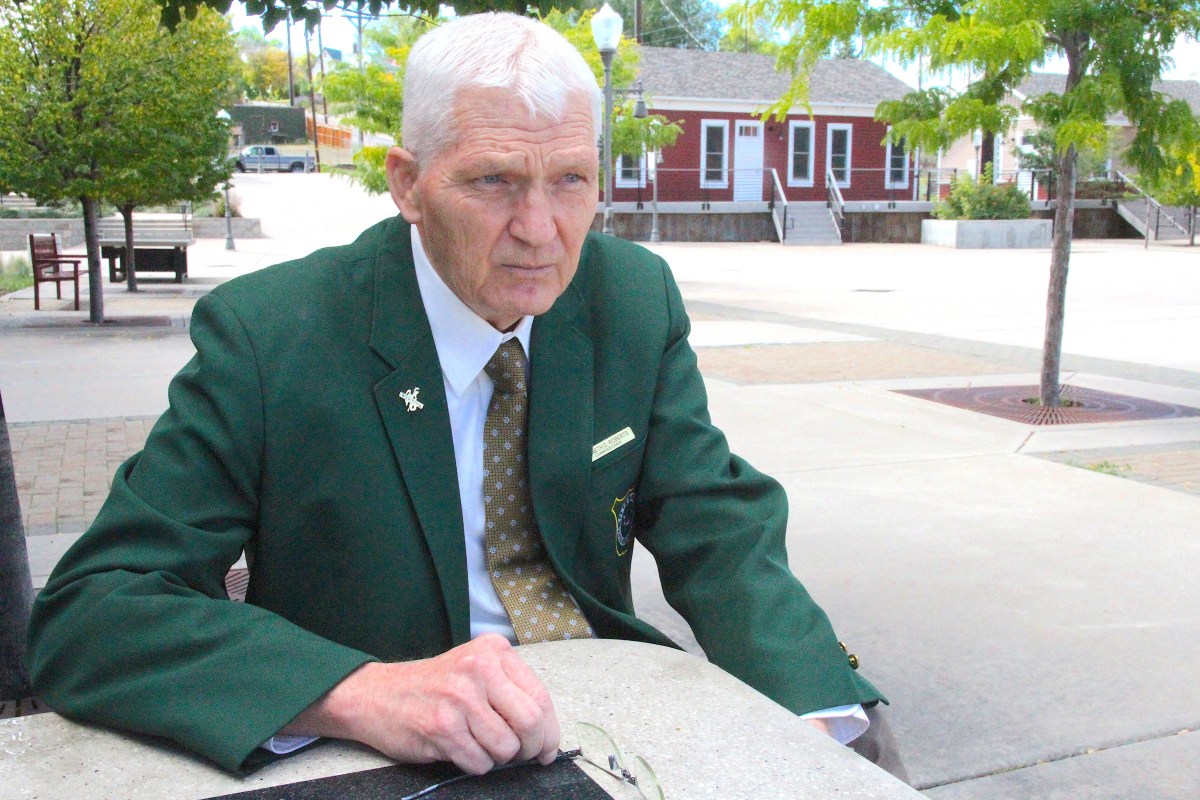
EVANSTON—Ken Roberts’ willingness to take phone calls from random numbers doesn’t always yield pleasant exchanges. That’s certainly been the case as of late for the longtime Wyoming Game and Fish commissioner, who’s nearing the end of his term.
“I had a guy from Connecticut call me, and he wasn’t very nice,” Roberts said. “I was like half-sleeping, and he let me have it pretty good.”
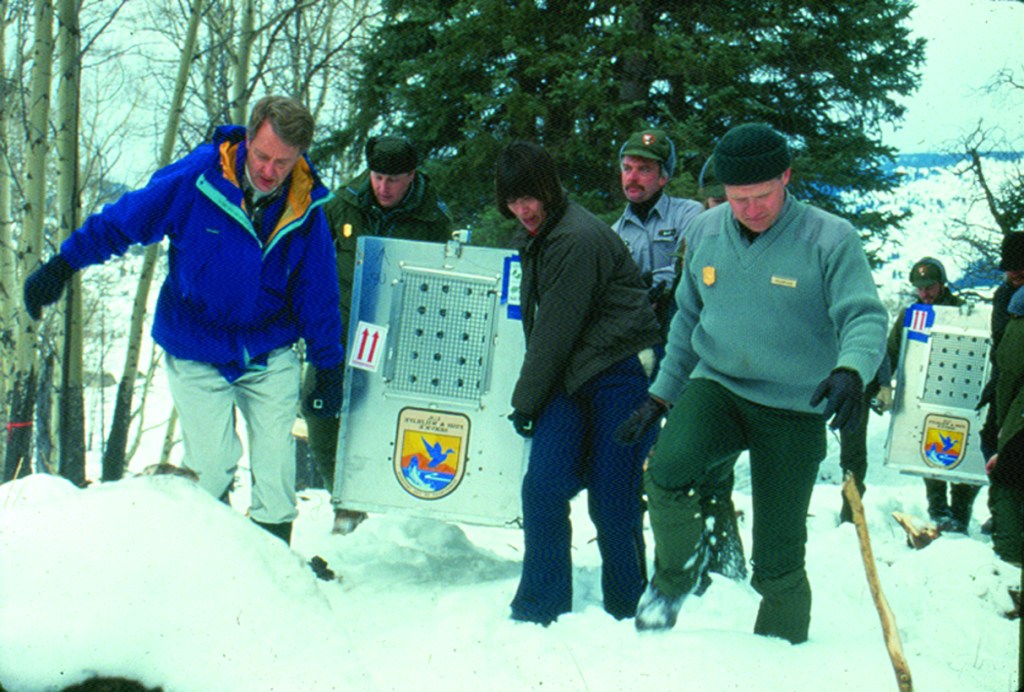
The cause of the Easterner’s consternation? Mollie’s Pack, a wolf pack named after a U.S. Fish and Wildlife Service director whose life was cut short in 1996 by cancer. That historic wolf pack moved outside of Yellowstone National Park into a legal hunting area, and the naive animals’ vulnerability generated plenty of not-so cordial outreach from animal advocates urging wildlife managers to alter Wyoming’s hunting seasons and protect the pack.
In the end, most Mollie’s Pack wolves headed back into the park and they escaped the 2026 hunt unscathed.
“We got lucky,” Roberts said. “We definitely got lucky.”
His past experience underlaid the remark.
A world of outrage — and lots more calls from surly folks — would have likely awaited Roberts and his counterparts if the hunt went differently, ending Mollie’s Pack’s 31-year-long reign.
Roberts, 64, has seen it before. He was helping steer Game and Fish when Sublette County resident Cody Roberts brought a badly injured wolf into a bar for laughs, and the severity of his punishment was the equivalent of a traffic ticket. (County law enforcement disagreed about applicable laws being violated and two years later, he pled guilty to felony animal cruelty.)
The ugly incident and the state agency’s initial response funneled an overwhelming torrent of scorn upon Wyoming. State wildlife officials caught the brunt of it.
“That was my low on the commission,” Roberts said.
There’ve been plenty of happier times and proud accomplishments during his tenure, too. Gov. Mark Gordon appointed Roberts as a Game and Fish commissioner in 2021 under unusual circumstances: He replaced commissioner Mike Schmid, who was involuntarily removed from his post.
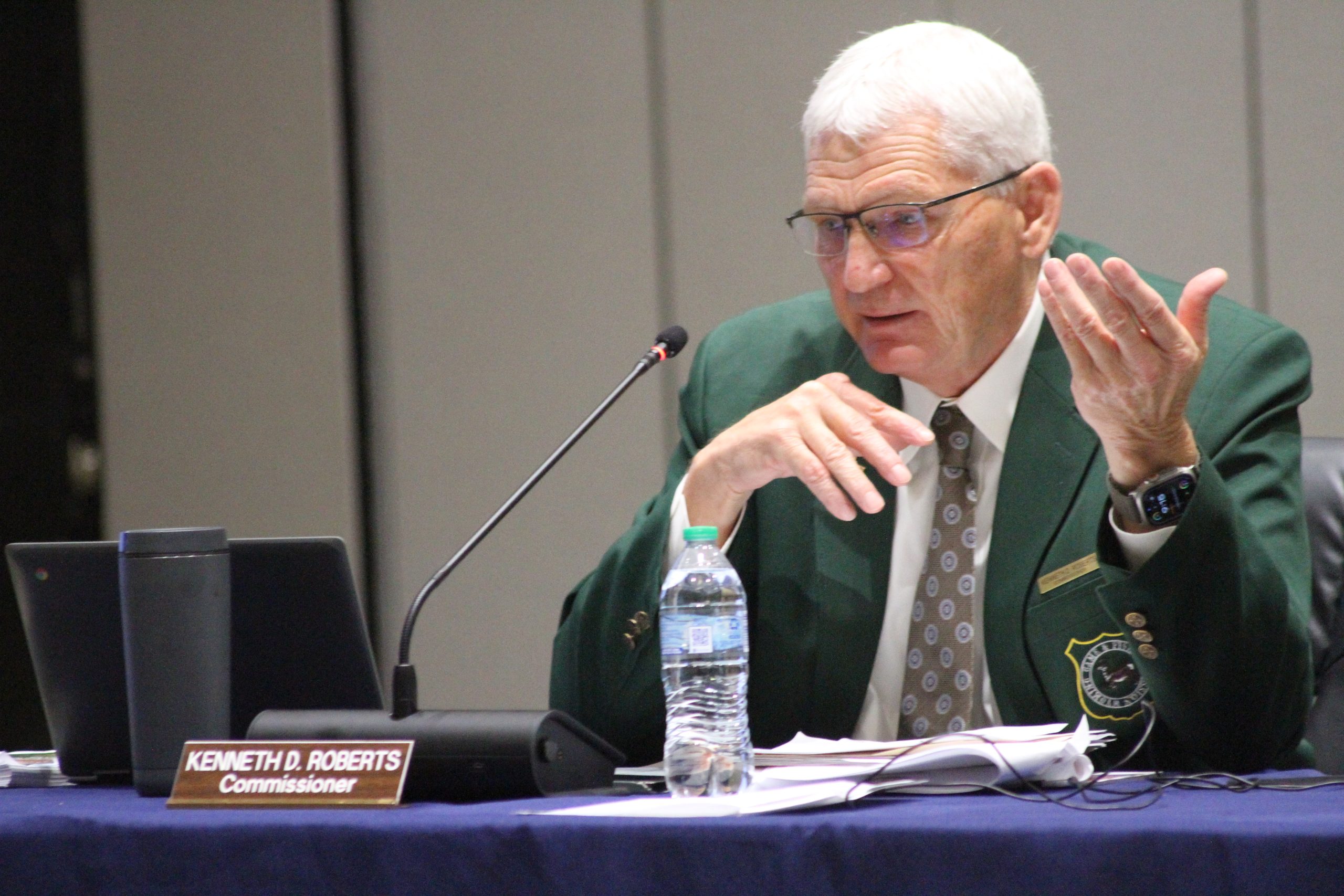
Nearly six years later, the district court clerk from Kemmerer has endured and is readying for some big life changes. This summer he suffered a brain aneurysm. Weeks after that, Roberts beat out House Majority Floor Leader Scott Heiner by a 10% margin in a race to represent Wyoming House District 18. His election victory over Heiner, an early member of the Wyoming Freedom Caucus, was part of the statewide drubbing that brought the once-powerful Republican faction to its knees.
On Tuesday, Roberts sat down with WyoFile to discuss his experience on the Game and Fish commission and anticipated duties as a state lawmaker. This interview has been edited, organized and condensed for clarity.
WyoFile: When you were appointed, the governor had just ousted somebody who often spoke his mind and wouldn’t always go along with the rest of the Game and Fish Commission. Did that make you especially careful as you jumped into the role?
Roberts: No. I realized what had been going on with the commission. There had been a lot of turmoil. I know that the governor didn’t really want to make the change and I know the commission didn’t really make the change, but it got to the point where they had to do something. The governor called and said, ‘We got some turmoil going on, I’ve got to release a commissioner. Would you be willing to serve?’ I said, ‘Absolutely, in a New York second.’ I’ve always really admired the commission.
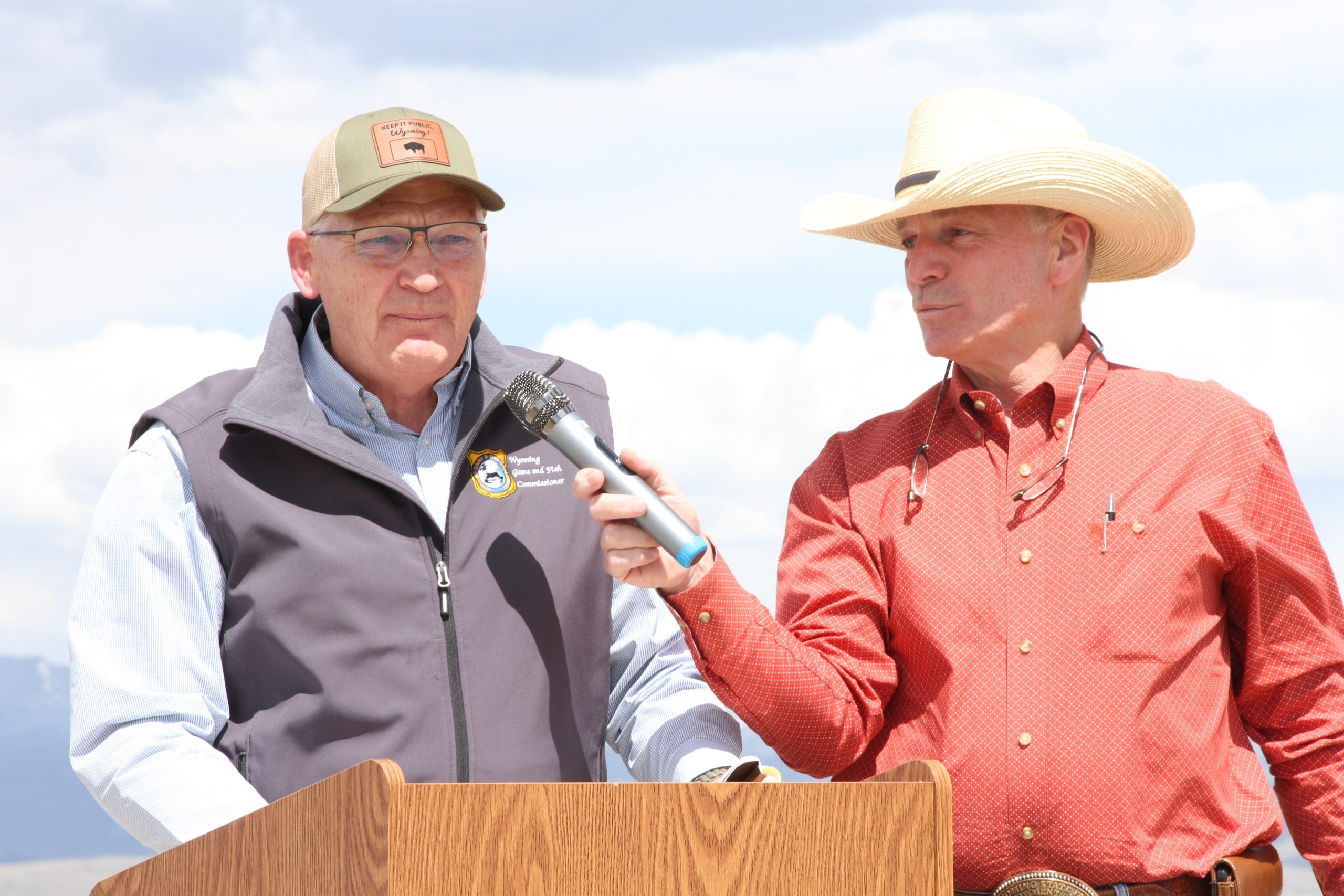
WF: One observation from my time covering Game and Fish during your tenure is that several times, the commission trumped the department’s recommendations. The mountain lion hunting regulations come to mind and also the proposed exclusion of portions of the Sublette Pronghorn migration corridor. What was the backstory to those decisions?
R: I felt a strong need that it was something we had to do. I told myself, ‘I’m the voice of the wildlife — if I don’t do it, nobody will.’ That’s why I advocated for the 10 corridor segments. I truly still believe to this day that we should have designated everything. [Ed’s note: Gov. Mark Gordon overrode the commission, again excluding protections for pronghorn in the Red Desert and east of Farson.] I respect the governor’s standpoint, but I would have designated the whole lot of them. I still think they need it. Red Desert pronghorn, they’re the most iconic thing we have in this state, almost. With mountain lions, we really didn’t think the science was there. We didn’t have a good feeling.
WF: This just came up during your meeting from a retiree, but what’s happened with the director of Game and Fish and the morale of employees? It seems to me it took a dive and field staff became disillusioned with leadership. Obviously, a change was made. What’s your view? Do you agree it’s been a tough era for morale?
R: I think we had such strong leadership with [Brian] Nesvik. I think it was tough for Angi [Bruce]. She had a tough time following Nesvik. She’s brilliant when it comes to federal projects, things like that. I never had any issues with her. The thing that was important to me, she jumped all over — the Highway 189 crossings, coming into Kemmerer.
But her ideas didn’t sit well with rank-and-file types — wardens or biologists who have been there for 15, 20 years. She was more top-down than boots on the ground. It was unfortunate that we got into that situation. She had a vision. It didn’t coincide with the vision that the department and the governor and everybody else had.
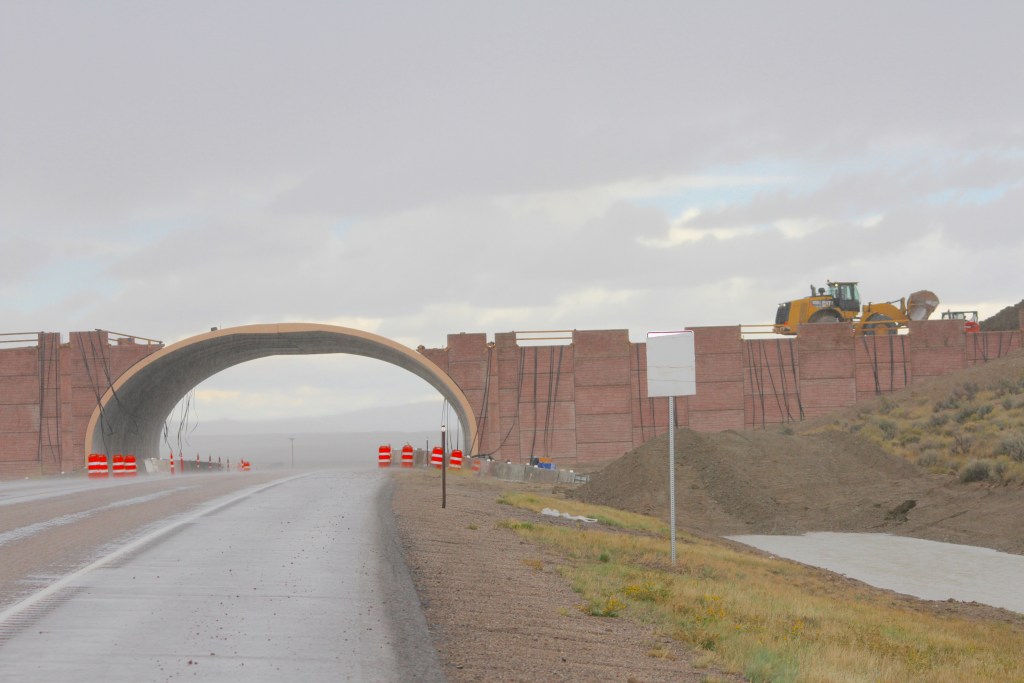
WF: I wanted to ask you about the migration policy. Of course, it was just used on the Sublette Pronghorn corridor and celebrated and rightly so. But designation also took many years. It has no effect on private land. There are dozens and dozens of migrations waiting unprotected. Do you worry we’re not doing enough?
R: We’re the only state in the Lower 48 that can pull any of this off. Nobody else can even come close. [Our policy] doesn’t have much teeth, but at least it puts us at the table to talk. I do want to see us press the gas. If I had my way, I’d designate about six more. We’re the last place. When it’s gone from us, it’s gone from everywhere. Industry, they don’t particularly see eye to eye with [the migration policy]. But I’m 100% for protecting the wildlife at all costs. Business finds a way. Our wildlife doesn’t have that opportunity to find a way, so we have to go strong for the wildlife.
WF: You say Wyoming is the best place left for some of these resources. That’s very true for sagebrush — the habitat and the critters that depend on it, like sage grouse and mule deer. They’re struggling. Do you worry that we’re not doing enough to hold the line for these species?
R: To me, it’s all about connectivity. If you give these animals and birds connectivity and habitat, they’ll take care of themselves. But they can’t adjust to development. They’re just not capable of doing that. Cheatgrass, all of the above [threats], they just don’t keep up with it. Deer are the ones that just can’t figure it out. Elk do a lot better. Elk are figuring it out, and we’ve got an explosion of elk everywhere. The whitetails are coming in, and they run out the mule deer. The mule deer don’t know where to go.
WF: You’ve been a commissioner during a couple of incidents that became sensations and went viral. You’re on the receiving end of a deluge, and I’d guess probably some threats and nasty remarks. What has that experience been like? Just now, with the Mollie’s Pack situation, is there anything you wish the agency would have done differently?
R: Out of the hundreds and hundreds of Mollie’s Pack emails I’ve been getting, they all say the same thing: ‘Wolves don’t know an imaginary line.’ Well, every unit and every place we hunt has imaginary lines. The agency looks at animals as a population, but once you allow somebody to name an animal you’re in trouble. Whether it’s 1090 from the Mollie’s or Felicia [the grizzly bear], once you put a Disney name to it that gets everybody fired up. Then you get some wild person saying, ‘I’ll shoot every damn one.’ We have to come in and play clean up. You could argue that we could have done something to protect that pack. But then the next thing you know, we’ll have another pack somewhere and people are going to be asking for the same thing.
WF: And when you look back at the Cody Roberts incident, do you have any regrets about how Game and Fish conducted itself?
R: No. The Game and Fish tried everything. A week before it all broke, Nesvik called and said, ‘Hey, we’ve got a problem, and we’ve done everything we think we could do.’ If we were going to do anything differently, maybe make it a must-appear. But they looked into it and said this is all you’re going to get him for.
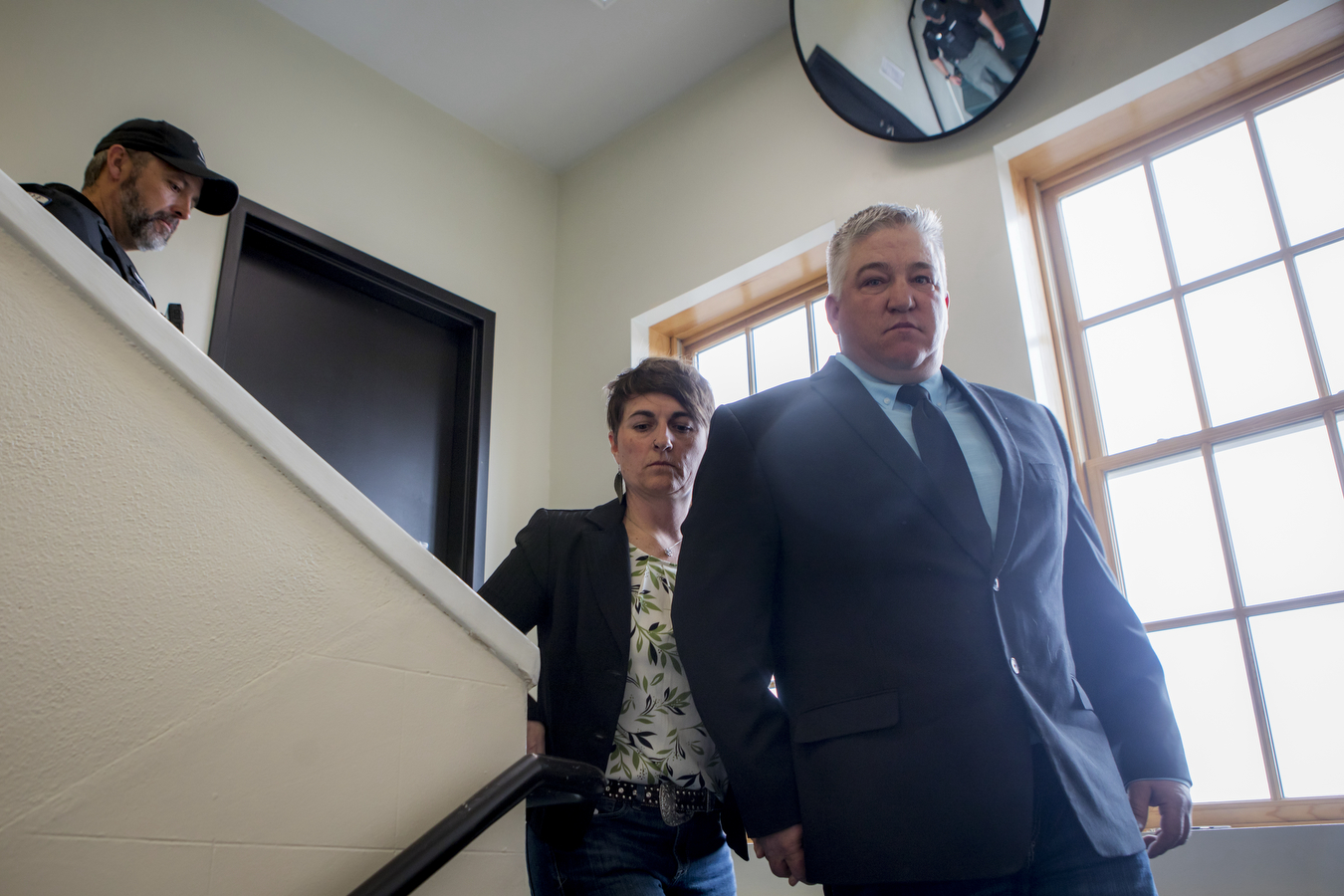
WF: Let’s just be clear here. He was later charged with and pled guilty to a felony under the existing laws.
R: He was. But it wasn’t Game and Fish. County attorneys, it was cruelty to animals he got charged with. I questioned whether that was an actual felony. I don’t think it met the elements needed to be a felony. But I’m glad he got it. What an idiot. That was an idiotic thing to do. Plain and simple, he was being an idiot.
WF: You’ve been accessible to the public as a commissioner. And I know you’ve built bridges with people who are not hunters and anglers. What have you learned from those relationships?
R: Speaking for myself, I truly believe that it takes everybody to figure out these damn problems with wildlife. I learned that in Jackson. Everybody wants to help wildlife, but we do it in different ways. We have a different way of looking at things. We’ve got to remember that we’re not right all the time, and that other people’s opinions and their life experiences are just as just as notable as our own. That’s why I get along with them. I always listen to what they have to say. If I hurt anybody’s feelings, or industry’s mad at me, or the anti-hunting groups are mad at me, I don’t care. I really try to look at it through the perspective of trying to make things as good as possible for wildlife.
WF: Let’s segue to what comes next. What inspired you to run for a seat in the Wyoming House?
R: I always loved the Legislature. My original idea was that I was going to run in two years — I was going to retire, and be done with Game and Fish. But then the timing was right. Politics is timing. The Freedom Caucus had shown their cards. My opponent was one of the founding members of the Freedom Caucus. When I ran, I had to get that word out.
WF: You weren’t happy with the Freedom Caucus?
R: I was disgusted. In my opinion, they were taking orders from out of state. They wouldn’t communicate with anybody on the floor. And they would all vote the same. As the new Legislature comes in, I don’t think we’ll do that.
WF: What has you most psyched for the upcoming legislative session? Are there any issues inspired by your time on the commission that you want to affect in the legislature?
R: We need to try to get the schools turned around. Let the teachers teach. Let the administrators be administrators. We have school boards — they’re ‘closest to the people’ who should be telling schools how much screen time, things like that.
I want to somehow get the railroads to have to report on how much wildlife they hit. If they hit a herd of antelope, they have to report it to the Game and Fish. Even if a semi [truck] hits an animal, they should have to report it to the port — even if it didn’t hurt their vehicle.
I’d like to see [hunting and fishing] license fees go up. I mean, you’re paying $200 to fuel up your truck, your four wheelers and your side by sides. What’s another $5, $10 for the licenses? That’s just my pipe dream.
WF: Do you think it’s high time for the Legislature to cede control to Game and Fish, so the agency can charge what it wants for a license?
R: Game and Fish should be able to manage wildlife. That’s part of managing wildlife. I’ve got to be careful. But I think Game and Fish should be allowed to manage wildlife, just like schools can manage schools, hospitals can manage hospitals.

To echo the comments of Mike Hunzie, Tory Taylor, Bruce Lawson and others, thank you Ken Roberts for your outstanding service to Wyoming and Wyoming’s wildlife.
We got lucky having Mr. Roberts as a Wyoming Game and Fish Commissioner. His service to Wyoming and in particular to Wyoming’s wildlife has been second to none. A true champion and dedicated advocate for wildlife. I’m sorry that he’s leaving the Commission.
Wyoming is a better place because of Ken’s service, both on the commission and now in the legislature.
Mr. Ken Roberts. As a Wyoming hunter and angler for 55 years, I want to thank you for your service as a Wyoming Game and Fish Department commissioner. I believe your experience as a WGFD commissioner will benefit Wyoming’s wildlife and wildlife habitat during your new role as state representative. Tory Taylor, Dubois.
Montana is in dire need of a FW Commissioner like Ken Roberts to help even out the playing field. This won’t happen until Gov. Gianforte is termed out and gone.
Amen, Kari Gunderson!
What a nightmare the Montana political scene has become.
Millionaires and Billionaires buying up properties then running for office, and a Senate “candidate” being anointed at the last minute (literally!) by the outgoing tRump butt-kisser.
And now the audicity of a “flat” income tax, so we can go further into the “drowning gummint in a bathtub” approach to Republican “leadership”.
Yep, we are ready – or desperate – for some change back toward something approaching good old fashioned “normal” here in Big Sky Country.
Great interview and refreshingly honest comments from Ken Roberts. I’ve always enjoyed my interactions with Ken. I think he’s a straight shooter and is in it for the right reasons. We need more like him in leadership positions.
Great interview Mike. And thank you for your past and continued service Representative Roberts.
It sounds like we lost a good commissioner. Good luck in the Legislature, bring us back to the real Wyoming.
Good article and interview. As a retired Wyoming game warden, I always enjoyed my visits with Commissioner Roberts and his strong interest in speaking up for our wildlife. I’m looking forward to seeing him in action in the upcoming legislative session.
Thank you for protecting our wildlife and our wolves the Mollies are not Disney thier linage goes back 30 years they hold historical and scientific value to go forward to protect our other wolves and learn how to coexist
Thank you, Mr. Roberts for your support of Wyoming’s wildlife, and for taking the heat from all of the “armchair” biologists out there. I wish you luck in upholding your ideals in the legislature.
I do wish Mr. Kosmrl would have touched on one more issue, “resale of Landowner licenses”. That to me is a very important matter.